


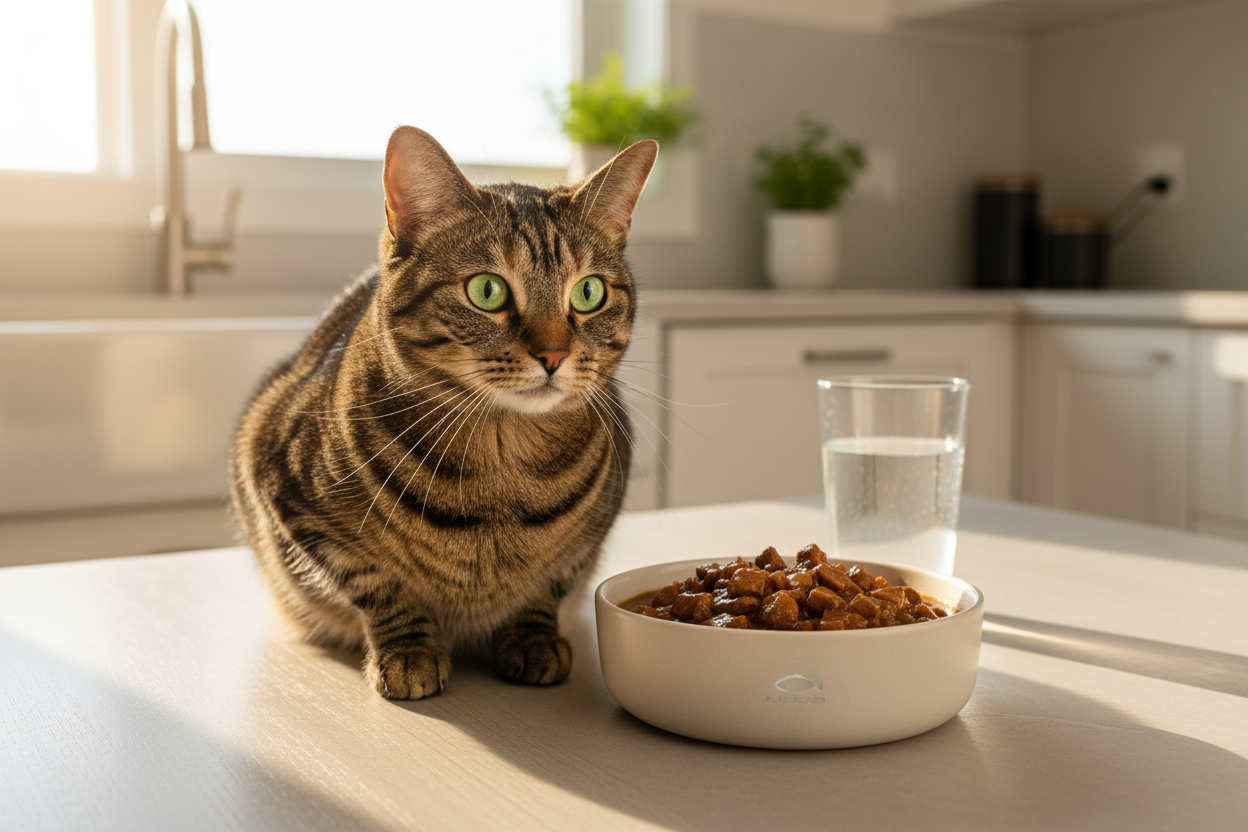
Wet vs. Dry Cat Food: Which is Truly Better for Your Feline's Health?
The Great Feline Food Debate: Understanding Your Cat's Nutritional Needs
When it comes to caring for your feline companion, few decisions are as important as what goes into their food bowl. The choice between wet and dry cat food represents one of the most significant decisions cat parents face, with passionate advocates on both sides. At the heart of this debate lies a crucial question: what truly constitutes the best wet food for cats, and is it genuinely superior to dry alternatives?
Cats have evolved as obligate carnivores with specific dietary requirements that differ substantially from other pets. Their natural diet in the wild consists primarily of prey animals that provide not just protein, but also essential moisture. This evolutionary background gives us important clues about what might constitute optimal nutrition for our domestic companions.
In this comprehensive guide, we'll explore the significant differences between wet and dry cat food options, examining how factors like moisture content, nutritional composition, and palatability impact your cat's overall health and wellbeing. By understanding these key distinctions, you'll be better equipped to make an informed decision about which feeding approach might best serve your particular feline friend.
The Hydration Advantage of Wet Cat Food
One of the most compelling arguments for choosing wet cat food centers around its high moisture content. While dry kibble typically contains only 10-12% water, wet food formulations boast an impressive 70-80% moisture content. This substantial difference can have profound implications for your cat's health, particularly when you consider that many cats don't drink enough water voluntarily.
Cats evolved in desert environments and developed a low thirst drive as an adaptation to obtaining most of their hydration from prey. This evolutionary trait persists in domestic cats, who often don't compensate adequately when fed dry diets exclusively. The result? Many cats live in a state of chronic mild dehydration that can contribute to various health issues over time.
How Moisture Content Supports Urinary Health
The connection between adequate hydration and urinary tract health in cats is well-established in veterinary medicine. Increased water intake helps dilute urine, reducing the concentration of minerals that can form crystals and stones in the urinary tract.
According to research published by the American Animal Hospital Association, cats consuming wet food typically produce more dilute urine compared to those on dry diets. This increased urine volume and reduced concentration can significantly lower the risk of developing conditions like Feline Lower Urinary Tract Disease (FLUTD) and urinary crystals, which affect approximately 1-3% of cats annually.
For cats with existing urinary issues, the transition to wet food often forms a cornerstone of treatment. A study published in the Journal of Feline Medicine and Surgery found that cats with urinary tract issues showed marked improvement when switched to high-moisture diets, with decreased recurrence rates of clinical signs.
Beyond urinary health, proper hydration supports kidney function, particularly important as cats age. Chronic kidney disease affects up to 30-40% of cats over 10 years old, making preventative measures like adequate hydration crucial for long-term health. The best wet food for cats provides this essential moisture in a way that aligns with their natural biological needs.
Nutritional Benefits That Make Wet Food Superior
Beyond hydration, wet cat food often offers distinct nutritional advantages that more closely align with a cat's natural dietary requirements. As obligate carnivores, cats have evolved to thrive on diets high in animal protein and moderate in fat, with minimal carbohydrate content.
Protein Quality and Lower Carbohydrate Content
Wet cat foods typically contain higher percentages of animal-based proteins compared to many dry formulations. This distinction matters significantly because cats require specific amino acids like taurine that are found primarily in animal tissues. While quality dry foods supplement these nutrients, wet foods often provide them through natural meat sources.
Perhaps the most striking nutritional difference between wet and dry cat foods lies in their carbohydrate content. Many dry cat foods contain 30-50% carbohydrates, primarily used as binding agents in the kibble-making process. In contrast, premium wet cat foods often contain less than 10% carbohydrates, more closely mimicking a cat's natural prey-based diet.
Research published in the Journal of Feline Medicine and Surgery suggests that high-carbohydrate diets may contribute to feline obesity and diabetes, conditions that have increased dramatically in prevalence over recent decades. Cats lack certain digestive enzymes for efficiently processing carbohydrates, making high-carb diets potentially problematic for long-term health.
The protein in wet food tends to be more bioavailable, meaning cats can more efficiently utilize it for muscle maintenance and energy. This higher-quality protein profile supports lean muscle mass, particularly important for senior cats who naturally lose muscle as they age. For active cats, growing kittens, and seniors alike, the protein advantage of wet food can translate to better body condition and overall vitality.
Weight Management Benefits of Wet Cat Food
Another significant advantage of wet cat food relates to weight management, an increasingly important consideration with feline obesity rates climbing steadily. Approximately 60% of cats in the United States are currently classified as overweight or obese, placing them at higher risk for numerous health complications.
Wet food formulations typically contain fewer calories per volume compared to dry kibble, allowing cats to consume satisfying portions while ingesting fewer total calories. The higher moisture content creates a sense of fullness that may help prevent overeating, a common issue with highly palatable dry foods that cats can graze on throughout the day.
Additionally, the protein-forward nutritional profile of quality wet foods supports healthy metabolism. Studies have shown that higher-protein diets can help preserve lean muscle mass during weight loss, ensuring that cats lose fat rather than valuable muscle tissue when on calorie-restricted feeding plans.
For cats already struggling with weight issues, transitioning to wet food can form an effective component of a comprehensive weight management strategy. Many veterinarians recommend wet food as part of a controlled feeding plan for overweight cats, particularly those with concurrent conditions like diabetes or joint problems that can be exacerbated by excess weight.
Dental Health Considerations
One frequently cited advantage of dry cat food is its purported benefit for dental health. The mechanical action of chewing kibble is often claimed to help reduce plaque and tartar buildup. However, this benefit may be somewhat overstated in marketing materials.
Most cats actually do minimal chewing of dry food, often swallowing pieces whole. Additionally, any dental benefit from dry food typically affects only the tips of the teeth, while dental disease most commonly develops at the gumline where kibble makes minimal contact.
Some premium wet foods are now formulated with dental health in mind, incorporating ingredients that help reduce tartar formation. Regardless of food type, regular dental care remains essential for cats, including periodic professional cleanings and at-home care when possible.
Practical Considerations When Choosing Wet Cat Food
While the nutritional and hydration benefits of wet food are compelling, practical factors also influence feeding decisions for many cat owners. Understanding these considerations can help you implement a wet food feeding regimen that works for both you and your cat.
Storage, Cost, and Feeding Schedule Comparisons
Wet cat food requires different handling than dry kibble. Once opened, wet food should be refrigerated and used within 1-2 days to prevent spoilage. This necessitates more frequent purchases and careful storage compared to dry food, which remains stable for weeks after opening when properly stored.
Cost represents another significant consideration for many pet owners. Premium wet cat foods typically cost more per serving than equivalent quality dry foods. However, this cost difference should be weighed against potential long-term health benefits and possibly reduced veterinary expenses associated with conditions like urinary tract disease or diabetes.
Feeding schedules also differ between wet and dry food regimens. While dry food can be left out for free-feeding throughout the day, wet food should be served in measured meals to prevent spoilage. This schedule requirement may be challenging for pet owners with irregular schedules, though automatic feeders with ice packs can help maintain freshness for short periods.
For cats accustomed to free-feeding dry food, the transition to scheduled wet food meals may require patience and gradual implementation. Many cats initially resist dietary changes, but persistent, gentle introduction of wet food often leads to acceptance over time.
Finding the Best Wet Food for Your Specific Cat
Not all wet cat foods are created equal, and finding the optimal choice for your particular cat requires consideration of several factors. Age, activity level, health conditions, and individual preferences all influence which wet food might constitute the "best" option for your feline companion.
When evaluating wet cat food options, prioritize products that list named animal proteins (like chicken, turkey, or salmon) as the first ingredients rather than meat by-products or unnamed meat sources. Quality wet foods should also be free from artificial colors, flavors, and preservatives that add no nutritional value.
For cats with specific health conditions, therapeutic wet diets formulated for their particular needs may be beneficial. These specialized formulations are available for conditions including kidney disease, urinary issues, food sensitivities, and diabetes. Consultation with your veterinarian can help determine if a therapeutic diet might benefit your cat's specific health profile.
Texture preferences vary significantly among cats, with some preferring pâté-style foods while others favor chunks in gravy or flaked varieties. Experimentation with different textures can help identify your cat's preferences, increasing the likelihood of successful transition to a predominantly wet food diet.
Transitioning Your Cat to Wet Food
If you've been feeding primarily dry food and wish to incorporate more wet food into your cat's diet, a gradual transition typically yields the best results. Cats are notorious for their resistance to dietary changes, but patience and persistence often overcome initial reluctance.
Begin by offering small amounts of wet food alongside your cat's regular dry food, gradually increasing the proportion of wet food while decreasing dry over a period of 1-2 weeks. Some cats respond well to having wet food slightly warmed or mixed with a small amount of tuna juice initially to enhance palatability.
For particularly resistant cats, try different brands, flavors, and textures to identify preferences. Some cats develop strong texture preferences early in life, making certain wet food formats more acceptable than others. The goal should be finding wet food options your cat willingly consumes rather than forcing a particular brand or variety.
Combining Wet and Dry: The Hybrid Approach
For many cat owners, a combination feeding approach offers a practical middle ground that provides some benefits of both food types. This hybrid strategy typically involves feeding measured portions of wet food once or twice daily, with limited dry food available either as a complement to wet meals or for between-meal snacking.
This approach can help increase overall moisture intake compared to an exclusively dry diet while maintaining some of the convenience of dry food. It may also help address texture preferences for cats who enjoy both food types and provide enrichment through dietary variety.
When implementing a combination feeding plan, be careful to adjust total calorie intake appropriately to prevent overfeeding. Your veterinarian can help calculate appropriate portions based on your cat's age, weight, activity level, and specific nutritional needs.
Making the Best Choice for Your Feline Friend
After examining the evidence, it becomes clear that high-quality wet cat food offers several significant advantages over dry alternatives, particularly regarding hydration, protein quality, and carbohydrate content. For many cats, the best wet food for cats represents the closest approximation to their natural dietary pattern as obligate carnivores.
However, the "best" feeding approach ultimately depends on your individual cat's needs, preferences, and health status. Some cats with specific medical conditions may benefit from specialized dry formulations, while others thrive on predominantly wet diets. The optimal solution often involves finding the right balance that works for both your cat's health and your lifestyle.
Tailored Nutrition for Optimal Feline Health
When evaluating your cat's nutritional needs, consider consulting with your veterinarian to develop a feeding plan tailored to your specific cat. Factors including age, weight, activity level, and existing health conditions all influence nutritional requirements and should inform feeding decisions.
The best wet food for cats provides essential hydration and quality nutrition that closely mimics their natural diet. By prioritizing moisture-rich, protein-forward nutrition, you're supporting your cat's evolutionary dietary needs and potentially preventing common health issues associated with chronic mild dehydration and inappropriate nutrient profiles.
Whether you choose an exclusively wet diet, a hybrid approach, or a specialized feeding plan based on specific health needs, the goal remains providing optimal nutrition that supports your cat's health and longevity. With thoughtful consideration of the evidence and your cat's individual needs, you can make informed choices that help your feline companion thrive for years to come.

De Talis Us




Dejar un comentario
Este sitio está protegido por hCaptcha y se aplican la Política de privacidad de hCaptcha y los Términos del servicio.