


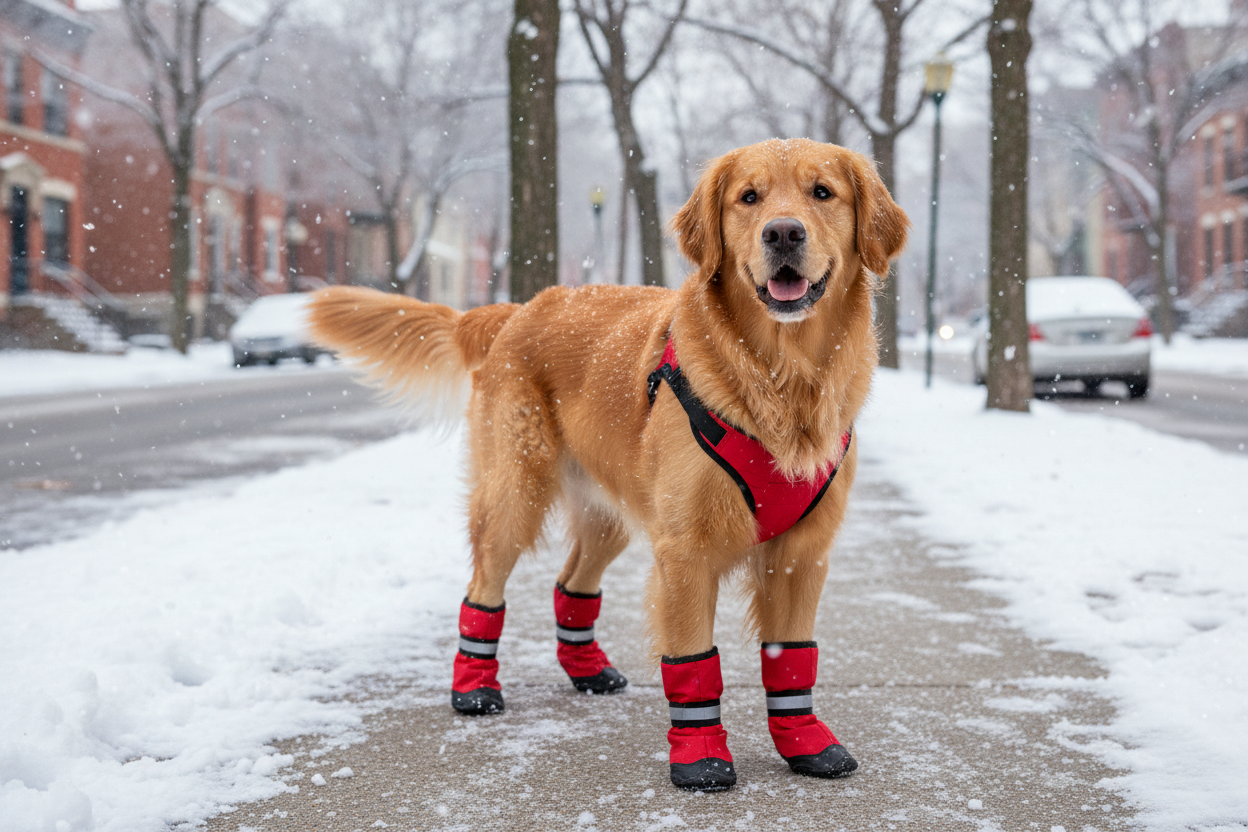
Keep Your Pup's Paws Safe: The Ultimate Guide to Dog Boots for Winter
Winter Paw Protection: Why Your Dog Needs It
When winter arrives with its freezing temperatures, ice, and chemically treated sidewalks, your dog's sensitive paw pads face serious risks. Many pet parents have experienced that heart-wrenching moment when their furry companion suddenly starts limping during a winter walk or licking their cracked, painful paws afterward. Just as you wouldn't walk barefoot on ice or salt-covered pavement, your dog deserves the same protection and comfort.
Dog boots for winter aren't just cute accessories; they're essential protective gear that can prevent painful injuries, chemical burns, and frostbite. This comprehensive guide will help you understand why winter paw protection matters and how to choose the perfect boots to keep your canine companion comfortable and safe during the coldest months of the year.
Why Winter Dog Boots Are Essential
Cold Weather Dangers for Canine Paws
Your dog's paw pads are remarkably resilient but not invincible, especially against winter's harsh elements. Here's what your dog faces when walking unprotected in winter conditions:
Ice and Snow Hazards: Sharp ice can cut paw pads, while compacted snow can form painful ice balls between toe pads, causing discomfort and potential frostbite.
Road Salt and De-icers: Chemical ice melters used on roads and sidewalks can cause chemical burns on your dog's paws. When your dog licks their paws afterward, they may ingest these toxic substances, leading to digestive issues.
Extreme Cold Exposure: Prolonged contact with freezing surfaces can cause tissue damage similar to frostbite. Dogs with poor circulation, such as seniors or small breeds, are particularly vulnerable.
Cracked and Dry Paw Pads: Winter's dry air combined with the constant transition between cold outdoors and warm indoors can lead to cracked, painful paw pads that may bleed and become infected.
Many veterinarians report an increase in paw-related injuries during winter months, with treatments ranging from simple first aid to more serious medical interventions. Investing in quality dog boots for winter can prevent these painful conditions and potentially save you from expensive veterinary bills.
Choosing the Right Winter Dog Boots
With countless options available, selecting the perfect winter boots for your dog can feel overwhelming. Here's how to narrow down your choices based on what matters most:
Material and Insulation Features to Consider
Waterproof Exterior: Look for boots with waterproof or water-resistant outer materials like nylon, rubber, or neoprene. These materials keep moisture out while allowing some breathability.
Insulation Quality: For extremely cold climates, choose boots with thermal lining. However, be mindful that dogs naturally regulate temperature through their paws, so ultra-thick insulation might cause overheating during active play.
Sole Construction: The best winter dog boots have textured, non-slip rubber soles that provide traction on icy surfaces. Thicker soles offer better insulation from cold ground but should remain flexible enough for natural movement.
Secure Fastening System: Velcro straps, drawstring toggles, or elastic cuffs help keep boots in place. The ideal fastening system should be tight enough to prevent boots from falling off but not so tight that it restricts blood flow.
Reflective Elements: Boots with reflective strips or detailing enhance visibility during early morning or evening walks when winter daylight is limited.
Size and Fit Considerations: Proper sizing is crucial for comfort and functionality. Boots that are too tight can restrict circulation, while loose boots will constantly fall off. Most quality brands provide detailed sizing charts based on paw width measurements.
When evaluating dog boots for winter use, consider your specific climate conditions and your dog's activity level. Active dogs who love running through deep snow may need more heavy-duty boots than dogs who take quick potty breaks on cleared pathways.
Training Your Dog to Love Their Winter Boots
Even the highest quality dog boots won't help if your pup refuses to wear them or constantly tries to kick them off. Most dogs need time to adjust to the unusual sensation of wearing boots.
Step-by-Step Acclimation Process
Start Indoors: Introduce boots in a familiar, comfortable environment where your dog feels safe.
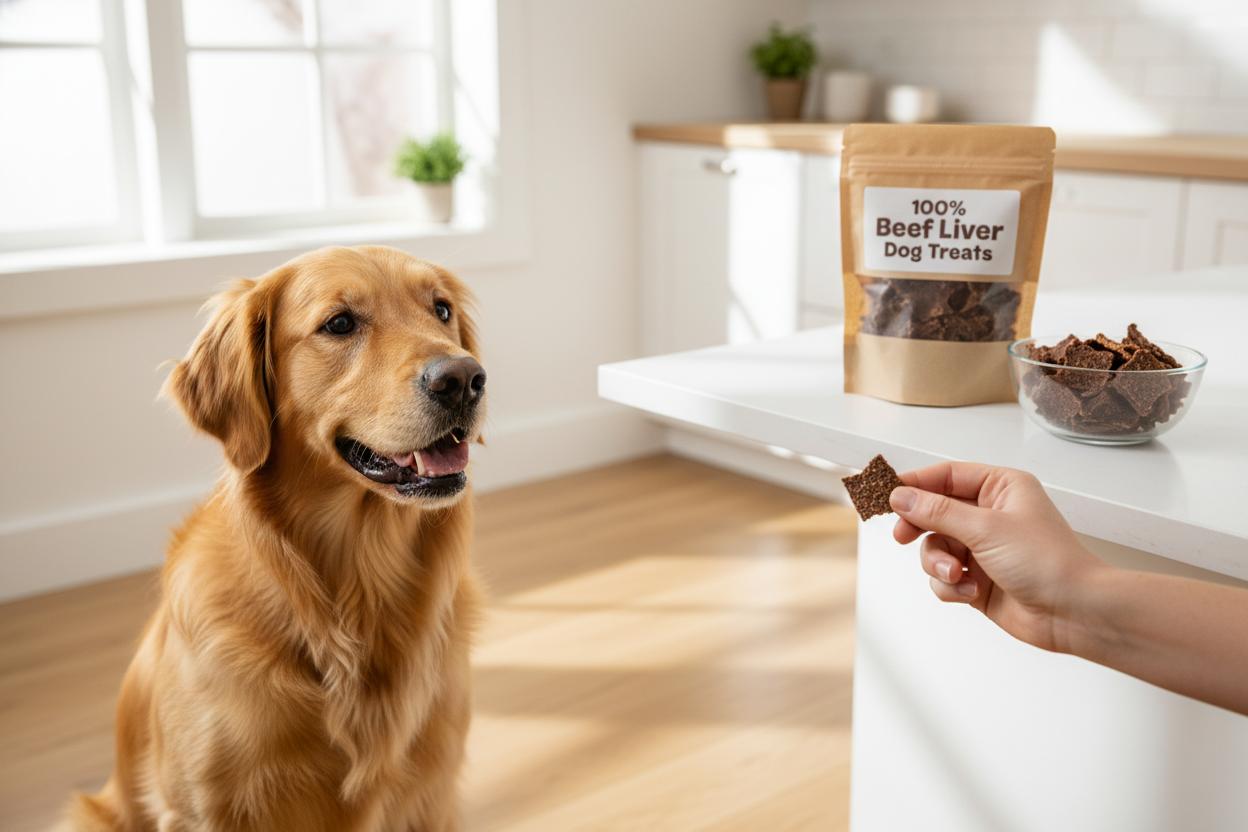
One Paw at a Time: Begin by putting a boot on just one paw for a very short period (30 seconds to 1 minute). Offer praise and treats to create positive associations.
Create Distractions: Once the boot is on, engage your dog with toys or treats to shift their focus away from the strange sensation on their foot.
Gradual Progression: Slowly increase the duration and number of boots worn. Don't rush this process; some dogs may take days or even weeks to fully accept wearing boots.
Practice Walking Indoors: Before heading outside, let your dog practice walking with boots on indoor surfaces. They'll likely exhibit an exaggerated walking style initially (often described as the "boot dance"), which is both normal and admittedly entertaining.
Reward Consistently: Throughout the training process, use positive reinforcement with treats, praise, and play to help your dog associate boots with positive experiences.
Patience is Key: Some dogs adapt quickly to wearing boots, while others need more time. Respect your dog's comfort level and never force the issue, as this can create negative associations.
Remember that consistency is crucial. Using the boots regularly during winter walks helps your dog maintain familiarity with them rather than having to readjust each time.
Alternative Paw Protection Options
If your dog absolutely refuses to tolerate boots despite patient training, consider these alternatives:
Paw Balms and Waxes: These protective products create a semi-permeable barrier on paw pads that guards against salt, chemicals, and ice. They need frequent reapplication but can be effective for shorter outings.
Paw Cleaning Routine: If you opt against physical protection, develop a thorough paw-cleaning routine after each walk. Use warm water to dissolve ice and salt, then thoroughly dry the paws to prevent moisture-related issues.
Indoor Exercise Alternatives: During extreme weather conditions, consider increasing indoor exercise through puzzle toys, hide-and-seek games, or indoor fetch to reduce outdoor exposure time.
While these alternatives provide some protection, they don't offer the comprehensive coverage that quality dog boots for winter can provide, especially in harsh conditions or for extended outdoor activities.
Maintaining Your Dog's Winter Boots
To ensure your investment in dog boots lasts through the winter season and beyond:
Regular Cleaning: Follow manufacturer instructions for cleaning. Most boots can be hand-washed with mild soap and air-dried away from direct heat sources.
Inspect for Damage: Regularly check for tears, worn soles, or damaged fasteners that might compromise protection or comfort.
Proper Storage: Store boots in a dry place away from direct sunlight when not in use to prevent material degradation.
Replace When Necessary: Even the highest quality dog boots will eventually wear out, especially with active dogs. Replace them when you notice significant wear to maintain proper protection.
Your Dog's Winter Comfort Starts with Paw Protection
The right dog boots for winter can transform painful, limited winter outings into joyful outdoor adventures that both you and your furry friend can enjoy regardless of the weather. By investing in quality paw protection, you're not just preventing injuries and discomfort; you're enhancing your dog's quality of life during the winter months.
Remember that your dog relies on you to make wise choices about their health and comfort. Just as you wouldn't venture into freezing temperatures without proper footwear, your canine companion deserves the same consideration. With proper winter paw protection, those cold-weather walks can remain a highlight of your dog's day rather than a painful experience to be endured.
Whether you're navigating city sidewalks covered in salt or exploring snowy trails, the right dog boots for winter will keep those precious paws safe, comfortable, and ready for whatever adventures you choose to share together.

De Talis Us



Dejar un comentario
Este sitio está protegido por hCaptcha y se aplican la Política de privacidad de hCaptcha y los Términos del servicio.