


10 Natural Bird Foraging Treats to Boost Your Feathered Friend's Wellbeing
Why Bird Foraging Treats Matter
In the wild, birds spend most of their day searching for food, using their natural intelligence and instincts to locate nourishment. This foraging behavior isn't just about sustenance; it's a fundamental part of their mental stimulation and overall wellbeing. When we keep birds as companions, we often unintentionally remove this crucial aspect of their daily lives by simply placing food in a dish.
Bird foraging treats offer a solution by reintroducing this natural behavior into your pet's routine. By providing opportunities for your feathered friend to work for their food, you're not just offering nutrition—you're creating enrichment that satisfies their innate needs and prevents boredom-related behavioral issues.
The Natural Benefits of Foraging Treats
Foraging treats provide multiple advantages for captive birds, addressing both physical and psychological needs that standard feeding methods often miss.
How Foraging Mimics Wild Bird Behavior
In their natural habitats, birds might spend 4-6 hours daily searching for food. This activity keeps their minds sharp and bodies active. When birds in captivity are denied this opportunity, they can develop destructive behaviors like feather plucking, excessive vocalization, or aggression.
Foraging treats recreate this natural experience by:
- Engaging problem-solving skills
- Encouraging physical activity
- Providing mental stimulation
- Reducing stress and anxiety
- Preventing obesity by making birds work for higher-calorie treats
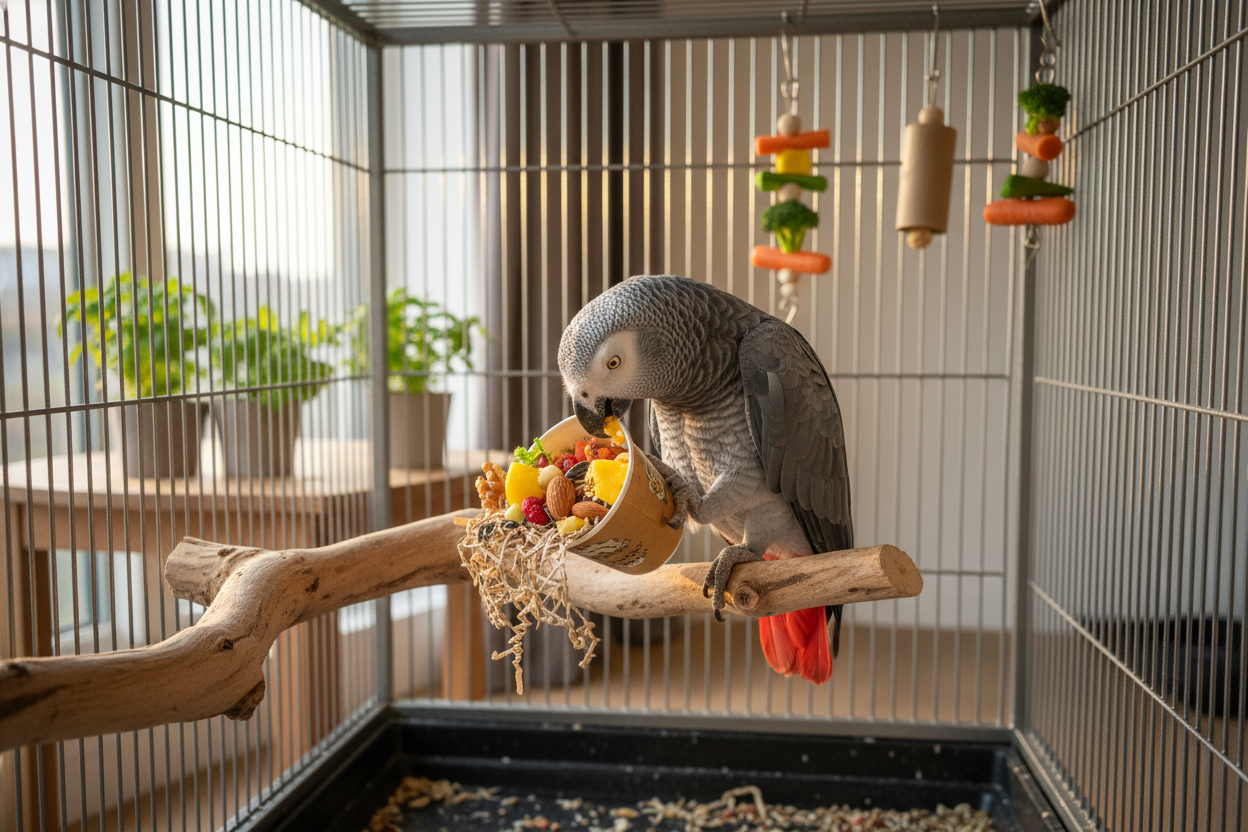
One bird owner reported that after introducing foraging toys, her previously vocal and anxious African Grey became noticeably calmer and more content. The bird's feather condition improved, and destructive behaviors decreased significantly within just a few weeks.
Top Bird Foraging Treats for Different Species
Different bird species have varying nutritional needs and preferences. Here's a guide to help you select appropriate foraging treats based on your bird's species.
Tailoring Treats to Your Bird's Size and Preferences
Small Birds (Budgies, Canaries, Finches)
- Millet sprays (hung or partially hidden)
- Small seeds like flax or chia
- Tiny pieces of fresh vegetables like grated carrot
- Sprouted seeds
- Small pieces of unsweetened whole grain cereal
Medium Birds (Cockatiels, Conures, Lovebirds)
- Sunflower seeds (in moderation)
- Nuts still in their shells (almonds, walnuts)
- Fresh fruit chunks (apple, berries, banana)
- Dried fruit pieces (unsweetened)
- Vegetable slices (bell pepper, zucchini)
Large Birds (Amazons, African Greys, Macaws)
- Whole nuts in shells (Brazil nuts, walnuts, almonds)
- Large fruit pieces that require manipulation
- Coconut chunks
- Whole dried corn on the cob
- Pine cones with nut butter (unsalted, sugar-free)
Remember to introduce new treats gradually and monitor your bird's reaction. Some birds may be hesitant at first but will become more adventurous with time and encouragement.
Safe and Unsafe Foraging Options
While many natural foods make excellent foraging treats, some common items can be harmful to birds.
Safe Foraging Treats:
- Most fresh fruits and vegetables
- Unsalted nuts (appropriate for your bird's size)
- Whole grains
- Edible flowers (dandelion, nasturtium, hibiscus)
- Herb sprigs (cilantro, parsley, basil)
Avoid These Items:
- Avocado (toxic to birds)
- Chocolate and caffeine
- Salty or sugary human foods
- Onions and garlic
- Fruit seeds and pits (especially apple, cherry, peach)
- Processed foods with preservatives
Always ensure that any foraged items from outdoors are pesticide-free and thoroughly washed before offering them to your bird.
Creative Ways to Present Foraging Opportunities
How you present foraging treats is just as important as what you offer. Creating engaging delivery methods increases the mental stimulation your bird receives.
DIY Foraging Toys and Puzzles
You don't need expensive store-bought toys to create foraging opportunities. Try these simple DIY ideas:
-
Paper Cup Puzzles: Place treats inside a paper cup, fold the top over, and hang it in the cage. Your bird must tear through the cup to access the treats.
-
Woven Grass Mats: Weave treats into small grass mats that your bird can pull apart.
-
Cardboard Tubes: Fill toilet paper tubes with treats and fold the ends. Your bird will enjoy tearing the cardboard to discover the hidden treasures.
-
Ice Cube Treats: For hot days, freeze small pieces of fruit in ice cubes for a refreshing foraging activity.
-
Skewered Vegetables: Thread vegetables onto a bird-safe skewer and hang it in the cage, requiring your bird to work for each bite.
Remember to supervise your bird with new toys initially to ensure they interact safely.
Rotating and Varying Foraging Activities
To maintain your bird's interest, regularly rotate foraging opportunities. Birds, like humans, can become bored with the same activities. Try these approaches:
- Introduce new foraging toys weekly
- Vary the difficulty level of puzzles
- Change locations of foraging stations in the cage
- Alternate between different types of treats
- Create themed foraging days (fruit day, nut day, etc.)
One effective strategy is to maintain a "toy library" where you keep several different foraging toys and rotate them every few days. This prevents your bird from becoming too familiar with any single challenge.
Incorporating Foraging Into Daily Routines
For maximum benefit, make foraging a regular part of your bird's daily schedule rather than an occasional activity.
Start by offering about 20% of your bird's diet through foraging opportunities, gradually increasing to 50-70% for most species. This more closely mimics their natural feeding patterns and provides consistent enrichment.
Morning and evening are often ideal times to introduce fresh foraging activities, as these align with natural feeding times for many bird species. You might provide simpler foraging opportunities during the day when you're away and more interactive ones when you're home to supervise.
Monitoring Your Bird's Response
Each bird is an individual with unique preferences. Pay attention to which foraging treats and activities your bird enjoys most, and adapt your offerings accordingly.
Signs that your bird is benefiting from foraging enrichment include:
- Decreased screaming or other attention-seeking behaviors
- Improved feather condition
- More balanced activity levels
- Increased interaction with toys
- Reduced aggression or anxiety
If your bird seems frustrated by a particular foraging challenge, simplify it until they gain confidence, then gradually increase the difficulty.
Bringing the Wild Home: Creating a Foraging-Friendly Environment
The ultimate goal is to create an environment that honors your bird's natural instincts while keeping them safe and healthy in captivity. Beyond specific treats and toys, consider these broader approaches:
- Arrange branches of different thicknesses for climbing and exploring
- Create foraging stations at different heights in the cage
- Plant bird-safe potted herbs for natural foraging
- Occasionally hide treats in unexpected but safe locations
- Consider outdoor aviaries (weather permitting) with natural foraging opportunities
Enriching Lives Through Natural Foraging
Incorporating bird foraging treats into your pet's routine is one of the most meaningful ways to improve their quality of life. By understanding and respecting their natural behaviors, you're not just feeding your bird; you're nurturing their mind, body, and spirit.
Start small by introducing one or two foraging opportunities, then expand as your bird becomes more comfortable with the concept. Remember that enrichment through natural foraging isn't just about nutrition; it's about honoring your bird's instincts and supporting their complete wellbeing.
Your feathered friend will reward your efforts with improved behavior, better health, and the joy of watching them engage with their environment in natural, fulfilling ways. The bond between you will strengthen as you become not just a provider of food, but a creator of meaningful experiences that make their life in captivity richer and more rewarding.

De Talis Us



Dejar un comentario
Este sitio está protegido por hCaptcha y se aplican la Política de privacidad de hCaptcha y los Términos del servicio.