


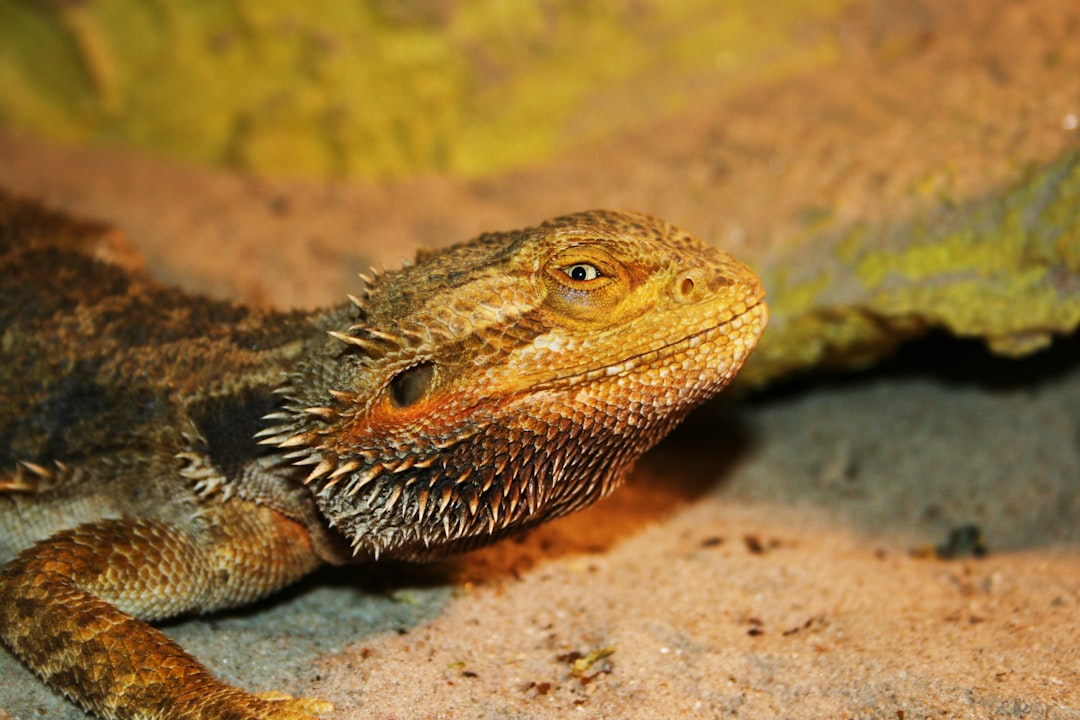
Ultimate Guide to German Giant Bearded Dragon Care
Caring for Your German Giant Bearded Dragon
You might have heard whispers of a miniature "Godzilla" hiding in the pet world—a lizard significantly larger than the ones typically seen basking in neighborhood store terrariums. According to herpetological history, this heavyweight champion is the German Giant bearded dragon. It belongs to a specific morph—which is essentially the reptile version of a dog breed—selectively developed over generations purely for its massive physical size.
Imagine your everyday domestic lizard, then scale it up by fifty percent. When comparing oversized morphs to standard dragons, the German Giant acts as the Great Dane of the reptile community: bigger, hungrier, but just as friendly. While a normal adult usually measures about the length of a standard rolling pin, historical breeder accounts note that a true Giant can stretch longer than a family-size pizza box.
Unfortunately, the mythical status of this specific lineage has created a tricky landscape for eager buyers. Industry data reveals that many well-meaning owners purchase falsely labeled "giants," or conversely, bring home a massive lizard without preparing for the specialized bearded dragon care it actually demands. By learning their unique history and expanded housing requirements, you can easily separate the facts from the fakes to help your super-sized pet thrive.
The Selective Breeding Secret: Where Did These Giants Come From?
The transformation of a standard pet store lizard into a heavyweight champion traces back to the 1990s, when experts intentionally paired the largest dragons they could find to create a supersized bloodline. This process highlights the selective breeding history of European lineages, resulting in the famous German Giant. Just as a Great Dane and a Chihuahua are both dogs, these giants are not a newly discovered wild species, but rather a carefully developed family line.
While the standard pet bearded dragon is known scientifically as Pogona vitticeps, the giant project likely incorporated wilder DNA. Experts believe early breeders mixed in Pogona barbata, a much larger, naturally occurring Australian lizard. When comparing Pogona vitticeps vs Pogona barbata characteristics, the differences are striking. The standard vitticeps is naturally smaller and very docile, while the barbata brings a broader head, darker coloring, and massive length. Combining these traits produced a gentle, oversized companion.
Finding one of these original heavyweights today is like hunting for a lost family recipe. Because these massive lizards were mixed with standard dragons for decades, the pure bloodline is heavily diluted. To find one, you must seek out reputable breeders of oversized reptile morphs who carefully track their animals' genetics. Since many heavy, overfed standard lizards are mistakenly sold as rare giants, identifying authentic physical traits is critical.
How to Tell if Your Reptile is a True German Giant
Verifying a true giant requires looking beyond a slightly chubby belly. Authentic German Giants have distinct physical markers, including a noticeably wider head and a much thicker base at the tail. Breeders track this using Snout-to-Vent Length (SVL)—the distance from the nose to the digestive vent, ignoring the easily damaged tail. While normal dragons stop around 18 inches total, the maximum adult length of large morphs frequently hits 20 to 25 inches.
Because they grow so fast, checking their development against a bearded dragon growth chart by age is the best way to verify their lineage. Watch for these total length milestones:
- 3 Months: Standard (6-9 in) vs. Giant (9-11 in)
- 6 Months: Standard (11-14 in) vs. Giant (15-17 in)
- 12 Months: Standard (16-18 in) vs. Giant (19-21 in)
- 18 Months: Standard (18-20 in) vs. Giant (22-25 in)
Spotting these milestones early is crucial because rapid growth spurts demand immediate space upgrades. When your lizard easily stretches past a standard ruler, a typical starter kit goes from cozy to cramped in just a few months, necessitating a shift to a much larger permanent habitat.

Why Your Standard Tank is Too Small: Building a 120-Gallon Sanctuary
For a German Giant pushing two feet long, living in a standard 40-gallon pet store tank creates a severely cramped reality. When these heavyweights lack adequate room to pivot and stretch, they can develop joint stiffness and muscle weakness. Excellent bearded dragon care means understanding the crucial difference between overall enclosure volume and usable floor space. A tall tank might hold a lot of air, but a giant lizard specifically needs a wide ground area to roam comfortably.
Upgrading to a proper habitat immediately prevents these mobility issues. Meeting custom 120-gallon enclosure requirements ensures your giant has the sanctuary they deserve to reach their maximum size. When shopping or building, look for these specific non-negotiables:
- Minimum Dimensions: The tank must be at least 4 feet long, 2 feet wide, and 2 feet tall to accommodate their massive stride.
- Usable Floor Space: Aim for at least 8 square feet of continuous ground area, avoiding bulky decorations that block their walking path.
- Material Strength: Opt for PVC or thick wood enclosures over standard glass to better insulate heat and safely support heavier climbing branches.
Beyond just physical room, taller habitats change how ultraviolet rays reach your pet. Because these larger setups are two feet deep, standard bulbs lose their effectiveness before the light ever hits the floor. To prevent brittle bones, you must upgrade to a T5 high-output bulb—a stronger, penetrating fluorescent tube that delivers optimal UVB lighting for deep enclosures. Once their lighting and spacious new home are secured, your giant requires a specialized high-protein diet to safely build out their massive frame.
Fueling the Heavyweight: High-Protein Diets for Rapid Growth
Just as a teenage athlete needs extra fuel, a growing German Giant requires massive energy. Their standard bearded dragon diet scales up significantly to support a heavier frame. Some keepers attempt "power feeding"—the controversial practice of offering unlimited high-fat insects to force unnaturally rapid growth. However, calculating a safe, balanced daily protein intake for fast-growing reptiles ensures they build strong muscle rather than dangerous fat.
Monitoring this physical development requires a keen eye. A healthy giant develops a firm, thick tail base, whereas managing obesity in captive central inland dragons means watching for squishy fat pads behind their front armpits. To achieve solid mass without the flab, follow this daily protein menu for a growing Giant juvenile:
- 0-6 Months: 80% Protein to 20% Greens (15-20 Dubia roaches daily with a small collard salad).
- 6-12 Months: 50% Protein to 50% Greens (Transition phase to prevent rapid weight gain).
- 12+ Months: 20% Protein to 80% Greens (Adult maintenance mode).
All those extra bugs bring a hidden danger: high phosphorus levels. In reptile nutrition, the calcium-to-phosphorus ratio is critical because excess phosphorus actually blocks the body from absorbing calcium. To balance heavy insect consumption, you must dust meals with the best calcium supplements for large lizard species—specifically pure calcium carbonate powder without added phosphorus. Balancing these minerals creates a resilient skeleton, which directly prevents severe developmental issues.
Preventing 'The Heavyweight Slump': Metabolic Bone Disease and Muscle Tone
Building a massive frame requires a rock-solid foundation. If a German Giant grows without proper calcium metabolism—the biological process of absorbing calcium to harden bones—their skeleton cannot support the extra weight. This causes Metabolic Bone Disease (MBD), a devastating condition where bones become dangerously soft or deformed. Because these lizards pack on mass so rapidly, metabolic bone disease prevention in heavy breeds is absolutely critical. Watch carefully for early warning signs like twitching toes, an underbite, or a continuously dragging belly.
You can easily monitor signs of healthy muscle development in morphs right at home. Proactive bearded dragon care involves performing a simple "strength check." Watch your dragon as it basks: a robust giant will stand tall on all four legs with its belly lifted completely off the floor, resembling a proud push-up stance. Their thighs should look thick and firm, with a perfectly straight spine. If they constantly drag their stomach just to walk, their skeletal structure might be compromised.
This raw strength relies entirely on calcium and UVB lighting acting together like bricks and mortar. Without sufficient UVB rays, that essential dietary calcium simply passes through their system unused. Keeping this biological machinery running smoothly guarantees your heavyweight thrives comfortably. With these physiological needs addressed, the final step is navigating the market to find an authentic giant without falling for common breeder scams.

Navigating the Market: How to Find Reputable Breeders and Avoid Scams
Shopping for a German Giant bearded dragon can feel like navigating a minefield of false advertising. Because true giants are rare today, many dishonest sellers pull the common "overpriced standard" marketing scam—slapping a premium price tag on a perfectly normal, slightly chubby lizard. To protect your wallet, you must verify its provenance (the documented history of where it originated) and its pedigree (its recorded family tree, much like a purebred dog). Without this paperwork, you are simply taking a stranger's word that a baby will rapidly grow into a record-breaking adult.
The secret to uncovering authenticity involves understanding line-breeding—the practice of carefully pairing specific reptile families over generations to consistently isolate massive size. When evaluating a potential pet, asking the right questions is your best defense for identifying genuine bloodline genetics before purchase:
- Can I see photographs and weight records of both the mother and father?
- How many generations back can you clearly trace this specific dragon’s lineage?
- Do you have contact information for previous buyers who can verify adult sizes?
- What is your guarantee if this hatchling does not exceed standard dimensions?
Tracking down reputable breeders of oversized reptile morphs requires patience and a healthy dose of skepticism. Look for professionals who happily provide this documented history rather than grand, empty promises.
Establishing Your Heavyweight Habitat
Viewing a German Giant bearded dragon as a supersized novelty overlooks the genuine commitment they require. Proper husbandry at this scale means addressing the reality of their needs long before finalizing a purchase. Upgrading your expectations requires actively budgeting for a massive 120-gallon setup, calculating higher monthly food costs, and carving out dedicated floor space in your home.
Preparation ensures these unique reptiles enjoy a healthy lifespan of a decade or more. Start by measuring your available living space to guarantee a proper habitat fits, and price out the necessary premium heating and T5 UVB equipment. By mapping out the environment and securing an authentic breeder first, you build the proper foundation for keeping one of the reptile world's most impressive companions.

Written by Talis Us



Leave a comment
This site is protected by hCaptcha and the hCaptcha Privacy Policy and Terms of Service apply.