


Optimize Reptile Habitats 4x2x2 for Perfect Enclosures
Creating the Perfect 4x2x2 Reptile Habitat
The world of exotic pet husbandry has undergone a massive revolution in recent years. Gone are the days when keeping a pet lizard or snake in the absolute minimum space was considered acceptable. Today, the focus is squarely on providing ample room, thriving ecosystems, and environments that allow animals to display their natural behaviors. At the forefront of this husbandry shift is the golden standard for many medium-sized species: reptile habitats 4x2x2.
Measuring four feet long, two feet wide, and two feet tall, a 4x2x2 reptile tank provides approximately 120 gallons of volume. This footprint has quickly become the industry baseline for ensuring the health, happiness, and longevity of your scaly companions.
Whether you are upgrading a juvenile's starter tank or building a brand-new forever home, this comprehensive guide will walk you through everything you need to know about setting up the ultimate 120-gallon habitat.

Why Size Matters: The Shift to 120-Gallon Enclosures
When deciding on a new home for your pet, it is essential to understand what species need a 4 foot terrarium. For years, a 40-gallon breeder was recommended for adults of many medium-sized species. However, modern veterinary science and herpetological studies show that this is simply not enough room.
A 4x2x2 terrarium is widely considered the absolute minimum adult size for:
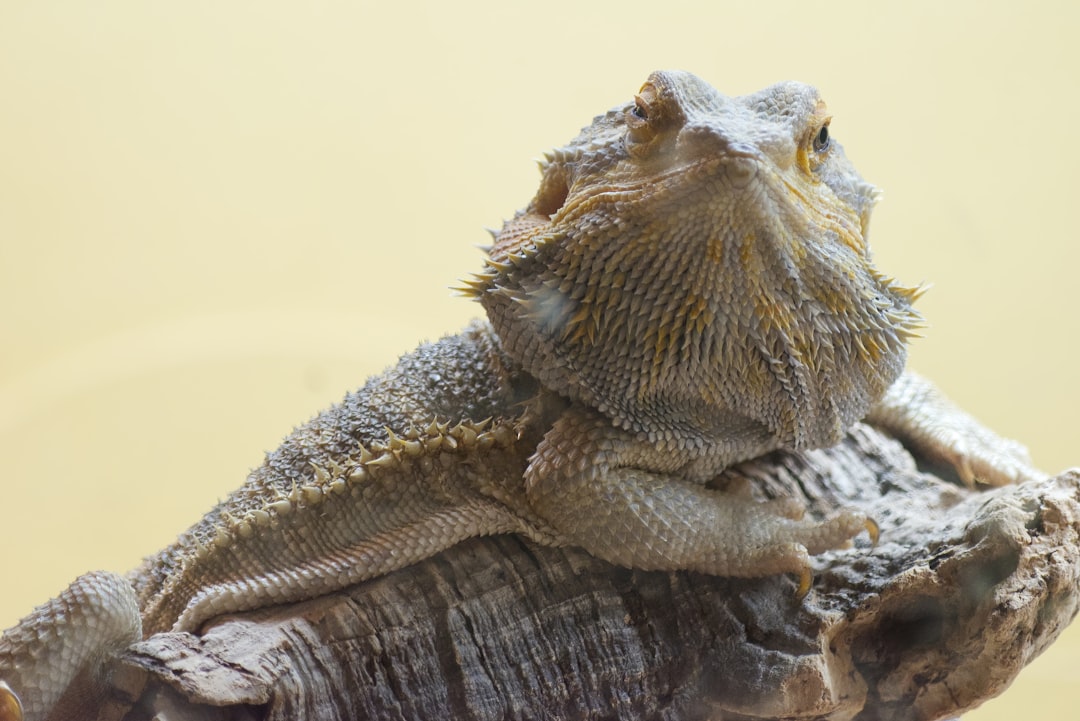
- Bearded Dragons: Highly active foragers that need a distinct temperature gradient.
- Ball Pythons: Often misunderstood as sedentary, adult ball pythons actively hunt and explore at night.
- Blue-Tongue Skinks: Heavy-bodied ground dwellers that require deep substrate and wide roaming spaces.
- Corn Snakes & Rat Snakes: Active, semi-arboreal snakes that utilize both the length and height of an enclosure.
The True Value of Space
You might wonder why exactly a larger footprint is so crucial. The enrichment benefits of 4 foot enclosures are profound. In the wild, reptiles travel significant distances to hunt, bask, and hide. A 4x2x2 space allows for proper thermoregulation—meaning you can create a hot basking zone on one side and a genuinely cool zone on the other. In smaller tanks, the heat simply bleeds across the entire setup, forcing the animal to sit in a uniformly warm box, which can lead to dehydration and stress. Furthermore, the 24-inch height allows for the addition of climbing branches, elevated basking platforms, and deep substrate layers that provide critical mental and physical stimulation.
Choosing the Right Materials: Setting the Foundation
Before you start planning the interior, you need to choose the actual structure. Modern reptile enclosures are built from a variety of materials, each with its own specific use cases.
Material Matchup
When weighing your options, the debate of PVC versus melamine reptile cages frequently arises.
- Melamine: Melamine is essentially particleboard coated with a plastic finish. While it is incredibly sturdy and holds heat well, it is also notoriously heavy. Furthermore, if the plastic coating scratches and moisture seeps into the wood beneath, melamine will swell, rot, and ultimately fall apart.
- PVC (Polyvinyl Chloride): PVC is the modern champion of reptile enclosures. It is waterproof, incredibly lightweight, retains heat effectively, and will never rot. For these reasons, PVC is almost universally recommended for both desert and tropical setups.

If you prefer the natural aesthetic of wood or are building a custom DIY enclosure, moisture management becomes your biggest hurdle. If you are wondering how to seal a wood terrarium for high humidity, the process requires meticulous waterproofing. You must coat the interior wood with multiple layers of a non-toxic, animal-safe sealant—such as water-based polyurethane, drylok, or aquarium-grade silicone for the seams. You must allow it to cure fully in a well-ventilated area until there are absolutely no lingering fumes before introducing your pet.
Finally, if your collection is growing, PVC and high-grade wood setups often serve perfectly as stackable reptile cages for multiple pets. Because they are solid-sided and feature sturdy frames, you can safely stack two or three enclosures vertically using spacers, maximizing your floor space while maintaining a sleek, professional-looking reptile room.
Designing the Shell: Tops and Doors
Once you have settled on a material, the next decisions revolve around accessibility and airflow.
Access: Stress-Free Interactions
The debate between front opening versus top opening enclosures is easily settled by looking at reptile psychology. Most natural predators of reptiles (like birds of prey) attack from above. When you reach into a top-opening glass tank to pick up your pet, you are mimicking a predator's strike, triggering an instinctual fear response. Front-opening doors allow you to approach your animal at eye level, significantly reducing handling stress and making taming much easier. Additionally, front-opening doors make spot-cleaning, feeding, and water changes incredibly convenient, especially if the cages are stacked.
Tops: Airflow vs. Humidity Retention
You must also decide between screen top vs solid top reptile cages.
- Screen Tops: Ideal for arid species like bearded dragons. They provide maximum ventilation and allow you to easily place your lighting fixtures on top of the cage. However, they allow heat and humidity to escape rapidly.
- Solid Tops: Ideal for tropical species like ball pythons or boas. A solid PVC or wood top will trap moisture and heat inside. The caveat is that you will need to mount your lighting and heating elements internally.
Building Your Habitat: Assembly Demystified
Ordering a 4-foot enclosure usually means receiving a heavy flat box at your doorstep. If you are intimidated by the build process, don't be. Here is a brief PVC reptile enclosure assembly guide to get you started.
When assembling a flat pack reptile enclosure, preparation is key.
- Inventory and Prep: Lay out all panels, screws, and hardware. Identify the bottom panel (usually the one with a deep substrate lip) and the top panel (which may have pre-drilled vents or screen cutouts).
- Assemble the Base and Sides: Using a power drill on a low torque setting (to avoid stripping the PVC), attach the back panel to the bottom panel. Then, attach the two side panels.
- Secure the Top: Place the top panel onto the structure and screw it in securely.
- Seal for Waterproofing: Before installing the glass doors, use 100% silicone (without mold inhibitors) to seal the inside bottom edges and up the sides by about six inches. This prevents liquids, such as spilled water or liquid waste, from seeping out of the cracks. Let it cure for 24 to 48 hours.
- Install Doors: Finally, slide in the front glass or acrylic sliding doors, install any locks, and add the door handles.

Perfecting the Climate: Lighting, Heating, and Humidity
With the box built, you must now bring the environment to life. The 24-inch height of a 120-gallon tank presents unique challenges and exciting opportunities for climate control.
Illuminating the Habitat
Proper lighting is non-negotiable, particularly for diurnal species that require ultraviolet light to synthesize Vitamin D3 and process calcium. Figuring out the optimal UVB lighting placement for 24 inch height requires attention to detail.
Because the floor is two feet away from the ceiling, standard T8 bulbs or compact fluorescent coils will not push enough UVB down to the animal. You will need a high-output T5 linear UVB fixture.
- If you have a screen top, the screen mesh blocks about 30-40% of the UVB rays. You will likely need a higher-strength bulb (like a 12% or 14% output) resting directly on the screen, with a basking branch bringing the animal 12-15 inches away from the bulb.
- If you mount the fixture inside a solid-top enclosure, there is no screen blocking the rays. You might use a 6% or 10% bulb, keeping the animal 14-18 inches below the fixture to prevent overexposure. Always reference the manufacturer's Ferguson Zone distance charts for your specific species.
Bringing the Heat
For internal heating, you need safe heat lamp mounting options for PVC habitats. You cannot simply screw a bare heat bulb into plastic. You must use ceramic light sockets, securely bolted through the ceiling of the PVC. Furthermore, because the bulb is inside the tank with the animal, you must install a wire safety cage around the heat bulb to prevent a climbing snake or leaping lizard from burning themselves. Alternatively, Radiant Heat Panels (RHPs) are fantastic for solid PVC enclosures. They screw flat against the ceiling, emit a gentle, sun-like infrared heat, and rarely get hot enough to cause contact burns.
Managing Moisture
For keepers of tropical species, figuring out how to maintain humidity in large PVC tanks is a common hurdle, though PVC makes it much easier than glass. To keep humidity in the 70-80% range:
- Use a moisture-retaining substrate like cypress mulch, coconut husk, or organic topsoil.
- Provide a deep, wide water dish placed near (but not directly under) the heat source to promote evaporation.
- If you have a screen top, cover 70% of the screen with HVAC tape or a custom-cut PVC panel to trap the moisture.
- Implement a misting system or fogger on a timer, ensuring the enclosure has a chance to dry out slightly between mistings to prevent respiratory infections and mold.

Interior Design: Substrate, Decor, and Bioactive Setups
Now comes the fun part: decorating. A 4x2x2 space offers incredible creative freedom.
The Foundation: Substrate
One of the greatest advantages of these large habitats is the ability to provide proper substrate depth for burrowing species in large tanks. Many standard glass tanks have a front lip of only two inches, making it impossible to add deep dirt. High-quality reptile habitats 4x2x2 usually feature a front lip of at least four to six inches. This allows you to dump in massive amounts of substrate. Blue-tongue skinks, hognose snakes, and monitor lizards thrive when given 4 to 6 inches of soil to dig extensive tunnel networks, fulfilling their natural burrowing instincts.
Setting Up a Desert Oasis
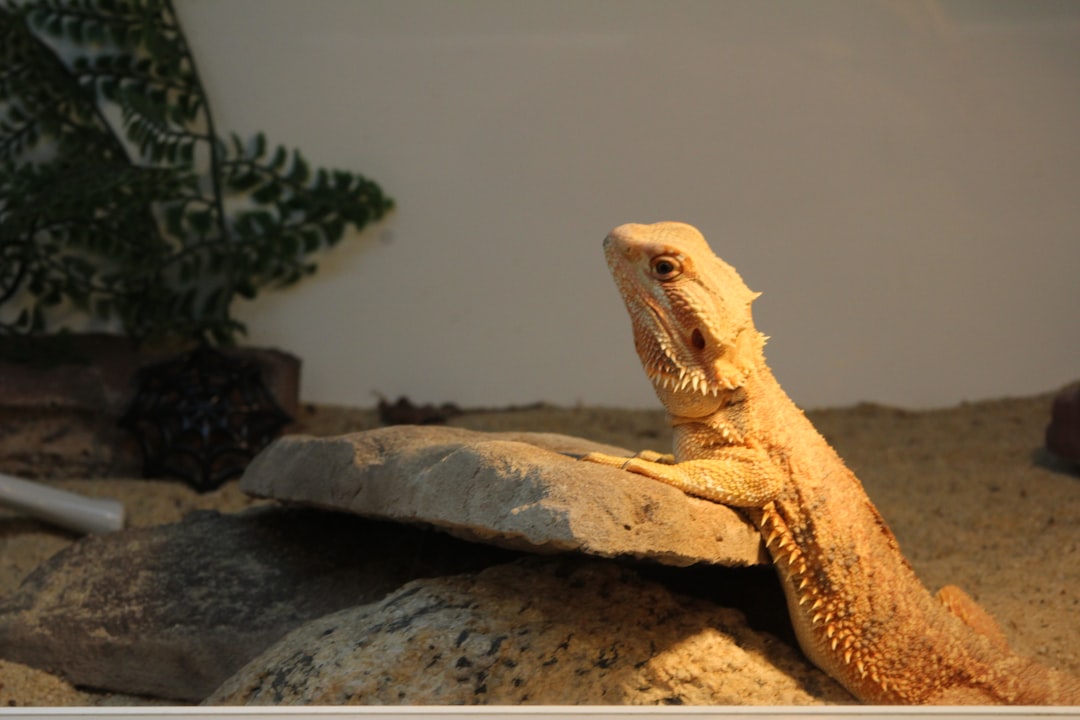
If you are designing the best 120 gallon bearded dragon enclosure, you will want an arid, rocky landscape. Use a substrate mix of 50% organic topsoil and 50% play sand. Create a highly elevated basking zone on the hot side using large slate rocks or thick, sturdy branches. Slate absorbs heat efficiently, providing belly heat while the heat lamp provides back heat. On the cool side, provide ample ground hides, faux plants, and perhaps a dig box if you prefer a solid floor like slate tile for the rest of the enclosure.
The Ultimate Goal: Going Bioactive
For the advanced keeper, the size of a 120-gallon tank makes it the perfect candidate for a self-sustaining ecosystem. A bioactive setup for large scale enclosures utilizes live plants, deep organic soil, and microfauna to break down animal waste, essentially creating a slice of nature in your living room.
To create a bioactive 4x2x2 setup:
- The Drainage Layer: Add 2 inches of clay hydroballs at the bottom, covered by a landscape fabric mesh. This prevents the soil from becoming waterlogged.
- The Substrate: Add 4 to 6 inches of a bioactive soil mix (topsoil, peat moss, sand, and orchid bark).
- The Clean-Up Crew: Introduce isopods (like Dairy Cows or Zebra isopods) and springtails. These tiny bugs will eat mold, fungus, and reptile feces.
- Leaf Litter & Plants: Cover the ground with dried oak or magnolia leaves to feed the isopods. Plant hardy, reptile-safe live plants like Pothos, Sansevieria (Snake Plants), or Bromeliads. You will need an LED plant grow light to keep the vegetation thriving.
Creating a fully realized bioactive environment is perhaps the ultimate expression of modern reptile keeping. It requires patience and a bit of a green thumb, but the result is a beautiful, low-maintenance, and odor-free habitat that provides infinite enrichment for your pet.
Conclusion
Upgrading your pet to spacious reptile habitats 4x2x2 is one of the most rewarding decisions you can make as a keeper. The jump to a 120-gallon space isn't just about giving an animal room to stretch; it is about drastically improving their quality of life. From creating flawless temperature gradients and installing deep burrowing substrates to exploring the fascinating world of bioactive ecosystems, the possibilities are virtually endless.
Whether you opt for a sleek, stackable PVC unit or a beautifully sealed wooden display cage, taking the time to properly design, assemble, and tune your new enclosure guarantees a thriving, healthy pet. Embrace the space, get creative with your internal landscaping, and enjoy the incredible behavioral changes you are bound to see in your scaly companion.

Written by Talis Us


Leave a comment
This site is protected by hCaptcha and the hCaptcha Privacy Policy and Terms of Service apply.