


Slow Eater? Try These Reptile Food Options for Your Pet
Are you the proud owner of a reptile who just can't seem to get enough to eat? Or maybe your scaly friend takes their sweet time when it comes to mealtime. If this sounds familiar, don't worry - you're not alone! Many reptile owners face the challenge of getting their pets to eat enough, whether it's due to a slow metabolism, picky eating habits, or some other reason.
But fear not, my fellow reptile enthusiasts! In this blog post, we're going to explore some delicious and nutritious reptile food options that are perfect for the slow eater in your life. From tasty insects to nutrient-packed greens, we've got you covered. So, let's dive in and find the perfect meal plan for your reptilian companion!
Understanding Reptile Feeding Habits
Before we get into the nitty-gritty of reptile food options, it's important to understand the unique feeding habits of these fascinating creatures. Reptiles, unlike their mammalian counterparts, have a much slower metabolism and don't require as much food to sustain themselves.
This means that they often take their time when it comes to eating, savoring each bite and making the most of their meal. Some reptiles, like certain species of turtles and tortoises, are known to be particularly slow eaters, taking several hours or even days to finish a single meal.
While this may seem frustrating to us as pet owners, it's important to remember that this is a natural and healthy behavior for reptiles. Forcing them to eat more or faster can actually be detrimental to their health, so it's crucial to find ways to accommodate their slower eating habits.
Insect-Based Reptile Food Options
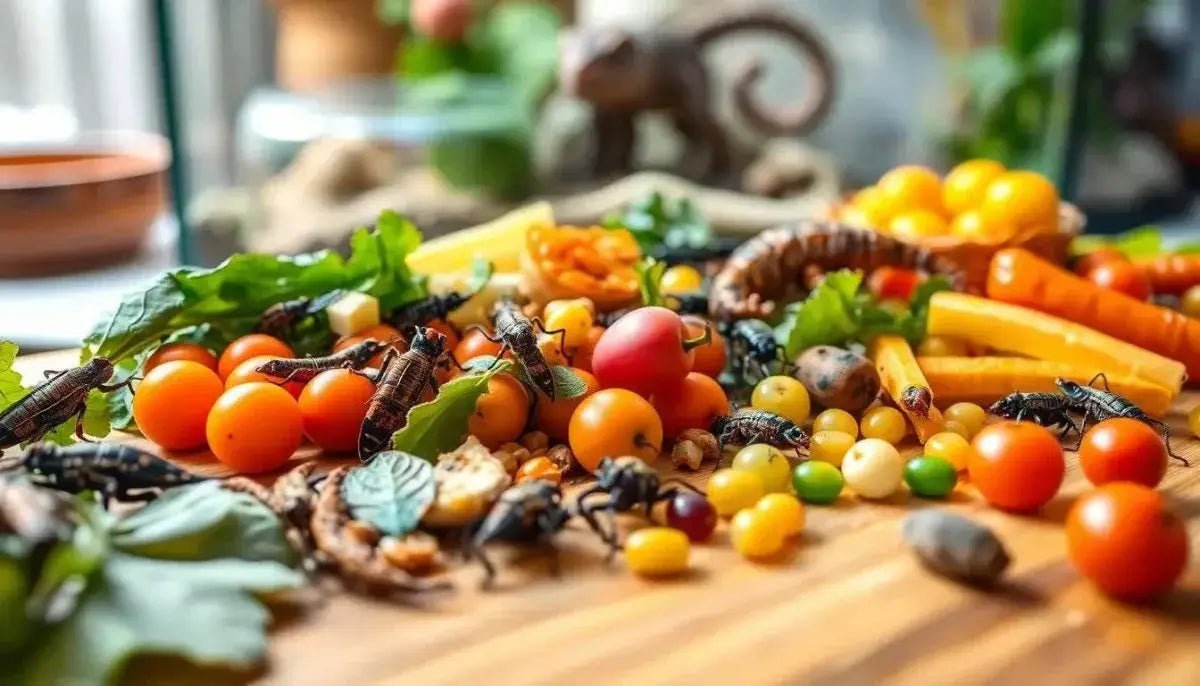
One of the most popular and nutritious food options for reptiles is insects. Crickets, mealworms, waxworms, and other creepy-crawlies are packed with protein, vitamins, and minerals that are essential for a reptile's health.
For the slow eater in your life, consider offering a variety of insect-based foods that can be consumed at their own pace. Here are a few options to try:
Dubia Roaches
Dubia roaches are a fantastic choice for reptiles who take their time at mealtime. These hardy insects are easy to digest and can be offered in a variety of sizes to accommodate your pet's preferences. Plus, they're relatively slow-moving, which can make them more appealing to a reptile who likes to take their time.
Hornworms
Hornworms are another great insect option for slow-eating reptiles. These plump, juicy caterpillars move at a leisurely pace, making them easy for your pet to track and consume. They're also packed with moisture, which can be especially beneficial for reptiles who need to stay hydrated.
Silkworms
Silkworms are a delicious and nutritious treat that many reptiles find irresistible. These slow-moving insects are easy for even the most tentative eaters to catch and consume, and they're a great source of protein and other essential nutrients.
Vegetable-Based Reptile Food Options
While insects are a staple in many reptile diets, it's also important to incorporate a variety of plant-based foods into your pet's meal plan. Vegetables and greens can provide essential vitamins, minerals, and fiber that can help keep your reptile healthy and happy.
For the slow eater in your life, consider offering a selection of chopped or shredded veggies that can be easily grazed on throughout the day. Here are a few options to try:
Collard Greens
Collard greens are a nutrient-dense leafy green that many reptiles find irresistible. They're high in calcium and other essential vitamins and minerals, and their sturdy texture makes them easy for slow eaters to nibble on.
Butternut Squash
Butternut squash is a sweet and creamy vegetable that's packed with vitamins A and C, as well as other important nutrients. Slow-eating reptiles often enjoy the soft, easy-to-chew texture of this veggie.
Carrots
Carrots are a crunchy and flavorful option that can be a great addition to your reptile's diet. They're high in beta-carotene and other vitamins, and their firm texture can be appealing to slow eaters.
Incorporating Variety and Enrichment
When it comes to feeding a slow-eating reptile, it's important to remember that variety is key. Offering a diverse selection of foods, both insect-based and plant-based, can help keep your pet engaged and interested in their meals.
Additionally, incorporating enrichment activities into your reptile's feeding routine can help stimulate their natural foraging behaviors and encourage them to take their time with their meals. Try hiding their food in different areas of their enclosure or using puzzle feeders to make mealtime more challenging and engaging.
Remember, every reptile is unique, so it may take some experimentation to find the perfect food options and feeding strategies for your slow eater. But with a little patience and creativity, you can ensure that your scaly friend is getting all the nutrients they need to thrive.
So, there you have it – a comprehensive guide to feeding the slow eater in your life. Whether you've got a tortoise, a lizard, or a snake, these reptile food options are sure to keep your pet happy, healthy, and satisfied. Happy feeding!
Additional Resources

Written by Talis Us



Leave a comment
This site is protected by hCaptcha and the hCaptcha Privacy Policy and Terms of Service apply.