


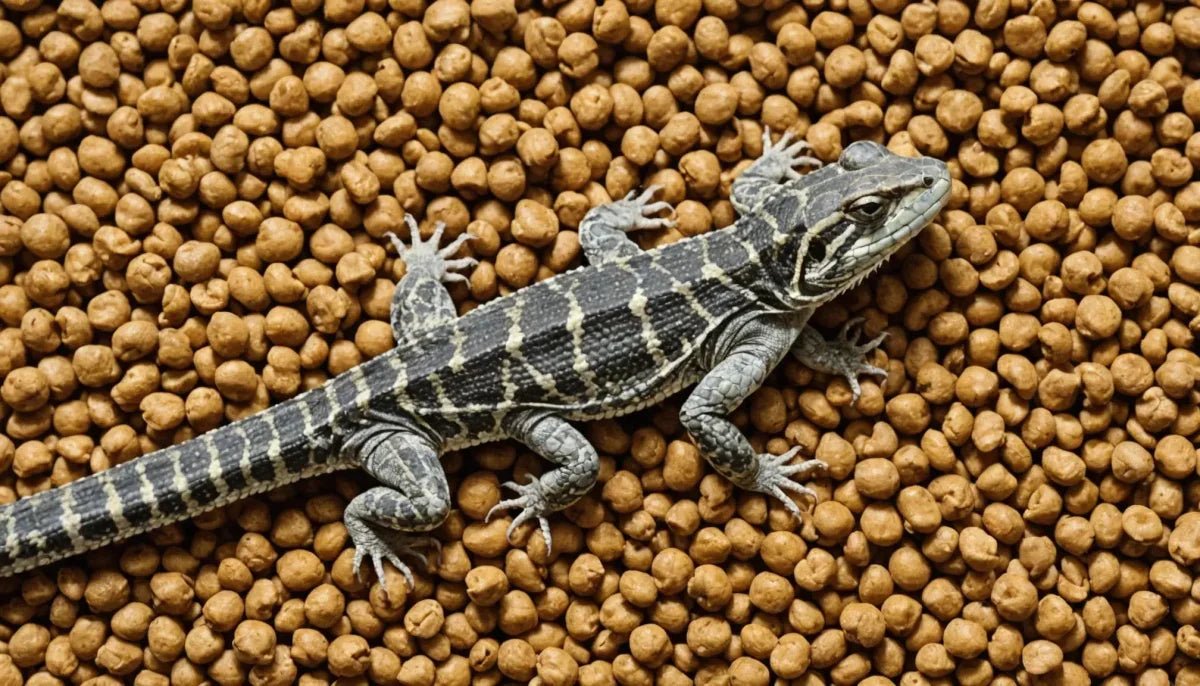
Crunchy Reptile Food: Adding Texture to Your Pet's Diet
Texture Diversity in Reptile Nutrition

Texture diversity forms the cornerstone of optimal reptile nutrition, catering to the unique dietary needs of our scaly companions. Embracing a world where crunchy elements reign supreme, we uncover the secrets to enhancing your pet's well-being through a textured diet. From supporting dental health to stimulating natural feeding behaviors, the incorporation of varied textures offers a gateway to a more enriching and balanced nutritional experience for your reptilian friends. Join us as we explore the realm of textured nutrition for reptiles, where each bite brings forth a world of benefits and considerations, ensuring a vibrant and fulfilling diet for your beloved pets.
Exploring Crunchy Reptile Food
What is Crunchy Reptile Food?
Crunchy reptile food refers to a variety of dry, textured food options designed to meet the dietary needs of reptiles. These foods often come in the form of pellets, sticks, or flakes and are formulated to provide essential nutrients for the health and well-being of your pet reptile.
Types of Crunchy Reptile Food Available
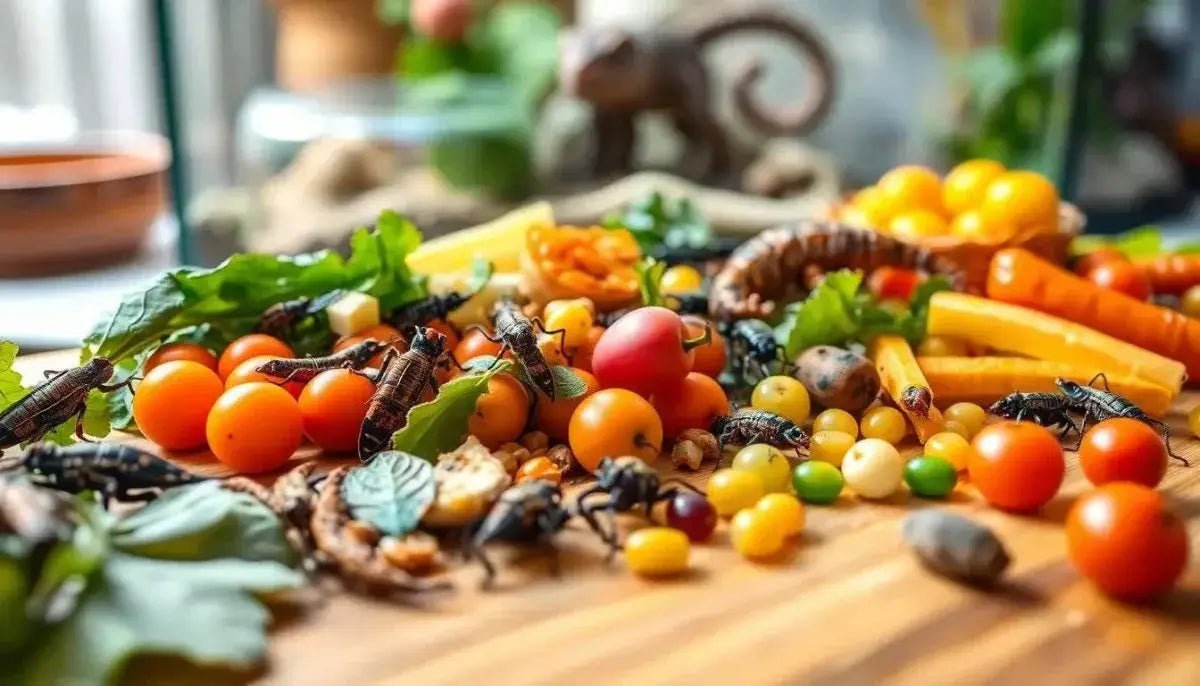
There are several types of crunchy reptile food available in the market, each tailored to meet specific reptile species' nutritional requirements. Some common types include insect-based pellets, vegetable and fruit mixtures, fortified calcium supplements, and even specially formulated treats. Insect-based pellets are rich in protein and mimic the natural diet of insectivorous reptiles like bearded dragons and leopard geckos. Vegetable and fruit mixtures are ideal for herbivorous reptiles such as iguanas and tortoises, providing a blend of vitamins and fiber essential for their diet. Fortified calcium supplements are crucial for reptiles that require additional calcium for bone health, such as chameleons and turtles. Special treats like mealworms or dried fruits can be given occasionally to add variety and enrichment to your pet's diet.
Benefits of Adding Crunchy Food to Your Pet's Diet
Adding crunchy food to your pet reptile's diet can offer various benefits beyond just nutrition. These foods are often enriched with vitamins, minerals, and other essential nutrients that may be lacking in fresh or live food options. The crunchy texture of these foods also promotes dental health by encouraging natural chewing behavior, helping to maintain strong jaw muscles and reduce the risk of dental issues such as overgrown teeth or malocclusion. Furthermore, incorporating crunchy food into your reptile's diet can provide mental stimulation and prevent boredom, as the act of foraging and crunching on textured food engages their natural instincts and behaviors.
Exploring crunchy reptile food options can be a rewarding experience for both you and your pet. By understanding the importance of incorporating these foods into your reptile's diet and selecting the right options tailored to their species and individual needs, you can contribute significantly to your pet's overall health, well-being, and quality of life.
How to Incorporate Crunchy Reptile Food
Transitioning Your Pet to Crunchy Food
Transitioning your pet to crunchy reptile food can be a gradual process. Start by mixing a small amount of the new crunchy food with their current diet. Increase the proportion of crunchy food over several days until they are fully transitioned. Monitor your pet's reaction and adjust as needed.
Feeding Guidelines and Tips
-
Proper Sizing : Ensure that the crunchy food is an appropriate size for your reptile to prevent choking or digestive issues.
-
Variety : Offer a variety of crunchy food options to provide a well-rounded diet. This can include insects, vegetables, and commercial reptile food.
-
Fresh Water : Always provide fresh water for your pet to stay hydrated, especially when transitioning to a new diet.
-
Monitor Behavior : Watch your reptile's behavior and appetite during the transition period. Any significant changes may require adjustments to the feeding plan.
Incorporating crunchy reptile food into your pet's diet can offer nutritional benefits and enrichment. By following these guidelines and being attentive to your pet's needs, you can ensure a smooth transition and a healthy diet for your reptile.
Importance of Calcium
Calcium is an essential mineral for reptiles, aiding in bone health and muscle function. When introducing crunchy reptile food, ensure that it is calcium-rich to support your pet's overall well-being. Some reptiles may require additional calcium supplements, so consult with a veterinarian for specific recommendations based on your pet's species and needs.
Temperature and Feeding Schedule
Maintaining the correct temperature in your reptile's habitat is crucial for digestion and metabolism. Adjust the feeding schedule based on your pet's activity level and age. Younger reptiles may require more frequent meals, while adult reptiles can follow a more structured feeding routine. Monitor their weight and energy levels to fine-tune the feeding schedule accordingly.
Handling Picky Eaters
Some reptiles may be picky eaters when it comes to crunchy food. Experiment with different textures and flavors to entice your pet. You can try offering live insects, dried varieties, or even homemade treats to add variety to their diet. Be patient and persistent in finding options that your reptile enjoys while still meeting their nutritional needs.
Consulting a Reptile Expert
If you encounter challenges or have specific concerns about incorporating crunchy reptile food, don't hesitate to seek advice from a reptile specialist or an experienced veterinarian. They can offer tailored recommendations and solutions to ensure that your pet receives the best care and nutrition possible.
By implementing these additional strategies and insights alongside the feeding guidelines, you can create a comprehensive plan for incorporating crunchy reptile food into your pet's diet successfully.
DIY Crunchy Reptile Food Recipes
Simple Homemade Crunchy Treats
Reptiles, like any other pet, deserve a tasty treat every now and then. Making your own crunchy reptile treats can be a fun and rewarding experience. Here are a few simple recipes you can try at home:.
-
Mealworm Delight : A crunchy mix of mealworms, oats, and a dash of honey, baked to perfection.
-
Veggie Crunch : A blend of dehydrated vegetables like carrots, peas, and sweet potatoes, seasoned and baked until crispy.
-
Fruit & Nut Bites : Diced fruits like apples and berries mixed with nuts and seeds, baked for a fruity crunch.
Ingredients to Avoid in DIY Recipes
While making homemade treats for your reptile can be enjoyable, it's crucial to be mindful of the ingredients you use. Some ingredients that are safe for humans may be harmful to reptiles. Here are a few common ingredients to avoid:.
-
Processed Sugars : Avoid using processed sugars like white sugar or artificial sweeteners as they can be harmful to reptiles.
-
High-Fat Foods : Reptiles have specific dietary requirements, and high-fat foods like certain nuts or fatty meats can lead to health issues.
-
Seasonings and Spices : While a pinch of seasoning might seem harmless, many spices can be toxic to reptiles. Stick to plain, natural ingredients.
Importance of Nutritional Balance in Reptile Diet
Ensuring your reptile's diet is nutritionally balanced is essential for their overall health and well-being. While crunchy treats can be a fun addition to their diet, they should not replace the essential nutrients provided by their main meals.
Reptiles require a mix of proteins, vegetables, fruits, and sometimes insects to meet their dietary needs. When creating DIY crunchy reptile treats, consider incorporating ingredients that offer nutritional value while still providing the desired crunch.
Safe Baking Practices for Reptile Treats
When baking homemade reptile treats, it's important to follow safe practices to avoid contamination and ensure the treats are safe for your pet. Here are some tips:.
-
Use separate utensils and cooking equipment for your reptile's treats to prevent cross-contamination with human food.
-
Wash all fruits and vegetables thoroughly before use to remove any pesticides or residues that could be harmful to your reptile.
-
Monitor the baking time and temperature closely to prevent burning and ensure the treats achieve the desired crunchiness without becoming too hard.
By following these tips and paying attention to your reptile's dietary needs, you can create delicious and crunchy treats that are not only enjoyable but also beneficial for your scaly companion's health and happiness.
Safety Measures and Considerations
Ensuring Digestibility and Chewing Ability
- Importance of Selecting Appropriate Food Textures
- Choosing the Right Size and Shape of Food
- Ensuring the Food is Easy to Chew
- Considering Dental Health in Food Selection
Monitoring Your Pet's Response to New Food
- Introducing New Food Gradually
- Observing for Any Signs of Allergies or Sensitivities
- Consulting with a Veterinarian if Any Concerns Arise
Benefits of Tailored Nutrition for Your Pet
Proper nutrition is the foundation of your pet's overall health and well-being. Tailoring your pet's diet to meet their specific needs can have numerous benefits, including:.
-
Improved Digestive Health: Choosing food textures that are easily digestible can aid in proper digestion and reduce the risk of gastrointestinal issues.
-
Dental Health Maintenance: Selecting foods that promote dental health, such as dental chews or kibbles designed to reduce plaque and tartar buildup, can contribute to your pet's oral hygiene.
-
Weight Management: Providing a balanced diet that meets your pet's nutritional requirements can help prevent obesity and maintain a healthy weight, reducing the risk of obesity-related health issues.
-
Allergy Prevention: By monitoring your pet's response to new foods and being aware of potential allergens, you can help prevent allergic reactions and sensitivities.
Nutritional Considerations for Different Life Stages
As pets age, their nutritional needs change. Understanding the specific requirements of different life stages can help you provide the best diet for your furry companion:.
-
Puppy/Kitten Stage: Young animals require diets rich in essential nutrients for growth and development. Look for specially formulated puppy or kitten food to support their rapid growth.
-
Adult Stage: Adult pets need a balanced diet to maintain their health and energy levels. Consider factors such as activity level, size, and breed when selecting their food.
-
Senior Stage: Older pets may benefit from diets tailored to support joint health, cognitive function, and overall vitality. Foods with added supplements like glucosamine or omega-3 fatty acids can be beneficial.
Conclusion
Your pet's safety and well-being are closely linked to the quality of their diet. By prioritizing safety measures such as ensuring digestibility, monitoring their response to new foods, and considering their individual nutritional needs, you can promote a healthy and happy life for your furry friend.
Conclusion
Incorporating crunchy reptile food into your pet's diet is a simple yet effective way to enhance their feeding experience and provide essential nutrients. By diversifying their meals with a variety of textures, you can promote dental health, stimulate natural foraging behaviors, and ensure a well-rounded nutritional intake for your beloved reptile companion. Remember to consult with a veterinarian or exotic pet specialist to determine the best options for your specific reptile species.



Leave a comment
This site is protected by hCaptcha and the hCaptcha Privacy Policy and Terms of Service apply.