



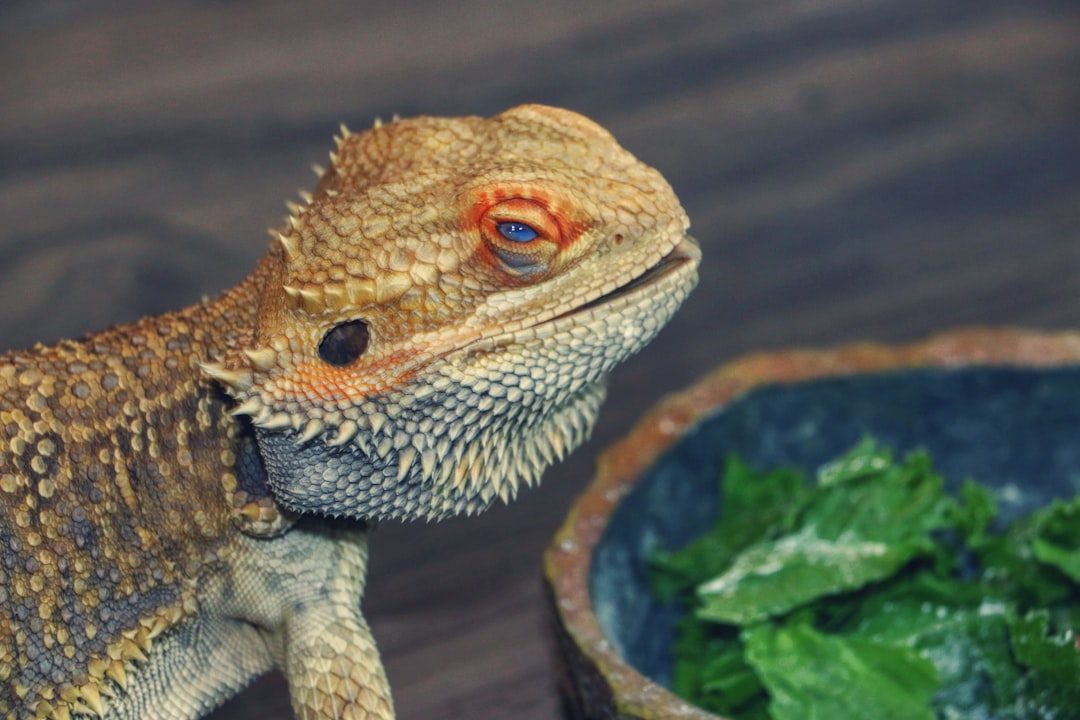
Essential Foods for Bearded Dragons' Diet
Essential Foods for Bearded Dragons' Diet
Bearded dragons are fascinating reptiles with unique dietary needs. Understanding what they can eat is crucial for their health.
These omnivores require a mix of plant and animal foods. A balanced diet ensures they thrive and stay active.
Leafy greens, fruits, and insects form the core of their meals. Each food type plays a vital role in their nutrition.
Owners must be aware of safe and unsafe foods. Some foods can be harmful or even toxic to bearded dragons.
Proper hydration and supplements are also essential. They help prevent common health issues like metabolic bone disease.
This guide will explore the essential foods for a healthy bearded dragon diet.
Understanding the Bearded Dragon Diet
Bearded dragons are omnivores, which means they eat both plants and animals. This diverse diet supports their complex nutritional needs and promotes healthy growth.

A balanced diet is crucial for their well-being. It should include vegetables, greens, protein sources, and occasional fruits. Each category offers different nutrients essential for their health.
The key is variety. Offering a range of foods ensures they receive all necessary vitamins and minerals. This approach also keeps them interested in their meals.
Here's a quick breakdown of their dietary components:
- Leafy greens: Collard greens, mustard greens, dandelion greens
- Vegetables: Squash, bell peppers, carrots
- Proteins: Crickets, mealworms, dubia roaches
- Fruits: Apples, blueberries, strawberries
Hydration is an often-overlooked component. Always provide fresh water and consider misting veggies to boost fluid intake. Understanding these aspects helps owners maintain a happy, healthy dragon.
Life Stages and Dietary Needs
Bearded dragons have unique dietary needs at different life stages. Understanding these stages helps provide proper nutrition tailored to their growth.

Juvenile dragons require higher protein intake to support rapid growth and energy needs. As they age, their diet should shift to include more vegetables and fewer proteins.
Here's a general guideline for each stage:
- Juveniles: High protein, moderate greens
- Sub-adults: Balanced protein and greens
- Adults: More greens, less protein
This shift ensures they develop strong bones and a healthy metabolism. Be aware that individual dragons may have unique needs.
Adjust their diet based on their health and activity levels. Monitoring their weight and body condition can guide these adjustments. Providing the right nutrients at each life stage sets the foundation for a long, healthy life.
Juvenile Bearded Dragons
Juvenile bearded dragons thrive on a protein-rich diet. Protein fosters their rapid growth and high energy needs.
Insects are their primary source of protein. Offer crickets, mealworms, and small dubia roaches frequently.
- Proteins: 60-80% of the diet
- Vegetables: 20-40% of the diet
This ratio supports their muscle development and energy levels. For vegetables, opt for leafy greens like collards and mustard greens.
Ensure all insect prey is appropriately sized to prevent choking. Alongside the high protein content, hydration remains vital. Provide plenty of fresh water to meet their needs.
Adult Bearded Dragons
As bearded dragons mature, their dietary requirements shift. They need more vegetables and fewer proteins.
The protein intake drops because their growth slows down. Leafy greens and vegetables should dominate their diet.
- Greens and vegetables: 70-80% of the diet
- Proteins: 20-30% of the diet
Staple vegetables include collard greens, dandelion greens, and turnip greens. These provide essential nutrients and fiber.
Insects like crickets can still be offered but in smaller quantities. Adjust the diet based on their activity and overall health. Pay attention to any changes in weight or behavior to ensure their needs are met.
Staple Foods: Vegetables and Greens
Vegetables and leafy greens are pivotal in a bearded dragon's diet. They provide essential nutrients that support health and vitality.

Including a variety of these foods ensures a balanced diet. It's crucial to focus on nutrient-rich options that support growth and metabolism. Proper preparation and presentation of these foods can entice even picky eaters.
Choose vegetables low in oxalates and high in calcium. This helps with bone development and prevents metabolic bone disease. Always wash vegetables thoroughly to remove any pesticides or dirt.
Here are some staple options:
- Leafy Greens: Collard, mustard, and dandelion
- Vegetables: Squash, bell peppers, carrots
Ensure these foods make up a significant portion of an adult dragon's diet. By offering variety, you keep their meals interesting and healthy. Remember, a diverse diet is key to preventing nutritional gaps.
Safe Leafy Greens
Leafy greens are a great dietary staple for bearded dragons. Rich in calcium and vital nutrients, they boost health.
It's important to rotate the types of greens to provide balanced nutrition. Here’s a list of safe leafy greens:
- Collard greens
- Mustard greens
- Dandelion greens
These greens are highly nutritious and readily available. They should be the primary component of a balanced vegetable diet. Always wash them well to eliminate pesticides and contaminants. Chop them into bite-sized pieces for easy consumption.
Other Nutritious Vegetables
Aside from leafy greens, other vegetables can diversify your bearded dragon's diet. These provide vitamins, minerals, and fiber.
Incorporate these vegetables into their meals regularly. They contribute to overall well-being and digestion. Here's a list of nutritious vegetables:
- Squash
- Bell peppers
- Carrots
These vegetables complement the leafy greens and add variety to their meals. Ensure they are sliced into manageable pieces. Steaming can soften them if necessary, making them easier to digest. Always introduce new vegetables slowly to monitor any reactions.
Protein Sources: Insects and Animal Matter
Protein plays a critical role in the growth and development of bearded dragons. Insects and animal matter provide the necessary protein content they require.

Insects should be a staple in the diet, especially for juveniles. They help fuel growth and provide energy.
It's important to offer a variety of protein sources to maintain interest and nutrition. Live insects are more stimulating and nutritious than dried ones. Avoid wild-caught insects due to potential pesticide exposure and parasites.
Adding occasional animal proteins can diversify their diet. It should not, however, replace insect proteins entirely. Proper preparation and portion control are essential to prevent health issues.
Recommended Insects
Insects are the cornerstone of a protein-rich diet for bearded dragons. They should be sourced responsibly and fed regularly.
Here are some recommended insects for your bearded dragon:
- Crickets
- Mealworms
- Dubia roaches
These insects are nutritious and easy to gut-load, enhancing their benefits. Gut-loading involves feeding insects nutritious foods before offering them to your dragon. Doing this ensures they are packed with vitamins and minerals.
Occasional Animal Proteins
While insects form the bulk of the protein intake, occasional animal proteins can be beneficial. They provide diversity and additional nutrients.
Include these in moderation:
- Cooked eggs
- Lean chicken
When offering these proteins, ensure they are fully cooked and unseasoned. Small, bite-sized pieces are ideal to avoid choking hazards. These proteins are best served once a week as treats, supplementing the regular insect intake. Always monitor your dragon's health and adjust the diet if needed.
Fruits: Occasional Treats
Fruits can be delightful treats for bearded dragons. They are sweet and colorful, making them visually appealing. However, due to high sugar content, moderation is key.

A small quantity of fruit once or twice a week can add variety. It’s important to choose fruits that are safe and free from pesticides. Wash and chop them into manageable pieces to prevent choking.
Here are some safe fruits for your bearded dragon:
- Apples (without seeds)
- Blueberries
These fruits are nutritious but should not constitute the main part of the diet. Remember, balanced nutrition is crucial for your pet's health.
Some other fruits that can be offered as occasional treats include:
- Strawberries
- Papaya
Ensure fruit is fresh and avoid overripe options. Remove any uneaten pieces promptly to maintain hygiene and avoid attracting insects. Feeding fruits sparingly helps maintain weight and prevents sugar-related health issues.
Flowers and Edible Plants
Flowers and certain edible plants can be a delightful addition to your bearded dragon's diet. They provide variety and essential nutrients. Some flowers are both nutritious and colorful, adding appeal to the meal.
Incorporate these flowers sparingly, ensuring they are pesticide-free and safe for your pet. Always research to confirm the flowers are non-toxic.
Here are some safe flowers and plants for bearded dragons:
- Hibiscus
- Nasturtiums
- Dandelions
These can be offered occasionally and should complement the main diet of greens and protein. Varying the diet with flowers keeps feeding time engaging and prevents boredom.
Foods to Avoid
Bearded dragons cannot eat everything. Some foods can be harmful or even deadly. It's crucial to know what to avoid when preparing meals for your pet.
Toxic foods include:
- Avocado
- Rhubarb
- Fireflies
These can harm your dragon and should never be part of their diet. In addition to toxic foods, there are items that lack nutritional value.
Avoid feeding these:
- Iceberg lettuce
- Citrus fruits
Such foods might not be directly harmful, but they provide little benefit and can upset digestion. Awareness about these foods prevents potential health issues and ensures longevity. Always opt for nutritious food choices to maintain your dragon's well-being.

Supplements and Hydration
Proper supplementation is essential for a bearded dragon's well-being. These reptiles need calcium and vitamin D3 to support bone health. A regular schedule of supplements helps to prevent diseases like metabolic bone disease.
Supplements to include:
- Calcium powder
- Vitamin D3
Without these, your dragon can face severe health issues over time. In addition to supplements, hydration is crucial. Provide fresh water daily for your bearded dragon. You can mist their vegetables to encourage additional water intake.
Ensure water is easily accessible and check the bowl regularly for hygiene. Both supplements and proper hydration work together to maintain your bearded dragon’s health.

Feeding Frequency and Portion Sizes
Understanding the right feeding frequency and portion sizes is vital. This prevents obesity and ensures proper nutrition. Young dragons need more frequent meals than adults.
Juvenile dragons should eat several times a day. They have higher energy demands during growth. Adults, on the other hand, require fewer meals. Feeding them once daily or every other day is sufficient.
Portion sizes depend on the dragon's size and age. Always ensure foods are bite-sized to prevent choking. Proper meal sizing enhances digestion and overall health. Regularly monitor your dragon’s weight and adjust portions accordingly.
Preparing and Serving Bearded Dragon Food
Proper preparation and serving of bearded dragon food are crucial for their health. Always wash fruits and vegetables thoroughly before feeding. This removes any harmful chemicals or dirt.
Cut all food items into small, manageable pieces. This helps prevent choking and aids digestion. It's essential for your dragon's well-being.
Offer a variety of foods to keep meals interesting. Here's a quick list of preparation tips:
- Wash all produce thoroughly.
- Cut food into small, bite-sized pieces.
- Serve fresh and varied meals.

Sample Bearded Dragon Meal Plan
Creating a balanced meal plan is key to a bearded dragon's health. It ensures they get the necessary nutrients. A varied diet keeps your dragon interested.
Here's an example of a weekly meal plan:
- Monday: Insects and collard greens
- Wednesday: Kale and blueberries
- Friday: Dubia roaches and dandelion greens
Remember to adjust portions based on your dragon's age and size. Each dragon is unique, so observe their eating habits closely. Adjust accordingly for optimal health.

Common Feeding Mistakes to Avoid
Feeding mistakes can impact a bearded dragon's health significantly. It's crucial to know what to avoid. Understanding common errors can help prevent them.
Many owners unknowingly make these mistakes:
- Offering too much fruit, leading to excess sugar intake
- Feeding only insects, lacking vegetable nutrients
- Ignoring portion size, causing obesity
Avoiding these pitfalls contributes to a healthier diet. Stay informed and adjust feeding practices as your dragon grows. Observing your bearded dragon closely will help ensure its well-being.
Frequently Asked Questions
Bearded dragon owners often have many questions. Providing clear answers can ease concerns. Let's address some common queries.
How often should I feed my bearded dragon? It varies with age. Juveniles eat more often than adults.
Can bearded dragons eat spinach? Spinach should be limited due to oxalates that hinder calcium absorption.
What fruits are safe for dragons? Safe options include apples and berries in moderation.
Here’s a quick reference list:
- Juvenile feeding: Daily
- Adult feeding: Few times a week
- Safe fruits: Apples, blueberries, strawberries
Staying informed helps ensure your dragon’s well-being. Understanding these basics can make a big difference.
Conclusion: Building a Balanced Bearded Dragon Diet
Crafting a balanced diet for your bearded dragon is essential. It ensures their health and happiness. Remember, variety is key.
Include a mix of fresh vegetables, insects, and some fruits. This keeps your dragon interested and meets nutritional needs. Always prioritize safe, nutritious options.
Also, be attentive to their life stage-specific needs. Adjust their diet as they grow and age. A well-balanced diet promotes longevity and vibrant health in your bearded dragon.

Written by Talis Us


Leave a comment
This site is protected by hCaptcha and the hCaptcha Privacy Policy and Terms of Service apply.