



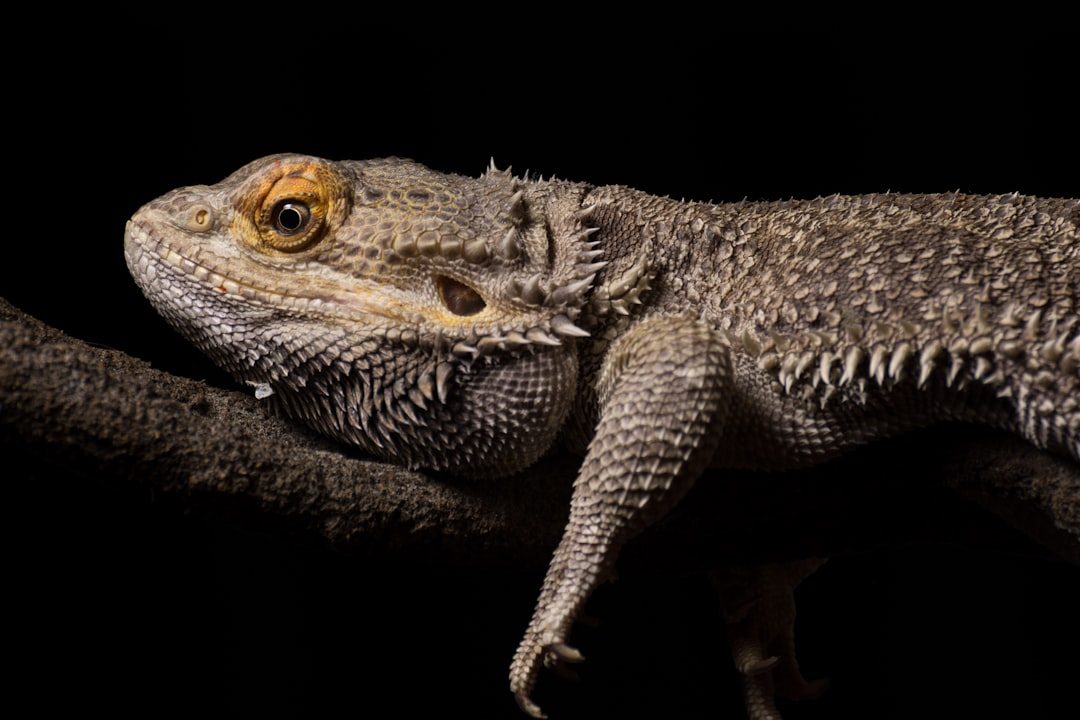
Creative Bearded Dragon Enclosure Designs
Creative Bearded Dragon Enclosure Designs
A well-designed bearded dragon space should be safe first, beautiful second, and easy to maintain every day. The best setups combine proper heat, lighting, ventilation, climbing zones, and simple cleaning access with a look that feels intentional in your home. Whether you are refreshing an existing bearded dragon tank or planning a new build, creative design works best when it supports natural behavior rather than just decorating the glass.
What makes a bearded dragon enclosure design successful?
A successful bearded dragon enclosure gives your reptile room to move, bask, hide, explore, and thermoregulate while making routine care straightforward for you. The layout should create a clear warm side and cooler side, offer stable basking surfaces, reduce stress with visual cover, and avoid materials that can trap moisture, crumble, or create sharp edges. Good design is not about filling every inch; it is about choosing the right features and placing them where they help your dragon use the habitat confidently.
Think of the enclosure as a small, functional landscape. Every branch, rock, hide, platform, background, and plant-like accent should have a purpose. If an item only looks good but blocks movement, makes cleaning harder, or interferes with heating and lighting, it probably does not belong.

Start with the needs of the habitat
Before choosing a theme, map out the essentials of a healthy bearded dragon habitat. Bearded dragons need access to warmth, UVB exposure, dry conditions, stable footing, and places where they can feel secure. A beautiful setup that ignores those basics can quickly become frustrating or unsafe.
The easiest way to plan is to divide the space into zones. One side should support basking and activity, while the other should allow cooling down and resting. Between those areas, your dragon should be able to move without squeezing through clutter or climbing unstable decor.
Use this planning checklist before adding decorative elements:
- Basking zone: A secure surface under the main heat source where your dragon can sit comfortably.
- Cool zone: An open, calmer area away from direct heat so your dragon can regulate body temperature.
- Hiding area: At least one snug retreat that feels sheltered but is still easy for you to inspect.
- Climbing structure: Branches, ramps, ledges, or rocks that are stable and appropriately textured.
- Open floor space: Enough clear room for walking, turning, and natural movement.
- Easy-clean access: Decor that can be lifted, wiped, or removed without dismantling the entire setup.
Once these basics are in place, the creative part becomes much easier. You can style the enclosure around the structure instead of forcing husbandry needs into a purely decorative scene.
Natural desert-inspired designs
A desert-inspired enclosure is one of the most popular bearded dragon enclosure ideas because it reflects the dry, sun-warmed look many keepers associate with the species. This style often uses sandy tones, slate, stone-like hides, cork, textured backgrounds, and sturdy branches. The result can feel warm and realistic without becoming complicated.
The key is restraint. A desert look does not require loose piles of dusty material or an overcrowded landscape. You can create the same visual effect with washable tile, textured liners, carefully selected rocks, and backgrounds that mimic stone or packed earth.
To build a natural desert theme, focus on layers:
- Base layer: Choose a practical flooring material that is stable, easy to clean, and safe for your dragon’s age and behavior.
- Structure layer: Add basking rocks, cork flats, branches, or ledges that create height and movement.
- Shelter layer: Include hides that blend into the scene, such as cave-style shelters or low wooden pieces.
- Accent layer: Use artificial succulents, neutral-toned decor, or textured backgrounds sparingly.
This approach makes the enclosure feel designed without turning maintenance into a chore. It also helps your dragon move between exposed basking areas and more sheltered zones throughout the day.
Modern minimalist enclosure layouts
Minimalist designs are ideal for keepers who want a clean, organized bearded dragon tank that looks polished in a living room, office, or bedroom. Instead of using lots of decor, this style relies on strong shapes, neutral colors, and a few high-quality functional pieces. The final result can be calm, attractive, and very easy to clean.
A minimalist layout might include a smooth stone-style basking platform, one sculptural branch, a low hide, and a simple background. The open space is part of the design. Bearded dragons are active, curious reptiles, and they benefit from being able to walk freely without bumping into unnecessary decorations.
This style works especially well when you choose materials with subtle texture. Flat, slippery surfaces can be uncomfortable, so aim for traction where your dragon climbs or basks. Natural wood, cork, textured resin decor, and stone-look platforms can all support the aesthetic while staying practical.
A minimalist enclosure should still feel enriching. If the setup looks empty, add function rather than clutter. A slightly elevated basking shelf, a second hide, or a branch angled from the floor to a platform can make the layout more useful while preserving the clean appearance.
How can you make a bearded dragon tank look natural without making it hard to clean?
You can create a natural-looking bearded dragon tank by using removable, washable features that imitate rock, wood, and dry terrain instead of relying on messy or fragile materials. Choose decor in coordinated earth tones, keep the floor plan open, and make sure every major item can be lifted out or wiped down. The most practical naturalistic enclosures look detailed at first glance but are built from a small number of durable, easy-care pieces.
One smart strategy is to use a background to create visual depth. A textured backdrop can make the enclosure feel complete without taking up much floor space. It also reduces the need for excessive decor, which helps preserve airflow and cleaning access.
You can also group elements in “islands.” For example, place a basking platform and branch together on the warm side, then keep the middle more open and add a hide on the cooler side. This gives the enclosure a natural flow while making it easier to spot clean around each zone.
For easier maintenance, consider these design habits:
- Keep heavy items on stable surfaces where they will not shift.
- Avoid tiny decorative pieces that can be swallowed, lost, or scattered.
- Use plants only as accents, and choose reptile-safe artificial options when in doubt.
- Leave enough space around hides and platforms for wiping the floor.
- Test the layout before finalizing it by opening doors, reaching corners, and removing items.
A natural enclosure should not require a full reset every time you clean. If it does, simplify the design.
Creative themed enclosure ideas
Themes can be fun as long as they do not compromise the animal’s needs. The safest themes are the ones that use color, background, and structure rather than novelty props. A bearded dragon does not need a miniature castle, jungle, or movie set, but you can borrow visual inspiration from those ideas and translate it into practical habitat features.
Canyon ledge theme
A canyon-inspired layout uses stacked-looking ledges, warm stone colors, and horizontal basking shelves. This design works well because it creates elevation without relying on steep climbs. Your dragon can bask, look around, and move between levels if the platforms are secure.
Keep ledges broad enough for comfortable resting and avoid narrow perches that force awkward balance. The visual effect can be dramatic even with only two or three main structures.
Dry woodland theme
A dry woodland layout uses cork bark, sturdy branches, muted browns, and a simple hide tucked beneath climbing decor. It feels more organic than a stone-heavy desert setup while still staying dry and open. This is a good choice if you like a natural look but want warmer wood textures.
Place branches at gentle angles and check that they cannot roll. If your dragon climbs often, provide routes that lead to useful destinations, such as a basking area or lookout spot, rather than random height.
Clean gallery theme
A gallery-style enclosure treats the habitat almost like a designed display. It may feature a matte background, coordinated flooring, one statement branch, and a few sculptural rocks. This style is visually simple, but it can still be enriching when the pieces are well placed.
The advantage is visibility. You can easily observe your dragon’s posture, appetite, shedding, and activity because the enclosure is not visually crowded.
Safety guides every design choice
Creative design should never outrank safety. Bearded dragons explore with their bodies, claws, and mouths, so the materials inside the enclosure need to be durable, stable, and appropriate for a warm, dry environment. Anything that flakes, splinters, melts, traps moisture, or tips easily should be avoided.
Pay close attention to height and fall risk. Bearded dragons can climb, but they are not always graceful. Platforms should be reachable, branches should be anchored, and tall features should not create dangerous drops onto hard decor.
Lighting and heat placement also shape the layout. Decor should not block UVB exposure or create unreachable basking spots. At the same time, your dragon should be able to leave the warm area when it wants to cool down. The design should make that choice obvious and easy.
Before introducing your dragon to a new setup, run a practical safety review:
- Press on every branch, rock, hide, and platform to check for wobbling.
- Look for gaps where toes, tails, or limbs could get caught.
- Remove sharp edges or rough points that could scrape skin.
- Confirm that the basking area is accessible and stable.
- Make sure cords, bulbs, and fixtures are protected from contact.
- Check that ventilation is not blocked by backgrounds or decor.
- Observe your dragon closely after changes to see how it uses the space.
A design that looks impressive but causes stress, slipping, overheating, or poor access is not finished yet.

Materials that balance style and function
The best enclosure materials are attractive, durable, and simple to sanitize. Many keepers are drawn to natural textures, but not every natural material is suitable. Found wood, outdoor rocks, and craft-store decorations may carry residues, pests, sharp spots, or finishes that do not belong in a reptile enclosure.
When in doubt, choose products intended for reptile use or materials you can properly clean and evaluate. Smooth does not always mean better, because your dragon needs traction. Porous does not always mean bad, but it can be harder to sanitize, so use it thoughtfully.
Useful material categories include:
- Stone-look platforms: Good for basking zones when they are stable and appropriately textured.
- Cork bark: Lightweight, natural-looking, and useful for hides or climbing accents.
- Reptile-safe branches: Great for enrichment when securely placed.
- Washable tile or solid flooring: Helpful for clean, modern layouts and routine maintenance.
- Textured backgrounds: Add depth without crowding the floor.
- Artificial succulents or dry grasses: Best used sparingly as visual accents, not obstacles.
Avoid designing only for photos. A habitat has to work on ordinary days, during shedding, after meals, and during quick cleanups. If a material cannot handle regular care, it may not be the right fit.
Designing for behavior, not just appearance
A strong bearded dragon habitat encourages normal behavior. Your dragon should have reasons to climb, bask, retreat, watch the room, and move through the enclosure. When those opportunities are built into the design, the habitat becomes more than a container.
Start by observing your dragon’s habits. Some bearded dragons love elevated basking areas, while others prefer broad, low surfaces. Some use hides often, while others choose partial cover where they can still see out. Design around the animal in front of you, not just an inspiration photo.
Small adjustments can make a big difference. A branch angled toward the basking zone can turn unused vertical space into an activity route. A hide placed partly under a ledge can feel more secure. A visual barrier on one side of the enclosure can help a nervous dragon feel less exposed.
If your dragon ignores a feature, ask why. It may be too steep, too unstable, too hot, too cool, or simply in the wrong location. Creative design is an ongoing process, and the best layouts often improve after a few rounds of observation.
Mistakes that make enclosure designs less effective
Many enclosure problems come from adding too much too quickly. It is easy to get excited by bearded dragon enclosure ideas online and try to recreate every detail. The better approach is to build a simple, safe layout first, then add enrichment slowly.
Common mistakes include:
- Overcrowding the floor: Too many items limit movement and make cleaning harder.
- Using unstable climbing decor: Loose branches or stacked rocks can shift unexpectedly.
- Prioritizing theme over function: Novelty props may look fun but offer little value.
- Blocking heat or UVB: Tall decor and bulky backgrounds can interfere with exposure.
- Creating only one useful zone: A good setup includes basking, cooling, hiding, and exploring areas.
- Choosing hard-to-clean materials: Complicated decor can turn basic maintenance into a major task.
- Ignoring the dragon’s feedback: If the animal avoids part of the enclosure, the layout may need adjustment.
These mistakes are easy to fix when you treat the enclosure as a living space rather than a static display. Remove what does not serve a purpose, strengthen what works, and keep the design flexible.
A simple process for planning your next redesign
A redesign does not have to happen all at once. In fact, a measured approach often leads to a better result because you can test each change. Start with the essentials, then refine the look once the structure is working.
Use this step-by-step process:
- Choose the visual direction. Pick one style, such as desert, dry woodland, minimalist, or canyon-inspired.
- Sketch the warm and cool zones. Decide where basking, hiding, climbing, and open floor space will go.
- Select the main structures first. Choose the basking platform, hide, and largest climbing piece before buying accents.
- Check access and stability. Make sure your dragon can reach key areas safely and you can clean around them.
- Add visual details last. Backgrounds, artificial plants, and smaller accents should support the layout, not dominate it.
- Observe and adjust. Watch how your dragon uses the enclosure over several days and move items if needed.
This process keeps the project practical. It also helps prevent impulse purchases that look appealing but do not fit your actual enclosure.
Creative design works best when it stays practical
The most memorable bearded dragon enclosure designs are not always the most elaborate. They are the ones that look intentional, support healthy behavior, and make daily care easier. A clean modern layout, a warm desert scene, a canyon ledge design, or a dry woodland setup can all work beautifully when safety and function guide the choices.
If you are planning a new bearded dragon tank, begin with the habitat needs, then build the style around them. Give your dragon stable places to bask, climb, hide, cool down, and explore, and choose materials that you can maintain confidently. With a thoughtful plan, your enclosure can be both visually creative and genuinely comfortable for the reptile living inside it.

Written by Talis Us


Leave a comment
This site is protected by hCaptcha and the hCaptcha Privacy Policy and Terms of Service apply.