


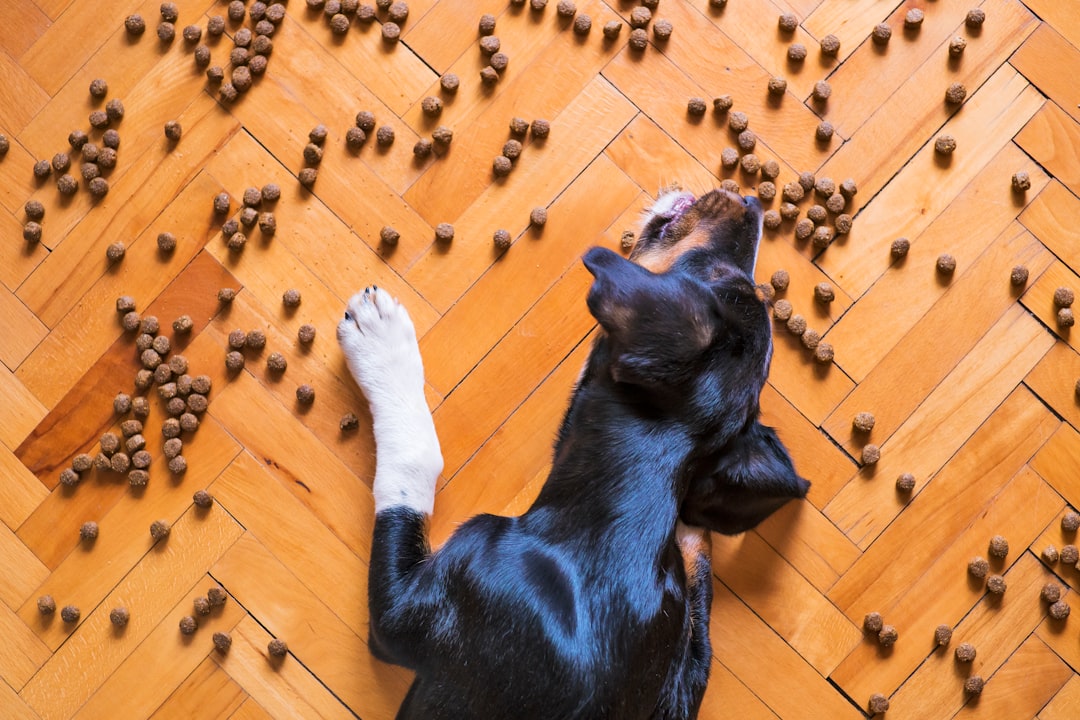
Freeze dried dog food for active dogs
Freeze dried dog food for active dogs
Active dogs—whether they are tireless hunting companions, lightning-fast agility champions, search-and-rescue heroes, or your reliable weekend hiking buddies—burn through energy at an astonishing rate. Just like human athletes, canine athletes require high-performance nutrition to maintain their stamina, build lean muscle, and recover quickly after intense physical exertion.
Among the growing variety of premium diets on the modern pet market, freeze dried dog food for active dogs has emerged as a top-tier choice for owners looking to maximize their dog’s physical potential.

But what exactly makes this specific type of food so beneficial for high-energy breeds? From locking in vital raw nutrients to offering unmatched convenience on the trail, freeze-drying represents a massive leap forward in pet nutrition. In this comprehensive guide, we will explore why this diet is gaining major traction, how it compares to traditional feeding options, and how to safely and effectively integrate it into your sporting dog's daily routine.
Understanding the Nutritional Requirements for High-Energy Working Dogs
Before diving into specific manufacturing methods, it’s crucial to understand the nutritional requirements for high-energy working dogs. Unlike the average house pet that might only need a brisk daily walk, active breeds require a precise, fine-tuned balance of macronutrients to sustain prolonged physical exertion.
The canine metabolism is fundamentally different from ours. While human athletes often "carb-load" before a marathon, dogs metabolize fat as their primary source of endurance energy. Therefore, an active dog needs:
- High-quality animal protein: Essential for repairing micro-tears in muscle fibers after intense exercise.
- Healthy animal fats: The primary fuel source for sustained, slow-burn energy.
- Intact vitamins and minerals: Crucial for joint health, immune support, and rapid cognitive function.
Because these dogs burn thousands of calories during peak activity, they benefit immensely from calorie dense meals for endurance dogs. Feeding them bulky, filler-heavy traditional kibble often means they have to consume massive quantities of food to meet their caloric needs. Overfeeding kibble can lead to bloating, sluggishness, and poor performance on the field. This is exactly where nutrient-dense, low-volume options like freeze-dried diets truly shine.
The Science: What is Freeze-Dried Dog Food?
Freeze-drying, scientifically known as lyophilization, is a unique preservation process where moisture is entirely removed from raw ingredients at extremely low temperatures (often around -50°F) under a vacuum.
Unlike traditional cooking or extrusion (the high-heat process used to create standard kibble), which degrades nutrients, freeze-drying locks the food's natural nutritional profile in a state of suspended animation.
One of the greatest physiological advantages of this specific method is preserving essential amino acids through freeze drying. Amino acids, such as taurine and L-carnitine, are the delicate building blocks of protein. They are critical for cardiovascular health and repairing muscles after a long run. High heat easily destroys these compounds. By avoiding heat entirely, freeze-drying ensures that these proteins remain intact, unaltered, and highly digestible for your dog.

Why Choose Freeze-Dried Meat for Performance Dogs?
When you feed a high-quality freeze-dried diet, you are essentially offering a raw diet without the mess, hassle, or bacterial risks. Let's break down the specific advantages for working breeds.
Bioavailable Nutrients for Canine Muscle Recovery
The benefits of freeze dried meat for performance dogs cannot be overstated. Because the meat remains unprocessed by heat, it provides highly bioavailable nutrients for canine muscle recovery.
Bioavailability refers to the proportion of a nutrient that is absorbed and utilized by the body. When nutrients are highly bioavailable, your dog's digestive system doesn't have to work as hard to extract them. This means your dog recovers faster from tissue breakdown, experiences significantly less muscle fatigue, and is physically ready for their next adventure much sooner.
High Protein for Sport Breeds
If you are raising a Belgian Malinois, a German Shorthaired Pointer, or a Border Collie, you absolutely need high protein raw dog food for sport breeds. Freeze-dried patties and morsels are typically packed with 80% to 95% meat, organs, and ground bone, closely mimicking an ancestral, biologically appropriate diet. Furthermore, because working dogs frequently suffer from stress-induced gastrointestinal issues, there are plenty of grain free freeze dried options for canine athletes available to cater to sensitive stomachs.
Raw Diet Convenience for Active Pet Owners
Feeding traditional raw meat has long been popular in the sporting dog community, but it demands massive freezer space, careful handling, and long preparation times. Enter the ultimate raw diet convenience for active pet owners.
Freeze-dried food offers the exact same nutritional benefits as fresh raw meat but can be stored directly in your pantry or a hiking backpack. Proper pet food storage simply requires keeping the bag sealed in a cool, dry environment. There is no thawing required, no dripping blood in your refrigerator, and practically zero risk of bacterial cross-contamination on your kitchen counters.
Comparing the Options: Freeze-Dried, Air-Dried, and Kibble
With so many premium dog foods available today, how do you know which to choose for a performance canine?
Is Freeze Dried Dog Food Better Than Kibble for Stamina?
Many owners naturally wonder, is freeze dried dog food better than kibble for stamina? From a biological standpoint, yes.
Traditional kibble relies heavily on carbohydrates (like corn, wheat, peas, or potatoes) to bind the pieces together into a hard shape. While carbs provide quick, short-lived bursts of energy, they do not sustain a dog over a long, multi-hour hunting trip or a multi-day hike. Because freeze-dried food is overwhelmingly meat and fat-based, it provides a slow, steady, and reliable release of energy that dramatically improves a dog's cardiovascular stamina and long-term endurance.
Freeze Dried vs Air Dried Pet Food for Energy
Another frequent debate in the high-performance community is freeze dried vs air dried pet food for energy. Both are excellent, minimally processed alternatives to standard kibble.
Air-dried food uses low-heat evaporation (usually around 140°F to 160°F) to remove moisture, resulting in a dense, jerky-like texture. It is slightly more processed than freeze-dried food but still retains exceptionally high nutrient levels. However, because freeze-drying uses sub-zero temperatures rather than heat, it retains a marginally higher percentage of heat-sensitive enzymes. For sheer energy conversion and gut health, both are exceptional choices, but freeze-dried options hold a slight edge in maintaining the absolute raw, unadulterated state of the ingredients.

The Ultimate Trail Companion: Backpacking and Hiking
If you are an avid hiker, camper, or backpacker, you know that every single ounce in your pack matters. Carrying a week's worth of heavy kibble or dense cans of wet food is simply not feasible when you are scaling mountains.
Because up to 98% of the moisture has been removed during the lyophilization process, freeze-dried food is undeniably the best lightweight dog food for backpacking. You can pack a massive amount of dense calories into a tiny, feather-light dry bag. When you reach your campsite for the night, you simply add water from your canteen or a purified mountain stream, and you instantly have a hearty, warm, raw-equivalent meal ready to refuel your tired dog.
Preparation and Hydration: Doing it Right
While freeze-dried food is incredibly convenient, preparing and feeding it correctly is paramount—especially for working dogs whose bodies are under physical stress.
How to Rehydrate Freeze Dried Dog Food Correctly
You should rarely feed a freeze-dried diet entirely dry, particularly as a full meal. Learning how to rehydrate freeze dried dog food correctly ensures your dog digests the food properly and prevents them from drawing moisture out of their own body to digest their dinner.
Follow these simple, actionable tips for perfect preparation:
- Measure and Break: Crumble the freeze-dried patties or measure the nuggets into your dog's bowl. Breaking them up increases the surface area for water absorption.
- Add Warm Liquid: Use warm (never boiling) water or a dog-safe bone broth. Boiling water will cook the raw meat and destroy the heat-sensitive nutrients you paid a premium for.
- Wait it Out: Let the food sit for 3 to 5 minutes so it can absorb the moisture fully. It should look and feel like canned food or a thick stew.
- Mix and Serve: Give it a quick stir to ensure an even consistency before serving.
Maintaining Hydration on the Trail
Hydration is the single most critical factor for an active dog. A dehydrated dog will suffer from muscle cramping, overheating, and a rapid drop in performance.
Interestingly, maintaining hydration in dogs on a freeze dried diet is actually much easier than with a dry kibble diet—if you rehydrate the food before serving. By adding warm water or electrolyte-rich goat's milk directly to their meals, you are effectively forcing your dog to consume extra fluids. This is highly beneficial when they are panting heavily and losing vital moisture during intense summer exercise.

Making It Budget-Friendly: Transitioning and Toppers
Let's address the elephant in the room: feeding a 100% freeze-dried diet to a large, active dog (like a 75-pound Labrador Retriever) is expensive. High-quality, human-grade meat is costly, and the freeze-drying process is highly energy-intensive. However, you absolutely do not have to feed an exclusively freeze-dried diet to reap the massive biological benefits.
The Power of Cost-Effective Toppers
If feeding a full meal of freeze-dried food is currently outside of your pet care budget, using it as a daily meal enhancer is a fantastic, budget-friendly alternative.
Crumbling a few freeze-dried nuggets over your dog's regular premium kibble is a highly cost effective way to use freeze dried toppers. This method still introduces high-quality, raw proteins and live enzymes into their daily diet, significantly boosting the overall nutritional value and palatability of the meal without breaking the bank.
You can also get creative and look up homemade freeze dried recipes online. Many active pet owners combine freeze-dried "base mixes" with their own fresh, dog-safe vegetables (like steamed carrots and spinach) and lightly cooked proteins to create custom, macro-balanced meals for their dogs.
Transitioning Your Canine Athlete Safely
If you decide to upgrade your dog's diet, whether fully or partially, you must avoid switching their food cold turkey. A sudden change in diet can cause severe gastrointestinal upset—a quick way to bench your canine athlete for the weekend.
Transitioning a sporting dog to raw coated kibble (a traditional kibble that has been tumbled in a freeze-dried raw dust) or shifting to a half-kibble/half-freeze-dried diet should be done methodically over 7 to 10 days to allow their gut microbiome to adjust.
Follow this standard transition schedule:
- Days 1-3: 75% old food, 25% new freeze-dried food.
- Days 4-6: 50% old food, 50% new freeze-dried food.
- Days 7-9: 25% old food, 75% new freeze-dried food.
- Day 10: 100% new food (or your desired permanent ratio).
Frequently Asked Questions
Is freeze-dried dog food safe from harmful bacteria? Yes. Reputable premium manufacturers use a specialized process called High-Pressure Processing (HPP) prior to the freeze-drying stage. HPP effectively eliminates harmful pathogens like Salmonella, Listeria, and E. coli by using extreme water pressure, all while leaving the beneficial raw nutrients and enzymes completely intact.
Can I feed freeze-dried food dry as a treat? Absolutely! While you should always rehydrate full, primary meals to ensure adequate hydration and digestion, feeding dry freeze-dried nuggets as high-value training treats is perfectly safe. Because they are 100% meat, they are incredibly motivating for working dogs during agility or obedience training.
Will my active dog lose weight on a freeze-dried diet? Freeze-dried food is naturally very lean, nutrient-dense, and highly digestible. Because it lacks the starchy carbohydrate fillers that often cause bloat and weight gain, heavily active dogs may start to look much leaner and more muscular. If you notice unwanted weight loss during high-activity seasons, simply increase their daily caloric intake or choose a specific recipe with a higher healthy fat content, such as a pork or lamb blend.
Conclusion
At the end of the day, feeding your active dog is about providing them with the highest quality fuel to match their boundless energy. Freeze dried dog food for active dogs bridges the gap between the undeniable biological benefits of a raw ancestral diet and the modern necessity of convenience.
By prioritizing high-quality animal proteins, locking in delicate heat-sensitive amino acids, and offering an incredibly lightweight solution for outdoor adventures, freeze-dried nutrition allows your canine athlete to train harder, recover faster, and live a longer, healthier life by your side. Whether you use it as a complete meal on a strenuous backpacking trip or as a daily nutrient-dense topper, investing in freeze-dried food is an investment in your dog's ultimate performance and well-being.

Written by Talis Us


Leave a comment
This site is protected by hCaptcha and the hCaptcha Privacy Policy and Terms of Service apply.