


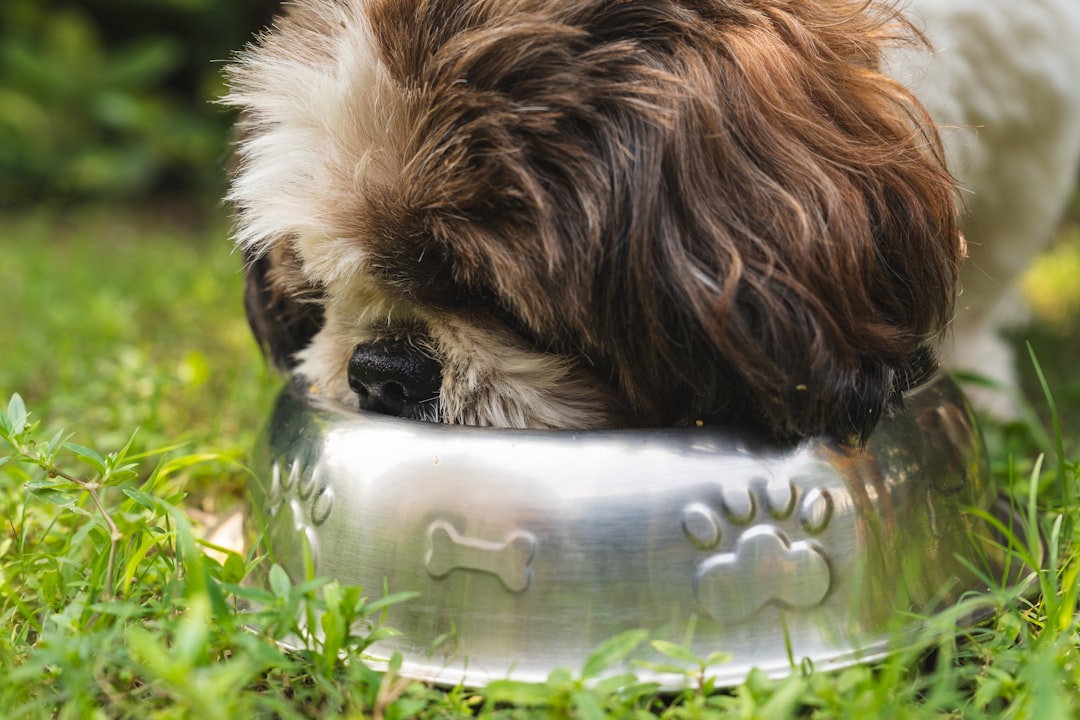
Best dog food for shiny coat and energy
Best dog food for shiny coat and energy
Every dog owner knows the distinct joy of seeing their furry best friend bounding across the park, their tail wagging, and their coat gleaming beautifully in the sunlight. A vibrant, glossy coat and boundless, sustained energy are far more than just aesthetic perks; they are the ultimate indicators of your dog's internal health and well-being.
When you are searching for the best dog food for shiny coat and energy, you are essentially looking for a holistic, well-balanced nutritional profile that supports your pet from the inside out. The food in their bowl acts as the building blocks for their muscles, the fuel for their daily zoomies, and the essential oils that keep their skin supple and fur soft.
In this comprehensive guide, we will dive deep into the science of canine diets, explore the specific ingredients your dog needs to thrive, and show you exactly how to optimize their meals for peak vitality and a show-stopping coat.

The Deep Connection Between Diet, Coat Health, and Vitality
To understand how to feed your dog for optimal health, we first need to look at how their body utilizes food. Proper nutrition for dogs prioritizes biological necessities. Because hair is made almost entirely of protein and skin requires a constant supply of essential fats to maintain its moisture barrier, an inadequate diet shows up on the outside very quickly.
In fact, the skin is your dog’s largest organ, and maintaining it—along with a dense hair coat—can consume up to 30% of their daily protein intake. If their food lacks high-quality nutrients, the body will intelligently redirect available resources away from the skin and coat to protect vital organs like the heart and liver.
Recognizing When Something Is Wrong
Before you can fix the problem, you need to identify it. The symptoms of nutritional deficiencies in dogs often manifest physically before behavioral changes occur. Look out for:
- Dry, flaky skin or excessive dog dandruff.
- A brittle, coarse, or thinning coat.
- Constant scratching or licking (often mistaken for allergies but sometimes linked to poor lipid barriers).
- Lethargy, reluctance to play, or tiring out quickly on walks.
- Dull, lackluster eyes.
If your dog exhibits these signs, upgrading their diet is often the most effective first line of defense.
Essential Nutrients for a Gleaming Coat
If you want to know how to improve dog coat shine through diet, you must focus on a few non-negotiable macronutrients and micronutrients.
The Magic of Healthy Fats
Dietary fats are the secret weapon for a beautiful coat. Specifically, we need to talk about Omega-3 fatty acids for dog skin health. These essential fats cannot be produced by your dog's body; they must be consumed through their diet. They work by soothing inflammation, reducing itching, and naturally hydrating the skin from within.
When looking at marine-sourced Omega-3s, it is important to understand the difference between DHA and EPA for pet wellness:
- EPA (Eicosapentaenoic Acid): This is the powerhouse anti-inflammatory fatty acid. It reduces skin inflammation, helps manage allergies, and supports joint health, allowing for pain-free, energetic movement.
- DHA (Docosahexaenoic Acid): While also anti-inflammatory, DHA is crucial for brain health, cognitive function, and eye development. A sharp mind leads to an active, engaged dog.
Furthermore, canine metabolic health and dietary fats are deeply intertwined. Unlike humans, who rely heavily on carbohydrates for quick energy, dogs metabolize fats highly efficiently. Fats provide twice the energy per gram compared to proteins or carbs, meaning a diet rich in healthy fats doesn't just make the coat shine—it provides a dense, reliable energy source.

Vitamins and Minerals: The Unsung Heroes
Fats and proteins do the heavy lifting, but vitamins and minerals ensure the bodily processes run smoothly.
Consider the role of Biotin and Vitamin E in pet grooming and internal health:
- Biotin (Vitamin B7): Often found in eggs and liver, Biotin is essential for tissue growth and the synthesis of fatty acids. It strengthens the hair shaft, preventing breakage and shedding.
- Vitamin E: This is a potent antioxidant. It protects skin cells from environmental damage and oxidative stress. Vitamin E also works synergistically with Omega-3s, preventing these delicate fats from oxidizing before your dog can absorb them.
Fueling Active Breeds: Energy That Lasts
Finding the best dog food for shiny coat is only half the battle; ensuring your dog has the stamina to enjoy their day is equally important. Energy comes from a precise balance of proteins, fats, and carbohydrates.
Protein and Fat Balance for Stamina
When selecting food for an athletic or working breed (like a Border Collie, German Shepherd, or Vizsla), dog owners often face the debate of high protein vs low fat dog food for active breeds.
For highly active dogs, a low-fat diet is usually a mistake. Dogs rely on fat oxidization for endurance. A high-protein, moderate-to-high-fat diet is ideal because it provides the caloric density needed for stamina while supplying the amino acids required for muscle repair.
However, the source of the protein matters immensely. You must prioritize digestible protein sources for working dog stamina.
- Top-tier sources: Deboned chicken, turkey, lamb, beef, salmon, and whole eggs.
- Lower-tier sources: Generic "meat meal," heavy reliance on plant proteins (like corn gluten meal), which lack the complete amino acid profile dogs need.
Highly digestible animal proteins ensure that your dog's body isn't wasting precious energy trying to break down complex, biologically inappropriate ingredients.
Smart Carbohydrates for Steady Energy
While dogs don't strictly need carbohydrates to survive, the right carbs provide an excellent source of accessible energy and dietary fiber.
The key is to look for low glycemic index carbohydrates for sustained canine energy. High glycemic index (GI) carbs—like white rice, corn syrup, or refined flours—cause a rapid spike in blood sugar followed by an energy crash. Low GI carbs provide a slow, steady release of glucose into the bloodstream, keeping your dog energized for hours.
Excellent low GI carbohydrate sources include:
- Sweet potatoes
- Oats and oatmeal
- Barley
- Quinoa
- Lentils
This brings us to the ongoing conversation regarding grain-inclusive vs grain-free for athletic dogs. Unless your dog has a diagnosed grain allergy (which is relatively rare; beef and dairy are far more common allergens), a high-quality, grain-inclusive diet featuring whole, ancient grains (like oats or barley) is often superior for athletic dogs. These grains provide excellent, slow-burning energy and fiber that grain-free alternatives (which often rely heavily on potatoes or peas) sometimes lack.

What to Avoid: Culprits Behind Dull Coats and Sluggishness
Knowing what to keep out of your dog's bowl is just as vital as knowing what to put in it. When auditing your current pet food, you must ask: what ingredients cause dull coats in dogs and drain their energy?
- Artificial Colors and Preservatives: Ingredients like Red 40, Yellow 5, BHA, BHT, and ethoxyquin offer zero nutritional value and can trigger allergic reactions, leading to skin inflammation and a dull coat.
- Cheap Fillers: Corn bran, peanut hulls, and excessive soy can bulk up a food cheaply but pass through your dog largely undigested. This means your dog is eating a lot but absorbing very few nutrients.
- Generic Meat By-Products: If the label just says "meat meal" or "poultry fat" without specifying the animal (e.g., chicken fat, beef meal), it is a red flag. The nutritional consistency of generic meals fluctuates wildly.
- High-Glycemic Sweeteners: Corn syrup or sugar are sometimes added to cheap kibble to make it more palatable. This causes systemic inflammation and energy crashes.
Choosing the Right Diet: Kibble, Fresh, or Supplements?
Today’s pet food market is vast, offering everything from standard kibble to raw diets. How do you choose the right path for your dog?
Top Commercial Options
For most owners, high-quality kibble or canned food is the most convenient and cost-effective choice. When looking for premium dog food, check the first three ingredients. They should ideally be a whole meat source, a named meat meal (for concentrated protein), and a complex carbohydrate.
Many brands explicitly formulate recipes to be the best dog food for shiny coat, often labeling them as "Sensitive Skin and Stomach" formulas. These recipes typically feature salmon or whitefish as the primary protein, as they are naturally rich in Omega-3s and highly digestible.
The DIY Route: Cooking for Your Dog
Some owners prefer to take matters into their own hands by preparing home-cooked meals for dog vitality and luster. This can be an incredible way to ensure your dog gets fresh, unoxidized fats and high-quality proteins.
However, home cooking requires strict attention to detail. A diet of just chicken breast and rice is severely deficient in calcium, essential fatty acids, and crucial vitamins. If you choose this route, it is highly recommended to consult a board-certified veterinary nutritionist to create a balanced recipe, ensuring your dog gets the exact ratios of zinc, copper, Omega-3s, and calcium they require.

Enhancing Nutrient Uptake Through Gut Health
You can feed your dog the most expensive food in the world, but if their digestive system cannot absorb the nutrients, their coat and energy will suffer. This is where the gut-skin axis comes into play.
There is a profound impact of probiotics on nutrient absorption and skin health. A robust microbiome in your dog's gut breaks down food more efficiently, synthesizing vitamins (like Biotin) and reducing systemic inflammation. Adding a high-quality canine probiotic to your dog’s meals can drastically improve how they process their food, leading to firmer stools, higher energy, and a softer coat.
The Role of Supplements
If you have found a dog food that gives your dog great energy and settles their stomach perfectly, but their coat still lacks that pristine shine, supplementation might be the answer.
Adding the best fish oil supplements for canine fur quality to their daily routine is a game-changer. Look for wild-caught Alaskan salmon oil, sardine oil, or anchovy oil. Ensure the supplement is stored in a dark, UV-protected bottle or pump to prevent the delicate oils from going rancid. Alternatively, whole-food supplements like a raw egg once a week (an excellent source of Biotin and protein) can do wonders for their fur.
Implementing the Change: Actionable Steps
Now that you are armed with the science of canine nutrition, it is time to put it into practice. Transitioning your dog to high-performance kibble or a new fresh food diet must be done carefully to avoid gastrointestinal upset.
The 7-to-10 Day Transition Plan
A sudden change in diet can lead to diarrhea, vomiting, and a temporary drop in energy. Follow this gradual transition schedule:
- Days 1-2: 75% old food, 25% new food.
- Days 3-4: 50% old food, 50% new food.
- Days 5-6: 25% old food, 75% new food.
- Day 7+: 100% new food.
Pro-Tip: Monitor your dog's stool during this time. If they develop loose stools, stay at the current ratio for an extra day or two until their system adapts before increasing the new food.
Daily Habits for Continued Brilliance
Diet is the foundation, but a few additional habits will maximize your dog's coat shine and energy levels:
- Hydration: Ensure constant access to fresh, clean water. Skin hydration starts from within, and water is required for every metabolic process that generates energy.
- Regular Brushing: Brushing your dog a few times a week stimulates the hair follicles and distributes the natural oils (fueled by their new diet) evenly across their coat.
- Proper Storage of Food: Premium dog food contains delicate fats that can oxidize and go rancid when exposed to air and light. Keep kibble in its original bag, placed inside an airtight container, and use it within 4-6 weeks of opening.

Conclusion
Finding the best dog food for shiny coat and energy isn't about chasing the latest fad; it is about returning to the fundamental principles of canine biology. By prioritizing highly digestible proteins, balancing EPA and DHA Omega-3 fatty acids, utilizing low-glycemic carbohydrates, and supporting gut health, you provide your dog with the ultimate fuel for a long, happy life.
When you invest in high-quality nutrition, the transformation is truly remarkable. Within just a few weeks of an optimized diet, you will feel the difference in the softness of their fur, see the depth of color in their coat, and witness a renewed, joyful bounce in their step. Your dog gives you their best every single day—they deserve a diet that helps them look and feel their absolute best, too.

Written by Talis Us


Leave a comment
This site is protected by hCaptcha and the hCaptcha Privacy Policy and Terms of Service apply.