


Finding the Perfect White Bearded Dragon
Finding the Perfect White Bearded Dragon
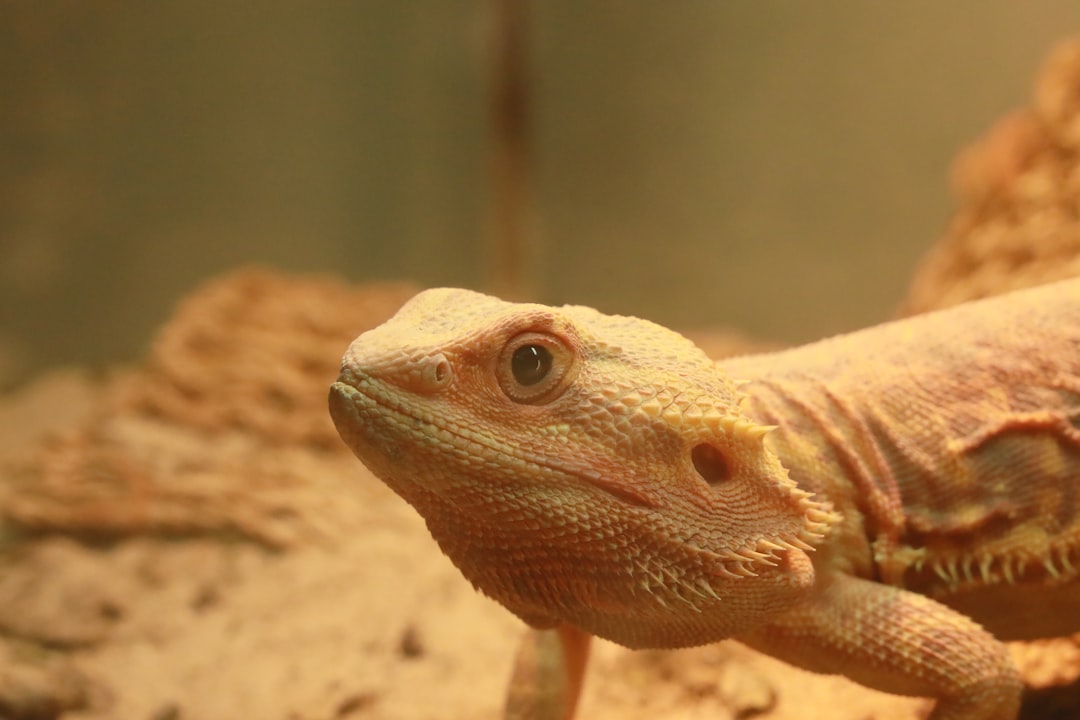
You’ve likely seen the classic sandy-colored lizards basking in pet store windows, but a white bearded dragon looks like a miniature creature pulled straight from a fantasy novel. This is not a brand-new breed or exotic species, but rather a specific genetic "morph." Think of a morph like a fresh paint job on the exact same reliable pet; it changes their exterior without altering the animal underneath. When searching for a white bearded dragon for sale, you are looking for reptiles bred specifically for this clean, patternless, ghostly aesthetic.
Common knowledge in the reptile hobby often assumes that any purely white animal must be an albino, yet comparing an albino bearded dragon vs leucistic morphs reveals a much different reality. True albinos lack all pigment—including in their eyes—and herpetology experts note they are almost non-existent in this species due to severe health and vision issues. Instead, these snowy pets exhibit a condition known as leucism, which is a partial loss of pigmentation that leaves their eyes dark and their bodies remarkably healthy.
Producing this stunning visual appeal relies entirely on passing down recessive traits. Because these specific genes are recessive, both parent lizards must carry the exact same hidden biological instructions to create a visually white baby. This strict requirement makes them significantly rarer than standard brown dragons. This natural lottery explains exactly why these beautiful reptiles command a premium price tag while still delivering the friendly, approachable personality beginners love.

Zero vs. Witblits: Identifying the Two Most Popular White Morphs
Searching for a pristine white bearded dragon usually leads you directly to two distinct names: the Zero and the Witblits. While they might sound like alien species, they are actually just two different genetic paths to achieving a stunning, clear-skinned reptile. Both of these genetics share a major feature called being "patternless," which simply means they lack the stripes, spots, and bands seen on standard sandy-colored dragons.
The Zero morph is typically what people picture when they want a ghostly, snow-colored pet. These dragons completely lack typical pigments, resulting in a striking silver-white hue that stands out beautifully in any terrarium. Because achieving this pure, bright white takes careful selective breeding, the zero morph bearded dragon cost is often noticeably higher than standard colors you might find at a local pet chain.
On the other hand, the Witblits offers a slightly warmer alternative. The witblits vs zero bearded dragon differences come down to looking closely at three key traits:
- Color: Zeros are stark grey or bright white, while Witblits lean toward a creamy, earthy, or muted pastel tone.
- Pattern: Both are completely patternless, acting like a blank canvas.
- Scalation: Zeros maintain normal spiked scales, whereas Witblits occasionally appear smoother depending on their exact genetic lineage.
Choosing between these two stunning options ultimately depends on your aesthetic preference, as both require the exact same basic care, diet, and lighting setup. Whether you prefer the icy silver of a Zero or the warm cream of a Witblits, you are investing in a remarkable, unique companion. Naturally, this rarity and careful breeding come at a premium price.
The $500 Question: Why White Bearded Dragons Command a Premium
Staring at the price tag of a pristine lizard often leaves beginners wondering why are white bearded dragons more expensive than standard ones. The answer lies in the specialized work required to produce them. Think of standard dragons like common tabby cats, while white morphs are the reptile equivalent of rare, purebred show animals. Specialized breeders spend years carefully pairing specific adults to isolate that ghostly coloration, naturally driving up the market premium.
Because white coloration is a "recessive trait"—meaning both parents must pass down the exact same rare gene—producing these lizards is difficult. Interestingly, you might see a bearded dragon for sale labeled as "Het Zero" (short for heterozygous) for a fraction of a visual zero morph bearded dragon cost. This simply means the lizard carries the hidden white gene but looks entirely normal and brown on the outside. While "Hets" are highly valuable to breeders, they will not give you that striking snow-white aesthetic.
Budgeting for this premium means investing in a specialized, healthy pet from an expert rather than a mass-produced reptile from a chain store. This higher upfront cost ensures you bring home a thriving companion from the high-end market.
Snow, Silverback, and Hypo Zeros: Ranking the Rarest Shades
Not all "white" dragons look like fresh snow; many actually have a silvery-grey tint. To get that striking, paper-white look, breeders rely on a trait called "Hypomelanistic" (or Hypo for short). Looking at hypo zero bearded dragon genetics explained, the condition simply means the lizard produces less melanin, which is the dark pigment found in skin and scales. You can easily spot a true Hypo dragon by checking its toes—if all twenty nails are completely clear instead of showing dark lines, the animal lacks dark pigment.
Adding more genetic "ingredients" to the mix drastically changes their appearance and market value. Here is a quick ranking from common whites to premium rarities:
- Standard Zero: The baseline greyish-white dragon.
- Translucent (Trans) Zero: This trait gives the skin a slightly see-through quality and often creates striking, solid black eyes.
- Leatherback Zero: Highlighting texture over color, leatherback zero bearded dragon traits feature a smooth back with reduced spikes.
- High-End Snow: The brilliantly white combination of both Zero and Hypo genetics.
Choosing your ideal aesthetic often means comparing a blindingly bright snow bearded dragon vs silverback morph, an older lineage that produces a muted, earthy grey rather than a flashy white. While these multi-gene combinations create breathtaking pets, highly complex breeding can occasionally result in weaker immune systems if not managed by an expert. Because beauty should never compromise a pet's wellbeing, your next priority is learning to identify a thriving animal before making a purchase.

5 Red Flags: How to Spot a Healthy White Dragon Before You Buy
Dropping top dollar on a premium morph requires a careful eye, especially since achieving these ghostly shades often involves line-breeding. This practice means mating closely related animals to isolate specific traits, such as determining what is the rarest bearded dragon color, but it can pass down genetic weaknesses if done irresponsibly. Learning how to tell if a white bearded dragon is healthy is your absolute best defense against bringing home a sick pet.
The biggest hidden threat to captive reptiles is Metabolic Bone Disease (MBD), a crippling condition caused by poor UVB lighting and calcium deficiency. Think of MBD as a severe calcium drain that slowly softens the animal's skeleton over time. You must also watch for extreme lethargy, meaning the lizard is completely limp, unresponsive, or unable to lift its own head. Spotting metabolic bone disease symptoms in white dragons early saves you from heartbreak and massive veterinary bills.
A quick 60-second visual inspection is all it takes to protect your investment before you buy. Here is your essential 5-point health checklist:
- Alertness: The dragon should have bright, open eyes and actively track your movement.
- Sturdy Structure: Look for a firm jaw and thick tail base; a rubbery or underbitten jaw indicates early MBD.
- Clean Vent: The area directly under the tail must be completely free of fecal matter.
- Intact Extremities: Inspect closely for missing toes or a shriveled, dark tail tip.
- Clear Breathing: Ensure the lizard is not gasping, clicking, or blowing bubbles from its nose.
Even the most stunning animal isn't worth buying if it shows these warning signs, as a thriving pet will always be curious and physically robust. Your success as an owner largely depends on the source of your reptile, making it vital to evaluate the sellers themselves.
Reputable Breeders vs. Red Flags: Navigating the Online Market
Finding a healthy white bearded dragon for sale requires skipping big-box pet stores and seeking out boutique professionals. Unlike chain stores that use mass-producing "backyard breeders," dedicated enthusiasts track an animal's lineage—a documented family tree proving the lizard's genetic history. Because these ghostly morphs carry a price premium, you want absolute assurance the breeder isn't sacrificing the animal's wellbeing just to achieve a lighter color.
To avoid scams, always ask three critical questions: Can I see parent photos, what is your health guarantee, and how do you handle shipping logistics? A health guarantee acts as a short-term warranty, promising the lizard arrives alive and remains well during its first few days with you. If a seller ignores questions about shipping—which requires specialized insulated boxes and heat packs to safely transport live reptiles—or posts blurry pictures with unusually low prices, you are looking at reputable reptile breeder red flags. Scammers frequently steal legitimate photos to offer a fake bearded dragon for sale at steep, tempting discounts.
Your work does not end the moment you verify a trustworthy seller. Securing a stunning pet is a victory, but maintaining that pristine condition requires the perfect home environment. Before your new companion arrives in the mail, their tank must be fully equipped to keep their skeleton strong and energy high.

UVB and Calcium: Keeping Your White Dragon's 'Battery' Charged
Securing your dream morph is just the beginning; setting up a habitat for a white bearded dragon requires mimicking the Australian outback right in your living room. To meet adult white bearded dragon tank size requirements immediately and save money on future upgrades, invest in a 75- to 120-gallon enclosure (roughly the size of a large coffee table). The tank's floor, called the substrate, must be chosen carefully. Beginners should use flat slate tiles rather than loose sand to avoid impaction—a deadly digestive blockage caused by accidentally swallowing dirt while hunting bugs.
Think of your new pet as a solar-powered reptile requiring specific heat and light to function. They rely on thermoregulation, physically moving between a hot basking spot and a cooler zone to control their body temperature and digest food. Furthermore, properly managing the calcium and uvb needs for leucistic reptiles is entirely non-negotiable. UVB (Ultraviolet B) lighting acts like a wireless charger, allowing their bodies to absorb calcium and prevent crippling bone diseases. Your essential equipment setup requires:
- A 10.0 or 12% linear UVB fluorescent tube spanning half the enclosure length.
- A 100-watt to 150-watt basking bulb to create a 100°F–105°F warm zone.
- Calcium powder (with Vitamin D3) to lightly dust their meals like powdered sugar.
Mastering this environmental balance ensures your ghostly companion thrives for its entire decade-long lifespan. The final step is preparing a seamless transition for the animal's arrival.
Your 3-Step Action Plan to Bringing Home a Healthy White Dragon
A white bearded dragon is a 10- to 15-year commitment requiring proper preparation to finalize your purchase with confidence.
To ensure a stress-free transition, follow this simple first-48-hours checklist:
- Setup Verification: Ensure your UVB and heat lamps are running at optimal temperatures before your pet arrives.
- Feeding: Establish a consistent feeding schedule for white bearded dragon hatchlings—offer small, calcium-dusted bugs two to three times daily alongside fresh greens to promote rapid, healthy growth.
- Vet Check: Schedule an initial exotic vet visit, which provides professional insight to ensure your white bearded dragon remains completely healthy.
Success with a rare genetic morph is measured by a lifetime of vibrant health and active behavior. Start by perfecting the tank setup to ensure a safe, rewarding experience raising your new dragon.

Written by Talis Us


Leave a comment
This site is protected by hCaptcha and the hCaptcha Privacy Policy and Terms of Service apply.