


Choosing the Best 40 Gallon Reptile Tank
Choosing the Best 40 Gallon Reptile Tank
Whether you are upgrading a juvenile’s habitat or preparing to bring home a brand-new scaly companion, finding the perfect enclosure is your first major milestone. For many popular species, a 40 gallon reptile tank is widely considered the gold standard. It offers a generous footprint that allows for proper thermoregulation, plenty of enrichment, and enough space for your pet to express natural behaviors.
However, not all habitats are created equal. The market is flooded with varying materials, dimensions, and door configurations. Building a thriving ecosystem requires more than just buying a glass box; it requires a deep understanding of your specific animal's needs, from heat retention to substrate depth.
In this comprehensive guide, we will walk you through everything you need to know about selecting, setting up, and maintaining the ultimate mid-size terrarium.

Understanding the Dimensions: The "Breeder" Footprint
When shopping, you will frequently see the term "40 gallon breeder." Unlike a standard 40 gallon aquarium, which is often tall and narrow, a breeder tank maximizes floor space. The standard dimensions are typically 36 inches long, 18 inches wide, and 18 inches tall.
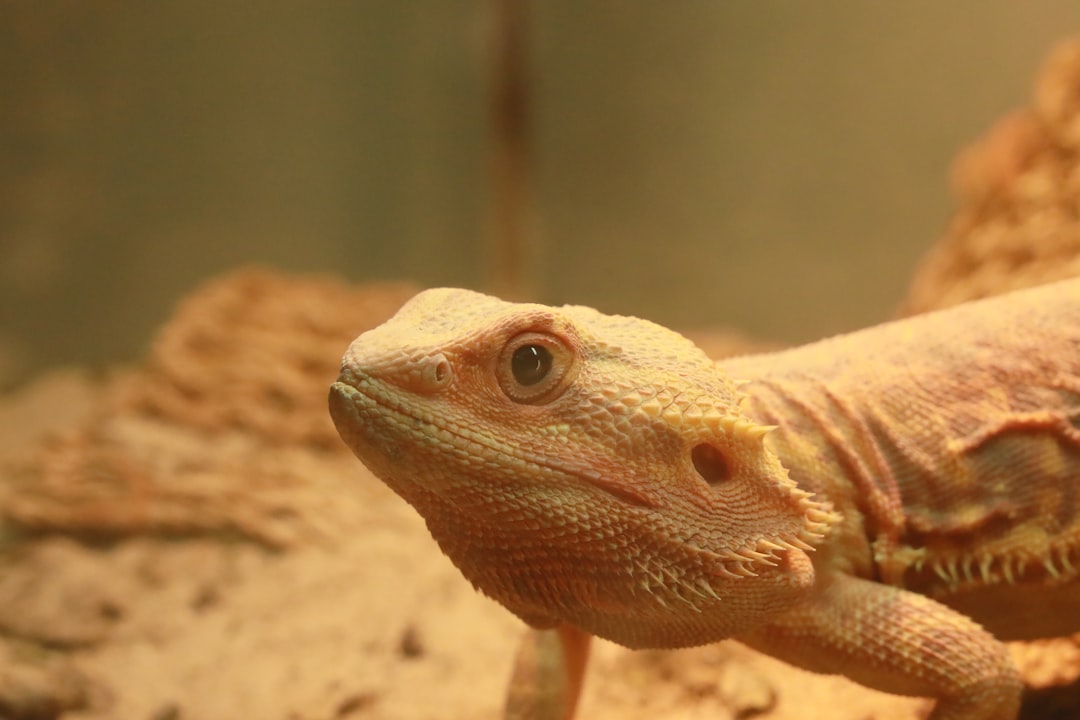
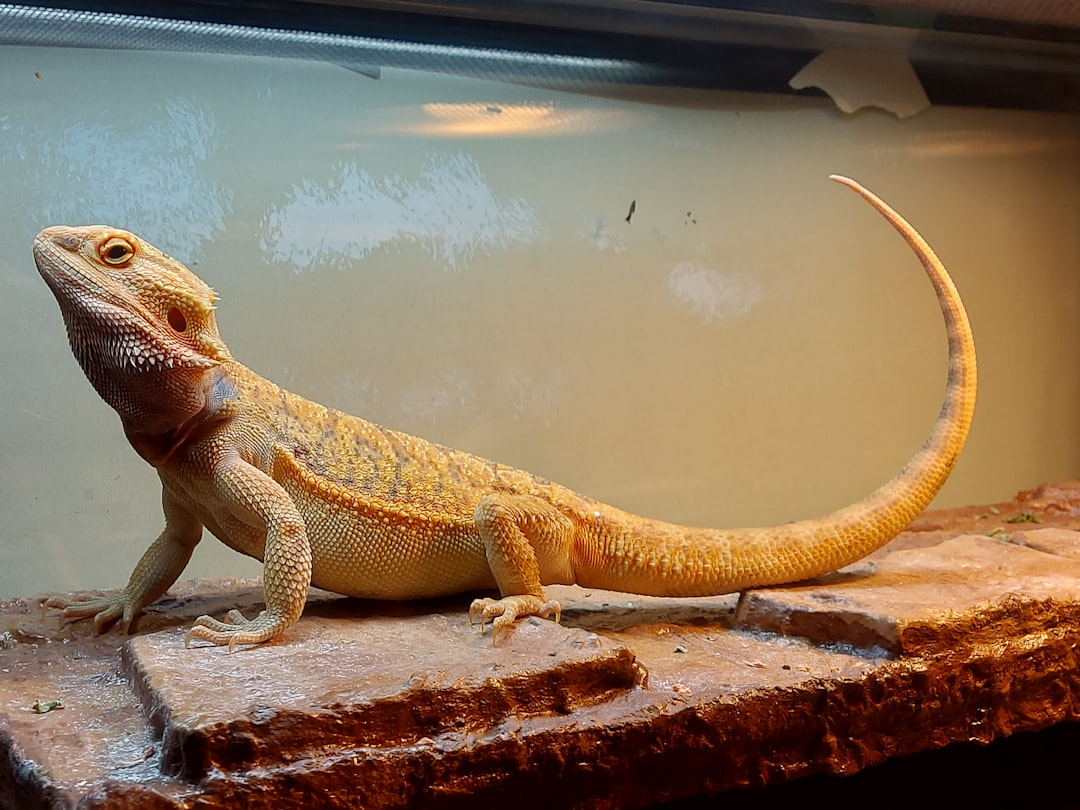
This specific footprint is incredibly versatile. For instance, it serves as the perfect temporary 36x18x18 bearded dragon enclosure for juveniles. While an adult bearded dragon will eventually need a 120-gallon minimum, the 40-gallon breeder provides a young dragon with enough room to hunt crickets without feeling overwhelmed by a massive, cavernous space.
Floor space is arguably the most critical metric for terrestrial reptiles. It allows you to create distinct microclimates, offer multiple hides, and provide a varied terrain for mental stimulation.
Choosing the Right Material: Glass vs. Plastic
The material of your 40 gallon tank drastically impacts its internal environment. The two most common choices are traditional glass and modern PVC (polyvinyl chloride).
When weighing PVC vs glass enclosures for heat retention, PVC is the undisputed winner. Glass is a poor insulator; it allows ambient room temperatures to heavily influence the inside of the terrarium. If you live in a cold climate or keep a high-heat species like a Uromastyx, a glass tank will require much higher-wattage bulbs to maintain appropriate basking temperatures. PVC, on the other hand, traps heat and humidity beautifully, making it energy-efficient and highly stable.
However, glass terrariums have their own distinct advantages:
- Visibility: Glass offers unparalleled, scratch-resistant, 360-degree viewing.
- Availability: You can find a glass 40 gallon reptile tank at almost any local pet store.
- Cost: Glass enclosures, especially traditional top-loading ones, are often more budget-friendly upfront.

Accessibility and Security Configurations
How you interact with your enclosure dictates your daily maintenance routine and your reptile's stress levels.
Front-Opening vs. Top-Loading Cages
When debating front opening vs top loading reptile cages, front-opening models are almost always recommended by herpetologists. In the wild, most threats to reptiles (like birds of prey) come from above. Reaching down into a top-loading tank can trigger a prey response, causing your pet to panic, hide, or bite. Front-opening doors allow you to approach your reptile on their level, building trust more efficiently. Furthermore, front doors make spot-cleaning and changing water bowls significantly easier, as you don't have to remove your lighting fixtures to get inside.
Keeping Escape Artists Contained
If you are keeping snakes or arboreal geckos, security is paramount. Snakes are notoriously strong and can push up standard screen lids with surprising ease. If you opt for a top-loading design, investing in high-quality locking screen lids for climbing snakes and lizards is an absolute necessity. Metal terrarium clips or integrated pin-locks will ensure your corn snake or king snake doesn't go on an unapproved midnight tour of your living room.
Ideal Inhabitants for a 40 Gallon Habitat
A 40-gallon setup is a "forever home" for many incredible animals. So, what are the best lizard species for 40 gallon breeder habitats?
- Leopard Geckos: The ultimate beginner reptile. A 40-gallon footprint gives them ample room to explore and hunt.
- African Fat-Tailed Geckos: Similar to leopard geckos but requiring slightly higher humidity.
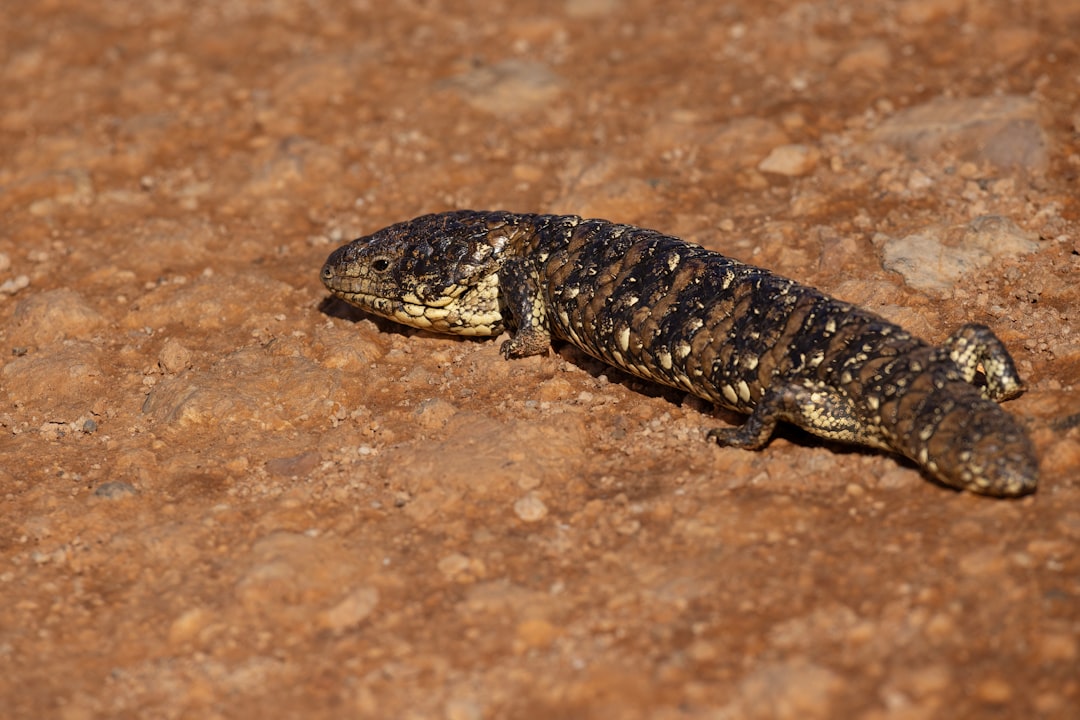
- Blue-Tongue Skinks (Juveniles): A great grow-out tank before moving to a larger adult enclosure.
- Hognose Snakes: While not lizards, these small, burrowing snakes thrive in mid-sized setups.
- Collared Lizards: Active, visually stunning lizards that utilize every inch of space provided to them.
A Common Question: Cohabitation Many new keepers ask: can you house two leopard geckos in 40 gallons? While the space is technically large enough, cohabitation is highly discouraged by modern husbandry standards. Leopard geckos are solitary and territorial. Housing two together—even females—often leads to resource guarding, bullying, stress, and sometimes fatal fights. It is always best to dedicate your beautiful 40-gallon setup to a single, thriving individual.

Mastering Heating and Lighting
Reptiles are ectothermic, meaning they rely on their environment to regulate their body temperature. Therefore, creating a thermal gradient in mid-size habitats is your most important job as a keeper.
A thermal gradient means one side of the tank is hot (the basking zone) and the opposite side is cool. In a 36-inch long tank, achieving this is highly manageable. You place all your heat lamps on one extreme end, leaving the other side unheated.
Determining Heat Lamp Wattage
Finding the sweet spot for temperatures requires a bit of trial and error, but understanding the recommended heat lamp wattage for 40-gallon breeder setups gives you a solid starting point. For a standard glass enclosure in a room with an ambient temperature of 70°F (21°C), a 75W to 100W halogen basking bulb is usually sufficient to create a 95°F-105°F basking spot. If you are using a PVC enclosure that retains heat well, you might only need a 50W bulb. Always pair your heat sources with a high-quality dimming thermostat to prevent dangerous overheating.
UVB Lighting Strategies
UVB is crucial for the synthesis of Vitamin D3 and calcium metabolism in most reptiles. When considering UVB lighting placement for 18-inch tall enclosures, a T5 High Output (HO) linear fluorescent bulb is generally the best choice.
Because standard terrarium screen lids filter out roughly 30% to 50% of UVB rays, you must factor this into your placement. For an 18-inch tall tank, a 5% to 7% UVB bulb (like an Arcadia ShadeDweller or a ReptiSun 5.0) resting directly on top of the screen mesh will provide the ideal UV index for twilight-basking species (like leopard geckos) at floor level. For sun-loving species like juvenile bearded dragons, you will want a 12% to 14% UVB bulb, ensuring their basking branch is elevated to about 10-12 inches beneath the lamp.
Humidity Management in Mid-Size Tanks
Maintaining proper moisture levels is a notorious struggle for keepers using standard glass terrariums with full mesh tops. Because heat rises, the moisture in the tank quickly evaporates straight out of the ceiling.
If you are wondering how to maintain humidity in screen lid terrariums without resorting to expensive misting systems, there are several highly effective DIY tricks:
- HVAC Tape: Use aluminum HVAC tape to cover 50% to 70% of the screen top (on the cool side, away from the heat lamps). This traps moisture inside while still allowing for necessary air exchange.
- Sphagnum Moss: Place damp sphagnum moss inside your reptile’s hides to create humid microclimates.
- Deeper Substrate: A thicker layer of substrate holds more water. Pouring water directly into the corners of the tank allows the bottom layers of soil to dampen while the top remains dry, steadily releasing humidity over time.

Advancing to Bioactive Enclosures
One of the most rewarding ways to utilize a 40 gallon tank is by creating a self-sustaining ecosystem. A bioactive setup incorporates live plants, natural soil, and a "clean-up crew" of beneficial insects (like isopods and springtails) that break down reptile waste.
The Arid Setup
Many keepers assume bioactive is only for tropical frogs, but setting up a bioactive desert vivarium guide is entirely possible and visually spectacular for arid species. You will want a well-draining soil mix (often a blend of organic topsoil, play sand, and excavator clay). Arid springtails and specialized isopods (like Porcellionides pruinosus or "Powder Orange" isopods) thrive in these setups, provided they have a humid microclimate under a water bowl or piece of cork bark. Plant drought-tolerant succulents, spineless cacti, or elephant feed plants (Portulacaria afra).
Accommodating Burrowers
When designing these naturalistic environments, pay close attention to the bioactive substrate depth for burrowing species. A western hognose snake or a leopard gecko loves to dig. To facilitate this natural behavior and provide enough room for plant roots to establish, aim for at least 4 to 6 inches of substrate. In an 18-inch tall enclosure, a 6-inch substrate layer still leaves 12 inches of vertical space, which is plenty for terrestrial animals while keeping them safely away from overhead heat bulbs.
Setup Logistics, Placement, and Repurposing
Once you have your tank, lights, and décor planned out, you have to decide where this habitat is actually going to live.
Stand Weight Requirements
Do not underestimate how heavy a fully decorated terrarium can become. Between the glass tank itself, 4-6 inches of sand/soil mix, heavy slate rocks for basking, and large water bowls, a 40 gallon setup can easily exceed 150 to 200 pounds. Therefore, strictly adhering to reptile tank stand weight capacity requirements is vital. Do not place your terrarium on a flimsy folding table or a cheap particle-board nightstand. Look for dedicated aquarium stands or heavy-duty, solid wood furniture reinforced to bear heavy loads without bowing in the center.
Multi-Reptile Households
If you suffer from "multiple tank syndrome" and plan to keep several reptiles, floor space in your home will disappear rapidly. In these instances, look into stackable modular terrarium systems for lizards. Many premium PVC enclosure brands are designed to interlock and stack safely on top of one another, allowing you to house three or four 40-gallon habitats in a single vertical column, complete with hidden channels for light cords and thermostat probes.
Repurposing Old Fish Tanks
Perhaps you have an old fish tank sitting in your garage and want to save some money. Converting glass fish tanks into reptile enclosures is a popular DIY project. However, keep in mind that aquariums are top-loading, which, as discussed earlier, can be stressful for the reptile.
If you go this route, you have two options. The easiest is purchasing a heavy-duty, lockable screen lid designed specifically for standard aquarium rims. The more advanced route involves purchasing an aftermarket conversion kit. These kits allow you to flip the aquarium on its side and silicone a framed, hinged acrylic door onto what used to be the top rim. Keep in mind that aquariums converted this way lack the cross-ventilation grates found beneath the doors of purpose-built reptile terrariums, so monitoring humidity and air stagnation becomes extra important.

Conclusion
Choosing the perfect 40 gallon reptile tank is an exciting step in your reptile-keeping journey. By understanding the distinct advantages of the 36x18x18 footprint, selecting the right materials for heat and humidity retention, and designing a space that caters to the specific behavioral needs of your animal, you set the foundation for a long, healthy life for your pet.
Whether you opt for a sleek, front-opening glass terrarium for your leopard gecko, or a heat-retaining PVC enclosure for a juvenile bearded dragon, remember that the enclosure is merely the canvas. It is the thoughtful application of thermal gradients, appropriate UVB lighting, and engaging, naturalistic décor that truly turns a simple glass box into a thriving slice of nature.

Written by Talis Us


Leave a comment
This site is protected by hCaptcha and the hCaptcha Privacy Policy and Terms of Service apply.