


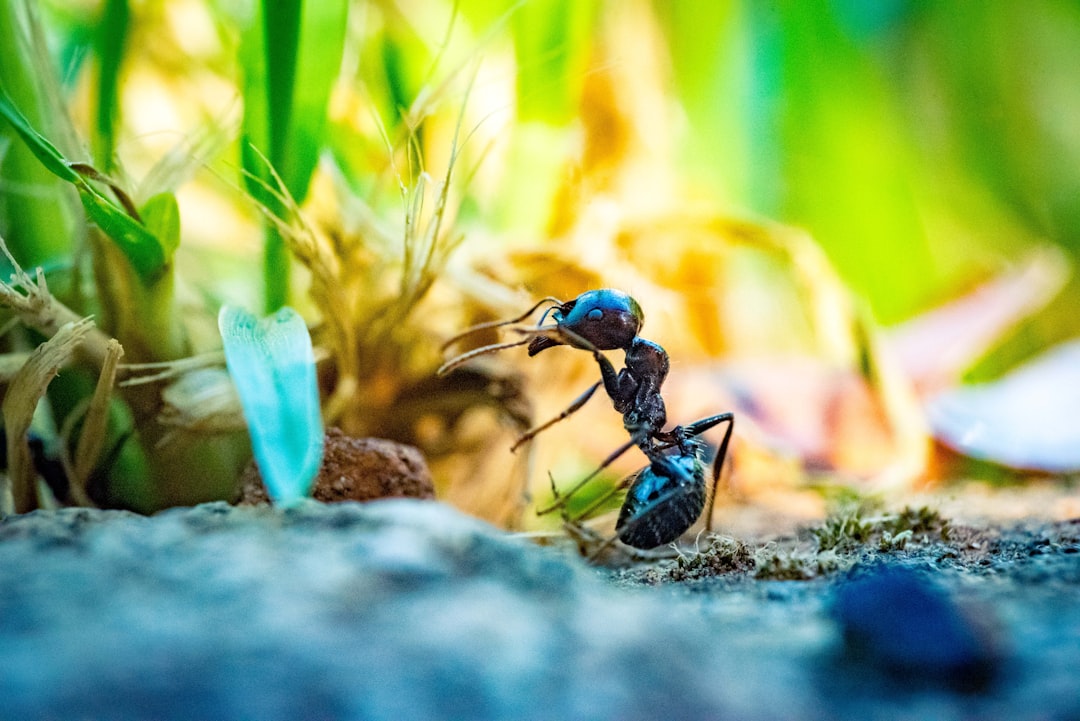
Benefits of keeping ants as pets compared to traditional pets
Benefits of keeping ants as pets compared to traditional pets
Imagine having a pet that requires no daily walks, never chews your favorite pair of shoes, incurs absolutely zero veterinary bills, and thrives without constant human interaction. While dogs, cats, and small rodents have long held the title of humanity’s favorite companions, a quiet revolution is happening in the world of pet ownership. Today, a growing community of enthusiasts is discovering the incredible fascination of keeping ants as pets.
When you dive into the sheer number of benefits of keeping ants as pets compared to traditional pets, it becomes clear why this hobby—known as myrmecology—is exploding in popularity. From profound educational value to unparalleled space efficiency, cultivating your own miniature ecosystem offers a deeply rewarding experience.
If you are on the fence about what kind of companion fits your lifestyle, this comprehensive guide will explore exactly why these remarkable insects might just be the perfect addition to your home.

Unmatched Convenience for Modern Living
The realities of modern urban living often clash with the needs of traditional pets. Long working hours, strict landlord policies, and compact apartments make owning a dog or even a cat difficult, if not impossible. This is where the unique advantages of insect husbandry truly shine.
Space Efficiency
One of the primary reasons people seek low maintenance pet alternatives for small spaces is the shrinking size of urban apartments. A dog requires a yard or frequent trips to the park; a cat needs space for a litter box, scratching posts, and climbing trees. Even a proper guinea pig cage takes up a significant portion of a room.
In stark contrast, an entire empire of ants can live comfortably on a bookshelf or the corner of your desk. Because they are meticulously organized, ants naturally adapt to contained environments. This makes them the ultimate space saving exotic pets for home offices, dorm rooms, or studio apartments. You can observe a thriving metropolis of thousands of workers right next to your computer monitor without sacrificing any functional living space.
Noise and Allergen-Free
Living in an apartment building often means worrying about noise complaints from neighbors. Barking dogs, meowing cats, or the squeaking wheels of a nocturnal hamster can create tension. Consequently, ants rank among the best quiet pets for apartment dwellers. They are completely silent, allowing you to enjoy their fascinating behaviors without a single decibel of disruption.
Furthermore, allergies prevent millions of people from enjoying animal companionship. Pet dander, saliva, and fur can trigger severe respiratory issues. Ants, however, are completely hypoallergenic pets for indoor living. They produce no dander, shed no fur, and remain fully contained within their enclosures, guaranteeing a sneeze-free environment for sensitive individuals.

Financial and Time Commitments Analyzed
Pet ownership is generally synonymous with high costs and heavy time investments. By shifting your perspective to myrmecology, you can bypass both of these burdens while still enjoying the thrill of nurturing living creatures.
The True Cost of Ownership
When you compare ant farm vs dog ownership costs, the difference is astronomical. According to various pet associations, the first year of dog ownership can cost anywhere from $1,500 to $4,000, factoring in vaccinations, spaying/neutering, quality food, leashes, beds, and toys.
Ant keeping requires a surprisingly minimal upfront investment. A basic setup, consisting of a test tube, some cotton, and a small foraging area, can cost less than $20. Even high-end, professionally crafted acrylic enclosures will only set you back between $50 and $150. Once the initial setup is complete, the ongoing monthly costs amount to pennies.
Effort and Daily Maintenance
Parents and young adults often look toward small mammals as "starter pets," leading to the common question: are ants easier to keep than hamsters? The short answer is yes, by a wide margin.
Hamsters require daily feeding, frequent water changes, and weekly cage deep-cleans that involve scrubbing and replacing bedding to prevent foul odors. Hamsters are also prone to stress and illnesses that require specialized exotic vet care.
In contrast, an established ant colony manages its own hygiene. Ants designate specific areas in their outworld (the foraging area connected to their nest) as a "graveyard" and "trash dump," making cleanup incredibly easy for the owner. You simply use tweezers to remove the designated trash pile once a week.
Feeding Regimens
When examining pet ant feeding requirements vs traditional animals, the simplicity is striking. Dogs and cats need heavily processed kibble or expensive raw diets. Reptiles require live feeder insects dusted in calcium daily.
Ant colonies, however, primarily need two things: carbohydrates for energy and protein for the queen and developing larvae. You can satisfy their carbohydrate needs with a simple drop of honey or sugar water once or twice a week. Protein can be provided via a single mealworm, a piece of a cricket, or even a tiny scrap of unseasoned cooked meat from your dinner plate. They eat incredibly small amounts, meaning a single $3 container of mealworms from a pet store can be frozen and last your colony for months.
Vacationing as a Pet Owner
One of the most stressful parts of traditional pet ownership is leaving home. Boarding a dog or hiring a pet sitter is expensive and requires extensive planning.
Managing pet care during vacations for ant owners is virtually stress-free. If you are leaving for a week or two, you simply provide a "water tower" (a test tube filled with water and plugged with cotton) and an extra drop of honey. Because ants can store food in their social stomachs (the crop) and share it with the colony as needed, they can easily survive your absence without suffering from separation anxiety or starvation.

Longevity and the Lifecycle of an Ant Colony
A common heartbreak of keeping small pets is their incredibly short lifespans. Comparing pet ant life expectancy with rodents reveals an astonishing biological advantage in favor of ants.
Mice, rats, and hamsters generally live between two to three years. Just as you form a bond and establish a routine, they reach the end of their lives, which can be particularly difficult for young children to process.
If you are wondering how long do pet ant queens live, the answer will likely surprise you. Depending on the species, a queen ant can live anywhere from 5 to 15 years, with some species like Lasius niger (the common black garden ant) recorded as living nearly 30 years in captivity!
The queen is the heart and soul of the colony. As long as she is alive and healthy, she will continue to lay eggs, and the colony will thrive. Worker ants have shorter lifespans (typically a few months to a year), but because the queen constantly replenishes their numbers, the colony as a whole is a long-term, dynamic entity. You are not just keeping a pet; you are stewarding a multi-generational legacy.
The Fascinating World of Living Science
While a dog offers affection, an ant colony offers a front-row seat to one of nature's most complex and brilliant social structures.
A Micro-World of Learning
The educational benefits of observing ant colony behavior are boundless. Ants operate as a superorganism. No single ant is "in charge" (not even the queen, who simply serves as the reproductive engine). Instead, the colony relies on chemical signals (pheromones) to communicate, organize labor, and defend their home.
By keeping an ant colony, you get to witness:
- Architecture and Engineering: Watch as workers excavate tunnels, build support pillars, and create specialized chambers for the queen, the brood (eggs, larvae, pupae), and food storage.
- The Circle of Life: You can observe the complete metamorphic lifecycle, from a tiny microscopic egg to a wriggling larva, into a cocooned pupa, and finally, the magical moment when an adult worker "ecloses" (emerges) and is assisted by her sisters.
- Problem Solving: If you place an obstacle in their outworld or offer a large piece of food, you can watch their scout ants discover it, lay down a pheromone trail, and summon a massive recruitment of workers to dismantle and transport the prize.
This real-time observation explains why ants are good pets for science education. Teachers and homeschooling parents use them to teach biology, ecology, teamwork, and physics. Unlike reading about it in a textbook, children can watch the scientific method unfold right before their eyes.

How to Enter the Hobby of Myrmecology
Getting started is easier than you might think, but it requires patience and a bit of biological knowledge.
Step 1: Finding Your Queen
While you can purchase ants online, the most rewarding method is starting an ant colony from a caught queen. Every year, mature wild colonies release winged reproductive males and female queens in a massive event known as a "nuptial flight."
After mating in the air, the males die, and the newly mated queens drop to the ground, shed their wings, and frantically search for a dark place to start a new colony. You can easily find these wingless, wandering queens on sidewalks, driveways, or park paths on warm, humid days after a rainstorm.
Step 2: The Test Tube Setup
Once you catch a queen, do not put her in dirt! Setting up a beginner formicarium starts with a simple "test tube setup."
- Fill a glass test tube halfway with water.
- Push a cotton ball down into the water so it becomes saturated, creating a tight seal.
- Place the queen in the dry half of the tube.
- Plug the entrance with a second, dry cotton ball.
This setup mimics a damp, underground chamber. The water will last for months, providing the necessary humidity and drinking water. Place the tube in a dark, quiet closet, and leave her alone for an entire month. She will use her body's energy reserves (absorbed from her discarded wing muscles) to raise her very first set of tiny workers, known as "nanitics."
Step 3: Moving to a Formicarium
Once the queen has 15 to 20 workers, it is time to connect their test tube to a small outworld (a clear plastic box). This is where you will introduce their food. As the colony grows to hundreds of workers, you can connect them to larger, professional nests made of acrylic, 3D-printed plastic, or aerated concrete (Ytong).
Choosing the Right Ant Species
For beginners, picking the right ant species is crucial. Avoid species that sting or require incredibly precise temperature controls.
- Camponotus (Carpenter Ants): Excellent for beginners. They are large, making them very easy to observe, though their colony growth is somewhat slow.
- Lasius niger (Black Garden Ants): Extremely hardy, very active, and highly forgiving of beginner mistakes.
- Tetramorium (Pavement Ants): Fast-growing and voracious eaters. They will gladly eat a variety of protein sources and grow into massive, active colonies quickly.
Weighing it All: The Pros and Cons
To provide a fully transparent view, we must look at the pros and cons of myrmecology as a hobby.
The Pros:
- Incredibly low cost after the initial setup.
- Minimal daily time requirement.
- Fascinating to watch, offering endless educational value.
- Completely silent, odorless, and space-efficient.
- No emotional guilt when leaving them for a vacation.
The Cons:
- Patience is Required: The first year of colony growth can be painstakingly slow. A queen might only produce 10 to 20 workers in her first six months.
- No Physical Affection: You cannot pet an ant or cuddle with a colony. The joy is entirely observational, much like keeping tropical fish.
- Escapes Can Happen: If you fail to properly apply escape prevention barriers (like a rim of fluon or baby powder mixed with rubbing alcohol) to your outworld, you might find some rogue foragers on your desk.
- Hibernation (Diapause): Many ant species from temperate climates require a 3-to-4 month hibernation period in the winter, meaning you must put them in a wine cooler or a cold garage and wait months to see them active again.

The Final Takeaway
Stepping outside the traditional boundaries of pet ownership opens up a miniature universe of discovery. The benefits of keeping ants as pets compared to traditional pets touch upon every aspect of modern life—they save you money, preserve your living space, adapt perfectly to busy schedules, and offer a mesmerizing window into the intricate machinery of nature.
Whether you are an apartment dweller seeking a silent companion, a parent looking for a deeply educational project for your children, or simply a nature lover fascinated by the microscopic world, an ant colony provides an unparalleled experience. By setting up a beginner formicarium and catching your very first queen, you aren't just getting a pet; you are becoming the architect and caretaker of a thriving, intelligent city right inside your own home.

De Talis Us


Dejar un comentario
Este sitio está protegido por hCaptcha y se aplican la Política de privacidad de hCaptcha y los Términos del servicio.