


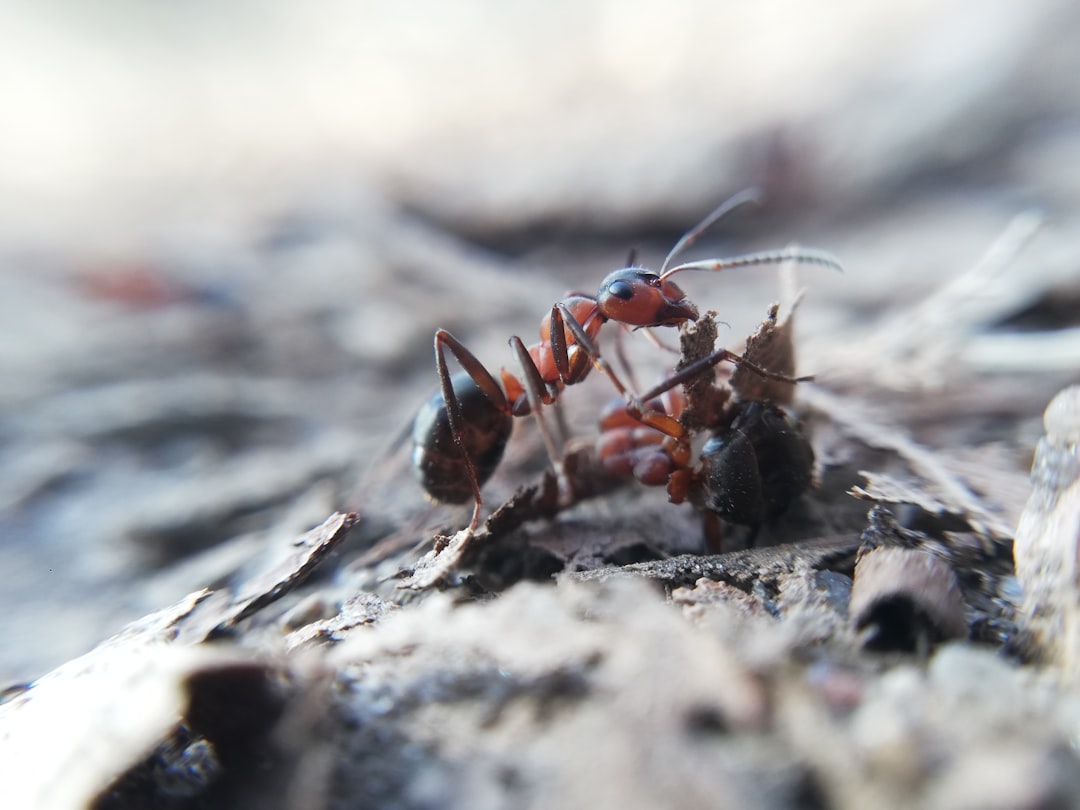
What Are the Best Ant-Keeping Equipment for Beginners?
What Are the Best Ant-Keeping Equipment for Beginners?
Diving into the world of myrmecology—the study and keeping of ants—is an incredibly rewarding hobby. There is something deeply fascinating about watching a single queen raise her first workers and gradually build a thriving, bustling metropolis right on your desk. However, if you are just starting out, the sheer volume of available gear can feel overwhelming.
Choosing the best ant keeping equipment for beginners will not only make your life easier but also ensure your newly acquired colony stays healthy, secure, and stress-free. In this comprehensive guide, we will walk you through exactly what you need, from the initial test tube setup to advanced climate control, so you can build the perfect home for your miniature ecosystem.

The Founding Stage: Where Every Colony Begins
Before you invest in massive, elaborate habitats, it is crucial to understand how a colony starts. A freshly mated queen does not need a massive ant farm; in fact, putting a single queen into a large setup will likely stress her to death.
The Trusty Test Tube Setup
The most critical piece of equipment for a beginner is the simple glass or plastic test tube. This acts as a small formicarium for founding colonies. You fill one-third of the tube with water, plug it tightly with a cotton ball, introduce the queen, and plug the entrance with another cotton ball. This creates a secure, humid, and enclosed space that mimics the underground chamber a queen would naturally dig in the wild.
Test Tube Portals
Once your queen has her first few workers (called "nanitics"), they will need to start foraging for food. Trying to drop food past a cotton plug while preventing tiny, panicking ants from escaping is a common beginner struggle.
This is where a test tube portal for queen ants becomes invaluable. A portal is a small, enclosed plastic box with connection ports. You plug the test tube directly into the portal, allowing the workers to step out of their tube into a miniature foraging area. It is one of the most highly recommended ant keeping accessories because it makes feeding and cleaning practically effortless during the early months.

Nests and Foraging Areas: Upgrading Your Setup
Once your colony outgrows its test tube—usually when they hit 20 to 50 workers, depending on the species—it is time to move them into a proper setup. This consists of two main parts: the nest and the foraging area.
Formicarium vs Outworld Difference
One of the most common questions from newcomers is about the terminology. Understanding the formicarium vs outworld difference is the cornerstone of keeping ants.
- The Formicarium (The Nest): This is the underground portion of the colony's home. It is where the queen lives, where the brood (eggs, larvae, and pupae) is raised, and where the ants feel safest. It is typically kept dark and humid.
- The Outworld (The Foraging Area): This represents the "outside world." It is a well-ventilated, brightly lit, open-air or lidded box where you place their food and water. The ants will leave the formicarium, travel to the outworld, gather resources, and bring them back to the nest. They also use the outworld as a graveyard and a garbage dump, making it easy for you to clean.
Choosing the Nest Material: Acrylic vs 3D Printed Ant Nests
When shopping for the best ant keeping equipment, you will quickly notice that nests come in various materials. The two most popular for beginners are acrylic and 3D printed nests.
- Acrylic Nests: These are built from stacked layers of laser-cut acrylic. The major advantage of an acrylic nest is crystal-clear visibility. If you love taking macro photos or observing tiny details of larval development, acrylic is unmatched. However, acrylic does not absorb water, making humidity distribution heavily reliant on built-in sponges.
- 3D Printed Nests: Usually printed from PLA plastic, these nests are highly customizable. The primary benefit in the acrylic vs 3D printed ant nests debate is that many 3D printed nests use a gypsum, ytong (aerated concrete), or ceramic base inside the plastic shell. This material absorbs and spreads water beautifully, creating perfect humidity gradients for the ants.
For beginners, a small 3D-printed nest with a clear acrylic lid is often the perfect middle ground, offering both great moisture retention and good visibility.

The Essential Ant Keeping Starter Kit
If you want to save time and avoid buying pieces that do not fit together, purchasing a complete starter kit is a brilliant idea. But what exactly should you look for in your ant farm supplies?
Essential Ant Keeping Starter Kit Components
A high-quality starter kit should include:
- A founding nest or small formicarium: Scaled appropriately for a young colony.
- A small outworld: With a secure, tight-fitting lid.
- Connecting tubing: Usually clear PVC or silicone tubing to connect the nest to the outworld.
- Featherweight forceps (tweezers): Soft enough to pick up an ant without crushing it, and perfect for removing trash.
- Pipettes or syringes: For spot-watering the nest and dispensing liquid sugars.
- Liquid feeders: Tiny water towers that dispense sugar water or drinking water in the outworld over several days.
- Cotton balls: An endless necessity for ant keepers.
How to Set Up a Starter Ant Farm
Wondering how to set up a starter ant farm once your box arrives? It is a simple, step-by-step process:
- Wash the Outworld: Rinse your outworld with warm water (no harsh soaps) and dry it completely.
- Apply the Escape Barrier: Before adding anything to the outworld, apply your escape barrier around the top inner rim (more on this below) and let it dry.
- Connect the Tubes: Attach the nest to the outworld using the provided tubing. Ensure there are no gaps where tiny workers could squeeze out.
- Hydrate the Nest: Add water to the nest’s hydration chamber. Give it a few hours to establish a humidity gradient before introducing the ants.
- Decorate the Outworld (Optional): Add a very thin layer of sand or a few small stones. Do not add deep soil, or the ants will dig into it and hide from you!

Mastering Climate Control and Security
Ants are sensitive to their environment. Keeping them inside your house means you are responsible for their weather, hydration, and keeping them contained.
Ant Colony Hydration and Humidity Systems
Without proper moisture, an ant colony will quickly perish. Different species require different humidity levels, but all need a reliable water source. Modern ant colony hydration and humidity systems take the guesswork out of this process.
Look for formicariums equipped with mesh-covered water reservoirs or sponge inserts. You inject water into these chambers once a week with a syringe. The water evaporates through the mesh or gypsum, raising the humidity in the adjacent chambers without flooding the nest. Additionally, always keep a test tube filled with fresh drinking water plugged with cotton in the outworld so they can drink whenever they want.
Heating Cables for Tropical Ant Colonies
If you live in a cold climate or are keeping a tropical species, room temperature will not be enough. Cold ants become sluggish, and the queen will stop laying eggs.
Heating cables for tropical ant colonies (often used for reptiles) are the safest way to warm a nest. Instead of heating the entire formicarium, run the cable along one edge of the nest. This creates a "thermal gradient." The ants will intuitively move their pupae to the warm side to speed up development, while keeping the eggs and larvae on the cooler, more humid side. Never use heat lamps, as they can quickly cook your colony in a closed plastic container.
Fluon Escape Prevention for Ant Nests
You want your ants in their habitat, not exploring your kitchen counters. A secure lid is great, but opening that lid to feed a colony of 500 fast-moving workers can be a nightmare. You need a barrier.
The industry standard is PTFE, commonly known as Fluon. Fluon escape prevention for ant nests works by creating a microscopic, slippery film on the glass or plastic. When you paint a 1-inch strip around the top inner rim of the outworld and let it dry, it turns into a smooth, frictionless surface. When an ant tries to climb it, she will simply slide backward and fall safely back into the outworld. Applied correctly, a Fluon barrier can last for months before needing a touch-up.

Feeding Your Growing Colony
Proper nutrition is divided into two main categories: carbohydrates (sugars) for the adult workers' energy, and proteins for the queen to lay eggs and for the larvae to grow.
What Do Pet Ants Eat for Protein?
A common misconception is that ants can survive on breadcrumbs and leaves. While adult workers live mostly on liquid sugars (like honey-water or specialized ant nectars), the larvae desperately need protein. So, what do pet ants eat for protein?
The best and safest sources are feeder insects.
- Mealworms: Easily accessible at any pet store. For small colonies, cut the mealworm in half so the tiny workers can access the soft insides.
- Fruit Flies (Drosophila): Absolutely perfect for young, founding colonies. They are soft, easy to drag into the nest, and highly nutritious.
- Crickets and Roaches: Great for larger colonies.
Actionable Tip: Always buy feeder insects from a pet store or breed them yourself. Never feed your ants wild-caught bugs from your garden, as they may be covered in deadly pesticides or carry parasites.
Advanced Tips for the Ambitious Beginner
As you get comfortable with your ant keeping accessories and basic routines, you will eventually run into a few common myrmecology milestones and hurdles.
Moving Ants From Test Tube to Formicarium
When the test tube gets too crowded, or the water reservoir runs dry, it is time for a move. Moving ants from test tube to formicarium requires immense patience.
Never forcefully dump the ants into their new home. This can fatally stress the queen and scatter the brood. Instead, connect the old test tube directly to the new setup. Make the old test tube highly uncomfortable by exposing it to bright light (using an LED lamp, ensuring it doesn't get too hot) and keep the new formicarium dark and humid. The workers will scout the new area, realize it is superior, and gently carry the queen and the brood over. This process can take anywhere from an hour to three weeks. Let them move at their own pace.
Ant Farm Substrate for Digging Species
While many beginner setups use bare floors for easy cleaning, some ant keepers prefer a naturalistic approach. If you are keeping a species that loves to construct its own architecture, you will need the right ant farm substrate for digging species.
A mixture of sand and clay (often sold as sand-loam) is ideal. When slightly dampened, it holds its shape perfectly, allowing the ants to dig intricate, structurally sound tunnels that won't collapse on them. Keep in mind that providing deep substrate in an outworld might cause the ants to move out of the formicarium and live in the dirt where you can't see them!
Troubleshooting Mold in Ant Nests
Because ant nests are warm, humid, and full of organic matter, mold is a common adversary. Troubleshooting mold in ant nests is a vital skill.
Mold usually sprouts on uneaten insect parts that the ants dragged into the nest and left there.
- Prevention: Feed your ants smaller portions so they finish everything.
- Cleanup: If the mold is in the outworld, simply use your tweezers to remove the fuzzy garbage.
- Biological control: Many keepers introduce springtails—tiny, harmless micro-insects—into the formicarium. Springtails act as a microscopic janitorial crew, eating mold spores before they can bloom, all while peacefully coexisting with the ants.
- Nest Mold: If mold grows on the nest material itself, gently reduce the humidity slightly. Ants are remarkably good at cleaning their own nests, and minor mold spots usually won't harm them. However, if black mold overtakes the nest, you may need to offer them a clean test tube and force a relocation.
Sourcing Your Ants
You have all the gear, but you still need the stars of the show.
Where to Buy Live Queen Ants Online
Because of strict agricultural laws, transporting live ants across international or state borders is often illegal without permits, as they can become invasive species. So, where to buy live queen ants online safely and legally?
Look for domestic ant vendors located in your country or region. In the US, programs like the GAN (Global Ant Nursery) Project connect local catchers with buyers, ensuring you are purchasing a native species that is perfectly legal to keep. There are also many reputable online myrmecology stores that hold the proper USDA permits to ship specific species across state lines.
Best Ant Species for First-Time Keepers
Not all ants are created equal. Some are notoriously difficult, requiring incredibly specific humidity or a diet of live prey. When starting, choose one of the best ant species for first-time keepers:
- Camponotus (Carpenter Ants): Large, slow-moving, and very forgiving of rookie mistakes. Because of their size, they are incredibly fun to watch.
- Lasius niger (Black Garden Ant): A European staple that is highly active, fast-growing, and aggressively hunts food.
- Messor barbarus (Harvester Ants): These ants are unique because they eat seeds! They grind seeds into "ant bread," meaning you rarely have to feed them insects.
Conclusion
Starting your first ant colony is a thrilling experience that offers a unique window into the hidden mechanics of nature. By investing in the best ant keeping equipment for beginners—from a reliable founding test tube to a properly hydrated 3D-printed nest with a secure Fluon barrier—you are setting yourself up for years of enjoyment.
Remember, myrmecology is a hobby of patience. Let your colony dictate their pace, keep their habitat clean, provide a steady stream of sugars and proteins, and enjoy the incredible process of watching a lone queen build a sprawling empire right before your eyes. Happy ant keeping!

De Talis Us


Dejar un comentario
Este sitio está protegido por hCaptcha y se aplican la Política de privacidad de hCaptcha y los Términos del servicio.