



What You Need to Know About Pet Reptiles
What You Need to Know About Pet Reptiles: Essential Care and Selection Guide

Pet reptiles have become increasingly popular among animal lovers, offering unique companionship and fascinating behaviors. This guide aims to provide essential information on selecting and caring for pet reptiles, ensuring that both novice and experienced owners can make informed decisions. Readers will learn about the best reptile species for beginners, key factors to consider when choosing a pet reptile, and vital care tips for maintaining their health and well-being. Additionally, we will explore proper nutrition, common health problems, habitat setup, and specialized products that support optimal reptile care. Understanding these aspects will help potential owners navigate the exciting world of pet reptiles while ensuring responsible ownership.
Which Pet Reptiles Are Best for Beginners?
When considering a pet reptile, it's crucial to choose species that are known for their ease of care and friendly temperament. Some of the best options for beginners include:
- Leopard Gecko : These small lizards are known for their docile nature and minimal care requirements, making them ideal for first-time reptile owners.
- Bearded Dragon : Friendly and interactive, bearded dragons thrive on human interaction and are relatively easy to care for, requiring a balanced diet and proper habitat.
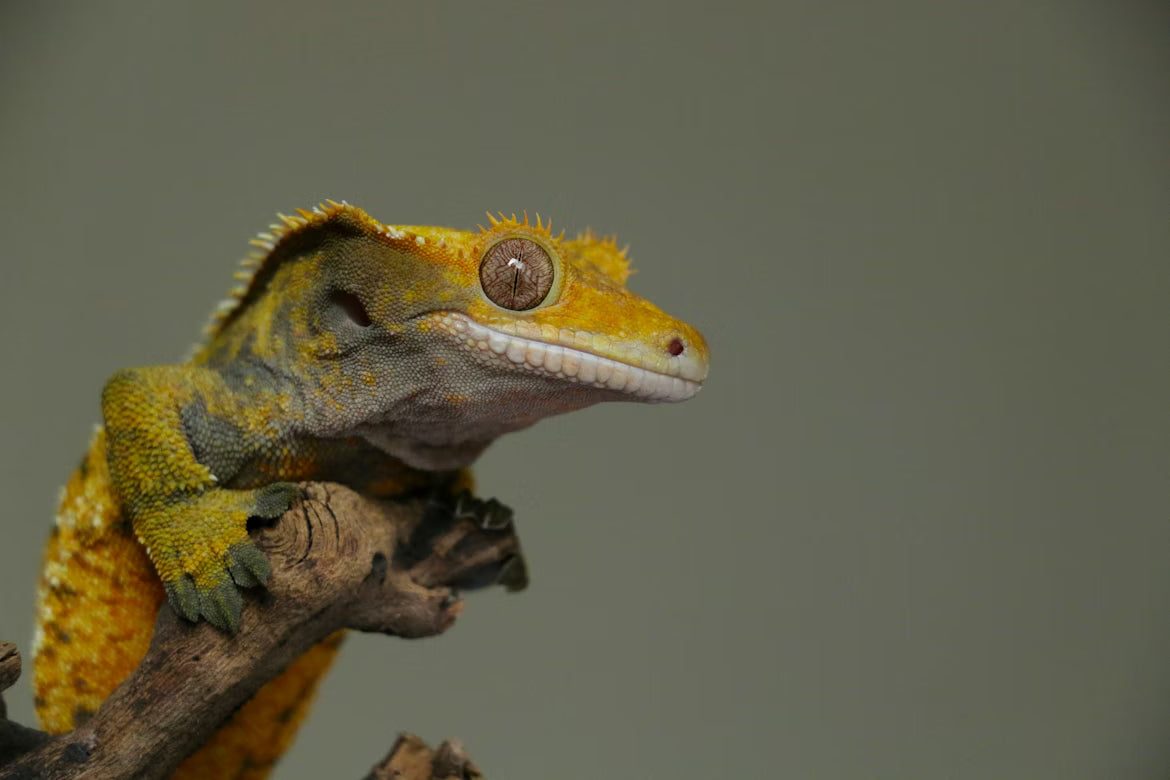
- Crested Gecko : With their unique appearance and gentle disposition, crested geckos are low-maintenance pets that adapt well to various environments.
These species not only provide companionship but also offer educational opportunities for owners to learn about reptile care and behavior.
Talis Us offers a range of premium pet supplies tailored for these beginner-friendly reptiles, ensuring that new owners have access to the best products for their pets.
What Factors Should You Consider When Choosing a Pet Reptile?
Selecting the right pet reptile involves several key considerations that can significantly impact the owner's experience. Important factors include:
- Habitat Requirements : Different reptiles have varying needs for space, temperature, and humidity. Researching these requirements is essential for creating a suitable environment.
- Temperament : Understanding the personality traits of different species can help owners choose a reptile that matches their lifestyle and handling preferences.
- Dietary Needs : Each species has specific dietary requirements, including the types of food and feeding schedules necessary for their health.
By carefully evaluating these factors, potential reptile owners can make informed choices that lead to successful and fulfilling pet ownership.
What Are the Key Pet Reptile Care Tips for Health and Well-being?

Maintaining the health and well-being of pet reptiles requires attention to several essential care tips:
- Habitat Setup : Ensure that the enclosure mimics the reptile's natural environment, including appropriate heating, lighting, and humidity levels.
- Diet : Provide a balanced diet that meets the specific nutritional needs of the species, incorporating a variety of foods to promote health.
- Health Monitoring : Regularly observe your reptile for signs of illness or distress, and consult a veterinarian experienced in reptile care when necessary.
These care tips are vital for ensuring that pet reptiles thrive in their environments and lead healthy lives.
How Do You Maintain Proper Nutrition for Your Pet Reptile?
Proper nutrition is crucial for the health of pet reptiles, as it directly impacts their growth, energy levels, and overall well-being. Key guidelines for maintaining proper nutrition include:
- Dietary Requirements : Understand the specific dietary needs of your reptile species, which may include insects, vegetables, or specialized pellets.
- Feeding Schedule : Establish a consistent feeding schedule that aligns with the reptile's age and species-specific needs.
- Variety in Diet : Offer a diverse range of foods to ensure that your reptile receives all necessary nutrients and to prevent dietary deficiencies.
By adhering to these guidelines, owners can support their reptiles' health and longevity.
What Common Health Problems Affect Pet Reptiles and How Can You Prevent Them?
Pet reptiles can experience various health issues, but many can be prevented with proper care. Common health problems include:
- Respiratory Infections : Often caused by poor habitat conditions, these infections can be prevented by maintaining appropriate temperature and humidity levels.
- Metabolic Bone Disease : This condition results from inadequate calcium and UVB exposure, making it essential to provide proper lighting and dietary supplements.
- Parasites : Regular veterinary check-ups and maintaining a clean habitat can help prevent parasitic infections.
Understanding these health issues and their prevention can lead to a healthier and happier pet reptile.
How Do You Set Up and Maintain a Suitable Reptile Habitat?
Creating a suitable habitat for a pet reptile involves several critical steps:
- Research Species-Specific Needs : Each reptile species has unique habitat requirements, including size, temperature, and humidity.
- Optimal Enclosure : Choose an appropriate enclosure that provides enough space for the reptile to move and explore comfortably.
- Environmental Conditions : Maintain proper heating, lighting, and humidity levels to replicate the reptile's natural environment.
By following these steps, owners can create a thriving habitat that supports their reptile's health and well-being.
Which Specialized Products Support Optimal Reptile Nutrition and Care?

To ensure the best care for pet reptiles, several specialized products are essential:
- Feeding Supplies : High-quality food options tailored to specific reptile species, including live insects and fortified pellets.
- Habitat Accessories : Items such as heat lamps, UVB lights, and humidity gauges that help maintain optimal living conditions.
- Health Products : Supplements and medications designed to support reptile health, including calcium powders and vitamin drops.
These products play a vital role in providing comprehensive care for pet reptiles, ensuring they receive the nutrition and environment they need to thrive.
How Do Freeze Dried Treats Benefit Pet Reptile Nutrition?
Freeze-dried treats offer several benefits for pet reptiles, enhancing their nutrition and feeding experience:
- Nutritional Value : Freeze-dried treats retain essential nutrients, making them a healthy addition to a reptile's diet.
- Convenience : These treats are easy to store and serve, providing a quick and nutritious option for feeding.
- Long Shelf Life : Freeze-dried products have an extended shelf life, reducing waste and ensuring that owners always have nutritious options available.
Incorporating freeze-dried treats into a reptile's diet can enhance their overall nutrition and enjoyment during feeding.
What Premium Supplies Does Talis Us Offer for Responsible Reptile Ownership?
Talis Us specializes in providing premium supplies for responsible reptile ownership, ensuring that pet owners have access to high-quality products. Their offerings include:
- Reptile Food Options : A variety of nutritious food products tailored to different species, including freeze-dried and live food options.
- Housing Accessories : Essential items for creating a comfortable and safe habitat, such as heat lamps, substrates, and decor.
- Care and Health Products : Supplements and health products designed to support the well-being of pet reptiles.
By choosing Talis Us for their reptile supplies, owners can ensure they are providing the best care for their pets.

Written by Talis Us


Leave a comment
This site is protected by hCaptcha and the hCaptcha Privacy Policy and Terms of Service apply.