


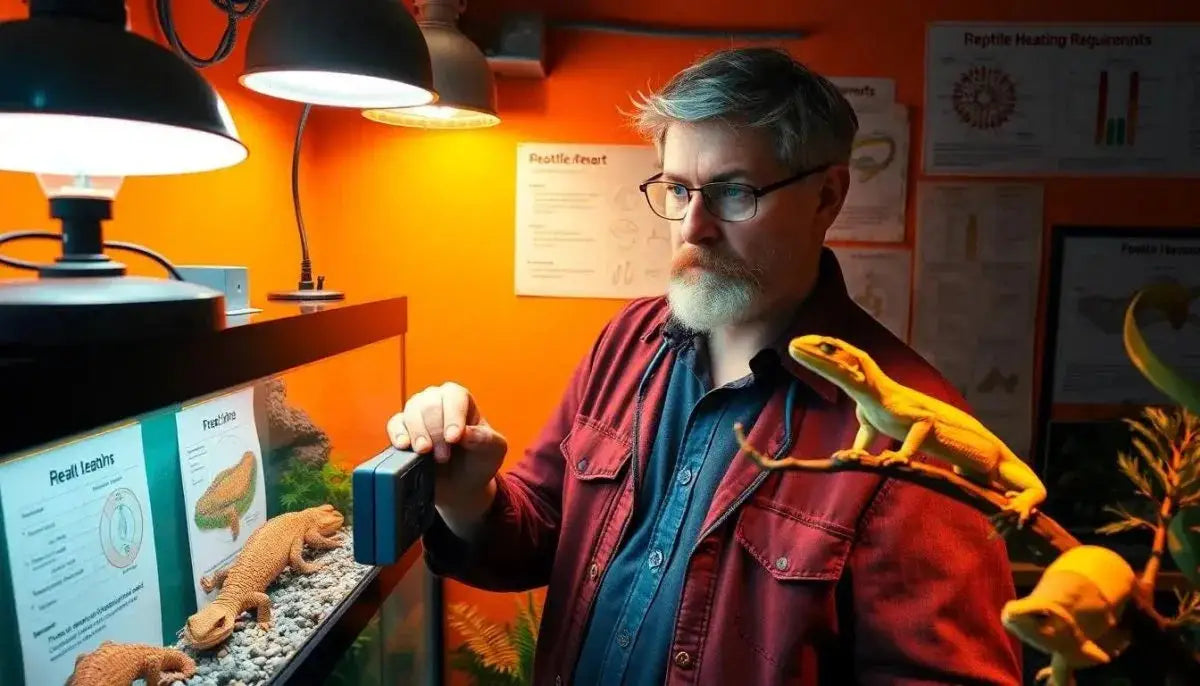
Unlocking the Secrets of Reptile Heating: A Comprehensive Guide
As a proud pet owner, you know that providing the right environment for your reptile is crucial for its health and well-being. One of the most important aspects of this is the heating setup. Proper heating not only keeps your scaly friend comfortable but also supports their essential bodily functions. In this comprehensive guide, we'll dive into the best practices for setting up a reptile heating system that will keep your pet thriving.
Understanding Reptile Heating Needs
Reptiles are ectothermic, meaning they rely on external sources of heat to regulate their body temperature. In the wild, they would bask in the sun or find warm spots to maintain their ideal temperature range. As a responsible pet owner, it's your job to recreate this environment in your home.
Different reptile species have varying heating requirements, so it's essential to research the specific needs of your pet. Some may require a basking spot that reaches 100°F, while others may thrive in a more moderate temperature range. Knowing your reptile's optimal temperature and humidity levels is the first step to creating the perfect habitat.
Choosing the Right Heating Equipment
Once you understand your reptile's heating needs, it's time to select the appropriate equipment. The most common options include:
-
Basking Lamps: These provide a concentrated, high-intensity heat source that mimics the sun's rays. Basking lamps are typically placed at one end of the enclosure, creating a temperature gradient.
-
Under-Tank Heaters: These are placed underneath the tank or terrarium, providing a gentle, even heat distribution. They're ideal for maintaining a consistent ambient temperature.
-
Ceramic Heat Emitters: These are specialized heating elements that emit infrared heat without producing light. They're great for nighttime heating or for reptiles that prefer a darker environment.
-
Heat Mats: These are thin, adhesive-backed heating pads that can be placed under a portion of the tank. They're useful for providing supplemental heat, but shouldn't be the primary heat source.
When selecting your heating equipment, consider factors like the size of your reptile's enclosure, the specific species' needs, and the overall energy efficiency of the setup.
Proper Heating Setup and Maintenance
Once you've chosen the right heating equipment, it's time to set it up for optimal performance. Here are some best practices to follow:
Establishing the Temperature Gradient
Create a temperature gradient within the enclosure by placing the heat source at one end. This allows your reptile to move between the warmer and cooler areas to thermoregulate as needed.
Monitoring and Adjusting Temperatures
Use a reliable digital thermometer and hygrometer to constantly monitor the temperatures and humidity levels in the enclosure. Adjust the heating equipment as necessary to maintain the ideal conditions for your reptile.
Providing Hiding Spots
Offer your reptile plenty of hiding spots, both in the warm and cool areas of the enclosure. This allows them to retreat and regulate their body temperature as needed.
Maintaining Cleanliness
Keep the enclosure clean and free of debris to ensure proper air circulation and prevent any potential fire hazards.
Replacing Heating Elements
Regularly inspect your heating equipment and replace any worn or malfunctioning components to ensure consistent and safe operation.
Troubleshooting Common Heating Issues
Even with the best setup, you may encounter some challenges along the way. Here are some common heating problems and how to address them:
Uneven Heating
If you notice hot and cold spots in the enclosure, adjust the positioning of the heating equipment or consider adding additional heat sources to create a more even temperature distribution.
Overheating
If your reptile appears stressed or lethargic, the enclosure may be too hot. Reduce the wattage of the heating elements or move them further away from the basking area.
Insufficient Heating
If your reptile is not able to maintain its ideal body temperature, increase the wattage of the heating equipment or move the heat source closer to the basking area.
Fluctuating Temperatures
Sudden temperature changes can be stressful for your reptile. Ensure that your heating setup is stable and consistent, and consider adding a thermostat to regulate the temperature automatically.
By following these best practices and troubleshooting any issues that arise, you'll be well on your way to creating the perfect heating environment for your reptile companion. Remember, the health and happiness of your pet should always be your top priority.
Conclusion
Providing the right heating setup for your reptile is a crucial aspect of their care. By understanding their specific needs, choosing the appropriate equipment, and maintaining a proper heating system, you can ensure your scaly friend thrives in your home. With this comprehensive guide, you're now equipped with the knowledge and tools to create a safe, comfortable, and enriching environment for your beloved reptile. Happy heating!

Written by Talis Us



Leave a comment
This site is protected by hCaptcha and the hCaptcha Privacy Policy and Terms of Service apply.