



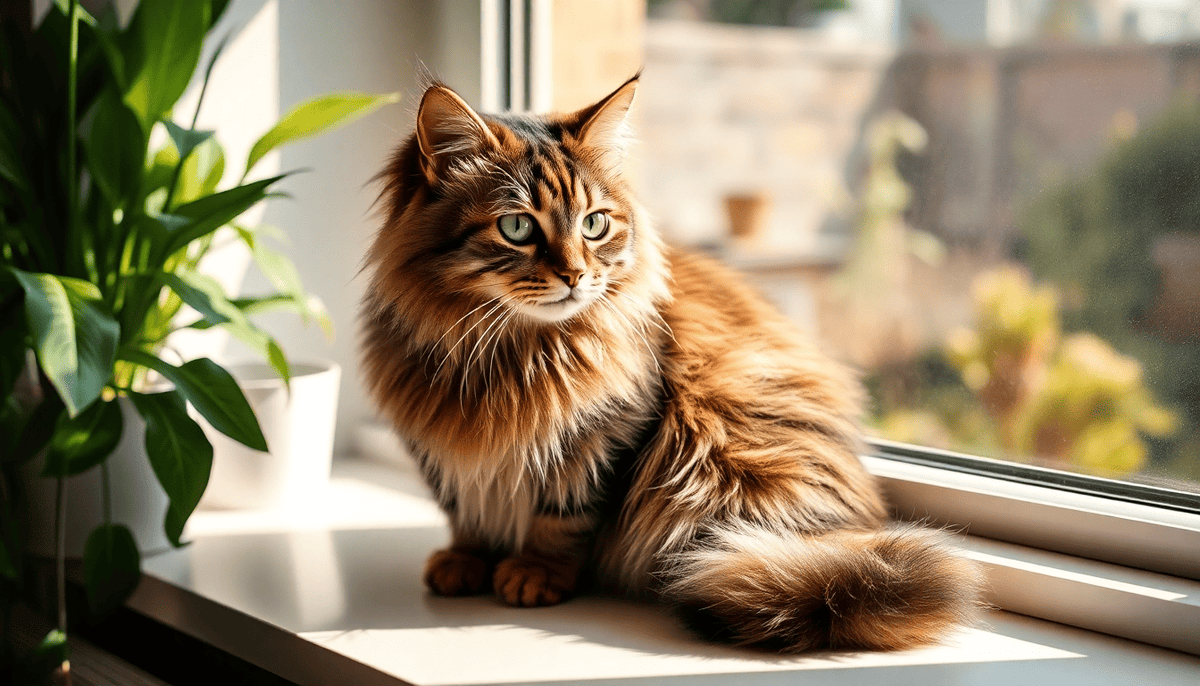
Unleash Your Cat's Potential: Grain-Free vs. Regular Cat Food
As a proud pet parent, you want nothing but the best for your feline companion. When it comes to their diet, the choices can be overwhelming - from traditional kibble to the latest grain-free options. In this blog post, we'll dive deep into the world of grain-free cat food, exploring its benefits, potential drawbacks, and how it stacks up against regular cat food.
The Rise of Grain-Free Cat Food
In recent years, grain-free cat food has gained significant popularity among pet owners. Driven by the belief that cats are obligate carnivores, the grain-free movement has positioned itself as a healthier alternative to traditional cat food. The premise is simple: cats in the wild don't consume grains, so why should our domestic felines?
Proponents of grain-free cat food argue that these diets more closely mimic the natural prey-based diet of cats, providing a higher proportion of protein and healthy fats while minimizing carbohydrates. This, they claim, can lead to a range of benefits, from improved digestion and skin health to increased energy and weight management.
The Nutritional Breakdown
To understand the differences between grain-free and regular cat food, let's take a closer look at their nutritional profiles.
Protein
Grain-free cat food typically boasts higher protein levels, often sourced from high-quality animal-based ingredients like chicken, turkey, or fish. This aligns with a cat's natural dietary needs, as they are obligate carnivores and require a significant amount of protein to thrive.
Carbohydrates
Regular cat food often contains grains like corn, wheat, or rice as a source of carbohydrates. Grain-free formulas, on the other hand, rely on alternative carbohydrate sources like potatoes, peas, or lentils. The goal is to minimize the presence of grains, which some pet owners believe can be difficult for cats to digest.
Fats
Both grain-free and regular cat food contain essential fatty acids, which are crucial for a cat's skin, coat, and overall health. However, grain-free formulas may emphasize certain healthy fats, such as those derived from fish or poultry, to further mimic a natural, prey-based diet.
Vitamins and Minerals
To ensure complete and balanced nutrition, both grain-free and regular cat food are formulated to include a comprehensive array of essential vitamins and minerals. Manufacturers work diligently to meet the specific nutritional requirements of cats, regardless of the formula.
The Potential Benefits of Grain-Free Cat Food
Proponents of grain-free cat food often cite a range of potential benefits, including:
Improved Digestion
The absence of grains in grain-free formulas may be easier for some cats to digest, potentially leading to reduced instances of gastrointestinal issues like vomiting, diarrhea, or constipation.
Healthier Skin and Coat
The higher protein and healthy fat content in grain-free cat food may contribute to a shiny, lustrous coat and healthy skin.
Weight Management
The lower carbohydrate levels in grain-free diets may help support healthy weight management, particularly for cats prone to obesity.
Reduced Allergies
Some pet owners believe that grain-free cat food can help alleviate food-related allergies or sensitivities, as grains are a common culprit.
Increased Energy
The nutrient-dense composition of grain-free cat food may provide a steady source of energy, helping your feline friend stay active and engaged.
Potential Drawbacks of Grain-Free Cat Food
While grain-free cat food has its proponents, it's essential to consider the potential drawbacks as well:
Cost
Grain-free cat food is generally more expensive than traditional, grain-inclusive formulas, which may be a concern for some pet owners.
Unproven Health Claims
Despite the claims of improved health benefits, the scientific evidence supporting the superiority of grain-free diets over regular cat food is still limited and inconclusive.
Potential Nutritional Imbalances
If not formulated properly, grain-free cat food may lack certain essential nutrients that cats require, leading to potential deficiencies.
Link to Heart Disease
In 2018, the FDA issued a warning about a potential link between grain-free diets and a rare form of heart disease called dilated cardiomyopathy (DCM) in dogs. While the research is still ongoing, this has raised concerns about the long-term effects of grain-free diets on feline health.
Striking the Right Balance
When it comes to choosing the best cat food, it's essential to consider your individual cat's needs, preferences, and any underlying health conditions. While grain-free cat food may be a viable option for some felines, it's not a one-size-fits-all solution.
The key is to work closely with your veterinarian to determine the most appropriate diet for your cat. They can help you navigate the various options, assess your cat's specific nutritional requirements, and make recommendations based on your pet's overall health and well-being.
Remember, the decision to switch to a grain-free diet should not be taken lightly. It's crucial to introduce any new food gradually, monitor your cat's response, and be prepared to make adjustments if necessary.
By staying informed, working with your vet, and prioritizing your cat's individual needs, you can ensure that your feline friend thrives on a diet that supports their overall health and happiness.
Conclusion
The grain-free cat food debate continues to be a topic of discussion among pet owners and experts alike. While the potential benefits are enticing, it's essential to approach this dietary choice with a critical eye and a deep understanding of your cat's unique requirements.
Ultimately, the decision to feed your cat a grain-free or regular diet should be based on a well-informed, collaborative process with your veterinarian. By considering the pros and cons, and tailoring the approach to your individual cat, you can make an informed decision that supports your feline's long-term health and well-being.
So, whether you choose grain-free or regular cat food, the most important thing is to provide your beloved companion with a nutritious, balanced diet that meets their unique needs. With the right approach, you can help your cat thrive and enjoy a happy, healthy life by your side.

Written by Talis Us


Leave a comment
This site is protected by hCaptcha and the hCaptcha Privacy Policy and Terms of Service apply.