


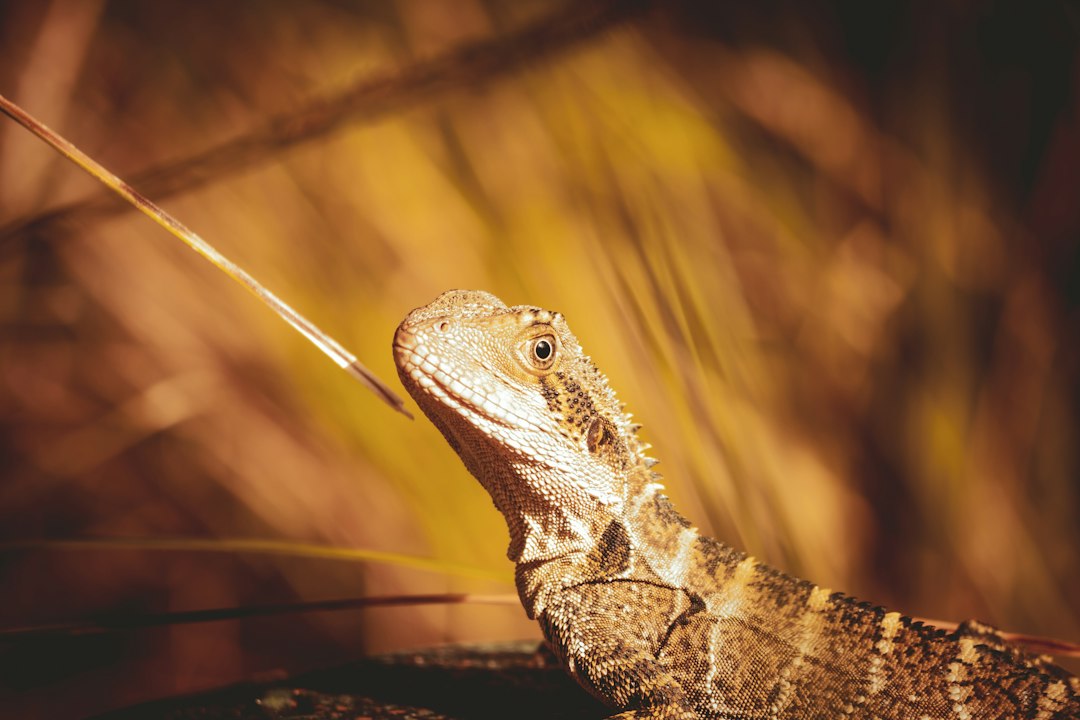
Understanding the Bearded Dragon's Natural Habitat
Understanding the Bearded Dragon's Natural Habitat
Bearded dragons come from dry, open parts of Australia where heat, sunlight, shelter, and seasonal change shape almost everything they do. Understanding the bearded dragon natural habitat helps keepers make smarter choices about lighting, enclosure layout, temperature gradients, diet, and daily handling. When a captive setup reflects the way these reptiles use their environment in the wild, bearded dragon care becomes more practical and less guesswork.
What is the bearded dragon’s natural habitat?
The bearded dragon habitat is mostly arid to semi-arid, with open landscapes that include scrublands, dry woodlands, rocky areas, savannas, and desert edges. The central bearded dragon, the species most commonly kept as a pet, is especially associated with inland Australia, where the environment is bright, dry, and highly variable between sun and shade, day and night, and season to season.
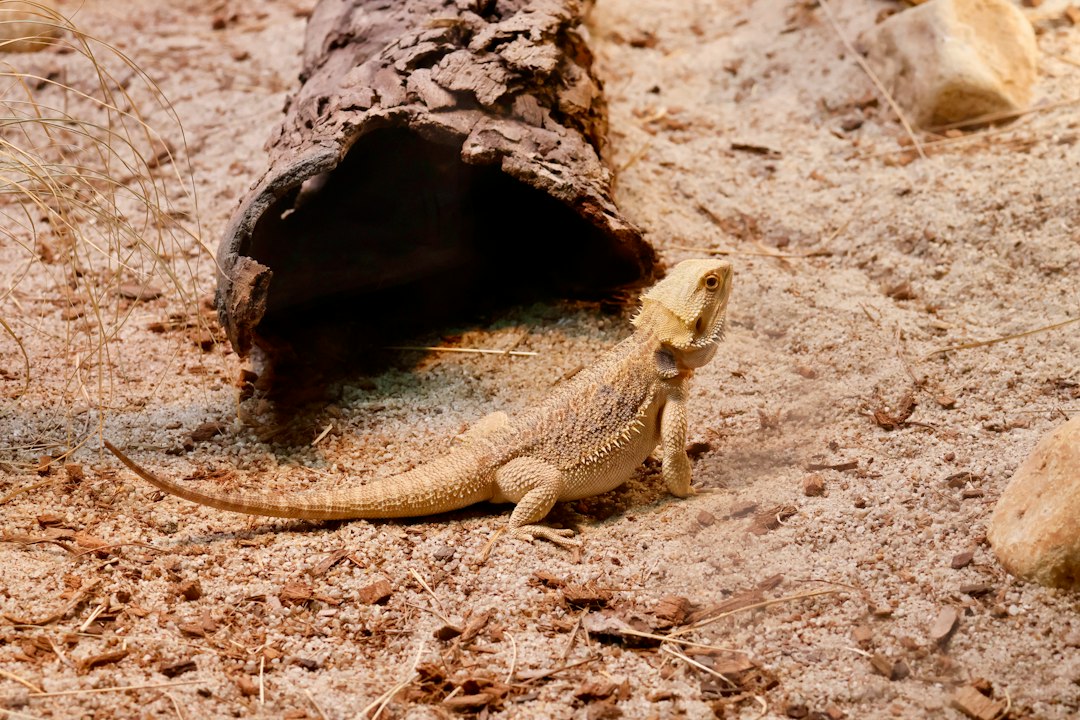
This does not mean bearded dragons live on bare sand with nothing around them. Their natural world is textured and layered. They use rocks, low shrubs, fallen branches, tree bases, fence posts, termite mounds, burrows, and crevices to manage heat, avoid predators, and watch their surroundings. A good captive enclosure should take inspiration from that complexity rather than copying a flat desert scene.

A landscape built around heat, light, and shelter
In the wild, bearded dragons live in places where sunlight is intense and shade is valuable. They are ectotherms, which means they depend on external heat sources to regulate body temperature. A dragon may bask in the morning to warm up, move into partial shade when it gets too hot, return to sun later in the day, and retreat into a sheltered space when conditions become uncomfortable.
This constant movement is called behavioral thermoregulation. It is one of the most important ideas to understand when designing a bearded dragon habitat at home. A healthy enclosure is not one uniform temperature. It should offer a warm basking area, cooler zones, shaded retreats, and surfaces that let the dragon choose where it wants to be.
Wild habitat also explains why strong lighting matters. Bearded dragons evolved under natural sunlight, not dim indoor conditions. In captivity, appropriate heat and UVB lighting help support normal activity, appetite, calcium metabolism, and overall wellness. The goal is not simply to make the enclosure “hot,” but to create a usable light-and-heat gradient.
Key natural habitat features to replicate
A captive environment cannot become inland Australia, but it can reflect the features bearded dragons rely on most:
- A bright basking zone: Gives the dragon a place to warm up, digest food, and behave naturally.
- A cooler side: Allows the dragon to leave the heat when it has reached a comfortable body temperature.
- Secure hides: Mimic burrows, rock gaps, and shaded retreats used for safety and temperature control.
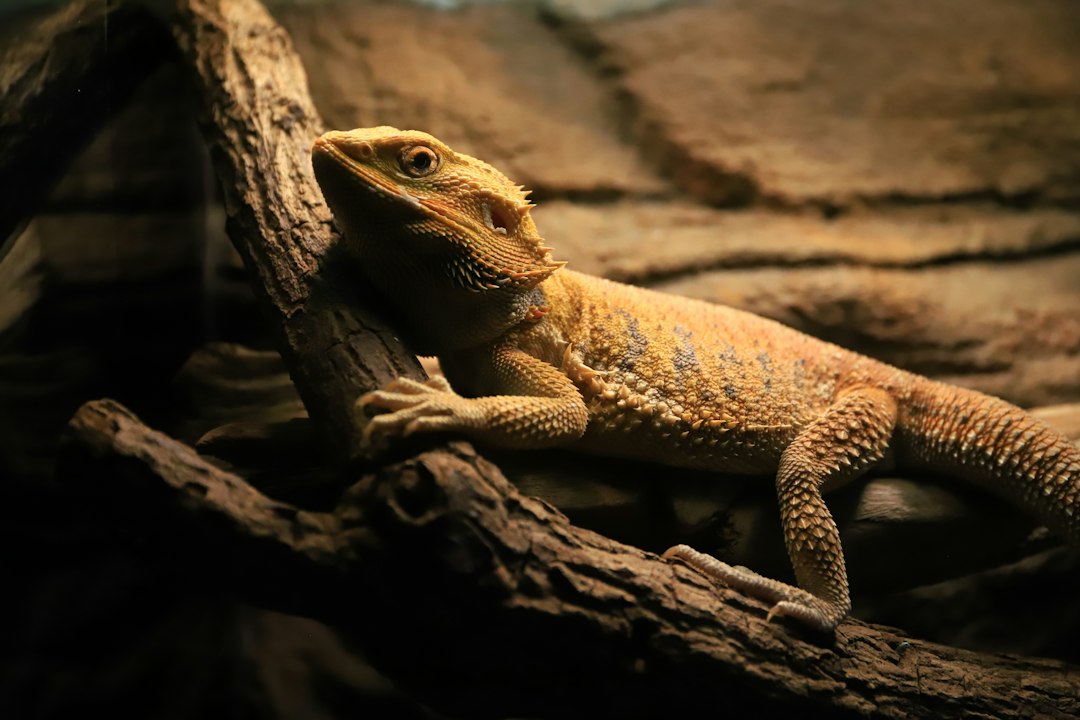
- Climbing and lookout points: Reflect natural use of branches, rocks, shrubs, and elevated perches.
- Open floor space: Supports walking, exploring, and visual awareness.
- Dry substrate or flooring: Matches their preference for low-humidity environments, while still needing safe, clean materials.
- Day-night rhythm: Helps reinforce normal feeding, basking, resting, and seasonal behavior.
These features work together. A basking lamp without a cool retreat can cause stress. A hide without proper lighting may encourage inactivity. A visually interesting enclosure helps the animal move through different zones rather than staying in one place all day.
Microhabitats matter more than “desert” as a label
Many people hear “desert reptile” and imagine endless dunes. Bearded dragons are better understood as dry-country generalists. They often use mixed terrain with sandy soils, hard-packed ground, stones, dry grasses, scrub, and scattered trees. These microhabitats provide choices, and those choices are central to survival.
A flat enclosure with one hide and one basking rock misses much of that natural complexity. In the wild, a bearded dragon may bask on a sun-warmed rock, climb a low branch for visibility, flatten against the ground to avoid detection, or slip into a burrow when temperatures shift. Each spot serves a different purpose.
For captive bearded dragon care, this means enrichment should be functional, not just decorative. Branches should be stable enough to climb. Hides should feel secure, not exposed. Rocks or platforms should be positioned so the dragon can bask safely without getting too close to heat sources. Visual barriers, such as cork bark or sturdy décor, can help the enclosure feel less like an empty box.
How do bearded dragons behave in their natural habitat?
Bearded dragons behave like animals built for visibility, heat management, and quick communication. In open habitats, they bask where they can absorb warmth and watch for threats, then use body posture, color changes, and movement to respond to rivals, mates, predators, and environmental conditions.
Their famous behaviors make more sense when viewed through this habitat lens. Head bobbing can signal dominance or courtship. A darkened “beard” may appear during stress, excitement, conflict, or display. Arm waving can be a submissive signal, especially when one dragon is acknowledging another. These are not random quirks; they are visual signals suited to open terrain where body language can be seen from a distance.
Territoriality is another important part of wild behavior. Adult males often defend areas and may react strongly to other males. This is one reason housing males together is risky in captivity. Even if two animals appear calm at first, competition over basking spots, food, space, and visibility can create chronic stress or sudden aggression.
Natural behaviors and what they mean in captivity
Understanding wild behavior helps keepers interpret what they see at home:
- Basking for long periods: Often normal, especially after lights turn on or after eating, as long as the dragon can leave the heat.
- Moving between warm and cool areas: A sign that the enclosure offers useful temperature choices.
- Darkening body color: May help absorb heat, but can also occur with stress or discomfort.
- Glass surfing: May suggest stress, boredom, reflection response, enclosure issues, or a desire to explore.
- Hiding more than usual: Can be linked to shedding, stress, illness, seasonal slowdown, or unsuitable temperatures.
- Beard darkening and head bobbing: May indicate display, agitation, breeding behavior, or territorial response.
No single behavior tells the whole story. The pattern matters. A dragon that basks, eats, explores, and rests in a predictable rhythm is showing a very different picture from one that is constantly hiding, refusing food, or repeatedly trying to escape.

Predator pressure shapes their instincts
In the wild, bearded dragons are not just basking peacefully all day. They must stay alert for predators such as birds of prey, snakes, and larger mammals. Their body shape, camouflage, stillness, and sudden bursts of movement all support survival in exposed terrain.
This explains why captive dragons may react strongly to movement from above. A hand reaching down into the enclosure can feel more threatening than a slow approach from the side. Bright overhead movement, sudden shadows, or being grabbed without warning may trigger defensive behavior even in a well-socialized animal.
Good handling respects these instincts. Approach calmly, support the whole body, and avoid chasing the dragon around the enclosure. If the animal flattens, darkens, opens its mouth, or tries to flee, it is communicating discomfort. Reading those signals is part of responsible bearded dragon care.
The role of seasonal change and brumation
Natural habitats are not constant. Temperatures, daylight, food availability, and activity patterns shift through the year. Bearded dragons may slow down during cooler periods, reducing movement and appetite in a seasonal state often called brumation.
Brumation is not the same as ordinary sleep. It is a metabolic slowdown that can involve longer resting periods, less interest in food, and reduced basking. In captivity, some dragons show strong seasonal patterns while others show only mild changes. Age, health, lighting, enclosure conditions, and individual temperament all influence how noticeable it becomes.
Because reduced appetite and lethargy can also signal illness, keepers should not assume every slowdown is normal brumation. A dragon that is losing weight, appears weak, has abnormal stool, struggles to move, or shows other concerning symptoms needs appropriate veterinary guidance. Habitat knowledge is helpful, but it should not replace health assessment.
What do bearded dragons eat in the wild?
Wild bearded dragons are opportunistic omnivores, eating a mix of insects, leafy plants, flowers, and other available foods. Their diet changes with age, season, and local availability, with younger dragons generally eating more animal protein and adults relying more heavily on plant matter.
This flexible diet fits their environment. Insects may be more available after seasonal changes, while plant foods vary depending on rainfall and growth cycles. A wild dragon does not eat from a perfectly measured bowl; it takes advantage of what the habitat offers. Still, the pattern matters for captivity: juveniles need frequent, protein-rich feeding, while adults should not be fed like fast-growing babies forever.
For captive diets, the wild model supports variety and balance. Feeder insects should be appropriately sized, gut-loaded when possible, and offered alongside safe greens and vegetables. Adult dragons usually benefit from a plant-forward routine, while insects remain an important part of nutrition rather than the entire diet.
Diet lessons from the natural habitat
A habitat-based approach to feeding encourages better decisions:
- Match diet to life stage. Young dragons are growing quickly and usually need more frequent insect meals than adults.
- Avoid overfeeding rich insects. Wild dragons work for food and face seasonal limits; captive dragons can gain excess weight when high-fat feeders are too abundant.
- Offer plant variety. Safe leafy greens and vegetables help reflect the adult shift toward more plant matter.
- Support hydration naturally. Many dragons get moisture from fresh foods as well as drinking opportunities.
- Observe appetite in context. Temperature, lighting, stress, shedding, and seasonal behavior can all affect feeding response.
Food, heat, and light are connected. A dragon kept too cool may not digest well. A dragon without proper UVB exposure may struggle with mineral balance. Diet works best when the rest of the bearded dragon habitat is functioning properly.
Turning habitat knowledge into better enclosure design
The most useful way to apply habitat knowledge is to think in zones. A bearded dragon should be able to wake, bask, hunt or eat, explore, hide, cool down, and rest without every activity happening in the same small corner. Even a simple enclosure becomes more effective when each area has a purpose.
Start with the basking zone. It should be bright, warm, and easy for the dragon to access. A stable rock, branch, or platform can create a natural-feeling basking site. The animal should be able to position itself at a comfortable distance from the heat source rather than being forced into one fixed posture.
Next, build a cooler side with cover. This gives the dragon somewhere to retreat when it is warm enough or wants privacy. A hide on the cooler side is especially useful because wild dragons rely on sheltered spaces, not just open shade.
Then add structure between the zones. Branches, rocks, cork bark, and sturdy décor encourage movement and offer visual breaks. These details help reduce stress because the dragon is not always exposed. They also make the enclosure more interesting to explore.
A practical habitat-inspired enclosure checklist
Use this checklist as a planning tool, not a substitute for species-specific husbandry standards:
- Heat gradient: Warm basking area, moderate middle area, and cooler retreat.
- UVB access: Proper UVB lighting placed so the dragon can benefit while basking.
- Safe basking surface: Stable, non-slip, and positioned to prevent burns.
- At least one secure hide: Ideally more than one, including a cooler retreat.
- Climbing options: Low, sturdy branches or platforms that match natural perching behavior.
- Open movement space: Enough room to turn, walk, and choose different areas.
- Low-stress visibility: Décor that creates partial cover without blocking all light.
- Clean, safe materials: Avoid sharp, unstable, dusty, or contaminated items.
- Consistent day-night schedule: Supports natural rhythm and activity patterns.
- Observation routine: Watch how the dragon uses the enclosure and adjust accordingly.
The best enclosure is not the one that looks most dramatic in a photo. It is the one the dragon can actually use. If your dragon never enters a hide, avoids a basking area, or spends all day pressed against the glass, the setup may need adjustment.

Common misunderstandings about dry habitats
One common mistake is assuming dry habitat means no attention to hydration. Bearded dragons are adapted to arid conditions, but they still need access to moisture through appropriate foods, safe hydration opportunities, and a well-managed environment. Dehydration can still happen in captivity.
Another misunderstanding is treating heat as the only priority. Heat without UVB, shade, and choice does not reflect the wild environment. In nature, bearded dragons move through gradients. They are not trapped under a single heat source all day.
It is also easy to over-focus on sand because it seems “natural.” Wild ground is varied and may include packed soil, rock, plant matter, and sandy patches. In captivity, substrate choices should be made carefully, considering safety, cleanliness, the dragon’s age, feeding habits, and the keeper’s ability to maintain the enclosure.
Finally, some keepers underestimate stress. A bearded dragon may look tough, but it is still a prey animal with strong environmental instincts. Too much exposure, frequent sudden handling, reflections, overcrowding, or lack of retreat can affect behavior and appetite.
A naturalistic mindset improves everyday care
Understanding the bearded dragon natural habitat does not mean every enclosure must be elaborate or expensive. It means care decisions should start with the animal’s biology. Ask what the dragon is trying to do: warm up, cool down, hide, watch, climb, digest, avoid stress, or respond to seasonal cues.
This mindset makes troubleshooting easier. If a dragon will not eat, check temperatures, lighting, stress, and recent changes before assuming it is being picky. If it is aggressive, consider territory, reflections, handling style, and whether it feels exposed. If it is inactive, look at the full environment rather than one isolated detail.
Good bearded dragon care is built from many small, consistent choices. A better basking surface, a more secure hide, a clearer temperature gradient, or a calmer handling routine can make the enclosure feel more usable. Over time, those details support healthier behavior.
The takeaway
The natural bearded dragon habitat is dry, bright, open, and variable, but it is not empty or simple. Bearded dragons depend on a mix of sun, shade, shelter, elevation, open ground, seasonal change, and food variety to survive. Captive care improves when those natural patterns guide enclosure design, feeding, lighting, and handling.
Instead of asking how to decorate a tank, ask how your dragon will use each part of its space. A habitat that offers real choices helps the animal regulate its body, express natural behaviors, and feel more secure. That is the practical value of understanding where bearded dragons come from.

Written by Talis Us


Leave a comment
This site is protected by hCaptcha and the hCaptcha Privacy Policy and Terms of Service apply.