


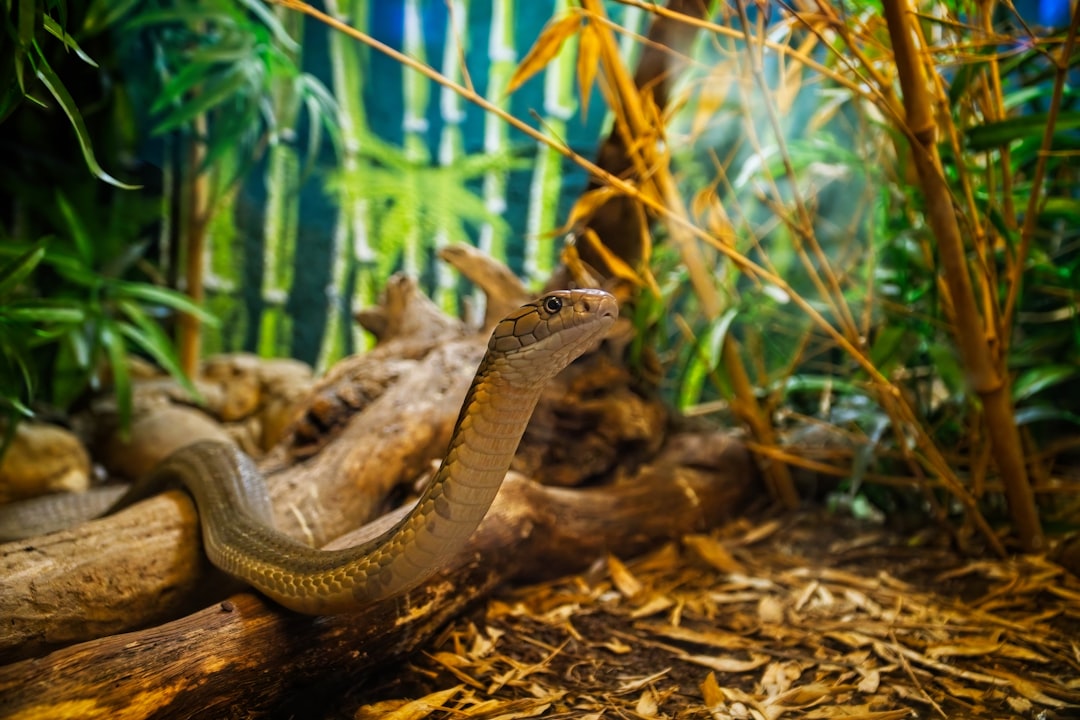
Top Zilla Reptile Care Products: Enhance Your Enclosure
Essential Zilla Reptile Care Products Reviewed
To a human, a basic glass box is just a display case, but to a snake, it represents their entire universe. Creating a thriving home requires shifting your mindset from simply decorating a reptile's tank to practicing active ecosystem management. You are essentially building a functional, self-contained climate where your new companion eats, sleeps, and explores.
Most reptile experts agree that an animal's surroundings directly dictate its overall health and lifespan. Because these unique pets are completely dependent on their environment, mastering basic husbandry—the daily care, climate control, and management of an animal—is crucial for their survival. Your primary goal is transforming an empty snake enclosure into a carefully balanced biological life-support system.
Overcoming the initial overwhelm of this process feels much easier with the right equipment. Essential Zilla care products bridge the gap for inquisitive beginners, taking the guesswork out of necessary temperature and humidity control. By relying on these accessible tools, anyone can confidently build a safe, enriching reptile habitat that allows their snake to truly thrive rather than just survive.
Choosing Your Snake's 'Shell': Comparing Zilla Glass Terrariums and High-Performance PVC Options
When weighing a glass terrarium vs PVC cage, the main deciding factor is thermal insulation—how well the walls trap heat inside.
If your house is naturally drafty or highly air-conditioned, a PVC enclosure setup acts like a thick winter coat to hold warmth. However, if your home stays comfortably warm, a glass habitat provides a crystal-clear view into their world without accidentally overheating them.
Beyond temperature, how you reach into the habitat drastically impacts your pet's stress levels. Comparing front opening vs top opening reptile tanks reveals a hidden instinct called the predator-prey overhead response. Because swooping shadows usually belong to hungry birds in the wild, reaching down through a screen terrifies your snake. Zilla's front-opening models let you approach smoothly at eye level, building trust instead of fear.
Securing these swinging doors is where the Zilla advantage shines, utilizing built-in locking mechanisms that stop clever escape artists from pushing out.

Finding the Right Fit: Using Zilla Dimension Guides to Prevent Enclosure Stress
Imagine living in a room where you cannot stretch out to sleep. To keep your pet physically healthy, reptile habitat dimensions must follow the "1:1 rule"—meaning the glass box should be at least as long as the animal. A four-foot adult requires a four-foot footprint.
You must also accommodate how your species moves naturally. Terrestrial (ground-dwelling) snakes need wide floor plans, while arboreal (climbing) species require tall snake enclosures to explore upward. Minimum adult Zilla tank sizes for common starters include:
- Corn Snakes: 40-gallon long (36" footprint)
- Ball Pythons: 40-gallon breeder to 120-gallon
- King Snakes: 40-gallon long (36" footprint)
When selecting a tank for reptiles, start tiny hatchlings in smaller 10-gallon or 20-gallon models so they feel secure before upgrading later.
Setting the 'Sun': Reviewing Zilla Heat Mats and UVB Lighting for Perfect Thermoregulation
Since you already know your pet cannot generate its own body warmth, imagine their enclosure as a house with different room temperatures. To stay healthy, they rely on thermoregulation—moving between hot and cool areas to control their internal temperature. Creating this environment requires gradient heating for thermoregulation, meaning you place a Zilla heat source on just one side so the opposite end remains comfortably cool.
Invisible rays play just as vital a role as physical warmth in this tiny ecosystem. While heat digests their meals, meeting the UVB lighting requirements for snakes acts like a natural multivitamin. This specific ultraviolet light powers UVB/D3 synthesis, a biological process where the snake's body creates vitamin D3 to absorb calcium and build strong bones.
Safety is the most critical aspect of adding these climate controls, as reptiles do not always realize when a surface is too hot. To completely prevent severe thermal burns, you must always pair under-tank heating elements with thermostat controllers for heat pads.
Achieving a flawless setup requires a strict 3-point checklist for safely regulating basking spot temperatures:
- Place your primary heating equipment over only one-third of the tank's footprint.
- Plug the heat mat directly into your thermostat, never just the wall outlet.
- Verify the exact surface warmth manually using a digital thermometer probe.

Bedding and Breathing: Why Zilla Substrates are the Secret to Humidity Control and Healthy Scales
You might think the material covering the bottom of your tank is just decoration, but it actually acts as a crucial climate-control tool. This flooring is called substrate, and picking the right Zilla product means matching your pet's native environment. Because it mimics a tropical forest floor, moisture-retaining coconut husk is often considered the best substrate for ball pythons.
Managing the air quality above this bedding requires a delicate balance. Tropical snakes rely on specific relative humidity, which is the amount of invisible water vapor floating in the air. By absorbing poured water and releasing it slowly, good substrate assists in maintaining proper humidity levels between 60% and 80% without ever feeling soggy to the touch.
Moisture is vital for healthy breathing, but standing water is dangerous. If a snake rests on wet ground too long, they can develop scale rot, a bacterial infection that damages their skin. Keeping the top layer dry is the secret to preventing scale rot in damp bedding. You can easily spot the early warning signs by watching for brownish, discolored blisters on your snake's belly.
Locking Down the Perimeter: How Zilla Screen Clips and Hide Boxes Provide Mental Security
A snake pushing against the glass isn't necessarily unhappy; they are often just curious explorers. However, because they are practically pure muscle, these notorious escape artists can easily lift standard mesh lids. Escape proofing reptile tanks requires securing the perimeter with heavy-duty Zilla Screen Clips. These simple brackets lock the lid firmly in place, keeping your pet safe and preventing panic-inducing breakouts in your home.
Inside that locked perimeter, your pet still needs private places to retreat. Providing the right hide boxes and enrichment items drastically lowers stress for these naturally shy animals. You should offer at least two snug hides—one on the warm end (a "hot hide") and one on the cool end. This setup allows them to regulate their body temperature without ever sacrificing their feeling of safety.
True comfort, however, goes beyond just having a place to sleep. Creating a naturalistic environment provides mental stimulation and encourages healthy exercise. You can upgrade their habitat with these essentials:
- Sturdy branches for muscle-toning climbs.
- Faux foliage to create shaded, hidden pathways.
- Textured rocks to assist with shedding.

The Clean Routine: Essential Zilla Maintenance Products for a Germ-Free Habitat
Just like you wouldn't live with overflowing trash, your pet needs daily housekeeping. Mastering a five-minute spot-cleaning routine keeps their environment fresh. This simply means scooping visible waste and soiled bedding from your reptile tank every day, exactly like managing a cat's litter box.
While daily tidying handles obvious messes, invisible threats require stronger action. Once a month, or whenever odors linger, a full deep-clean is overdue. Because reptiles are highly sensitive to harsh household chemicals, safely cleaning and disinfecting reptile housing requires specialized, reptile-safe products. These targeted cleaners eliminate microscopic pathogens and prevent dangerous respiratory infections without leaving toxic fumes behind.
Maintaining pristine snake enclosures ultimately transforms a basic glass box into a truly sanitary ecosystem.
From Setup to Success: Your 30-Day Checklist for a Thriving Reptile Habitat
You now understand that a snake enclosure is more than a display—it is a biological life-support system. Whether you are perfecting standard reptile habitat dimensions or taking the plunge into setting up a bioactive vivarium, you are ready to build a true sanctuary. Use this First 48 Hours checklist to ensure your habitat is fully operational:
- Test the Climate: Run your thermal zones for 24 hours without the animal to verify stability.
- Safety First: Double-check every lock, latch, and cable gap to prevent escapes.
- Monitor Success: Once introduced, gauge their comfort by watching for active eating and smooth shedding.
A healthy reptile feels completely secure in its environment. You will know you have truly succeeded when you turn off the room lights and see your snake exploring confidently at night.

Written by Talis Us



Leave a comment
This site is protected by hCaptcha and the hCaptcha Privacy Policy and Terms of Service apply.