


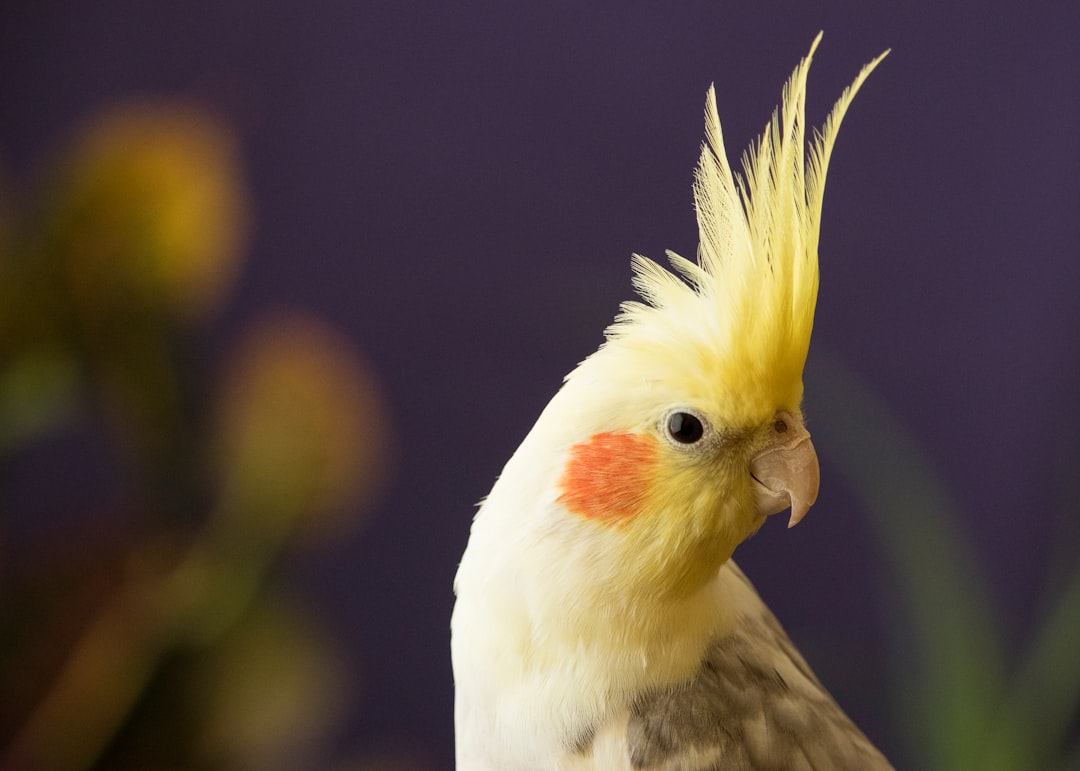
Top Bird Grooming & Bathing Products for Healthy Feathers
Owning a pet bird is a deeply rewarding experience, but it comes with a unique set of responsibilities. Unlike dogs or cats, birds have highly specialized physical needs, particularly when it comes to maintaining their plumage, beaks, and nails. In the wild, birds have access to rain showers, rough bark, and diverse diets to keep themselves in peak physical condition. In captivity, it is entirely up to you to provide the right environment and tools.
Investing in high-quality Bird Grooming & Bathing Products for Healthy Feathered Friends is not just about keeping your parrot or finch looking beautiful; it is crucial for their respiratory health, skin comfort, and overall psychological well-being. A bird that cannot properly clean itself can quickly become stressed, leading to destructive behaviors like feather plucking.
In this comprehensive guide, we will explore everything you need to keep your avian companion in pristine condition, from mastering the perfect bathing routine to assembling the ultimate grooming kit.

Recognizing the Importance of Avian Grooming
Before diving into the products, it is essential to understand why grooming is so critical. Birds are naturally fastidious creatures. They spend hours every day preening—a process where they use their beaks to align their feathers, remove dirt, and distribute natural oils from their uropygial (preen) gland.
However, indoor environments can be exceptionally dry, and household dust can accumulate on their plumage. If you are observant, you can easily catch the signs of poor bird feather condition. These red flags include:
- Dull, lackluster, or brittle feathers.
- Excessive dander or "feather dust" floating around the cage.
- Frayed feather tips or visible stress bars (horizontal lines across the feathers).
- Constant scratching or active feather chewing/plucking.
When you notice these signs, it is time to step up your grooming game. Providing the right bathing opportunities and utilizing safe, species-appropriate grooming tools will drastically improve your bird's comfort.
The Art of the Avian Bath: Safety and Frequency
Water is a bird’s best friend, but introducing it incorrectly can cause unnecessary fear or even physical harm. Knowing how to bathe a pet bird safely is the foundational step in your grooming routine.
Bathing Safety Tips
- Water Temperature: Always use lukewarm or room-temperature water. Hot water strips away essential natural oils, while cold water can dangerously lower your bird's body temperature.
- Time of Day: Bathe your bird in the morning or early afternoon. This ensures they have plenty of time to dry completely before the temperature drops at night.
- Depth Control: Birds can drown in surprisingly shallow water. Ensure the water depth is no higher than your bird’s legs.
- Avoid Drafts: Keep bathed birds away from open windows, air conditioning vents, or ceiling fans while they are wet.
Finding the Right Routine
A common question among new owners is: how often should birds bathe? The answer largely depends on the species and the climate of your home. Tropical birds, such as Macaws, Amazons, and Conures, thrive with 3 to 4 baths a week, especially in dry winter months. Dusty birds, like Cockatiels, African Greys, and Cockatoos, produce a fine powder down and may benefit from daily misting or bathing to keep their respiratory tracts—and your home—free of excess dust.

Creating the Perfect Bird Bathroom Setup
Setting up a designated bird bathroom or bathing area encourages your pet to engage in their natural water behaviors. The type of bath you choose will depend entirely on the size of your bird and their personal preferences.
Cage-Mounted Baths and Fountains
For smaller species, cage mounted bird baths for small birds are incredibly convenient. These enclosed plastic boxes attach directly to the cage door. They allow Canaries, Finches, and Parakeets to splash around vigorously while containing the mess, preventing the bottom of the cage from becoming a soggy, unhygienic swamp.
Larger, highly intelligent birds often prefer moving water. If you own a larger species, consider investing in an electric bird bath fountain for parrots. The sound of trickling water mimics natural streams and rain, which serves as a massive psychological trigger that encourages bathing. These fountains provide fantastic mental stimulation and are an excellent addition to a supervised play gym area.
Shower Perches vs. Basins
Many parrot owners prefer to bring their birds right into the human shower. When weighing the benefits of a bird bath vs bird shower perch, consider your bird’s personality. A shower perch attaches to your bathroom wall via heavy-duty suction cups. It allows your bird to enjoy the warm steam and indirect mist of your shower. This is highly effective for large parrots but might overwhelm small, timid birds, who generally prefer a shallow basin of still water where they have complete control over their immersion.
Exploring Standalone and Outdoor Bathing Options
If you have an indoor aviary, a sunroom, or a safe outdoor enclosure for your birds to enjoy during the summer, standalone baths are fantastic investments.
When you start browsing through various bird baths for sale, pay close attention to the materials. A ceramic bird bath is an outstanding choice for aviaries because it is heavy enough that large birds cannot tip it over, and the smooth surface is incredibly easy to sanitize, preventing bacterial buildup.
If you live in a cooler climate and maintain a climate-controlled outdoor flight cage, winter weather poses a challenge. You don't want your bird's drinking or bathing water to turn to ice. Finding a heated bird bath or purchasing a standalone, bird-safe bird bath heater to place inside a ceramic basin ensures the water remains comfortably above freezing.
Pro Tip: Instead of frantically searching for a "bird bath near me" at local garden centers at the last minute, plan ahead. Garden-variety bird baths are often treated with toxic sealants. Always ensure that any bird bath for sale you purchase is explicitly labeled as non-toxic and pet-safe.

Sprays, Wipes, and Shampoos for Pristine Plumage
Not all birds are eager to jump into a pool of water. For reluctant bathers, or for quick touch-ups between deeper soaks, topical grooming products are absolute lifesavers.
The Power of Misting
For birds that refuse traditional baths, fine mist bird spray bottles are essential. Unlike standard household spray bottles that shoot aggressive streams of water, these specialized bottles release a continuous, ultra-fine cloud of moisture that mimics gentle morning dew. Spray above the bird, letting the mist fall gently onto their feathers, rather than spraying them directly in the face.
Soothing Dry, Irritated Skin
Indoor heating and air conditioning can wreak havoc on a bird's skin, leading to chronic itching. To combat this, look for a bird preening spray for dry itchy skin. The best formulations on the market feature natural aloe. The aloe vera bird spray benefits are well-documented; aloe naturally balances the skin's pH, cools inflammation, helps dissolve dirt, and softens the keratin of the feathers, making the preening process much smoother for your pet.
Deep Cleaning and Spot Cleaning
Under normal circumstances, birds only need clean water to bathe. However, if your bird gets into something sticky, greasy, or dirty, water alone won't suffice. In these rare instances, you should use a natural bird shampoo for feather health. Never use human shampoo, dish soap, or dog shampoo, as these strip away essential avian skin oils and leave toxic residues. Avian shampoos are formulated specifically to safely break down grime without compromising the feather structure.
For daily messes—such as a Macaw getting sticky fruit mash all over its beak and face—non-toxic bird grooming wipes are incredibly handy. These wipes are unspotted, unscented, and free from harsh chemicals, allowing you to quickly wipe down your bird’s beak, feet, and face without dragging them to the sink.

Essential Beak and Nail Care
Grooming extends far beyond feathers; beak and nail maintenance is equally vital for a bird's health and comfort. Overgrown nails can get caught in cage grates or toys, leading to broken toes or severe bleeding. Overgrown beaks can prevent a bird from eating properly.
Mastering Nail Trims
Trimming a bird's nails can be intimidating, but with the right tools and a bit of practice, it becomes a routine procedure. You must have specialized avian nail trimmers and styptic powder on hand before you even attempt a trim.
Avian trimmers are designed to cut cleanly through the curved keratin of a bird's nail without crushing it. However, every bird's nail contains a blood vessel known as the "quick." If you accidentally snip the quick, the nail will bleed profusely. Because birds have very little blood volume, this is a medical emergency. Styptic powder (a blood-clotting agent) is a non-negotiable must-have. Simply dip the bleeding nail into the powder, apply gentle pressure, and the bleeding will stop instantly.
Beak Conditioning
A bird’s beak never stops growing. In the wild, they wear their beaks down by chewing on tough wood and cracking hard nuts. At home, you need to provide environmental tools to help them maintain a healthy beak length.
Mineral blocks for beak conditioning are excellent for this purpose. Attaching a mineral block or a cuttlebone to the side of the cage encourages your bird to rub, chew, and grind their beak against the rough surface. Not only does this friction naturally file down the sharp tips and flaky edges of the beak, but as the bird ingests tiny particles of the block, they receive a vital boost of dietary calcium and trace minerals.

The Role of Nutrition in Feather Health
It is impossible to talk about grooming without addressing what happens inside the bird’s body. Feathers are made of approximately 90% keratin, which is a protein. Producing a completely new set of feathers requires a massive amount of metabolic energy and nutritional resources.
Once or twice a year, your bird will go through a molt—shedding old feathers to make way for new ones. During this time, your bird may feel grumpy, itchy, and fatigued. Topical sprays help with the itching, but providing molting supplements for vibrant feathers ensures that the new feathers grow in strong, colorful, and perfectly structured. These supplements typically come in powder or liquid form and are packed with essential amino acids, calcium, and vitamins A, D, and E. Sprinkling this onto their fresh chop (vegetables and grains) during molting season is an excellent way to proactively "groom" your bird from the inside out.
Building the Best Grooming Kit for Pet Birds
To ensure you are always prepared to keep your feathered friend looking and feeling their best, it helps to consolidate your supplies. Creating the best grooming kit for pet birds means gathering a few high-quality, reliable items into one accessible place.
Your ultimate avian grooming kit should include:
- A high-quality bathing vessel: Depending on your setup, this could be a shower perch, a cage-mounted bath, or an electric fountain.
- Fine mist bird spray bottles: For daily humidity and gentle bathing.
- Aloe vera grooming spray: To soothe itchy skin and promote healthy preening.
- Non-toxic bird grooming wipes: For quick clean-ups after messy meals.
- Avian nail trimmers and styptic powder: The absolute essentials for safe pedicure sessions.
- Natural bird shampoo: Kept in reserve for true emergencies (like a bird flying into something greasy).
- Molting supplements: To support internal feather production.
Conclusion
Proper grooming is an act of love. By understanding your bird's unique needs, you can transform what is sometimes a stressful chore into a wonderful bonding experience. Whether it is providing the perfect water fountain for them to splash in, carefully misting their plumage with soothing aloe, or ensuring their beak stays perfectly contoured with a mineral block, the effort you put into their care will be reflected in their vibrant colors and happy demeanor.
Equip yourself with these essential tools, establish a consistent routine, and enjoy the beautiful, healthy, and happy feathered friend that graces your home.

Written by Talis Us


Leave a comment
This site is protected by hCaptcha and the hCaptcha Privacy Policy and Terms of Service apply.