


The Ultimate Guide to Turtle and Tortoise Products: Everything You Need for Your Shelled Friends
So you've decided to bring a turtle or tortoise into your life – awesome choice! These incredible creatures make fascinating pets, but let's be real, they come with some pretty specific needs. Whether you're a seasoned reptile keeper or you're just starting out with your first shelled friend, finding the right products can feel overwhelming. That's where we come in. Let's dive deep into the world of turtle and tortoise products and help you figure out exactly what your scaly buddy needs to thrive.
Understanding Your Shelled Companion
Before we jump into the products, let's talk about what makes turtles and tortoises so special. These ancient creatures have been around for over 200 million years, and they've got some pretty unique requirements that set them apart from your typical pet. Understanding these needs is the first step to becoming an amazing pet parent.
Turtles and tortoises are cold-blooded reptiles, which means they rely on their environment to regulate their body temperature. They're not like mammals that can generate their own heat. This is super important because it directly impacts what kind of products you'll need to invest in. Your shelled friend needs proper heating, lighting, and humidity levels to stay healthy and happy.
The lifespan of these creatures is another thing that really sets them apart. While a dog might live 10-15 years, many turtle and tortoise species can live 50, 100, or even longer. Some tortoises have been known to live over 150 years! This means when you bring one of these guys home, you're making a serious long-term commitment. The products you choose now will need to serve your pet well for decades to come.
Setting Up the Perfect Habitat
Creating the right living space is absolutely crucial for your turtle or tortoise's wellbeing. This is where a lot of new pet owners make mistakes, so let's break it down step by step.
Tank Size and Type
First things first – size matters. A lot. Your turtle or tortoise needs enough space to move around, explore, and exhibit natural behaviors. The old myth that turtles only grow to the size of their tank is just that – a myth. Your pet will grow to its full size regardless, and a cramped tank will lead to stress, health problems, and behavioral issues.
For aquatic turtles, you're looking at a minimum of 10 gallons per inch of shell length. So if you've got a 6-inch turtle, you need at least a 60-gallon tank. And honestly, bigger is always better. A 75-gallon or 100-gallon tank gives your aquatic turtle plenty of room to swim and explore.
Tortoises need even more space because they're terrestrial. They need room to roam, burrow, and explore. A single tortoise should have at least a 4x8 foot enclosure, though larger is definitely better. If you're keeping multiple tortoises, you'll need to increase the space accordingly.
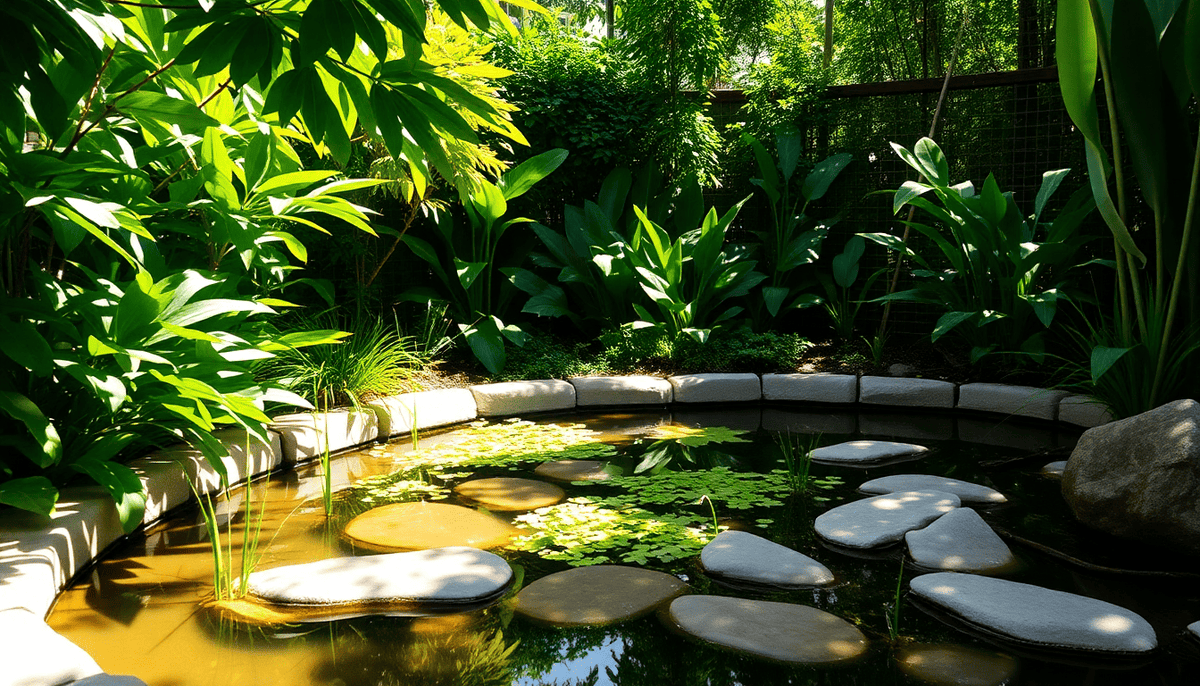
The type of tank matters too. For aquatic turtles, you'll want a glass aquarium or a specialized reptile tank. Make sure it's made from quality materials that won't leach chemicals into the water. For tortoises, many keepers prefer outdoor enclosures when possible, but indoor enclosures work too – they just need to be spacious and well-designed.
Substrate and Bedding
What you put on the bottom of your enclosure is more important than you might think. For aquatic turtles, you've got a few options. Some keepers prefer bare bottoms because they're easy to clean, while others use substrates like sand or fine gravel. If you go with substrate, make sure it's large enough that your turtle can't accidentally ingest it while eating.
For tortoises, substrate is even more critical. These guys love to burrow, so you need something that supports that natural behavior. Coconut husk, cypress mulch, and aspen shavings are all popular choices. The substrate should be deep enough for your tortoise to burrow comfortably – usually at least 6-8 inches. It also needs to maintain proper humidity levels, which varies depending on your species.
Lighting and Heating
This is where a lot of people get confused, so let's break it down. Your turtle or tortoise needs two types of light: UVB light and heat.
UVB lighting is essential for calcium metabolism and vitamin D3 synthesis. Without proper UVB exposure, your pet can develop metabolic bone disease, which is painful and can be fatal. You'll need a quality UVB bulb – look for ones that provide 8-10% UVB output. These bulbs need to be replaced every 6-12 months because their UVB output decreases over time, even if they still produce visible light.
Heat is equally important. Your turtle or tortoise needs a basking area where they can warm up. This is where they'll go to digest food, regulate their body temperature, and just chill out. You'll need a heat lamp and a basking spot that reaches the appropriate temperature for your species. Most turtles prefer basking temperatures between 85-90°F, while tortoises might prefer slightly different temperatures depending on the species.
Invest in a quality thermostat to control your heating. This prevents overheating and gives you precise control over the temperature in your enclosure. It's one of the best investments you can make for your pet's safety.
Filtration Systems
If you've got an aquatic turtle, you absolutely need a good filtration system. Turtles are messy eaters and produce a lot of waste, so the water gets dirty quickly. A subpar filter will lead to poor water quality, which causes stress and disease.
Look for a filter that can handle at least 3-4 times the volume of your tank per hour. For a 75-gallon tank, you'd want a filter rated for 225-300 gallons per hour. Canister filters are popular because they're powerful and customizable, but hang-on-back filters and internal filters work too.
You'll also want to do regular water changes – typically 25-50% weekly, depending on your setup and how many turtles you have. This helps maintain water quality and keeps your turtle healthy.
Nutrition and Feeding Products
Feeding your turtle or tortoise properly is absolutely essential for their health and longevity. This is where a lot of people make mistakes, so let's talk about it in detail.
Commercial Turtle and Tortoise Foods
There are tons of commercial foods available, and quality varies widely. Look for foods that are specifically formulated for your species and life stage. A hatchling tortoise has different nutritional needs than an adult, so make sure you're feeding the right food.
For aquatic turtles, you'll find pellet foods, freeze-dried foods, and live foods. Pellets are convenient and can be a good base diet, but they shouldn't be the only thing your turtle eats. Look for pellets that are high in protein and contain essential vitamins and minerals.
For tortoises, you're looking at foods that are high in fiber and low in protein. Many commercial tortoise foods are actually too high in protein, which can cause shell deformities and other health issues. Read the labels carefully and choose foods that match your species' natural diet.
Vegetables and Live Foods
Commercial food shouldn't be your turtle or tortoise's entire diet. These creatures need variety, and they need to eat foods that mimic what they'd eat in the wild.
For aquatic turtles, live foods like crickets, earthworms, and small fish are excellent. They provide enrichment and nutrition. You can also offer vegetables like dark leafy greens, squash, and carrots. The ratio depends on your turtle's age – juveniles need more protein, while adults need more vegetables.
For tortoises, vegetables are the main event. Dark leafy greens like collard greens, mustard greens, and dandelion greens should make up the bulk of their diet. You can also offer vegetables like squash, pumpkin, and bell peppers. Some tortoises also enjoy fruits, though these should be given sparingly because of their high sugar content.
Supplements
Even with a varied diet, your turtle or tortoise probably needs supplements. Calcium is especially important – without adequate calcium, your pet can develop metabolic bone disease. Look for calcium supplements without phosphorus, and use them 2-3 times per week for juveniles and 1-2 times per week for adults.
Vitamin supplements are also important, especially if your pet isn't getting enough UVB exposure. A good multivitamin can help fill in nutritional gaps. Use these about once a week.
Enrichment and Accessories
Your turtle or tortoise is an intelligent creature with natural behaviors and instincts. Providing enrichment isn't just nice – it's essential for their mental and physical health.
Decorations and Hiding Spots
Turtles and tortoises need places to hide and explore. This reduces stress and allows them to exhibit natural behaviors. For aquatic turtles, consider adding plants (real or artificial), rocks, and caves. These provide hiding spots and create a more naturalistic environment.
For tortoises, hides are absolutely essential. A tortoise without a hide is a stressed tortoise. You can use commercial hides or create your own using wood, rocks, or other materials. Make sure the hide is large enough for your tortoise to fit comfortably inside.
Plants
Live plants are great for aquatic turtle tanks. They provide hiding spots, help with water quality, and create a more natural environment. Some good options include water sprite, anubias, and java fern. Just make sure you choose plants that can handle your turtle's nibbling.
For tortoises, live plants in the enclosure can provide both food and enrichment. Many tortoises love to munch on plants, so this serves a dual purpose. Just make sure any plants you use are safe and non-toxic.
Toys and Enrichment Items
Turtles and tortoises appreciate enrichment. This might include balls to push around, objects to explore, or obstacles to navigate. Enrichment keeps their minds active and prevents boredom.
For aquatic turtles, consider adding floating objects, tunnels, or ramps. These give your turtle things to explore and interact with.
For tortoises, you can create obstacle courses, provide different textures to walk on, or add objects to push around. Some tortoises enjoy digging in sand or soil, so providing a digging area is great enrichment.
Water Quality and Maintenance Products
If you've got an aquatic turtle, water quality is absolutely critical. Poor water quality is one of the leading causes of health problems in captive turtles.
Testing Equipment
You need to regularly test your water to make sure it's safe for your turtle. A good aquarium test kit will measure pH, ammonia, nitrite, and nitrate. These parameters are crucial for your turtle's health.
Ammonia and nitrite should always be at zero. Nitrate should be kept below 40 ppm. pH should be between 6.5 and 8.0, depending on your species. Invest in a quality test kit – it's one of the best tools you can have.
Water Conditioners
Tap water contains chlorine and chloramine, which are harmful to turtles. A water conditioner removes these chemicals and makes tap water safe for your turtle. This is essential if you're using tap water in your tank.
Some water conditioners also contain beneficial bacteria that help establish a healthy nitrogen cycle. This is helpful, especially when you're first setting up your tank.
Cleaning Products
You'll need products to keep your tank clean without harming your turtle. Avoid harsh chemicals – stick with products specifically designed for aquariums. A good gravel vacuum makes water changes easier and helps remove waste from the substrate.
For decorations and equipment, you can use a soft brush and warm water. For stubborn algae, a dedicated algae scraper works great.
Health and Wellness Products
Keeping your turtle or tortoise healthy is the ultimate goal. Having the right health and wellness products on hand can make a big difference.
First Aid Supplies
Every turtle and tortoise keeper should have a basic first aid kit. This should include items like antiseptic spray, antibiotic ointment, and bandages. You should also have a heat lamp and a separate enclosure for quarantining sick or injured animals.
Supplements and Medications
Beyond the calcium and vitamin supplements we mentioned earlier, there are other products that can support your pet's health. Probiotics can help with digestive health, and omega-3 supplements can support overall wellness.
Keep in mind that some health issues require veterinary care, and no supplement can replace proper medical treatment. If your turtle or tortoise shows signs of illness, see a vet who specializes in reptiles.
Humidity and Temperature Monitoring
For tortoises especially, maintaining proper humidity is crucial. A good hygrometer lets you monitor humidity levels in your enclosure. Depending on your species, you might need to maintain humidity between 40-80%.
A reliable thermometer is also essential. Digital thermometers with probes are great because they let you monitor temperature in different areas of the enclosure. This helps you make sure your basking spot is the right temperature and that your cool area is appropriately cool.
Seasonal and Species-Specific Products
Different species have different needs, and seasonal changes can affect your care routine.
Hibernation and Brumation Supplies
Many tortoise species naturally brumate (a reptile version of hibernation) during winter. If your tortoise is a species that bruminates, you'll need to prepare for this. This might involve adjusting temperatures, reducing feeding, and providing appropriate substrate for burrowing.
Some keepers use specialized hibernation boxes or chambers to safely manage brumation. If you're new to this, talk to a vet or experienced keeper before attempting hibernation.
Species-Specific Enclosure Modifications
Different species have different needs. A red-eared slider turtle has very different requirements than a box turtle. A Russian tortoise has different needs than a sulcata tortoise.
Before you bring your turtle or tortoise home, research your specific species thoroughly. Find out what temperature they need, what humidity they prefer, what they eat, and how large they'll grow. Then invest in products that meet those specific needs.
Shopping at Talis US
When you're shopping for turtle and tortoise products, quality matters. Talis US offers a wide selection of premium pet supplies, including everything you need for your shelled friend.
Why Choose Talis US
Talis US specializes in quality pet supplies for all kinds of animals, including reptiles. They carry food, toys, accessories, and habitat essentials for turtles, tortoises, and other reptiles. Their products are carefully selected to ensure quality and safety.
One of the best things about shopping at Talis US is the fast shipping. When you need supplies, you need them quickly. Talis US gets your order to you fast, so you can get your turtle or tortoise what they need without delay.
Finding the Right Products
Talis US carries a huge selection of products, so you can find everything you need in one place. Whether you're looking for a specific food, a piece of equipment, or an accessory, you'll likely find it at Talis US.
The website is easy to navigate, and products are well-organized by category. You can search for specific items or browse by pet type. Product descriptions are detailed, so you can make informed decisions about what you're buying.
Quality Assurance
When you buy from Talis US, you can feel confident that you're getting quality products. They work with reputable manufacturers and carefully vet their suppliers. This means you're getting products that are safe and effective for your pet.
Common Mistakes to Avoid
Even with the best intentions, it's easy to make mistakes when caring for a turtle or tortoise. Let's talk about some common pitfalls and how to avoid them.
Inadequate Space
This is probably the most common mistake. People underestimate how much space their turtle or tortoise needs. Remember, your pet will grow to its full size regardless of tank size. Provide plenty of space from day one.
Poor Lighting and Heating
Inadequate UVB lighting and heating is another major issue. Your turtle or tortoise needs proper lighting and heating to stay healthy. Don't cheap out on these essentials.
Improper Diet
Feeding the wrong foods or not providing enough variety is a common problem. Research your species' dietary needs and provide a varied diet that includes both commercial foods and fresh vegetables or live foods.
Neglecting Water Quality
For aquatic turtles, poor water quality is a serious problem. Test your water regularly, do water changes, and maintain your filter. Don't let water quality slide.
Ignoring Signs of Illness
If your turtle or tortoise shows signs of illness – lethargy, loss of appetite, unusual behavior – don't ignore it. See a vet who specializes in reptiles. Early treatment can make a huge difference.
Overcrowding
Keeping too many turtles or tortoises in one enclosure leads to stress, aggression, and disease. Make sure each animal has enough space and resources.
Using Inappropriate Substrates or Decorations
Some substrates and decorations can be harmful to your pet. Avoid cedar and pine, which are toxic to reptiles. Make sure any decorations are safe and won't cause injury.
Advanced Care Topics
Once you've got the basics down, there are some more advanced topics worth exploring.

Written by Talis Us



Leave a comment
This site is protected by hCaptcha and the hCaptcha Privacy Policy and Terms of Service apply.