



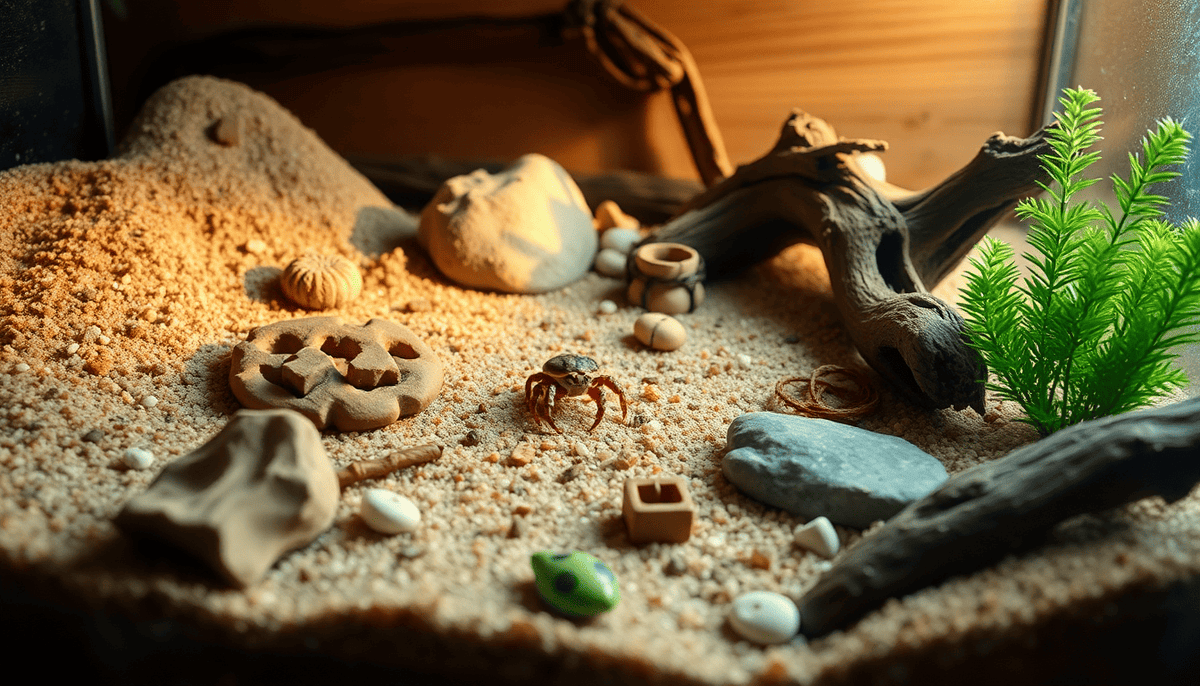
The Ultimate Guide to Hermit Crab Supplies: Everything You Need to Keep Your Shelled Friend Happy
So you've decided to bring home a hermit crab, or maybe you already have one and you're realizing that keeping these little guys happy is way more involved than you thought. Either way, you've come to the right place! Hermit crabs might seem like low-maintenance pets, but the truth is they need quite a bit of specialized care and the right supplies to thrive. Let me walk you through everything you need to know about hermit crab supplies, from the basics to the more advanced stuff that'll make your crab's life absolutely amazing.
Understanding Your Hermit Crab's Needs
Before we dive into the specific supplies, let's talk about what hermit crabs actually need to be healthy and happy. These fascinating creatures are more complex than most people realize. They're not just sitting in their shells doing nothing – they're active, curious, and surprisingly social animals that require proper nutrition, appropriate housing, and enrichment.
Hermit crabs are tropical creatures, so they need warm, humid environments. They're also nocturnal, which means they're most active at night. They love to burrow, climb, and explore, so your setup needs to accommodate these natural behaviors. Understanding these basic needs is crucial before you start shopping for supplies.
The Tank or Habitat: Your Crab's Home Sweet Home
Let's start with the most important supply: the tank itself. This is where your hermit crab will spend most of its time, so getting it right is absolutely essential.
Tank Size Requirements
First things first – your hermit crab needs more space than you probably think. A lot of people make the mistake of getting a tiny tank because hermit crabs are small. Big mistake! The minimum tank size for one hermit crab is 10 gallons, but honestly, bigger is always better. If you're planning to keep multiple crabs, you'll need at least 10 gallons per crab, plus an additional 10 gallons for the group.
I know that sounds like a lot, but think about it – your crab needs room to burrow, climb, and explore. A 20-gallon long tank is actually a great starting point for beginners. It gives your crab plenty of space without being overwhelming to maintain.
Tank Material Options
You've got a few options when it comes to tank material. Glass aquariums are popular and allow you to see your crab, which is nice. Plastic storage containers can work too, and they're often cheaper. Some people even use large plastic bins. The key is that whatever you choose needs to be able to hold moisture and maintain humidity levels.
Avoid tanks with metal components that could rust, as the high humidity in a hermit crab habitat can cause corrosion. Also, make sure your tank has a secure lid – hermit crabs are surprisingly good escape artists!
Substrate: The Foundation of Your Setup
Substrate is basically the bedding or flooring of your hermit crab's tank, and it's incredibly important. Your crab needs to be able to burrow, which is a natural behavior that helps them feel secure and allows them to shed their exoskeletons properly.
Types of Substrate
The best substrate for hermit crabs is a mixture of materials. Many experienced crab keepers use a combination of coconut fiber and play sand. The coconut fiber holds moisture well and is soft for burrowing, while the sand provides weight and helps maintain the structure of burrows.
You can buy pre-made hermit crab substrate mixes, which is convenient, or you can create your own blend. If you're mixing your own, aim for about 50% coconut fiber and 50% play sand. Make sure the sand is completely salt-free – never use beach sand or salt water sand.
Some people also add sphagnum moss to their substrate mix. This helps with moisture retention and gives your crab a more natural environment. Just make sure whatever you use is safe and free from pesticides or chemicals.
Substrate Depth
Your hermit crab needs enough substrate to burrow into. Aim for at least 6 inches of substrate depth, though 8-10 inches is even better. This allows your crab to dig down and create comfortable burrows where they can feel secure.
Humidity and Temperature Control
Hermit crabs are tropical creatures, and they need specific environmental conditions to thrive. This is where things get a bit technical, but don't worry – it's not too complicated.
Temperature Requirements
Hermit crabs need to be kept at temperatures between 72-80 degrees Fahrenheit, with 75-78 degrees being ideal. They can't regulate their own body temperature, so they rely on their environment to stay warm. If it gets too cold, they become sluggish and can even die.
You'll likely need a heat source. Under-tank heaters are popular and work well. You can also use heat tape or heat panels. Whatever you choose, make sure it has a thermostat to prevent overheating. A temperature gauge is essential so you can monitor the temperature in your tank.
Humidity Levels
This is crucial – hermit crabs need humidity levels between 70-80%. They breathe through modified gills that need to stay moist. If the humidity is too low, they can't breathe properly and will become stressed or die.
To maintain humidity, you'll need a hygrometer to measure it. You can also mist the tank regularly, provide a humid hide, and make sure your substrate stays moist. Some people use a humidifier near the tank to help maintain proper levels.
Water Supplies: Drinking and Bathing
Hermit crabs need access to both fresh water and salt water. This is something a lot of new crab owners don't realize, but it's really important.
Fresh Water
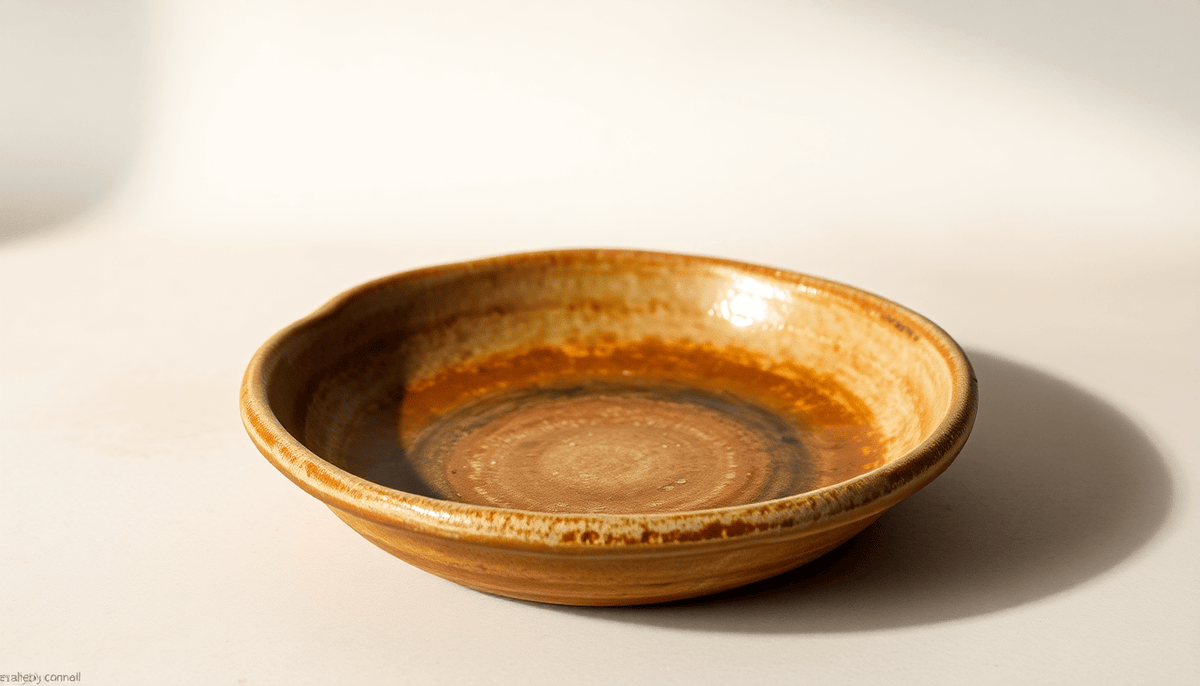
Your crab needs fresh, dechlorinated water for drinking. You can use bottled water, or you can treat tap water with a dechlorinator. Provide the water in a shallow dish – your crab needs to be able to access it without drowning. Some people use bottle caps or small ceramic dishes.
Change the water daily to keep it fresh and prevent bacterial growth. Make sure the dish is shallow enough that your crab can climb in and out easily.
Salt Water
Hermit crabs also need access to salt water, which they use for bathing and maintaining their gills. You can buy marine salt mix at most pet stores, or you can use aquarium salt. Mix it according to the package directions – typically about 1.5 tablespoons per gallon of water.
Provide the salt water in a separate shallow dish, just like the fresh water. Some crabs prefer to soak in it, while others just need access to it. Change it regularly to keep it clean.
Shells: The Most Important Accessory
Here's something that surprises a lot of people – hermit crabs don't come with their shells. They use shells they find, and as they grow, they need to upgrade to larger shells. This means you need to provide multiple shell options in your tank.
Shell Selection
You should have at least 3-5 extra shells available in your tank at all times. This gives your crab choices and ensures they can find one that fits properly when they're ready to switch.
Shells should be slightly larger than the one your crab is currently using. The opening should be just big enough for your crab to fit through comfortably. Avoid shells with sharp edges or rough interiors that could damage your crab.
Good shell options include turbo shells, moon snail shells, and other natural seashells. You can buy pre-cleaned shells from pet stores, or you can collect and clean your own. If you're cleaning your own, boil them to sterilize them and remove any debris.
Shell Maintenance
Shells can get dirty or develop mold, especially in the humid environment of a hermit crab tank. Check shells regularly and replace any that look damaged or moldy. Some people rotate shells out periodically to clean them.
Hides and Enrichment Items
Hermit crabs are shy creatures that like to hide. They need multiple hiding spots to feel secure and reduce stress.
Types of Hides
You can buy commercial hermit crab hides, or you can get creative. Coconut husk hides are popular and natural-looking. You can also use PVC pipes, cork bark, or even create hides from other materials. The key is that your crab should be able to fit inside and feel secure.
Provide at least 2-3 hides in your tank. Some should be in the warm area and some in the cooler area, giving your crab options depending on what they need.
Enrichment Items
Hermit crabs like to climb and explore. Driftwood, branches, and rocks can provide climbing opportunities and make the tank more interesting. Make sure whatever you add is safe and won't collapse on your crab.
Some people add plants to their hermit crab tanks. Live plants can help with humidity and provide enrichment. Just make sure they're safe for crabs and won't be completely destroyed by your crab's digging.
Food and Nutrition
Feeding your hermit crab properly is essential for their health. These little guys need a varied diet to thrive.
Commercial Hermit Crab Food
There are commercial hermit crab food mixes available that provide balanced nutrition. These are convenient and can form the base of your crab's diet. Look for high-quality options that include a variety of ingredients.
Fresh Foods
Your crab also needs fresh foods. Vegetables like carrots, broccoli, and spinach are good options. Fruits like mango, papaya, and coconut are also enjoyed by crabs. Offer a variety of fresh foods several times a week.
Protein Sources
Hermit crabs need protein. You can provide this through commercial foods, but also consider adding things like dried shrimp, fish flakes, or even small amounts of cooked chicken. Variety is key to a healthy diet.
Calcium and Supplements
Hermit crabs need calcium for shell health. You can provide cuttlebone or calcium powder as supplements. Some people also offer crushed eggshells as a natural calcium source.
Cleaning Supplies and Maintenance
Keeping your hermit crab's tank clean is essential for their health. You'll need supplies to maintain a clean environment.
Spot Cleaning Supplies
You'll want a small scoop or net for removing uneaten food and waste. Paper towels or a small brush can help with cleaning. A small container or cup can be useful for temporarily housing your crab while you clean.
Full Tank Cleaning
Periodically, you'll need to do a more thorough cleaning. This might involve removing your crab, cleaning the tank, and replacing some of the substrate. Having supplies like a bucket, cleaning cloths, and maybe a small vacuum can make this easier.
Substrate Replacement
You'll need to replace substrate periodically as it gets soiled. Keep extra substrate on hand so you can do partial replacements without completely disrupting your crab's environment.
Monitoring and Health Supplies
Keeping your hermit crab healthy means monitoring their condition and being prepared for potential issues.
Thermometer and Hygrometer
As mentioned earlier, these are essential. A digital thermometer and hygrometer allow you to monitor temperature and humidity levels. Some people use combination gauges that show both.
Magnifying Glass
A magnifying glass can be helpful for examining your crab for signs of mold, parasites, or other health issues. It's a simple tool but can be really useful for spotting problems early.
First Aid Supplies
While hermit crabs are generally hardy, having some basic supplies on hand is smart. Dechlorinated water for emergency baths, a small container for isolating a sick crab, and maybe some information about common hermit crab health issues can all be helpful.
Lighting Considerations
Hermit crabs are nocturnal, so they don't need bright lighting. In fact, too much light can stress them out. However, some gentle lighting can help you observe your crab and can be beneficial for any plants in the tank.
LED Lighting
LED lights are a good option because they produce less heat than traditional bulbs. You can use a low-intensity LED light on a timer to create a day-night cycle. This mimics their natural environment and can be beneficial for their overall health.
Avoiding Bright Light
Keep the tank in a relatively dim area. Avoid placing it in direct sunlight or under bright overhead lights. Your crab will be more active and less stressed in a dimly lit environment.
Molting Supplies and Support
Molting is a critical process for hermit crabs. They shed their exoskeletons periodically as they grow, and this is a vulnerable time for them.
Isolation Tank
Some people keep a separate small tank for molting crabs. This allows you to control the environment more precisely and protect your molting crab from other crabs that might bother them.
Moisture Control
During molting, your crab needs high humidity and moisture. Having extra substrate, moss, and water available is important. Some people increase humidity levels during molting season.
Minimal Disturbance
When your crab is molting, it's important to minimize disturbance. Avoid handling them and keep the tank as quiet and calm as possible.
Choosing Quality Supplies from Talis US
When you're shopping for hermit crab supplies, quality matters. Talis US offers a great selection of premium pet supplies, including everything you need for your hermit crab. They carry quality food, shells, hides, substrate, and all the other supplies we've discussed.
Shopping at a reputable pet supply store like Talis US ensures you're getting quality products that are safe for your crab. They offer fast shipping, so you can get your supplies quickly and start setting up the perfect habitat for your new friend.
Setting Up Your First Tank: A Step-by-Step Guide
Now that you know about all the different supplies, let's talk about actually setting up your tank. This is where everything comes together.
Step One: Choose Your Tank
Start by selecting an appropriate tank. A 20-gallon long aquarium is a great choice for beginners. Make sure it has a secure lid and is in good condition.
Step Two: Add Substrate
Add your substrate mixture to a depth of at least 6-8 inches. Mix it well so it's evenly distributed. Lightly mist it so it's moist but not waterlogged.
Step Three: Install Temperature and Humidity Control
Set up your heat source with a thermostat. Place your thermometer and hygrometer so you can easily monitor conditions. Adjust your setup until you're hitting the right temperature and humidity levels.
Step Four: Add Water Dishes
Place your fresh water and salt water dishes in the tank. Make sure they're shallow and easily accessible.
Step Five: Add Shells and Hides
Place several shells of varying sizes in the tank. Add your hides in different locations, creating a comfortable environment for your crab.
Step Six: Add Enrichment Items
Add driftwood, rocks, or other climbing items. Create a natural-looking environment that encourages your crab to explore and climb.
Step Seven: Let It Settle
Before adding your crab, let the tank run for a day or two. Make sure temperature and humidity levels are stable and everything is working properly.
Step Eight: Introduce Your Crab
Gently place your crab in the tank. They might hide initially, which is normal. Give them time to adjust to their new home.
Common Mistakes to Avoid
Even with the best intentions, it's easy to make mistakes when setting up a hermit crab habitat. Let me share some common pitfalls to avoid.
Undersized Tank
The most common mistake is getting a tank that's too small. Hermit crabs need space to burrow and explore. Don't skimp on tank size.
Inadequate Substrate
Not providing enough substrate or using the wrong type can stress your crab and prevent natural behaviors. Make sure you have at least 6 inches of appropriate substrate.
Ignoring Humidity
Hermit crabs need high humidity. If you ignore this requirement, your crab will suffer. Invest in a hygrometer and monitor humidity levels regularly.
Not Providing Shell Options
Your crab needs multiple shell options. Providing only one shell can lead to stress and health problems. Always have extras available.
Poor Water Quality
Dirty water can lead to bacterial infections and other health issues. Change water daily and keep dishes clean.
Inconsistent Temperature
Temperature fluctuations can stress your crab. Use a thermostat to maintain consistent warmth.
Advanced Hermit Crab Keeping
Once you've got the basics down, there are some advanced techniques that can really enhance your hermit crab's life.
Naturalistic Setups
Some experienced keepers create highly naturalistic setups with live plants, natural lighting cycles, and complex terrain. This requires more effort but can be incredibly rewarding.
Breeding Hermit Crabs
If you're really dedicated, you might consider breeding hermit crabs. This requires specific conditions and knowledge, but it's possible. You'll need multiple tanks and a deep understanding of their reproductive cycle.
Creating Crab Communities
Some people keep multiple hermit crabs together. This requires a larger tank and careful monitoring, but hermit crabs can be social. Just be aware that they can be territorial and might fight over shells.
Seasonal Considerations
Hermit crab care

Written by Talis Us


Leave a comment
This site is protected by hCaptcha and the hCaptcha Privacy Policy and Terms of Service apply.