



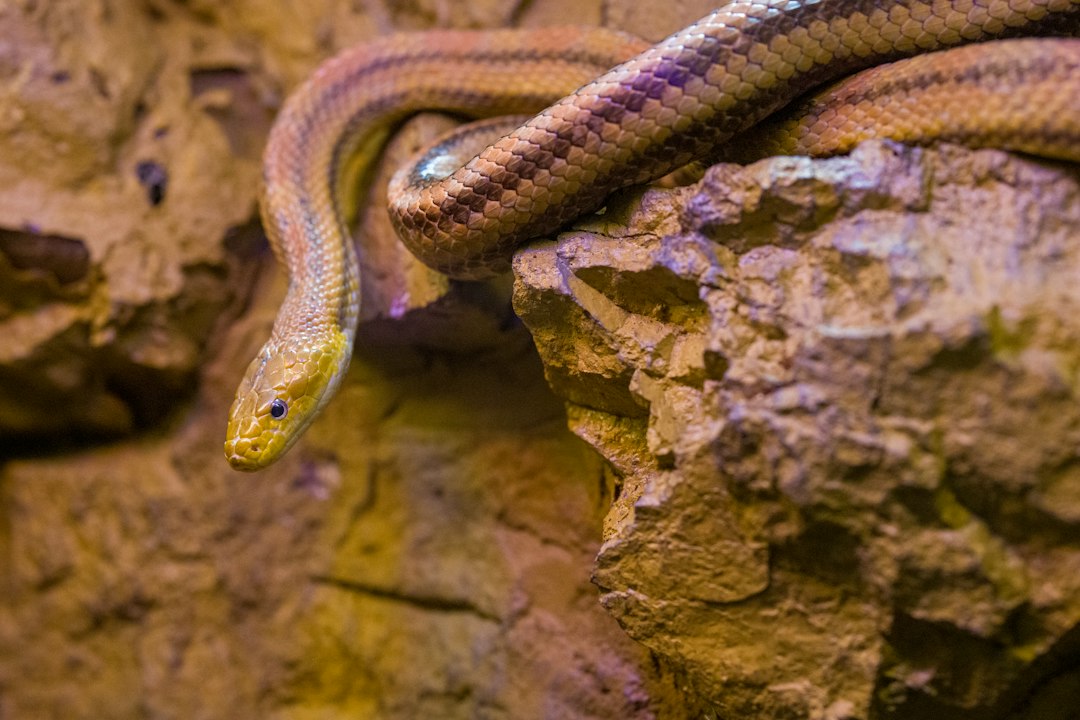
Setting Up a 40 Gallon Snake Tank
A 40 gallon snake tank can be a practical, comfortable setup for many juvenile snakes and some smaller adult species when it is heated, secured, and furnished correctly. The goal is not just to fill a glass box with bedding and a water bowl; it is to create a safe temperature gradient, reliable humidity, and enough cover that your snake can behave naturally. This guide walks through the key choices so your snake 40 gallon tank is easier to maintain from day one.
Is a 40 gallon snake tank the right size?
A 40 gallon snake tank is right for some snakes, temporary for others, and too small for large or highly active adults. Before you buy décor or heating, match the enclosure to the species, age, and expected adult length of the snake. For example, some corn snake care resources list 30–40 gallons as suitable for adults, while modern ball python guidance often recommends a larger 4' x 2' x 2' enclosure for adults, so a 40 gallon setup should not be treated as universal. (chewy.com)
The most common mistake is shopping by gallons alone. A “40 gallon aquarium” may be tall, long, narrow, front-opening, screen-topped, or originally made for fish. For snakes, footprint matters more than water capacity because most pet snakes use floor space, hides, branches, and warm-to-cool zones. A 40 gallon breeder-style enclosure, with more length and width, is usually more useful than a tall narrow tank.
Think of the tank as a starting point for a complete habitat. Your snake needs room to stretch, thermoregulate, hide on both sides, drink, shed, and explore without feeling exposed. If the snake is constantly pressing at the lid, rubbing its nose, refusing food, or never leaving one cramped hide, the issue may be stress, husbandry, or simply an enclosure that no longer fits.
Choosing the best 40 gallon aquarium or terrarium
A 40 gallon aquarium can work for a snake, but only if you adapt it for reptile use. Fish tanks are designed to hold water, not heat gradients, dry bedding, climbing décor, or escape-prone animals. Snakes are strong, flexible, and surprisingly good at finding gaps, so the lid and locks are just as important as the glass.
A front-opening reptile enclosure is usually easier for daily care because you can spot clean, change water, and handle décor without reaching down from above. Top-opening glass aquariums can still work, especially if you already own one, but they need a fitted screen lid with secure clips or locks. Never rely on a loose lid, stacked books, or the weight of a lamp dome to keep a snake contained.
When comparing tanks, look for:
- A wide footprint: More usable floor space supports better hides, clutter, and temperature separation.
- A tight, locking lid: Small gaps around cords, corners, and screen edges are common escape points.
- Good ventilation: Airflow helps reduce stagnant, damp conditions, especially in humid setups.
- Heat-safe construction: Lamps, thermostats, and fixtures must be installed without melting plastic or overheating glass.
- Easy access: A setup that is simple to clean is more likely to stay clean.
If you are repurposing a used aquarium, clean it thoroughly with reptile-safe methods and inspect silicone seams, cracks, sharp edges, and mineral buildup. Avoid tanks that previously held chemicals or unknown substances. A bargain tank is not a bargain if it creates escape risks or sanitation problems.

Heat and temperature control come first
Snakes depend on external heat to digest food, move comfortably, and regulate their bodies. In a snake 40 gallon tank, you want one warm side and one cooler side, not one uniform temperature throughout the enclosure. This lets the snake choose where to rest instead of being forced to stay too warm or too cool.
The best heat source depends on the species and the room. Overhead heat, such as a heat lamp or ceramic heat emitter, is common because it warms the air and surfaces from above. Under-tank heating can help in some setups, but it should never be used without a thermostat and should not be the only thing you trust for ambient temperatures. Heat rocks are best avoided because they can create dangerous contact burns.
Every heat source should be controlled by a thermostat. A thermostat is not the same as a thermometer: the thermostat regulates the heat device, while thermometers tell you what the snake is actually experiencing. Use at least two digital thermometers, one on the warm side and one on the cool side, and consider an infrared temperature gun for checking basking surfaces.
General setup steps:
- Place the heat source on one end of the tank. This creates a true warm side and cool side.
- Connect the heat source to a thermostat. Set it according to your species’ care requirements.
- Measure temperatures before adding the snake. Let the tank run for at least a full day so you can catch swings.
- Check both air and surface temperatures. A hide can be cooler inside than the surface above it.
- Adjust slowly. Small changes in lamp height, wattage, or room temperature can shift the whole setup.
Do not guess based on bulb wattage. A bulb that works in one home may run too hot or too cool in another because room temperature, screen type, ventilation, and décor placement all matter.
How do you manage humidity in a snake 40 gallon tank?
You manage humidity by combining the right substrate, ventilation, water bowl placement, and species-specific monitoring. Many common pet snakes need moderate humidity, but the ideal range varies, and shedding problems are often a sign that the enclosure is too dry or inconsistent. For example, PetMD lists 40%–60% humidity as ideal for ball pythons, while Chewy’s corn snake care sheet lists 40%–60% with a temporary increase during shedding. (petmd.com)
A hygrometer is essential because humidity is hard to judge by feel. Place it where it reflects the snake’s living space, not directly under a misting area or beside a water bowl where readings may be misleading. If your home is very dry, a humid hide filled with damp sphagnum moss can help your snake shed without turning the entire tank soggy.
Substrate plays a big role. Aspen is popular for some drier-loving snakes because it is easy to spot clean and allows burrowing, but it can mold if kept too wet. Coconut fiber, coconut husk, cypress mulch, and similar substrates hold moisture better, which can help for snakes that need more humidity. Paper towels are useful for quarantine or new arrivals because they make waste and mites easier to spot, but they do not provide much enrichment.
To raise humidity, you can partially cover part of the screen top, use a moisture-retentive substrate, add a larger water bowl, or mist lightly when needed. To lower humidity, increase ventilation, reduce misting, remove overly wet bedding, or move the water bowl away from the warmest area. The goal is stable, healthy conditions, not constant soaking.
Hides, clutter, and enrichment make the tank feel safe
A bare tank is stressful, even if the temperatures are perfect. Snakes are prey animals as well as predators, and many feel safest when they can move under cover instead of crossing open ground. In a 40 gallon snake tank, clutter is not decoration for the owner; it is security for the snake.
At minimum, provide a snug hide on the warm side and another on the cool side. “Snug” matters because many snakes prefer hides that touch their bodies on multiple sides. If the hide is too large and open, it may look attractive to you but feel exposed to the animal.
Useful enrichment can include:
- Branches or cork bark for climbing and texture
- Fake or live-safe plants for visual cover
- Leaf litter for scent exploration and security
- Tunnels and cork rounds for movement choices
- Rough but safe surfaces to help with shedding
- A humid hide during shed cycles or for species that benefit from one
Place décor so it creates paths between warm and cool zones. Your snake should be able to travel from one end of the enclosure to the other without feeling fully exposed. Secure anything heavy so it cannot shift, fall, or trap the snake underneath.

Water, feeding space, and daily maintenance
A sturdy water bowl should be available at all times. Choose one heavy enough that the snake cannot easily tip it and large enough for the species to drink comfortably. Some snakes soak occasionally, especially around shed, so the bowl should be easy to remove, clean, and refill.
Feeding practices vary by keeper and species, but the enclosure should be calm and secure during meals. Avoid rearranging the tank right before feeding, and give the snake time to settle after eating. If you feed inside the tank, use tongs and keep the substrate clean. If you feed outside the tank, be aware that extra handling before and after a meal can stress some snakes.
Simple maintenance habits prevent most tank problems:
- Daily: Check temperatures, humidity, water level, and general behavior.
- As needed: Remove waste, shed pieces, and damp or soiled substrate.
- Weekly: Clean the water bowl thoroughly and inspect hides, décor, and lid locks.
- Monthly or periodically: Refresh substrate and deep clean surfaces based on mess, odor, and species needs.
Watch the snake, not just the equipment. A healthy setup should support regular shedding, steady appetite, normal movement, and calm hiding behavior. If something changes suddenly, review the basics before assuming the snake is simply being difficult.
A practical setup checklist
Before bringing your snake home, build and test the enclosure. This reduces stress for the animal and gives you time to fix heat, humidity, or security issues. A 40 gallon snake tank should be fully functional before the snake spends its first night inside.
Use this checklist as a starting point:
- 40 gallon enclosure with suitable footprint
- Secure screen lid or locking front doors
- Thermostat for every heat source
- Warm-side and cool-side digital thermometers
- Hygrometer for humidity tracking
- Species-appropriate substrate
- Warm hide and cool hide
- Water bowl that cannot tip easily
- Climbing, cover, and enrichment items
- Feeding tongs
- Reptile-safe cleaning supplies
- Backup plan for power outages or equipment failure
Run the tank for at least 24 hours before adding the snake. If temperatures spike during the day or drop too low at night, solve that first. It is much easier to adjust an empty tank than to troubleshoot while a new snake is already stressed.
Common mistakes to avoid
One of the biggest mistakes is assuming every snake uses the same setup. A corn snake, kingsnake, hognose, juvenile ball python, and tropical species can all have different needs. Always start with a care guide for the exact species and update the enclosure as the snake grows.
Another common issue is under-furnishing the tank. New keepers sometimes worry that too many hides and plants will make the snake hard to see. In reality, a secure snake is often more confident and may explore more when it knows it can retreat quickly.
Also avoid placing the tank in a poor location. Direct sun through a window can overheat glass quickly, while drafty rooms can make temperatures unstable. Keep the tank away from loud speakers, heavy foot traffic, curious pets, and surfaces that wobble.
Finally, do not skip quarantine-style observation for a new snake. Simple substrate, careful monitoring, and minimal handling for the first stretch can help you notice mites, regurgitation, respiratory signs, or shedding trouble early. Once the snake is settled and healthy, you can add more complex décor if you started with a basic setup.
Final thoughts
Setting up a 40 gallon snake tank is about balance: enough heat but not too much, enough humidity without dampness, enough cover without crowding, and enough security to prevent escapes. A 40 gallon aquarium can become a reliable snake habitat when it has the right lid, thermostat-controlled heating, accurate gauges, hides, substrate, water, and enrichment.
The best setup is always species-specific. Use the 40 gallon size as a framework, then adjust every detail around the snake you actually keep. When the enclosure supports natural movement, clean maintenance, and stable conditions, your snake 40 gallon tank becomes more than a container—it becomes a safe, functional home.

Written by Talis Us


Leave a comment
This site is protected by hCaptcha and the hCaptcha Privacy Policy and Terms of Service apply.