


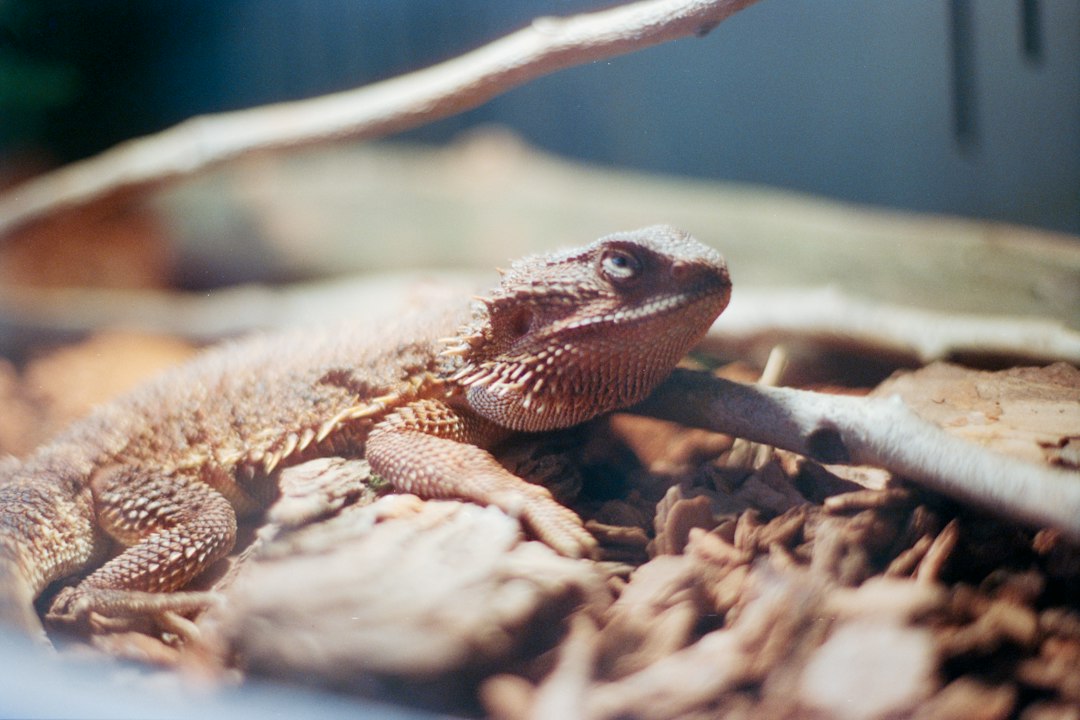
Setting Up a 40 Gallon Bearded Dragon Tank
Setting Up a 40 Gallon Bearded Dragon Tank
A 40 gallon bearded dragon tank can be a useful setup when it is chosen and arranged with the animal’s real needs in mind: floor space, heat, UVB, ventilation, and safe access. The goal is not just to fill the enclosure with décor, but to create a controlled desert-style habitat where your bearded dragon can bask, cool down, hide, climb, eat, and move comfortably. Good bearded dragon care starts with getting those fundamentals right before you bring your dragon home.
Is a 40 gallon bearded dragon tank enough?
A 40 gallon bearded dragon tank is best understood as a minimum or transitional enclosure, not the roomy gold standard for every adult dragon’s entire life. A common 40 gallon breeder tank measures about 36 inches long, 18 inches wide, and 18 inches high, giving more usable floor space than many narrow “long” aquariums; however, many modern care recommendations favor larger adult enclosures because bearded dragons need room to thermoregulate, turn easily, and use separate basking, feeding, hiding, and cooling zones. Some veterinary and husbandry guides still describe 40 gallons as an adult minimum while noting that a longer enclosure is better for a proper temperature gradient. (agavevetcare.com)
If you already have a 40 gallon tank, you can make it safer and more functional with careful setup. If you are buying new and have the space, consider whether you can start larger instead, especially for an adult or fast-growing juvenile. The more space you have, the easier it is to create clear warm and cool zones without crowding the animal.
The tank shape matters more than the gallon label
The word “gallon” can be misleading because it describes volume, not floor plan. Bearded dragons are terrestrial, desert-adapted lizards, so they benefit more from usable length and width than from a tall, narrow tank. A 40 gallon breeder-style enclosure is usually more practical than a narrow 40 gallon long because it gives the dragon more turning room and makes it easier to place a basking area on one side with a cooler retreat on the other.
When comparing options, look for:
- A wide footprint: More floor area means better movement and a clearer temperature gradient.
- A secure screen top: This supports ventilation and allows safe placement of heat and light fixtures when used correctly.
- Front-opening doors if possible: They make feeding, spot cleaning, and handling less stressful than reaching down from above.
- Reliable locks or latches: Bearded dragons can push against loose doors, and household pets may investigate the enclosure.
- Heat-safe construction: Glass is common, but it can lose heat quickly, so you must measure temperatures rather than guessing. Merck notes that glass is a poor insulator and that reptile enclosures require careful temperature control. (merckvetmanual.com)

The habitat starts with heat and UVB
A bearded dragon’s tank is really a controlled microclimate. Because reptiles rely on external heat sources, the enclosure must offer choices: a warm basking zone, a moderate middle area, and a cooler side. Merck emphasizes that reptiles have stricter housing needs than many mammals, especially around temperature and sanitation, and that UVB is important for many diurnal lizards for vitamin D3 synthesis and calcium regulation. (merckvetmanual.com)
In a 40 gallon tank, precision matters because the smaller space can overheat quickly. Use digital thermometers with probes or an infrared temperature gun to check the basking surface and both ends of the enclosure. Avoid relying on stick-on dial gauges alone, since they often measure the glass or air near the wall rather than the actual basking surface.
Build a clear basking zone
Place the basking bulb over one end of the tank, not in the center. Under it, use a stable basking platform such as a flat rock, reptile-safe branch, or commercial basking hide that allows the dragon to sit fully under the heat. The surface should be close enough to warm properly but not so close that the dragon can touch the bulb, screen, or fixture.
The opposite end should stay cooler so the dragon can move away from heat when needed. This gradient is one of the most important parts of bearded dragon care because digestion, activity, appetite, and comfort all depend on the dragon being able to choose the right temperature zone. If the whole tank feels warm to you, it may be too uniform for the animal.
Use UVB as a daily essential, not an optional extra
A bearded dragon needs high-quality UVB lighting in addition to visible light and heat. A long tube-style UVB fixture is usually more effective than a compact bulb because it creates a wider usable zone. RSPCA guidance explains that UVB allows bearded dragons to produce vitamin D3, which helps them use calcium, and recommends using a reptile UVB lamp rather than assuming sunlight through a window will do the job. (rspca.org.uk)
Place the UVB so it overlaps the basking area. That way, when the dragon warms up, it also receives UVB exposure. Follow the bulb manufacturer’s distance and replacement guidance, especially if the lamp sits above a mesh screen, because screens can reduce UVB reaching the animal.
Keep nighttime simple and safe
Most healthy bearded dragons do not need bright nighttime lighting. Darkness supports a normal day-night rhythm, and colored bulbs can disturb rest. If your room drops too cool at night, use a reptile-safe ceramic heat emitter or another non-light-emitting heat source controlled by a thermostat. Always measure the actual tank temperature before adding nighttime heat.
What should go inside the enclosure?
A good 40 gallon tank setup should include a basking platform, a cool-side hide, safe substrate, food and water dishes, climbing pieces, and visual barriers without overcrowding the limited floor space. Every item should serve a purpose: heat access, security, exercise, feeding, hydration, enrichment, or cleaning convenience. In a smaller enclosure, clutter can reduce usable space, so choose fewer, better pieces instead of filling every corner.
Use this starter checklist:
- Substrate: For beginners, paper towels, non-adhesive shelf liner, or tile-style reptile-safe surfaces are easy to monitor and clean. Loose substrate can be more naturalistic but requires more experience with humidity, hygiene, feeding habits, and impaction risk management.
- Basking surface: Choose something stable, textured, and wide enough for the dragon’s whole body. Avoid wobbly rocks or stacked décor that can collapse.
- Cool-side hide: A hide gives your dragon a secure place to retreat. In a 40 gallon tank, place it on the cool end so it does not trap too much heat.
- Climbing décor: Bearded dragons are not purely ground-bound; many enjoy low branches, cork, or sturdy platforms. Keep climbs low enough to reduce fall risk.
- Food dish: A shallow dish helps contain vegetables and dry foods. Remove spoiled food quickly.
- Water dish: Keep it shallow and clean. Some dragons drink rarely from standing water, but clean access is still useful.
- Background or side cover: Covering part of the back or sides can reduce reflections and make the enclosure feel less exposed.
The key is to leave open pathways. Your dragon should be able to move from basking spot to cool side without squeezing through tight gaps or stepping through food and waste.
Tank placement affects the whole setup
Where you put the enclosure can make temperature control easier or much harder. Keep the tank away from windows, radiators, fireplaces, drafty doors, and direct afternoon sun. RSPCA guidance specifically warns against placing a vivarium near heat sources or bright windows that can alter enclosure temperature. (rspca.org.uk)
Choose a stable stand that supports the full base of the tank. Avoid placing the enclosure on the floor in a busy room where foot traffic, vibration, pets, and sudden shadows may stress the dragon. A calm location with normal household activity is usually better than an isolated room you rarely enter, because you will notice problems faster.
Electrical safety matters, too. Heat lamps, UVB fixtures, thermostats, and timers all need safe cord routing. Use drip loops where appropriate, keep cords away from chewing pets, and avoid overloading outlets.

A practical setup sequence
Setting up the tank in the right order helps you catch problems before your bearded dragon is living inside it. Do a full test run for at least a day or two if you can. This is especially useful with a 40 gallon tank because small adjustments can change the temperature quickly.
- Place the empty tank on its stand. Confirm it is level, secure, and away from windows or vents.
- Install the screen top, locks, and fixtures. Make sure lamps cannot fall, slide, or touch flammable materials.
- Add substrate and major décor. Put the basking surface under the heat lamp and the hide on the cool side.
- Set up UVB and heat. Overlap the UVB with the basking area, and use timers to create a consistent day-night cycle.
- Measure temperatures in multiple spots. Check basking surface, warm side, cool side, and nighttime low.
- Adjust before adding the dragon. Raise or lower the basking platform, change bulb wattage, or improve ventilation as needed.
- Add dishes and final enrichment. Keep the layout open enough for easy movement and cleaning.
- Observe behavior after move-in. A dragon that constantly hides, gapes excessively, avoids the basking area, or glass-surfs may be reacting to heat, lighting, reflection, stress, or space limits.
This sequence keeps the focus on function before appearance. A beautiful enclosure that cannot hold safe temperatures or provide UVB is not finished.
Daily and weekly maintenance keep the tank healthy
A 40 gallon bearded dragon tank can get dirty quickly because the space is compact. Spot clean waste as soon as you notice it, remove old food, and rinse dishes daily. Check temperature readings every day, especially during seasonal changes when room temperature shifts.
Weekly, wipe surfaces as needed with reptile-safe cleaning products, inspect décor for loose pieces, and look for stuck shed, uneaten food, excess moisture, or damaged bulbs. Keep a simple log of feeding, shedding, weight changes, and behavior. You do not need to make bearded dragon care complicated, but consistent observation helps you catch small problems before they become serious.
Lighting maintenance is easy to forget because UVB bulbs can still produce visible light after their useful UVB output has declined. Follow the replacement schedule for your specific bulb and fixture. If you use a thermostat, timer, or dimmer, test that it is still working as expected.
Common mistakes to avoid
Most 40 gallon tank problems come from crowding, weak UVB, poor temperature gradients, or assuming the dragon will “make do.” These mistakes are common because starter kits and aquarium labels can make the setup seem simpler than it really is.
Avoid these issues:
- Putting the basking light in the middle: This can make both sides too similar in temperature.
- Using no UVB or only a small coil bulb: A bearded dragon needs a usable UVB zone, not just a decorative light.
- Guessing temperatures by feel: Human comfort does not equal reptile safety.
- Overdecorating the enclosure: Too many items reduce usable floor space and make cleaning harder.
- Relying on sunlight through glass: Window glass does not replace a proper reptile UVB setup.
- Ignoring adult size: If your dragon struggles to turn, explore, or escape heat, the enclosure is too limiting.
Signs it may be time to upgrade
Even if your 40 gallon tank is well arranged, your dragon may eventually need more room. Upgrade planning is part of responsible care, not a failure of your first setup. A larger enclosure gives you more flexibility with lighting distance, enrichment, hides, and a stronger thermal gradient.
Consider moving up if your dragon:
- Cannot turn around easily without brushing the glass or décor
- Spends most of the day pressed against the glass
- Has no clear cool retreat from the basking zone
- Quickly outgrows the basking platform or hide
- Becomes difficult to enrich without overcrowding the tank
- Needs more climbing, digging, or exploring opportunities than the space allows
A larger enclosure does not fix poor husbandry by itself, but it makes good husbandry easier. You still need proper heat, UVB, sanitation, diet, and observation.
The takeaway for a better 40 gallon setup
A 40 gallon tank can work as a carefully managed bearded dragon enclosure, especially for a young dragon or as a temporary setup, but it should be planned around the animal’s behavior rather than the number on the label. Choose the widest footprint you can, build a real basking-to-cool gradient, use strong UVB correctly, keep décor useful but uncluttered, and monitor conditions every day.
If you are starting from scratch, think beyond the first purchase. The best setup is one that supports healthy routines now while leaving room to upgrade as your dragon grows. Practical, consistent bearded dragon care is what turns a glass box into a safe, comfortable habitat.

Written by Talis Us


Leave a comment
This site is protected by hCaptcha and the hCaptcha Privacy Policy and Terms of Service apply.