


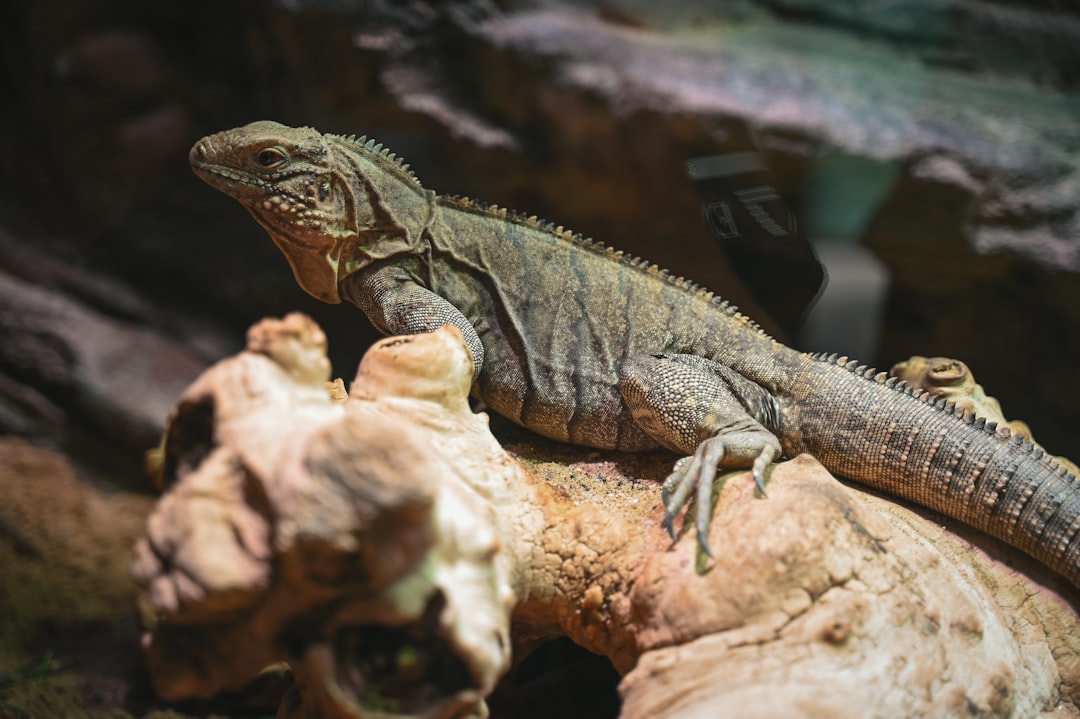
Reptile Terrarium 40 Gallon Setup: A Complete Guide
Setting Up a 40 Gallon Reptile Terrarium
Standing in the pet store aisle, you might wonder how to balance a new pet's need for space with the physical reality of your living room. Investing in a high-quality reptile terrarium 40 gallon enclosure is often the perfect "Goldilocks" solution. Most keepers agree this specific footprint strikes the ideal balance—spacious enough to give popular animals room to thrive, yet manageable enough to fit beautifully on top of a standard bedroom dresser.
Falling into the "Too Small" trap is a costly mistake many enthusiastic first-time owners make. Purchasing a compact twenty-gallon starter kit might seem budget-friendly today, but common consensus reveals that upgrading from juvenile to adult reptile enclosures usually costs hundreds of extra dollars just a few months later when the animal hits a sudden growth spurt. Bypassing those tiny temporary bins saves you from this frustrating double-buy mistake while giving your scaly friend a highly stable environment from day one.
Veterinarians and breeders alike regularly recommend this forward-thinking approach because a 40 gallon tank acts as a true "forever home" for many beloved beginner species. Whether you are creating a warm, rocky landscape for a Leopard Gecko or an active ground zone for a young Bearded Dragon, this specific footprint provides the crucial space required to build distinct hot and cool temperature zones.
Decoding the 36x18x18 Footprint: Why Floor Space Beats Total Volume
When shopping for a reptile home, "gallons" can be tricky—it measures total volume, not the actual room your pet has to roam. A standard 40 gallon breeder tank features 36x18x18 enclosure dimensions (length, width, height in inches). Think of this footprint as roughly the width of a standard doorway. For ground-dwelling pets, this horizontal floor space is crucial so they can hunt, stretch out, and safely move between warm and cool areas. Always measure your dresser or stand first; these habitats require a solid base with absolute zero overhang to prevent the bottom from cracking under weight.

Matching tank geometry to your specific animal's daily routine keeps them active and stress-free:
- Breeder Tanks (Wide): Prioritize horizontal floor space, making them perfect for walkers and burrowers like Leopard Geckos and juvenile Bearded Dragons.
- Tall Tanks (Vertical): Prioritize climbing height, which is ideal for tree-dwellers like Crested Geckos.
Glass vs. PVC Habitats: Choosing the Right "Walls" for Your Climate
Choosing a material usually comes down to aesthetics and weight. Glass offers gorgeous 360-degree viewing, making it incredibly easy to watch your pet explore. However, an empty 40-gallon glass tank weighs over 50 pounds, making it tough to move. PVC (a rigid plastic) is wonderfully lightweight and completely shatterproof. When evaluating glass vs pvc habitats for beginner keepers, keep in mind that glass is easily found at local pet stores, while PVC generally requires ordering online.
Temperature control reveals the biggest difference between these two options. PVC acts like a heavy winter coat, providing excellent thermal insulation that traps warmth and humidity inside. This makes it perfect if your house runs cold. Glass lets heat escape rapidly, much like a single-pane window. If your room is chilly, you will definitely need higher-wattage bulbs or extra heating solutions for glass reptile enclosures just to keep your pet warm enough to digest their food.
Your home climate and budget will ultimately make this decision for you. Glass tanks cost less upfront, but PVC saves money on electricity since heaters work less.
The Best Reptiles for a 40-Gallon Life: Who Thrives and Who Outgrows It
Finding the best reptiles for 40 gallon breeder tank setups means matching the animal’s natural behavior to the enclosure's shape. Because this tank is long rather than tall, it perfectly supports ground-dwelling pets. Vertical vs horizontal habitat space requirements dictate the enclosure type; climbing frogs need tall spaces, but ground-dwelling lizards need ample floor space to run.
Let’s look at which popular beginner reptiles can live in this tank forever, and which are just renting the space:
- Leopard Geckos (Permanent): These curious, slow-paced explorers have plenty of room to roam and hide here for their entire lifespan.
- Corn Snakes (Permanent): The standard 36-inch length is a comfortable fit for adults to stretch out as they explore.
- Hognose Snakes (Permanent): Small and active, they love utilizing the wide floor plan to burrow in deep substrate.
- Bearded Dragons (Temporary): This is perfect for juveniles, but these fast-growing, highly active lizards will eventually require a 120-gallon upgrade by adulthood.
Matching an animal's adult size and energy level to the tank prevents stress and encourages healthy, natural behaviors.
Creating a "Porridge Method" Temperature Gradient: The Sun, The Shade, and The Thermostat
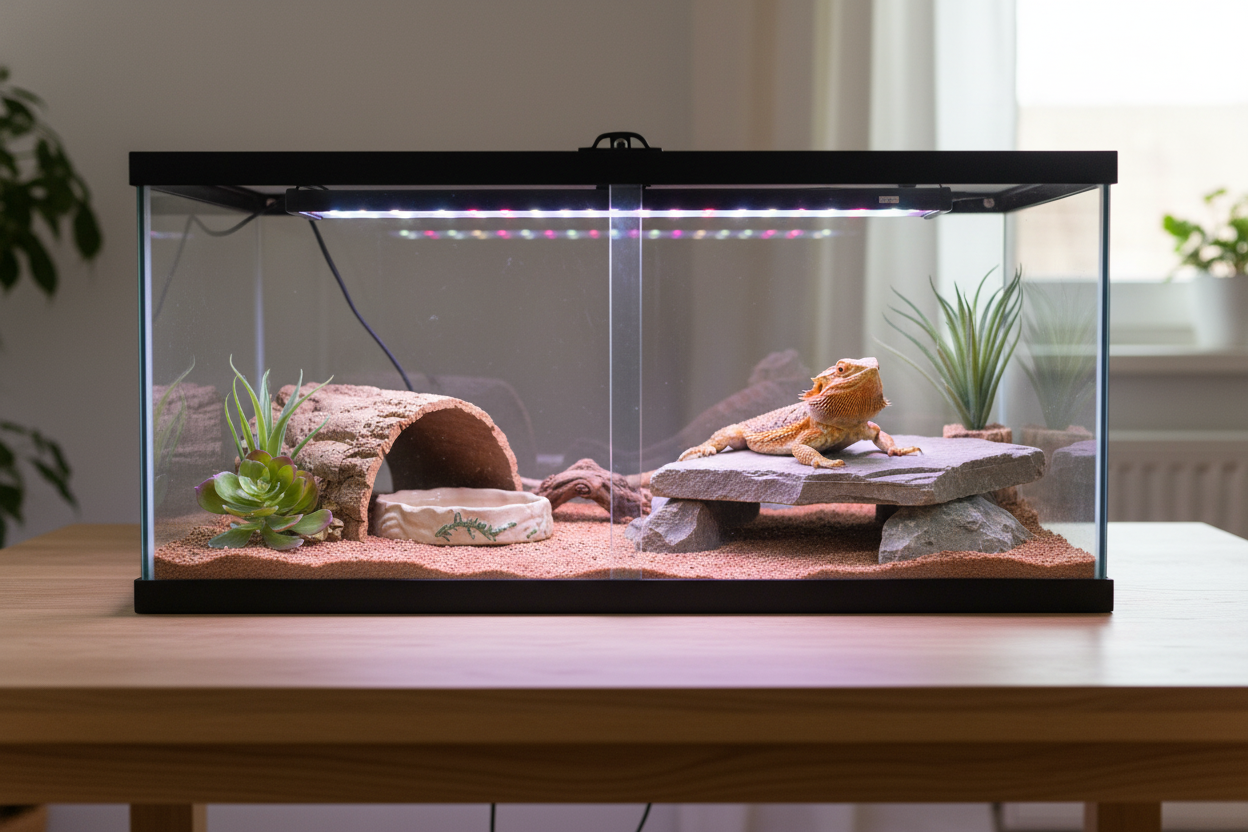
Because your reptile relies entirely on its environment to stay warm, creating a thermal gradient—a designated hot side and cool side—is the most critical part of their habitat. Think of it as the "Porridge Method." On one end of the enclosure, you create the "sun" using a heat lamp aimed at a basking spot, like a wide rock or a thick branch. The opposite side remains unheated "shade," allowing your pet to comfortably retreat when they get too hot. By easily walking back and forth, they naturally find the temperature that feels just right.

Safely managing these heating solutions for glass reptile enclosures requires one non-negotiable tool: a thermostat. While a simple thermometer only tells you how hot the tank is, a thermostat actively regulates your heat lamps or ceramic heat emitters by turning them off before they can cause dangerous overheating or severe burns. Simply secure the thermostat's temperature probe directly on the basking spot, and place a standard digital thermometer on the cool end to monitor the shade.
The "Vitamin Bulb" Guide: Placing UVB Lighting for Maximum Bone Health
Just like humans need sunshine to make Vitamin D, your reptile relies on invisible UVB rays to process the calcium in their diet. Without this crucial exposure, pets can develop metabolic bone disease—a serious, permanent condition that leaves their skeleton painfully soft and fragile. When planning your uvb lighting placement for optimal health, you will generally choose between two tube styles: older T8 bulbs and modern T5 bulbs. For a 40-gallon habitat, the stronger T5 is always the better investment because its light easily reaches the bottom of taller enclosures.
Mounting these fixtures requires a quick calculation, as screen lids act like sunglasses for your terrarium. Because a standard metal top blocks roughly 30% of these beneficial rays, you must strategically measure the gap between the bulb and your pet's highest basking branch. To ensure your reptile receives enough "vitamins" through a mesh top tank lighting setup without risking a sunburn, follow these safe distances for a standard T5 tube resting directly on the screen:
- Bearded Dragons (High UVB needs): 10 to 12 inches below the mesh.
- Leopard Geckos (Low UVB needs): 14 to 16 inches below the mesh.
Humidity Hacks for Mesh-Top Tanks: Keeping Tropical Species Hydrated
Those powerful bulbs we just positioned do a fantastic job warming your reptile, but they also bake moisture right out of the air. If you are wondering how to maintain humidity in mesh top tanks without constantly misting the glass, you must first establish your baseline moisture. This requires a hygrometer—a simple digital device that measures water vapor instead of heat—placed near the terrarium floor. Because 40-gallon enclosures feature wide screen lids designed for maximum airflow, they act like giant open windows, allowing crucial humidity to escape into your living room almost instantly.
Fixing this rapid evaporation doesn't require expensive equipment; you simply need to plug the invisible leaks. By covering half of your screen lid with HVAC aluminum tape or custom-cut acrylic, you trap evaporating water inside while leaving enough open mesh around your lamps for safe ventilation. Balancing this airflow is vital, as completely sealing the top creates a stagnant environment that breeds harmful mold.
Safe Substrate Selections: Matching Bedding to Natural Instincts
The floor of your terrarium, or substrate, is the ground your pet walks and digs on daily. For the first two weeks with any new reptile, simple paper towels are the absolute best choice because they let you easily monitor their health and bathroom habits. After this quarantine period, you must choose between a solid surface—like rough slate tile—or a loose substrate. If using loose dirt, you must prevent impaction: a deadly stomach blockage caused when pets accidentally swallow indigestible bedding while eating.
Matching bedding to natural instincts prevents these health issues. Consider these options:
- Safe: Organic topsoil mixes (excellent safe substrate types for burrowing species).
- Safe: Rough slate tile (easy to wipe clean and retains heat well).
- Safe: A bioactive setup (soil containing live plants and helpful bugs that naturally break down waste).
- Avoid: Calcium sands (beware of calci-sand dangers; reptiles intentionally eat it for calcium, causing severe blockages).
- Avoid: Crushed walnut shells (sharp edges cause internal damage).
Front-Opening vs. Top-Loading Vivariums: The "Predator From Above" Theory
When comparing front opening vs top loading vivariums, the most crucial difference is how your pet perceives you. In the wild, danger almost always comes from above in the form of hungry birds. Reaching down into a top-loading tank triggers a deep-rooted predator response, causing your new reptile to panic and hide. By choosing a front-opening design, you interact with your pet at eye level. This simple change builds trust much faster because you approach them as a friend, rather than a giant swooping hawk.

Beyond keeping your animal calm, front-facing doors make your daily maintenance routine about 50% faster. You can quickly wipe down glass, change water bowls, and spot-clean dirty bedding without having to move hot overhead lighting fixtures. Because many reptiles are surprising escape artists, modern front-opening tanks feature built-in latches, whereas top-loading tanks require you to purchase separate escape proof lids and locking mechanisms to keep adventurous snakes securely inside.
Your 40-Gallon Launch Checklist: From Empty Glass to Thriving Habitat
You’ve transformed an empty glass box into a fully functioning ecosystem. To avoid the most common mistakes when setting up lizard housing, you must resist rushing the introduction. Instead, execute a 48-hour "Dry Run" to guarantee absolute stability using this final checklist:
- Start by cleaning and disinfecting vivariums safely with reptile-friendly solutions.
- Arrange your floor and hides, whether using simple bedding or a step by step bioactive setup guide.
- Apply a final safety check to all electrical cords, thermostats, and locking components.
- Run all heating and lighting systems untouched for two full days to ensure your hot and cool zones remain perfectly steady.
- Implement a stress-free introduction plan for your new reptile by letting them settle in with the room kept quiet.
Once you complete this testing phase, your 40-gallon enclosure is no longer an intimidating glass box. It has become a true, thriving habitat built on reliable warmth and secure boundaries, allowing you to confidently watch your pet explore their comfortable new home.

Written by Talis Us


Leave a comment
This site is protected by hCaptcha and the hCaptcha Privacy Policy and Terms of Service apply.