


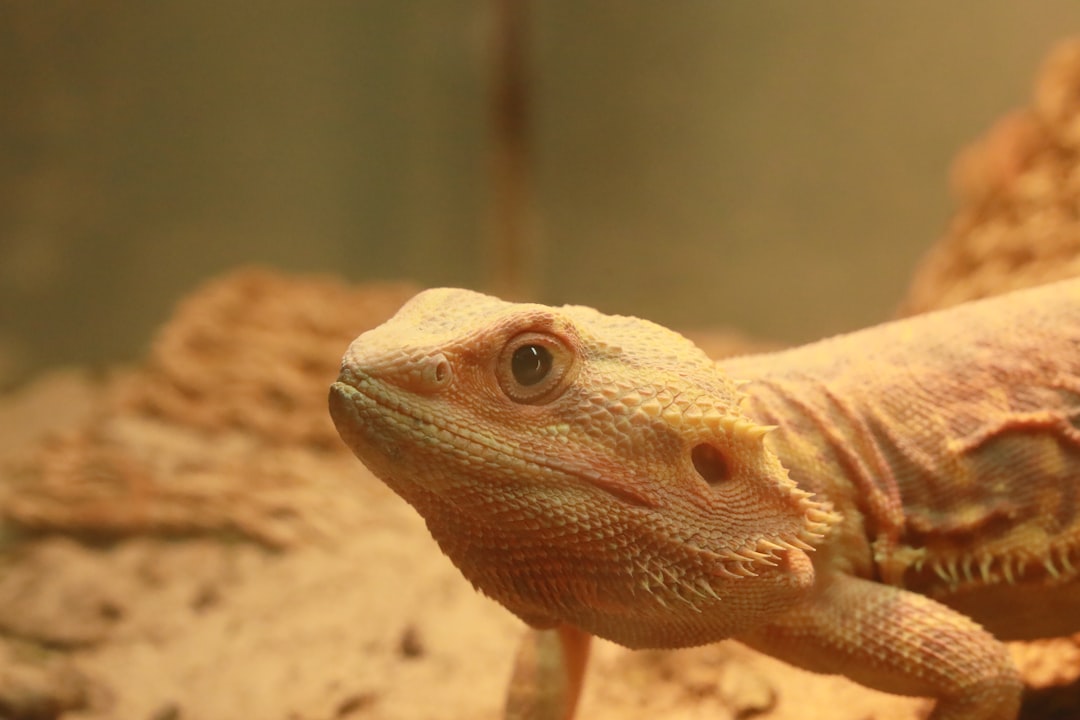
Optimal Setup for a 40 Gallon Bearded Dragon Tank
Setting Up a 40 Gallon Bearded Dragon Tank
Bringing a new bearded dragon into your home is an incredibly exciting experience. These docile, personable reptiles make fantastic pets, but their health and happiness depend entirely heavily on the environment you create for them. For decades, the 40 gallon bearded dragon tank has been the standard starting point for new reptile keepers. It offers a great balance of footprint and manageability, making it a highly popular choice for those bringing home a baby or juvenile dragon.
However, setting up a successful habitat requires more than just buying a glass box and throwing in a heat lamp. From establishing proper temperature gradients to selecting the right substrate, every detail matters.
In this comprehensive guide, we will walk you through exactly how to set up a 40 gallon bearded dragon tank, discuss the lifespan of this enclosure size, and share expert tips to ensure your scaly friend thrives in their new home.

Understanding the Dimensions of a 40 Gallon Tank
Before you start buying decor and lighting, it is crucial to understand the physical space you are working with. The standard 36x18x18 reptile enclosure dimensions (36 inches long, 18 inches wide, and 18 inches tall) provide exactly 40 gallons of volume.
This specific footprint is highly beneficial for a few reasons:
- Floor Space: Bearded dragons are semi-arboreal but primarily terrestrial. They need horizontal floor space to run, hunt crickets, and explore.
- Height: At 18 inches tall, there is enough room to safely mount UVB fixtures and heat lamps without risking thermal burns to your dragon's back.
- Thermal Gradients: A 36-inch length makes it possible to create a hot side and a cool side, which is vital for a reptile's thermoregulation.
The Great Debate: Is a 40 Gallon Enclosure Big Enough for an Adult Bearded Dragon?
If you are researching reptile care, you will inevitably stumble upon a fierce debate regarding tank sizes. So, let’s answer the most common question: is a 40 gallon enclosure big enough for an adult bearded dragon?
The short and definitive answer is no.
While a 40 gallon tank was once considered the industry standard for adults, modern veterinary science and herpetology have evolved. Today, the recognized minimum habitat requirements for central bearded dragons (the most common species kept as pets) dictate an enclosure size of at least 4 feet by 2 feet by 2 feet (120 gallons) for a fully grown adult.
When looking at a 40 gallon breeder vs 120 gallon terrarium, the difference in quality of life is massive. An adult bearded dragon can grow up to 24 inches long. In a tank that is only 18 inches deep and 36 inches long, a full-grown dragon barely has room to turn around comfortably, let alone exercise.
How long can a bearded dragon stay in a small tank? If you are starting with a 40-gallon setup, it is perfect for setting up a juvenile bearded dragon habitat. You can safely house a baby or juvenile dragon in this enclosure until they are about 10 to 12 months old, or until they reach roughly 14 to 16 inches in length. At that point, you will need to upgrade to their forever home.

Choosing Your Enclosure: Materials and Styles
Not all terrariums are created equal. When shopping for your dragon’s first home, you will encounter a variety of materials and designs.
Glass vs PVC Reptile Enclosures
The two most common materials for reptile habitats are glass and PVC (polyvinyl chloride).
- Glass: A traditional glass bearded dragon enclosure is easy to find, affordable, and highly scratch-resistant. Glass allows for 360-degree viewing. However, glass is a poor insulator, meaning heat escapes easily, and the reflections can sometimes stress out young dragons.
- PVC: PVC enclosures hold heat incredibly well and are much lighter than glass. Because they usually have solid sides, dragons feel more secure. However, finding a 40-gallon PVC tank can be difficult, as they are typically manufactured for larger adult sizes (120+ gallons).
For a 40-gallon setup, glass is usually the most practical and accessible choice.
The Importance of Front-Opening Doors
If you opt for glass, highly prioritize a terrarium with front doors. The front opening glass reptile terrarium benefits are immense. In the wild, a bearded dragon's primary predators are birds of prey that swoop down from above. If you use a top-opening tank and constantly reach down from the ceiling to pick up your dragon, you trigger their natural prey drive, causing unnecessary stress. Front-opening doors allow you to approach your dragon at their eye level, facilitating easier taming and handling. Furthermore, front doors make daily spot cleaning and feeding incredibly convenient.
Perfecting the Climate: Lighting and Heating
Reptiles are ectothermic, meaning they rely entirely on their environment to regulate their body temperature. Your lighting and heating setup is the literal life support system for your pet.
Managing Temperature Gradients in Small Enclosures
Creating a varied climate inside a relatively compact space can be tricky. Managing temperature gradients in small enclosures requires precise placement of your heating elements. You want to establish a distinct "hot side" for digestion and a "cool side" for resting.
In a 36-inch long tank, push all your heating elements to the far extreme left or right side.
- Basking Spot Surface Temperature: 105°F to 110°F (for juveniles).
- Warm Side Ambient Air: 90°F to 95°F.
- Cool Side Ambient Air: 75°F to 85°F.
- Nighttime Temperatures: Can safely drop to 65°F. If your house gets colder than this at night, use a Ceramic Heat Emitter (CHE), which produces heat but no light.
Pro Tip: Never use heat rocks. They are notorious for malfunctioning and causing severe, life-threatening thermal burns to reptiles. Stick to overhead halogen basking bulbs.

UVB Lighting: The Key to Bone Health
Bearded dragons require high levels of Ultraviolet-B (UVB) light to synthesize Vitamin D3, which allows their bodies to absorb calcium. Without proper UVB, your dragon will quickly develop Metabolic Bone Disease (MBD), a fatal condition that causes brittle, deformed bones.
Understanding the UVB light fixture requirements for 36 inch terrariums is non-negotiable.
- Fixture Type: Do not use compact coil UVB bulbs. They do not emit a wide enough spread of UVB. Instead, use a T5 High Output (HO) linear fluorescent tube light.
- Bulb Strength: Look for a 10.0 or 12% UVB bulb (brands like ReptiSun or Arcadia are the gold standard).
- Length: Your UVB tube should cover roughly 1/2 to 2/3 of the tank's length. For a 36-inch tank, a 22-inch or 24-inch UVB fixture is perfect.
- Placement: The UVB tube must overlap with the basking light on the hot side. This ensures that when the dragon is warming up, they are simultaneously receiving vital UV rays.
Airflow and Screen Tops
Ventilation is crucial to prevent respiratory infections. Thankfully, most 40-gallon tanks come with a standard mesh screen top airflow for desert reptiles. This screen allows fresh air to circulate while letting excess humidity escape (bearded dragons need low humidity, ideally between 30% and 40%).
However, be aware that mesh screens filter out up to 30% of the UVB light passing through them. If you are resting your UVB fixture on top of the mesh, ensure your basking branch is elevated to roughly 10-12 inches below the bulb so your dragon receives adequate UV exposure.
Flooring: Safe Bearded Dragon Bedding Options
Choosing the right substrate (bedding) is one of the most highly debated topics in the reptile community. Because bearded dragons use their tongues to explore their environment and catch insects, they are prone to ingesting loose bedding, which can cause a deadly intestinal blockage known as impaction.
When outfitting a 40 gallon bearded dragon tank, especially for a younger, clumsier dragon, solid substrates are the safest route.
Top Safe Substrate Choices:
- Textured Ceramic Tile: Slate or ceramic floor tiles with a rough texture are incredibly easy to clean, hold heat beautifully, and naturally file down your dragon’s sharp claws.
- Non-Adhesive Shelf Liner: Cheap, easy to cut to the exact 36x18 dimensions, and simple to wipe down. Make sure it has no chemical adhesives.
- Paper Towels or Newspapers: Not the most aesthetically pleasing, but highly sanitary and perfect for monitoring the health (and feces) of a brand-new baby dragon during their quarantine period.
Substrates to Avoid:
- Calcium Sand: This is heavily marketed in pet stores but is incredibly dangerous. It encourages dragons to eat it to get calcium, but it clumps in their stomach like cement.
- Reptile Carpet: While often sold in starter kits, reptile carpet harbors dangerous bacteria and can snag a dragon’s tiny toes, leading to ripped out nails.
- Walnut Shells or Wood Bark: These pose severe impaction risks and can be sharp enough to cause internal lacerations if swallowed.
Once your dragon is older and their husbandry is perfectly dialed in, you can consider a naturalistic loose substrate (like a 50/50 mix of organic, fertilizer-free topsoil and washed play sand), but for a juvenile in a 40-gallon setup, solid flooring is heavily recommended.

Interior Design: Decorating and Maximizing Space
Now comes the fun part: making the enclosure look great while keeping it highly functional. Because you only have 36 inches of length to work with, maximizing floor space in limited enclosures is vital. You want to provide enrichment without cluttering the ground, ensuring your dragon still has room to chase crickets.
Essential Basking Spot Decor for Medium Tanks
The hot side of your tank needs a dedicated basking platform. Essential basking spot decor for medium tanks includes items that absorb and retain heat efficiently from the overhead lamps.
- Slate Rocks: A stack of secured slate rocks is nature's perfect heating pad. Slate absorbs heat from the halogen bulb and warms the dragon's belly, aiding in digestion.
- Thick Driftwood or Ghost Wood: A thick branch angled toward the heat lamp allows your dragon to physically regulate their temperature. If they want to be hotter, they climb higher; if they want to cool down slightly, they move lower down the branch.
Hides and Hammocks
Your dragon needs a place to escape the light and feel secure, especially when sleeping or shedding.
- Warm Hide and Cool Hide: Place one hide on the hot side (often doubling as a basking platform on top) and one hide on the cool side.
- Reptile Hammocks: Hammocks made of seagrass or soft mesh are excellent for utilizing vertical space. Place one in a back corner using suction cups. It gives the dragon a fun climbing opportunity without taking up valuable floor space below.
Design Tip: Keep the center of the tank relatively open. This creates a "hunting ground" where you can drop feeder insects, allowing your dragon to run and catch their meals naturally.
Maintenance: Keeping the Enclosure Pristine
A clean tank is a healthy tank. Reptiles living in dirty conditions are highly susceptible to bacterial infections, parasites, and scale rot. Developing a strict cleaning routine is an essential part of bearded dragon ownership.
Daily Spot Cleaning
Every single day, you should dedicate five minutes to spot cleaning the bearded dragon enclosure.
- Remove any uneaten insects (crickets left in the tank overnight can actually bite your dragon while they sleep).
- Remove any uneaten salad/greens before they wilt and rot.
- Scoop up any feces immediately.
Deep Cleaning Procedures
Once a month, the entire tank needs to be stripped down and sanitized. Disinfecting a glass lizard enclosure properly requires reptile-safe cleaning agents. Do not use standard household chemical cleaners like bleach or ammonia, as the fumes can be toxic to reptiles.
Step-by-Step Deep Clean:
- Relocate your dragon: Place your bearded dragon in a safe, secure temporary bin.
- Remove all decor: Take out the rocks, hides, wood, and substrate.
- Wash the decor: Scrub the rocks and hides in a sink with hot water and dish soap. For deep sanitization, you can bake wood and rocks in the oven at 250°F for 30 minutes to kill bacteria.
- Spray the glass: Use a reptile-safe veterinary disinfectant (like Chlorhexidine diluted with water) or a 50/50 mixture of distilled white vinegar and water. Spray down the glass walls and the floor.
- Wipe and dry: Wipe everything down with paper towels. Ensure there is no lingering vinegar smell before putting the substrate and decor back in.

Preparing for the Future
Setting up a 40 gallon bearded dragon tank is an incredible introduction to the world of reptile keeping. By ensuring you have the proper 36x18x18 reptile enclosure dimensions, utilizing front-opening doors, dialing in your temperature gradients, and installing high-quality linear UVB lighting, you are setting your new pet up for immense success.
Remember, however, that your scaly friend is going to grow fast. Enjoy the baby and juvenile stages, observe their quirky behaviors, and take pride in the beautiful habitat you've created. But always keep in mind that within a year, you will need to start planning that exciting upgrade to their adult 120-gallon forever home.
By following the guidelines above, you will ensure your dragon remains healthy, active, and happy throughout their vital growth phases, creating a bond that will last for years to come.

Written by Talis Us


Leave a comment
This site is protected by hCaptcha and the hCaptcha Privacy Policy and Terms of Service apply.