


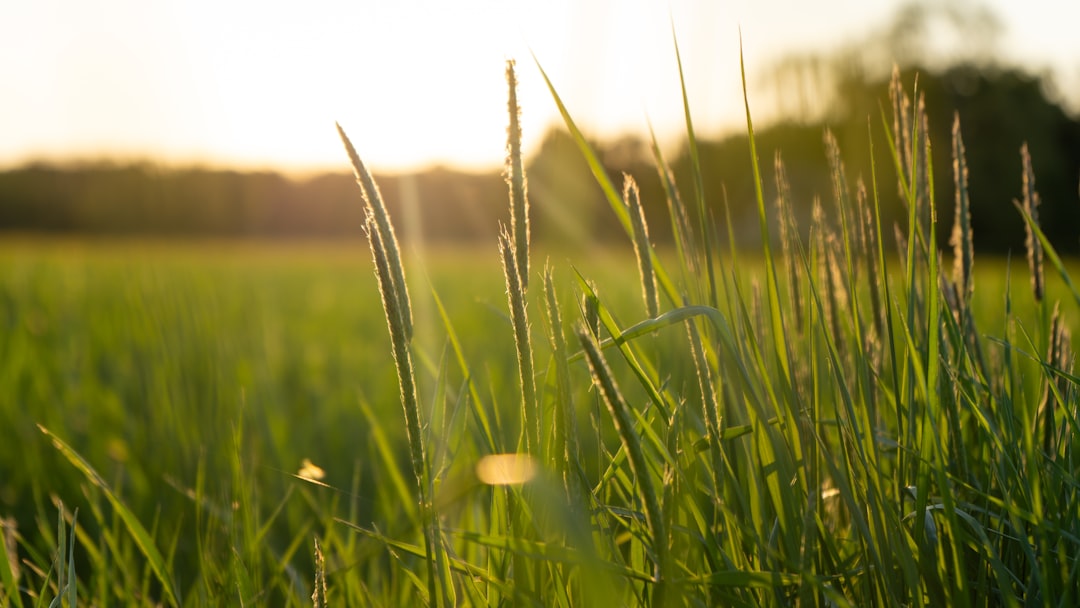
Optimal Rabbit Diet: Timothy Hay Nutrition Guide
Benefits of Timothy Hay for Rabbits
If you had to pick just one food for your rabbit to eat for the rest of their life, it wouldn't be carrots or pellets—it would be hay. Many new owners reasonably wonder, "do bunnies eat hay as a snack or a meal?" According to veterinary consensus, this vital grass is actually the main event, the appetizer, and the dessert. Treating long-strand fiber as mere bedding or an occasional treat is a common mistake that can directly compromise a pet's long-term health.
Your rabbit will thrive much more if we shift the focus entirely to daily foraging. In the world of lagomorph biology, there is a golden standard known as the "Rule of 80," which dictates that a full 80% of your rabbit's diet must consist of fresh grass. Think of timothy hay for rabbits as the bread and butter of their nutritional hierarchy. It provides the essential, low-protein fuel required to keep their specialized digestive conveyor belt moving smoothly around the clock.
Filling up a food bowl with sweet treats creates immediate problems for this delicate internal machinery. While a slice of fruit or a baby carrot seems harmless, experts warn that these high-sugar snacks quickly lead to metabolic issues and dangerous weight gain. A rabbit's body is built to extract nutrients from tough plants, meaning rich foods can easily overwhelm their gut and cause a life-threatening digestive shutdown.
This biological balance makes shopping for your pet's meals much easier. Once you master the core concepts behind quality hay for rabbit nutrition, you will quickly spot the difference between dusty, lifeless straw and the fragrant, vibrant green stalks your bunny actually needs.

How Timothy Hay Acts as 'Natural Sandpaper' to Prevent Dental Overgrowth
Most owners know their pets chew constantly, but this isn't just a quirky habit—it's a biological survival mechanism. A rabbit's teeth never stop growing. If they relied solely on soft commercial pellets or vegetables, their teeth would quickly overgrow and lock their jaw. To stay healthy, they need a tough, fibrous material that acts like tiny pieces of natural sandpaper with every single bite.
That essential roughage is long-strand fiber, found abundantly in tough rabbit grass. Unlike humans who mash food vertically, a rabbit's jaw uses a complex horizontal grinding motion. As they process this everyday grass for bunnies, microscopic natural particles called silica continuously scrape against the molars. This side-to-side sweeping action evenly files the continuously erupting enamel, satisfying a vital 24/7 requirement for dental wear.
Without this constant mechanical grinding, uneven wear creates sharp spikes called molar spurs that painfully slice into their cheeks and tongue. Promoting dental health through chewing fibrous stalks is the only reliable way to prevent these hidden veterinary emergencies. Since your pet instinctively hides discomfort, watch carefully for these three signs of dental distress:
- Weeping eyes or unexpected nasal discharge
- Dropping food from their mouth while trying to eat
- A sudden preference for soft treats while completely ignoring hay
Keeping fresh hay available ensures their teeth stay perfectly filed, but the biological benefits of this tough fiber don't stop at the jawline. Once swallowed, that thoroughly ground material takes on a completely new, life-saving job deeper inside the body, utilizing a conveyor belt effect to prevent life-threatening gastrointestinal issues.
The 'Conveyor Belt' Effect: Using Fiber to Prevent Life-Threatening GI Stasis
Once swallowed, hay enters a digestive system that operates exactly like a 24/7 factory conveyor belt. For this machinery to keep running, it requires constant roughage to physically push material through the intestines. Supplying this essential dietary fiber for rabbits ensures their sensitive gut never slows down or stalls out.
The magic of roughage lies in two distinct components working perfectly together. While the rabbit extracts the digestible energy of sun-dried forage to fuel their daily activities, the tough, indigestible parts act as nature's broom. These long strands sweep out the entire digestive tract, keeping food moving and preventing hair blockages from forming.
When a bunny stops eating, that internal conveyor belt grinds to a halt, leading to a life-threatening digestive shutdown called GI Stasis. Because their system relies entirely on continuous forward motion, a rabbit refusing food for just 12 hours is an immediate medical emergency. Ultimately, preventing rabbit GI stasis requires an endlessly full hay rack to keep their digestive muscles working.
Monitoring this delicate system is surprisingly simple: just check their litter box. You want to see "golden poops"—large, dry, crumbly spheres visibly packed with chewed hay pieces—which signal perfect gut motility. While long-strand fiber keeps this vital conveyor belt moving reliably, the specific grass type heavily influences their mineral intake, bringing us to the crucial nutritional balance between Timothy and Alfalfa.

Timothy vs. Alfalfa: Navigating the Calcium-to-Phosphorus Balance
Transitioning from baby days to adulthood requires a major dietary shift for your rabbit. While growing kits and nursing mothers thrive on the rich energy of Alfalfa, this legume is simply too heavy for mature rabbits. When comparing timothy hay vs alfalfa for bunnies, the most critical difference is the mineral content. Adults need a fibrous grass hay that allows for endless chewing without overloading their system with excess nutrients.
The main culprit in this balancing act is calcium. Unlike humans, rabbits absorb nearly all the calcium they consume and excrete the extra through their urine, which can lead to thick, gritty "bladder sludge" or dangerous stones if levels spike. Maintaining a high-quality calcium to phosphorus ratio is absolutely essential for urinary tract health (a rule that also makes grass hay the best hay for guinea pigs). Here is a quick nutritional breakdown of why this life-stage shift matters:
- Alfalfa Hay: High protein (15-19%) and High calcium (1.5%) — Ideal for early growth.
- Timothy Hay: Lower protein (8-11%) and Low calcium (0.4%) — Perfect for daily adult maintenance.
Making Timothy your rabbit's lifelong staple provides vital fiber to keep the digestive conveyor belt moving without the dangerous mineral risks. Once you secure the right grass type, getting your rabbit to actually eat it requires choosing the correct first, second, or third cut and deciphering harvest labels for picky eaters.
First, Second, or Third Cut? Deciphering Harvest Labels for Picky Eaters
Staring at untouched hay is frustrating for any owner. When a bunny refuses their meals, the issue often isn't the grass type, but its texture. Farmers harvest crops multiple times a season, yielding completely different structures. Leveraging these textures is the easiest way of stimulating natural foraging behavior.
The secret to decoding these bags lies in the stem-to-leaf ratio, which drives the nutritional differences between hay harvests. Stems provide crucial "sandpaper" to file down continuously growing teeth, while leaves offer softer, sweeter bites. You will generally find three options at the pet store:
- 1st Cut: Highly stemmy and fibrous. Perfect for aggressive tooth wear and overweight rabbits needing strict calorie control.
- 2nd Cut: The traditional gold standard. This balanced mix of tender leaves and firm stems suits most healthy adults.
- 3rd Cut: Mostly leafy, extremely soft, and dark green. Ideal for seniors or terribly picky eaters who refuse coarse textures.
Your rabbit's specific dental needs and waistline will dictate the winner between first cut vs second cut timothy hay. If your bunny stubbornly ignores stiff stalks, try creating a "transition mix." Blending highly fragrant third cut into a pile of standard second cut easily tricks a picky eater into consuming more essential fiber without realizing it.
Once you lock in the right texture combination, you still must ensure the product is actually safe to consume. Knowing whether a specific bag is truly fresh requires looking beyond the harvest number to check for physical quality and avoid toxic mold.
The Five-Sense Quality Check: How to Spot Fresh Hay and Avoid Toxic Mold
Opening a new box of forage should remind you of a sun-baked summer pasture, not a dusty attic.
While many owners panic over a few brown stalks, occasional sun-bleaching is natural. However, entirely yellow, brittle strands mean the grass is nutritionally dead. Before feeding, grab a handful and give it a gentle squeeze; good grass feels pliable, while poor-quality stalks shatter.
If your nose detects a damp, basement-like odor, discard the batch immediately. These musty scents are the primary signs of moldy rabbit hay, indicating the presence of invisible mycotoxins—harmful fungal compounds that can severely jam your rabbit's sensitive digestive conveyor belt. To prevent these dangerous blooms, knowing how to store hay for freshness is critical: always keep it in a cool, well-ventilated cardboard box or breathable bag rather than a sealed plastic tub that traps moisture.
Lagomorphs also possess incredibly delicate airways that easily develop "snuffles" (sneezing fits) when exposed to fine particulates. Sourcing dust-free hay for respiratory health keeps their lungs clear and their appetite strong. When evaluating your next purchase, run through this simple checklist for fresh hay:
- Green color: Indicates proper harvesting and nutrient retention.
- Sweet aroma: Smells fresh, never musty or damp.
- Pliable texture: Bends easily without turning to powder.
- Low dust: Leaves no thick, cloudy residue on your hands.
If perfectly pristine grass hay ends up making you sneeze, there are excellent safe alternatives specifically for allergic owners.

Orchard Grass and Oat Hay: Safe Alternatives for Allergic Owners
Discovering you are allergic to your pet's primary food can be incredibly frustrating. Many owners suffer from cross-reactive allergies, where their immune system overreacts to specific pollen proteins found in standard Timothy. Fortunately, using orchard grass alternatives for allergies is a perfect solution. It provides the essential long-strand fiber required to keep your bunny's digestive conveyor belt moving without triggering human sneezes.
Beyond managing human sniffles, introducing new textures mimics a wild rabbit's varied diet. Mixing in the thicker, golden stalks and tasty seed heads of oat hay for rabbits stimulates their natural foraging behavior. This enriching variety is an excellent strategy to encourage picky eaters, giving their ever-growing teeth a different "sandpaper" workout while keeping them mentally engaged in their environment.
Rotating these safe forage options also helps balance oxalate levels in common grasses, naturally preventing microscopic mineral build-ups in your pet's kidneys before they can form. Balancing these environmental factors with your pet's dietary needs is the final step before successfully upgrading their daily routine.
Your 24-Hour Plan to Upgrade Your Rabbit’s Diet for Long-Term Vitality
Hay isn't just bedding or a side dish—it is the absolute core of your bunny's well-being. By embracing the Rule of 80%, you provide the exact fibrous fuel their ever-growing teeth and sensitive digestive system need to function perfectly. Prioritizing quality hay is your biggest step toward a thriving pet.
To implement this hay-first approach, start tomorrow by replacing an overflowing pellet bowl with a fresh hay pile that is just as big as your rabbit. Build confidence in their new diet with this simple daily checklist:
- Check: Ensure the hay feeder is completely full and accessible.
- Refresh: Add fresh handfuls twice daily to entice picky eaters.
- Monitor: Look for large, crumbly "Golden Poops" indicating digestive success.
As you safely transition away from a pellet-heavy routine, keep quality at the forefront. You can test different varieties of hay if your rabbit is fussy, but always prioritize freshness. Does your rabbit's hay smell like a summer field? If it smells dusty or looks dull, it is time for a new bag.
A rabbit should eat as much hay as they want, all the time. Upgrade their main hay pile today and monitor their improved chewing habits. Every time you refill that feeder, you are actively protecting their long-term health and vitality.

Written by Talis Us



Leave a comment
This site is protected by hCaptcha and the hCaptcha Privacy Policy and Terms of Service apply.