


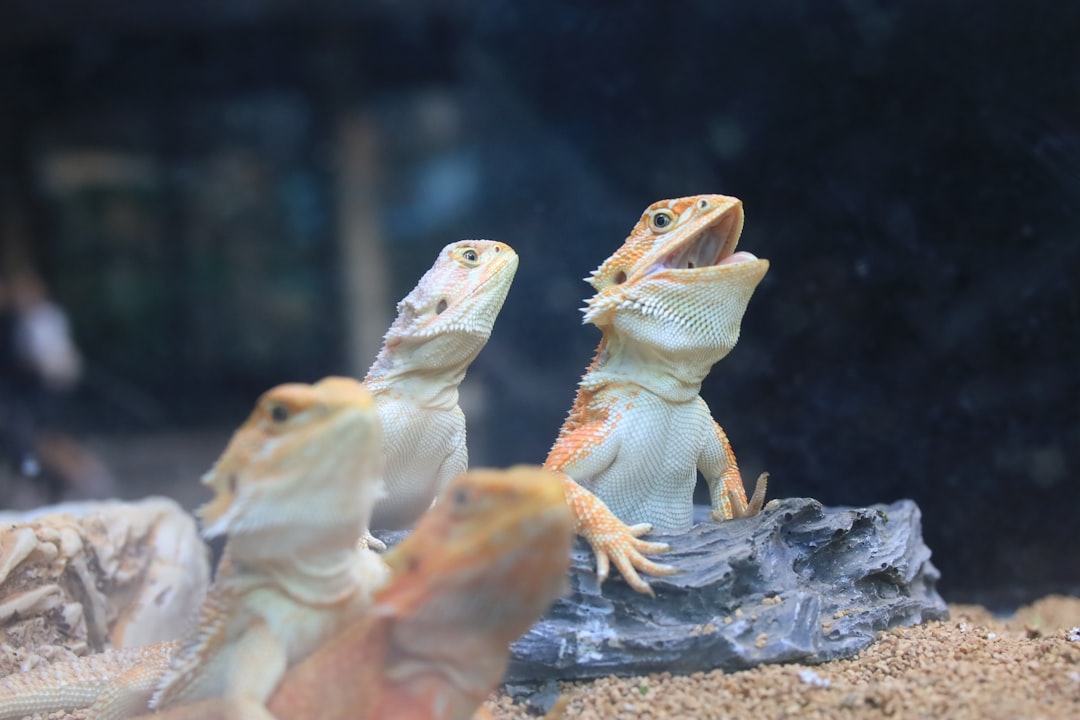
Optimal Bearded Dragon Enclosure Size: Essential Guide
Optimal Enclosure Size for Bearded Dragons
While that tiny 10-gallon tank looks perfect for a baby reptile today, your new pet will grow faster than a teenager in a sudden growth spurt. Many first-time owners fall into the financial trap of buying a small "starter kit," only to realize their lizard has completely outgrown it in just six months. Adopting an adult-first mentality by purchasing their forever home right away saves you from the frustration of spending money twice.
According to modern veterinary standards, the minimum dimensions for adult bearded dragon enclosures measure exactly 4 feet long, 2 feet wide, and 2 feet tall. This setup—widely known as the 4x2x2 standard—equals 120 gallons of volume, roughly matching the footprint of a large coffee table. You might encounter outdated pet store advice claiming a 40-gallon tank is sufficient, but industry data reveals those smaller setups lead to cramped, unhealthy conditions for a fully grown animal.
Reaching up to 24 inches in length, these impressive lizards need room to turn around, run, and stretch without bumping their snouts against the glass. Forcing a two-foot-long lizard into a small footprint is like asking a human to spend fifteen years living inside a walk-in closet; they might survive, but they absolutely will not thrive. Proper bearded dragon enclosure size allows your pet to express natural instincts rather than merely existing in a display case.
Designing a comprehensive Pogona vitticeps habitat is fundamentally about providing enough floor space to support vital biological functions like exercise and digestion. Committing to a 120-gallon forever home transforms their environment into a dynamic space where your dragon can live its healthiest life.

The High Cost of Small Starter Kits: Why Planning for an Adult Saves You $200
Walk into any pet store, and you will see baby dragons sold alongside 20-gallon "starter kits." While you know reptiles grow, you might not realize this tiny lizard will explode into a two-foot giant in just over a year. Buying a tank that fits them right now triggers the "Upgrade Tax"—forcing you to purchase a 40-gallon tank in six months, and eventually a 120-gallon (4'x2'x2') adult enclosure. Skipping temporary setups and starting with their forever home easily saves you over $200.
This rapid adult growth explains exactly why floor space is critical. If you are wondering how big should a bearded dragon tank be for a baby, the smartest answer is the adult size. Look at this typical 18-month growth-to-space timeline:
- Hatchling (Up to 8 inches): Temporarily fits a 40-gallon footprint.
- 3 to 8 Months (8 to 14 inches): Rapidly outgrows 40 gallons; needs room to turn around.
- 8 to 18 Months (18 to 24 inches): Requires the 120-gallon (4-foot) standard to thrive.
Beyond draining your wallet, cramped glass boxes create hidden health risks. A generous growth-to-space ratio is vital for preventing stunted growth in small enclosures, which causes permanent skeletal issues. Once you secure that 120-gallon footprint to support their physical development, you must actively manage its internal climate.
Mastering the Thermal Gradient: How a 4-Foot Tank Prevents Overheating
Because bearded dragons are cold-blooded, they rely entirely on their environment to manage body heat. Imagine running a space heater inside a tiny bathroom; quickly, the entire room becomes unbearably hot. This dangerous effect, known as "heat soaking," happens frequently in small glass enclosures. Without enough physical distance from the powerful basking bulb, trapped heat completely fills the tank and leaves your lizard with absolutely no place to escape.
A four-foot enclosure solves this issue by functioning like a spacious house where you can walk into another room to cool off. This space creates a "thermal gradient"—a gradual shift from a hot basking side to a much cooler opposite end. Successfully managing temperature gradients in spacious tanks requires pure distance. It takes at least four feet of length for the air to naturally cool off enough to create a safe, life-saving 20-degree temperature drop from left to right.
Providing this dedicated cooler zone does more than just prevent daytime overheating. A proper bearded dragon setup must also include a functional cool-down area to allow for healthy nighttime rest and proper digestion. Meeting these thermoregulation requirements in large vivariums ensures your pet can physically move away from the heat when they feel too warm, beautifully mimicking how they would seek shade under a rock in the wild.
Ultimately, stable climate control is impossible without adequate horizontal room to stretch out. While a long enclosure guarantees a perfect temperature gradient, you must also consider if height matters just as much for these semi-arboreal lizards.

Floor Space vs. Vertical Climbing: Calculating the Ideal Footprint for Your Lizard
Shopping by total gallons alone can easily trick you into buying the wrong cage shape. While a tall aquarium looks impressive, calculating square footage for lizard habitats reveals why wide layouts always win. Bearded dragons are primarily ground-dwellers, meaning their "terrestrial footprint"—the actual floor they can run across—matters far more than empty vertical space. When visualizing the ideal dimensions for a Pogona vitticeps habitat, you must prioritize horizontal room over a towering ceiling.
Understanding your dragon's physical turning radius explains exactly why enclosure depth is so critical. An adult bearded dragon reaches up to two feet long; if your tank is narrower than 24 inches deep, they will hit their nose and bend their tail just trying to turn around. To see why this depth is non-negotiable, compare floor space vs vertical climbing area requirements:
- Terrestrial (Bearded Dragons): Need vast horizontal ground space to sprint, hunt insects, and turn comfortably.
- Arboreal (Tree Lizards): Require tall vertical enclosures to climb upward into high leafy canopies.
Incorporating enrichment doesn't mean sacrificing that essential ground room. Adding low-profile climbing branches and wide, flat basking platforms satisfies your lizard's urge to elevate without cluttering the floor. Once you commit to a wide, deep layout that lets your dragon stretch out, the next major decision involves the enclosure materials.
PVC vs. Glass Terrariums: Choosing Materials That Hold Heat and Provide Security
Heating a massive 120-gallon enclosure requires serious energy, meaning your material choices directly impact your monthly electricity bills. While traditional glass aquariums are popular, glass is a terrible insulator that constantly leaks warmth into your room. Upgrading to a PVC enclosure acts like putting a winter coat on your tank, trapping the warmth from your basic heat lamps to create a stable temperature gradient without overworking your bulbs.
Beyond holding temperatures steady, how you reach into the habitat affects your bearded dragon’s stress levels. In the wild, danger swoops from above, so top-opening tanks trigger a panicked predator reflex. Utilizing front-opening enclosure benefits for reptile handling lets you approach at eye level, building trust faster and making daily feeding significantly easier.
The choice between custom built vs commercial reptile cages ultimately comes down to balancing these daily practicalities. To simplify the PVC vs glass terrarium pros and cons, consider this quick comparison:
- PVC: Excellent heat retention and very lightweight, but limited to front-only viewing.
- Glass: Poor insulation and extremely heavy to move, but offers 360-degree visibility.
- Custom Wood: Great insulation and visually appealing, but incredibly heavy and requires meticulous moisture sealing.
Your local home climate should guide this final decision, as drafty or cold regions benefit hugely from PVC's heat-trapping nature. Yet, even with the perfect high-quality material, a cramped setup will inevitably cause behavioral issues.
Recognizing the 'Caged' Dragon: Signs Your Reptile Has Outgrown Their Space
Even with the perfect heat-retaining material, an undersized home triggers noticeable stress behaviors. You might see your pet frantically paddling against the glass walls on their hind legs—a common behavior known as "glass surfing." While it looks quirky to a new owner, this is actually one of the clearest signs your reptile tank is too small. It acts as a frantic plea: your pet is either trying to escape a cramped area where they cannot properly cool down, or they are desperately seeking more space to roam.
Ignoring these escape attempts often leads to painful physical injuries. When a dragon repeatedly pushes against the hard boundaries of their cage, they can develop raw, scraped areas on their snout known as rostral rubbing. This injury risk multiplies quickly if owners mistakenly house lizards together; cohabitation risks in limited space include severe territorial bullying that forces weaker dragons right into the walls. Providing a massive 120-gallon footprint naturally eliminates this anxiety, transforming a nervous, pacing animal into an active, relaxed companion.
True comfort requires examining the overall volume of your bearded dragon habitat, rather than just the floor footprint. A thriving pet needs room to express natural instincts like burrowing when they feel overwhelmed. Balancing proper floor dimensions with enough room to dig requires extra vertical height for a safe layout.

The Bioactive Blueprint: Why Substrate Depth Requires Extra Vertical Inches
Creating a dirt-filled home for your pet sounds amazing, but adding real soil changes your enclosure's math completely. Pouring in six inches of dirt to meet bioactive substrate depth requirements instantly steals a quarter of your pet’s overhead room. A tank that is only 18 inches tall suddenly becomes a cramped 12-inch tunnel once the floor is filled. To give your dragon the digging space they crave without making their home feel like a low-ceiling basement, you absolutely need an enclosure that is at least 24 inches tall.
This lost height directly impacts your reptile's health by altering the UVB light safety distance. Bearded dragons must sit 12 to 15 inches away from overhead bulbs to absorb artificial sunlight safely. If deep soil pushes their basking branches too close to the ceiling, your dragon risks severe burns and dangerous UV overexposure.
Before committing to a bioactive 120 gallon tank setup for adults, you must calculate the true living space your lizard will actually experience using this safety checklist:
- The Digging Zone: Reserve the bottom 4 to 6 inches strictly for soil, drainage, and natural burrowing.
- The Safety Buffer: Guarantee a strict 12-to-15-inch gap between the highest basking branch and the lights.
- The Climbing Clearance: Leave enough leftover vertical room for your adult dragon to stand upright without hitting the screen.
Planning these vertical layers gives your pet deep soil for natural burrowing and safe distances for proper digestion. Now that you know exactly how much room dirt and lights require, assembling the pieces is straightforward.
Your 4-Step Checklist for Setting Up a Lifetime Habitat
You no longer need to rely on inadequate starter kits. By adopting an adult-first mindset, you can execute a budget-conscious "one-and-done" purchase strategy, saving money while ensuring your pet thrives.
Run through this 'Empowered Keeper' checklist for your bearded dragon setup:
- Size: Commit to the 120-gallon standard.
- Material: Choose PVC or front-opening glass to hold heat well.
- Temperature: Use the four-foot length to separate hot and cool zones.
- Placement: Verify the safety and weight capacity of your tank stand.
Achieving the ideal dimensions for a Pogona vitticeps habitat means planning for heavy substrate and rocks. A fully furnished adult tank carries massive weight, making a sturdy furniture base critical for your household's safety.
Providing the proper enclosure size establishes a solid foundation for your reptile's health. Ample floor space equals freedom, turning a basic survival box into a dynamic, engaging home.
Start by measuring your available room space today to map out the perfect spot for their new habitat. Whenever you watch your dragon actively run, climb, and thermoregulate, you will see the immediate results of giving them the space they deserve.

Written by Talis Us


Leave a comment
This site is protected by hCaptcha and the hCaptcha Privacy Policy and Terms of Service apply.