


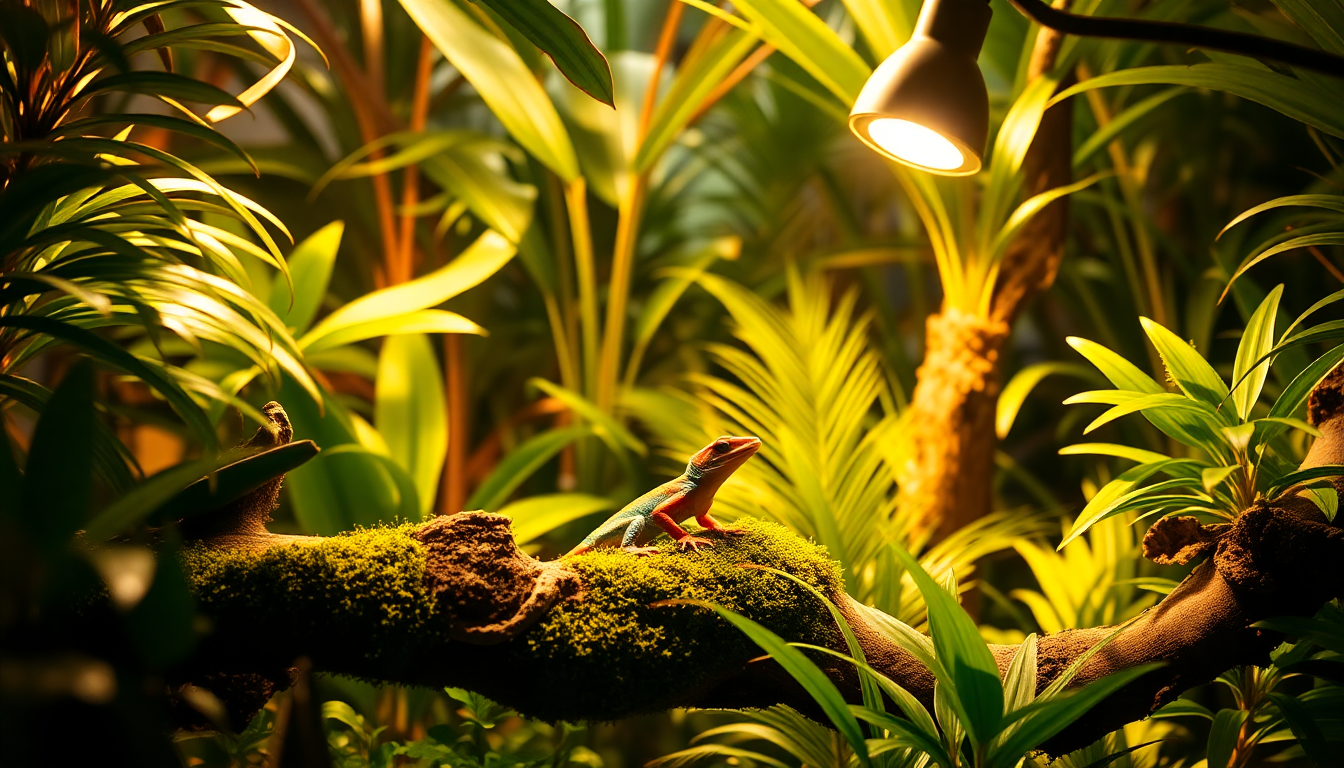
Lighting Up Your Reptile's World: The Ultimate Guide to Tropical Terrarium Illumination
As a passionate reptile enthusiast, I know the importance of creating the perfect environment for our scaly friends. When it comes to setting up a tropical terrarium, one of the most crucial elements is the lighting system. Getting the right lighting can mean the difference between a thriving, healthy reptile and one that struggles to survive.
In this comprehensive guide, I'll share my expertise on the best lighting setups for tropical reptile terrariums. Whether you're a seasoned reptile keeper or just starting out, you'll find all the information you need to illuminate your reptile's world and help them thrive.
Understanding Reptile Lighting Needs
Reptiles are ectothermic, meaning they rely on external sources of heat and light to regulate their body temperature and maintain their metabolic functions. In their natural habitats, reptiles are exposed to a variety of lighting conditions, from the intense sunlight of the tropics to the filtered light of the forest canopy.
When it comes to setting up a tropical terrarium, it's essential to mimic these natural lighting conditions as closely as possible. Reptiles require a specific range of light wavelengths, intensity, and duration to maintain their health and well-being.
The Importance of UVB Lighting
One of the most critical aspects of reptile lighting is the provision of UVB (ultraviolet B) radiation. UVB light is essential for the synthesis of vitamin D3, which is crucial for calcium absorption and bone health. Without adequate UVB exposure, reptiles can develop metabolic bone disease, a potentially life-threatening condition.
To ensure your reptile receives the necessary UVB, you'll need to invest in a high-quality UVB lamp or fixture. These specialized bulbs emit the specific wavelengths of UV light that reptiles require, and they should be positioned within the appropriate distance from your reptile's basking area.
Providing Appropriate Heat Levels
In addition to UVB lighting, reptiles also require a specific range of ambient and basking temperatures to thrive. The basking area should be significantly warmer than the cooler end of the terrarium, allowing your reptile to thermoregulate and engage in natural behaviors.
To achieve the right temperature gradient, you'll need to use a combination of heat lamps, ceramic heaters, or under-tank heating elements. Carefully monitor the temperatures in your terrarium and make adjustments as needed to ensure your reptile's comfort and health.
Simulating Natural Lighting Cycles
Reptiles are also sensitive to the duration and timing of their lighting cycles. In their natural habitats, they experience a consistent cycle of day and night, with seasonal variations in daylight hours. To mimic these natural patterns, you'll need to invest in a reliable lighting timer or controller that can automatically turn your lights on and off at the appropriate times.
By providing your reptile with a consistent and natural lighting cycle, you'll help them maintain their circadian rhythms and engage in essential behaviors, such as basking, feeding, and resting.
Choosing the Right Lighting Setup
Now that you understand the importance of proper lighting for your tropical reptile terrarium, let's dive into the specifics of selecting the right lighting components.
UVB Lighting Options
When it comes to UVB lighting, there are several options to choose from, each with its own advantages and considerations:
-
Fluorescent UVB Bulbs: These are the most common and widely available UVB lighting options for reptile terrariums. They come in a variety of sizes and output levels, making them a versatile choice.
-
Mercury Vapor Bulbs: These high-output bulbs provide both UVB and heat, making them a convenient all-in-one solution. However, they require careful placement and monitoring to ensure the appropriate temperature gradient.
-
T5 High-Output (HO) Fluorescent Fixtures: These energy-efficient fixtures offer high-intensity UVB output and are ideal for larger terrariums or enclosures with tall basking areas.
When selecting a UVB bulb or fixture, be sure to choose one that is specifically designed for reptile use and matches the size and needs of your particular species. Consult with a reptile specialist or do thorough research to ensure you're providing the right UVB exposure for your pet.
Basking and Ambient Heating
To create the appropriate temperature gradient in your tropical terrarium, you'll need to use a combination of basking and ambient heating sources:
-
Basking Lamps: These focused heat lamps provide the intense warmth your reptile needs for basking and thermoregulation. Opt for high-wattage incandescent or halogen bulbs and position them at the appropriate distance from the basking area.
-
Ceramic Heaters: These specialized heating elements emit infrared radiation to warm the air in your terrarium without producing visible light. They're an excellent choice for providing ambient heat without disrupting your reptile's natural lighting cycles.
-
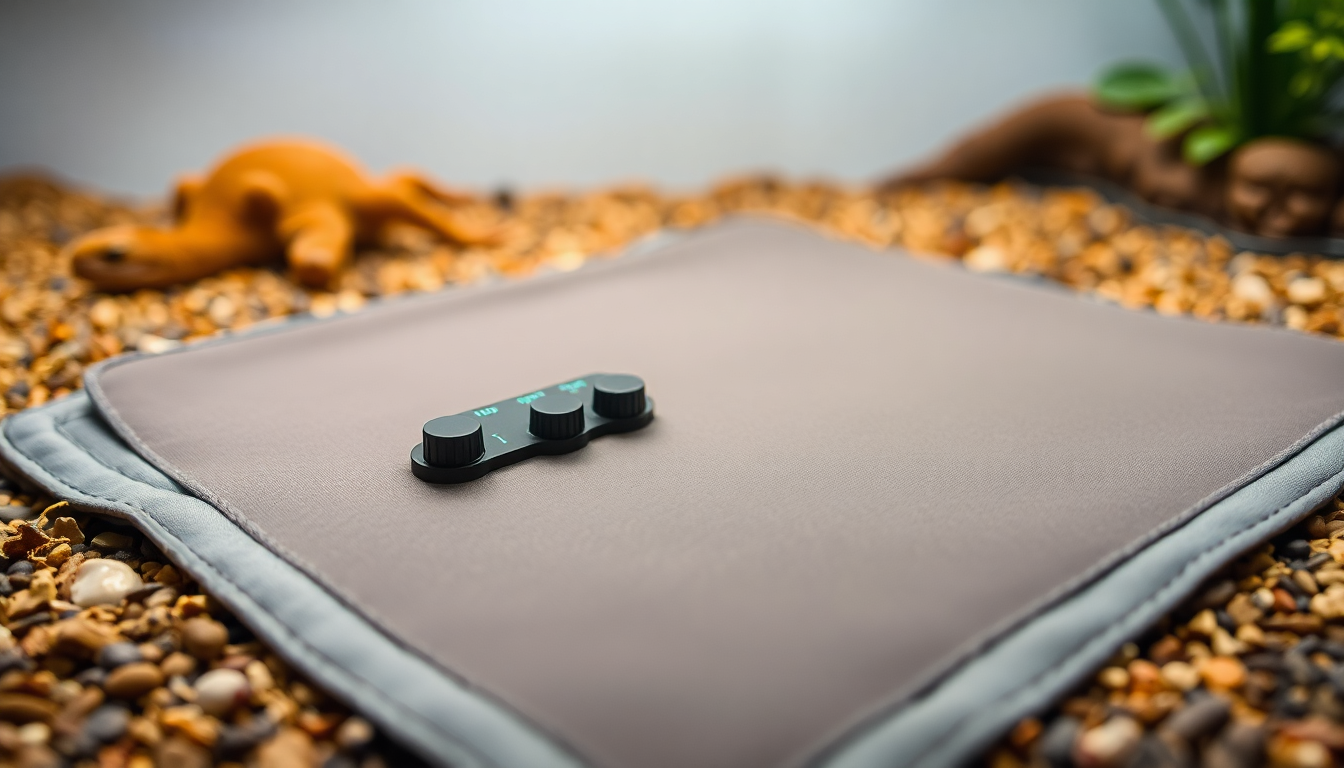
Under-Tank Heating: Placing a heating pad or mat underneath a portion of your terrarium can help create a temperature gradient and provide a warm, comfortable basking area.
When setting up your heating system, be sure to use thermostats and temperature probes to monitor and maintain the appropriate temperatures throughout the enclosure.
Lighting Timers and Controllers
To simulate natural lighting cycles, you'll need to invest in a reliable lighting timer or controller. These devices can automatically turn your lights on and off at the desired times, ensuring your reptile experiences a consistent day-night cycle.
Look for timers or controllers that offer customizable settings, allowing you to adjust the lighting schedule as needed to match the seasonal changes in your reptile's natural habitat.
Putting It All Together
Now that you've learned about the essential components of a tropical reptile terrarium lighting setup, it's time to put it all together. Here's a step-by-step guide to creating the perfect illumination system for your scaly friend:
-
Determine Your Reptile's Lighting Needs: Research the specific lighting requirements for your reptile species, taking into account their natural habitat and behavioral patterns.
-
Select the Appropriate UVB Lighting: Choose a high-quality UVB bulb or fixture that provides the necessary wavelengths and intensity for your reptile's size and enclosure.
-
Incorporate Basking and Ambient Heating: Set up your basking lamp and ceramic heater or under-tank heating to create the desired temperature gradient.
-
Install a Lighting Timer or Controller: Invest in a reliable timer or controller to automate your lighting schedule and mimic natural day-night cycles.
-
Monitor and Adjust as Needed: Regularly check the temperatures and lighting levels in your terrarium, making adjustments as necessary to ensure your reptile's optimal health and well-being.
Remember, setting up the perfect lighting system for a tropical reptile terrarium takes time, patience, and a deep understanding of your pet's needs. Don't be afraid to consult with reptile experts, read scientific literature, and experiment to find the ideal setup for your scaly companion.
With the right lighting, your tropical reptile will thrive, and you'll be able to enjoy the beauty and wonder of these fascinating creatures for years to come.

Written by Talis Us



Leave a comment
This site is protected by hCaptcha and the hCaptcha Privacy Policy and Terms of Service apply.