


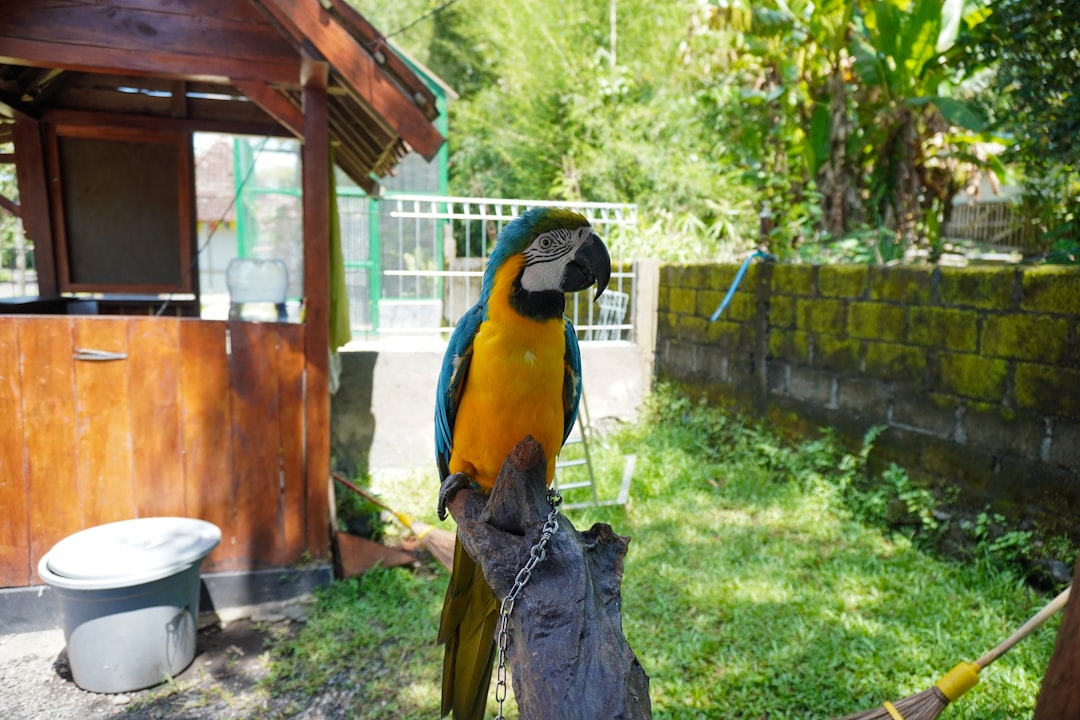
Large bird cage for outdoor parrots
Large bird cage for outdoor parrots
There is nothing quite like watching a parrot bask in the warmth of the sun, feeling the gentle breeze ruffle their feathers, and listening to the sights and sounds of the natural world. Parrots are deeply intelligent, highly active creatures, and keeping them exclusively indoors can sometimes limit their potential for physical exercise and mental stimulation. Investing in a large bird cage for outdoor parrots is one of the most rewarding decisions a bird owner can make.
However, transitioning your feathered friend to an outdoor setup requires careful planning. An outdoor parrot cage isn't just a supersized version of an indoor habitat; it is a specialized enclosure that must balance space, enrichment, security, and weather protection.
In this comprehensive guide, we will explore everything you need to know about designing, building, and maintaining an outdoor bird aviary that will keep your parrot safe, healthy, and endlessly entertained.

The Health Advantages of the Great Outdoors
Before diving into the logistics of cage construction, it is important to understand why outdoor time is so vital for avian well-being. The benefits of natural sunlight for parrot health cannot be overstated. Unlike the artificial lighting inside our homes, direct sunlight allows a bird's body to synthesize Vitamin D3, which is critical for calcium absorption. Proper calcium levels lead to stronger bones, healthier beaks, vibrant plumage, and a more robust immune system.
Furthermore, the sights, sounds, and smells of the outdoors provide unparalleled mental stimulation, reducing common behavioral issues like feather plucking and excessive screaming. A well-designed outdoor environment allows your bird to act on natural instincts—foraging, climbing, and flying—in a way that indoor living rarely permits.
Choosing the Right Materials: Safety and Durability
When selecting or building a large bird cage for outdoor parrots, the materials you choose are the first line of defense against both the elements and potential health hazards.
Evaluating Metal Options
The constant exposure to rain, humidity, and UV rays means your enclosure's metal must be top-tier. When weighing stainless steel vs powder coated wire durability, stainless steel is the undisputed champion. While it requires a higher upfront investment, marine-grade stainless steel will not rust, chip, or degrade over time, making it incredibly safe and long-lasting.
Powder-coated steel is a popular, more budget-friendly alternative. High-quality powder coating is baked onto the metal, creating a tough, water-resistant shell. However, you must routinely inspect a powder-coated cage for chips, as exposed steel will quickly rust outdoors.
Avoiding Heavy Metal Toxicity
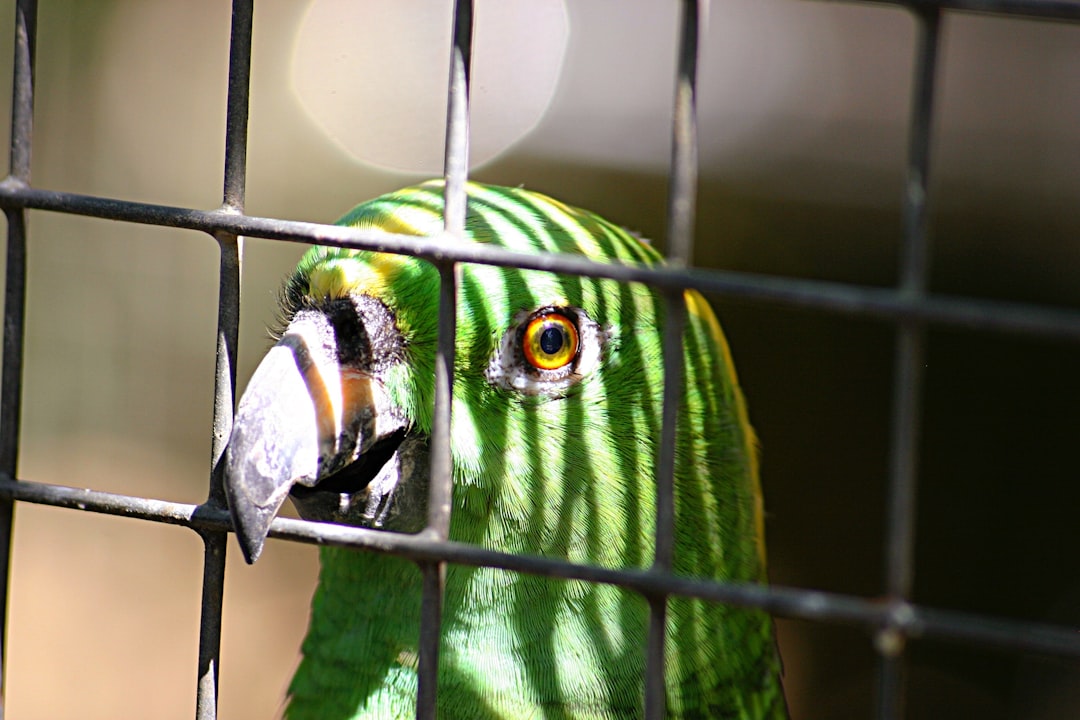
A crucial step in selecting non-toxic materials for outdoor pet habitats is avoiding standard galvanized hardware cloth or chicken wire. Galvanized wire is coated in zinc to prevent rust, but parrots use their beaks to climb and naturally chew on their cage bars. Ingesting this metal leads to heavy metal toxicity. Preventing zinc poisoning in bird wire is absolute paramount; if you must use galvanized wire for a budget build, it must be thoroughly scrubbed with a mild acidic solution (like vinegar) and weathered extensively to remove the loose zinc flakes, though stainless steel mesh remains the only 100% risk-free option.

Designing the Ultimate Aviary Layout
The architecture of your outdoor flight cage dictates your bird's daily experience. A thoughtfully planned space will encourage exercise and prevent injury.
Sizing and Bar Spacing
Always buy or build the largest enclosure your space and budget allow. A weatherproof walk-in aviary design is the gold standard, allowing your birds ample room to achieve actual horizontal flight, while also making it easy for you to enter and interact with them.
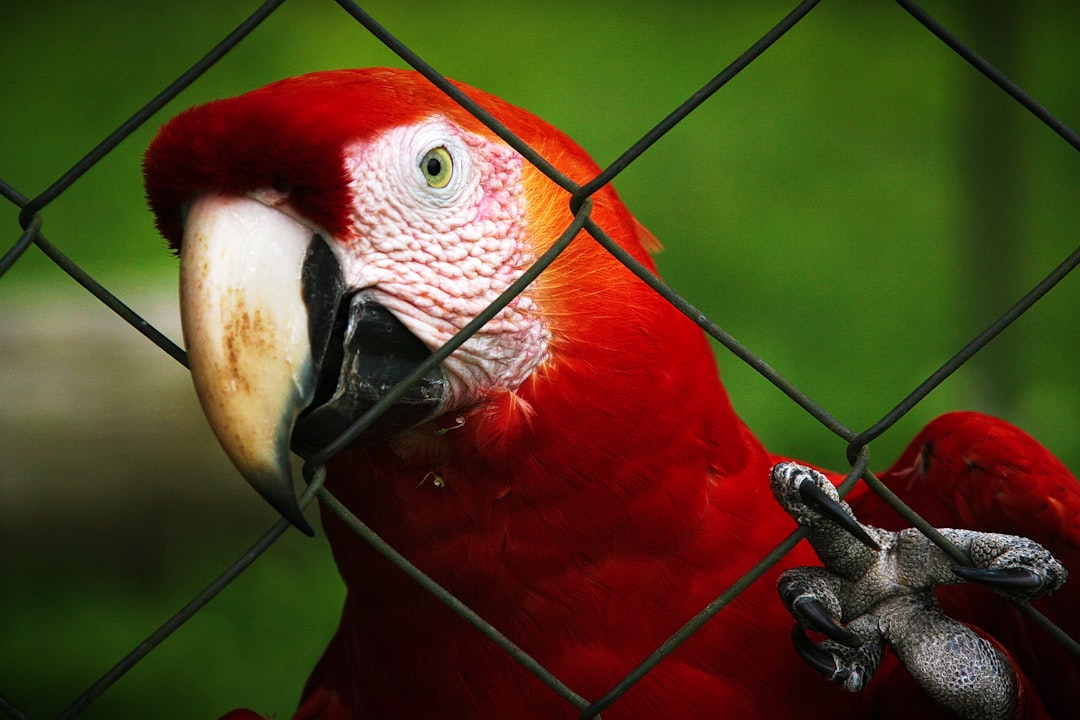
When choosing the panels, you must ensure proper bar spacing for large hookbills. For macaws and large cockatoos, a bar spacing of 1 inch to 1.5 inches is ideal. If the spacing is too wide, a bird may get its head trapped; if it's too narrow, it can catch their toes or limit their climbing ability.
Tailoring to Your Bird's Species
Different birds utilize space differently. For example, customizing flight space for African Greys involves focusing on horizontal width rather than sheer vertical height. Greys are heavy-bodied birds that prefer navigating wide spaces and require sturdy, textured perches to land safely. Conversely, active climbers like Cockatoos might appreciate more verticality and an abundance of hanging ropes.
Establishing the Groundwork
Selecting the best flooring options for outdoor aviaries is a debate among many bird keepers, as you must balance hygiene with natural aesthetics:
- Concrete Slabs: The most hygienic and secure option. Concrete is easy to hose down, prevents predators from digging underneath, and stops weeds from growing.
- Pavers or Bricks: A visually pleasing alternative to solid concrete that still offers good drainage and easy cleaning, though weeds may sprout between the cracks.
- Natural Earth or Grass: While birds love foraging in real grass, this flooring requires extensive maintenance. If you use natural dirt, you must bury a layer of stainless steel wire mesh at least 12 to 18 inches below the soil surface to prevent rodents and predators from tunneling inside.
Security: Guarding Your Flock from Intruders
The outdoors brings incredible enrichment, but it also introduces new dangers. Keeping your parrot secure is a multi-faceted endeavor.
The "Airlock" Entryway
A momentary lapse in attention is all it takes for a startled parrot to fly out an open cage door. Installing a double door safety entry system is highly recommended for walk-in aviaries. This setup features a small vestibule or "catchment area." You open the outer door, step into the vestibule, close the outer door behind you, and then open the inner door to the main aviary. This ensures that a bird never has a direct, unobstructed flight path to the open sky.

Predator Proofing
Predator proofing outdoor parrot enclosures is a vital, non-negotiable step. Raccoons, neighborhood cats, snakes, and birds of prey view outdoor parrots as targets.
- Double Wiring: Raccoons are notorious for reaching their paws through cage bars. To prevent this, consider double-wiring the lower half of your aviary. Place a second layer of finer mesh a few inches outside the primary cage bars so predators cannot reach the bird.
- Roofing: Never leave the top of the aviary completely open to the sky. A solid, sloped roof (made of metal, fiberglass, or treated wood) on at least half of the cage protects your parrot from hawk attacks and wild bird droppings, which can carry diseases.
After-Dark Protocols
Even with a secure cage, nighttime security for outdoor pet birds requires special attention. Nocturnal predators can easily spook a sleeping parrot, causing "night frights" where the bird thrashes in the dark, leading to broken blood feathers or worse. If your bird sleeps outside, ensure the aviary features a fully enclosed, insulated sleep box or consider pulling blackout covers over the sleeping corner. Alternatively, many owners opt to bring their parrots into a smaller indoor sleeping cage at night to ensure total safety.
Weathering the Elements
Nature is unpredictable. A successful large bird cage for outdoor parrots must be equipped to handle everything from intense summer heat to blustering storms.
Wind and Storm Preparation
High winds can easily tip over standard cages or tear apart flimsy aviary panels. Anchoring bird cages against high winds is essential. If your aviary sits on concrete, use heavy-duty expansion bolts to secure the frame directly into the slab. If it rests on soil or grass, use deep, corkscrew-style ground anchors or sink the aviary's support posts into concrete footings.
Temperature Management
Parrots are generally highly adaptable to weather, but abrupt changes can be fatal. Protecting outdoor birds from extreme temperatures involves seasonal adjustments:
- Summer Heat: Parrots can suffer heatstroke. Ensure your aviary has shaded zones at all times of the day. Install overhead misters to lower the ambient temperature. A bird panting or holding its wings away from its body is too hot.
- Winter Cold: For cooler climates, you must block the wind. Wrapping sections of the aviary in thick, clear marine vinyl or heavy-duty acrylic panels blocks icy drafts while letting light in. Radiant heat panels designed specifically for aviaries can provide a safe, localized heat source for your bird to snuggle next to.
Maintenance and Daily Enrichment
An outdoor parrot cage demands a slightly different care routine than an indoor setup. Staying on top of hygiene and mental stimulation ensures the space remains a paradise.
Cleaning Protocols
Knowing exactly how to clean a large exterior flight cage will save you hours of labor.
- Daily: Remove uneaten fresh food to prevent attracting ants and rodents. Hose down the concrete or pavers to clear away droppings.
- Weekly: Use a stiff-bristled deck brush and an avian-safe disinfectant (like an F10 veterinary solution or a mixture of white vinegar and water) to scrub the perches, feeding stations, and cage wire.
- Monthly: Utilize a pressure washer on a gentle setting to blast away stubborn grime, algae, and wild bird droppings from the roof and wire mesh. Always move your parrot to a temporary travel cage while pressure washing.

Keeping Them Engaged
A big cage is useless if it's boring. Providing enrichment in an outdoor environment is what truly elevates your bird's quality of life.
- Foraging Opportunities: Weave fresh, bird-safe branches (like eucalyptus, apple wood, or willow) through the cage bars for them to strip and chew.
- Water Features: Many parrots love to bathe. Offer a large, shallow ceramic dish for splashing, or turn on a gentle misting hose during the warmest part of the day.
- Dynamic Perching: Use natural wood perches of varying thicknesses, heavy-duty cotton ropes, and large swings. Parrots in the wild are constantly moving; dynamic, slightly unstable perching mimics the sway of tree branches and builds excellent foot and core strength.
Conclusion
Transitioning your feathered companion to an outdoor lifestyle is a monumental step that mimics their natural wild habitat. By investing in a large bird cage for outdoor parrots, you are granting them the incredible gifts of fresh air, warm sunshine, and boundless environmental enrichment.
From choosing robust, non-toxic materials to rigorously predator-proofing the perimeter, every detail of your outdoor bird aviary plays a pivotal role in your bird's health and happiness. Remember to anchor your structure firmly, respect the realities of local weather, and always keep an eye out for their safety. With the right planning and ongoing maintenance, your outdoor parrot enclosure will become your bird's favorite place in the world—a safe haven where they can truly spread their wings.

Written by Talis Us


Leave a comment
This site is protected by hCaptcha and the hCaptcha Privacy Policy and Terms of Service apply.