


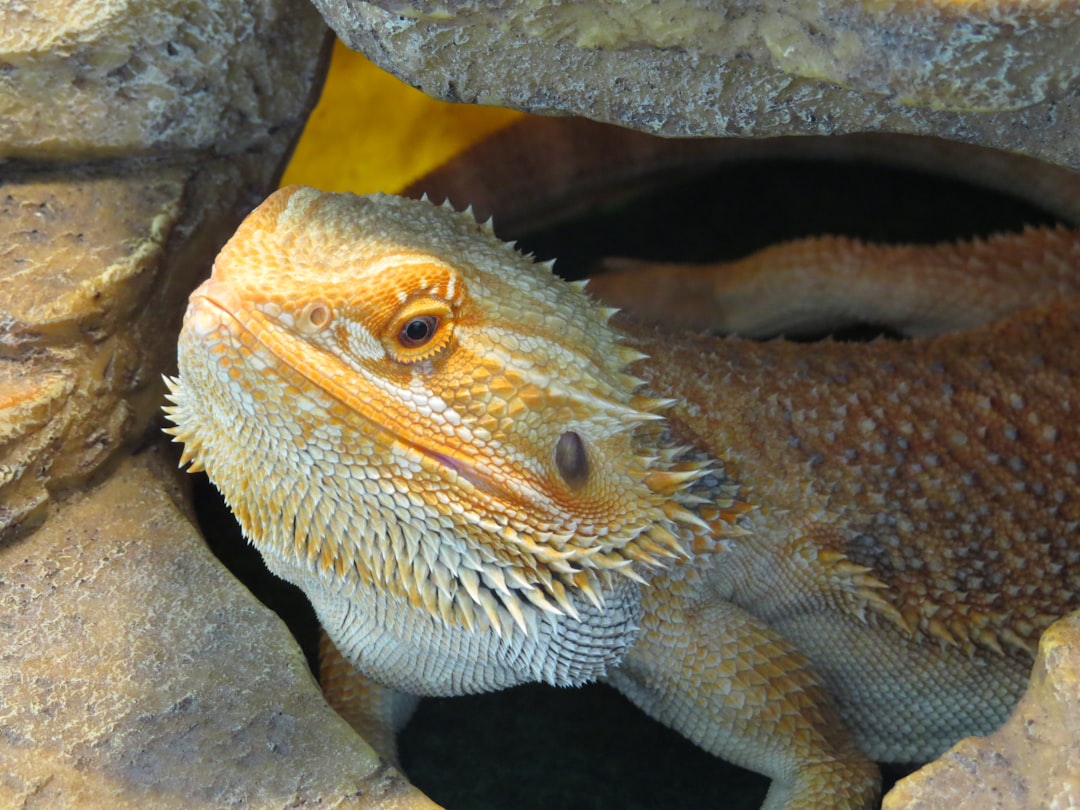
Juvenile Bearded Dragons for Sale - Proper Care and Growth Tips
Juvenile Bearded Dragons for Sale: Proper Care and Growth Tips
So, you’re looking at juvenile bearded dragons for sale and thinking about bringing one home? With their curious personalities and unique looks, they make fantastic pets. However, providing a long, healthy life begins with preparation.
A well-cared-for bearded dragon can live for 10 to 15 years, a commitment similar to that of many dogs. This isn't a temporary hobby; it's a long-term relationship with a creature that depends entirely on you. Getting the setup right from the start is the key to that long, happy life, focusing on three core areas: building the right home, providing the right food, and learning gentle handling.
Your Essential Shopping List: Building the Perfect Dragon Home
Before your bearded dragon arrives, having the right setup is the most important step. A common first question is, "What size tank for a bearded dragon is best?" For a juvenile, a 40-gallon "breeder" tank provides plenty of space, but be prepared to upgrade to a 120-gallon tank (4’x2’x2’) within their first year to give them the room they need as an adult. Investing in the right gear from day one prevents stress and ensures your pet thrives.
Your dragon's tank needs the right life-support systems to ensure its health and well-being. These five items are non-negotiable:
- A 40-gallon breeder tank (minimum for a juvenile)
- A T5 HO UVB tube light (brands like Arcadia or ReptiSun are excellent)
- A 100-watt basking heat bulb
- A digital thermometer with a probe
- Calcium with D3 and a multivitamin supplement
The basking bulb creates a hot spot for warmth and digestion, like a sun-baked rock. The UVB light acts as artificial sunlight, allowing your dragon to produce Vitamin D3 and build strong bones. Without it, they can develop serious metabolic bone disease.
Creating a Perfect Temperature Gradient
Like humans moving between the sun and shade, your cold-blooded bearded dragon needs the choice to warm up or cool down. This range of temperatures, called a temperature gradient, is essential for survival. By moving between hot and cool zones, your dragon can regulate its body temperature, which is critical for everything from digesting food to having the energy to be active.
To create this gradient, place both your basking heat lamp and your UVB light on the same side of the enclosure. Directly under the heat lamp, establish a basking spot on a rock or log that reaches 105-110°F. It’s crucial to use your digital thermometer's probe to measure the surface temperature of this spot, not just the air.
With all heating elements on one end, the opposite side will naturally become the cool-down zone. This area should have an ambient air temperature of around 75-80°F, giving your dragon complete control over its comfort.
What and How to Feed Your Growing Juvenile Dragon
A growing juvenile has a huge appetite fueled by the 80/20 rule: about 80% of its diet should be live insects and 20% should be finely chopped greens. This protein-heavy diet provides the building blocks to grow from a tiny hatchling into a robust sub-adult, like the specialized meal plan of a tiny, scaly athlete in training.
Equally important is how you prepare the food. Insects like Dubia roaches or crickets must be gut-loaded—fed a nutritious meal themselves 24 hours beforehand—to pass those vitamins to your dragon. You must also follow a simple calcium dusting schedule by lightly coating the insects in a calcium D3 supplement powder five days a week. This is your number one defense against metabolic bone disease.
Knowing which foods are safe is crucial. Stick to a daily offering of staple foods and avoid items that are low in nutrition or actively harmful.
- YES Foods: Dubia roaches, crickets, collard greens, mustard greens, turnip greens.
- NO Foods: Lettuce (no nutrition), spinach (blocks calcium absorption), avocado (toxic).
Bringing Your Dragon Home: The First 48 Hours
The car ride home is a strange event for your tiny new pet. It’s completely normal for a new bearded dragon to avoid eating or to spend the first day or two hiding. Like a person in a new city, your dragon needs time to understand that its surroundings are safe. Give it space, ensure its heat and light are perfect, and its appetite will return once it feels secure.
During this initial settling-in period, resist the urge to handle your new pet. For the first 24 to 48 hours, simply observe. This 'hands-off' time allows your dragon to map out its new home—finding its basking spot and cool hide—without the added stress of a giant hand reaching in.
Once your dragon seems more relaxed, you can begin short handling sessions. Always approach from the side, sliding your hand underneath its belly to “scoop” it up. Coming from above mimics a predator and is frightening. This gentle method teaches your pet that you are a source of warmth and safety, not a threat.
Healthy Growth and a Confident Start
Raising a healthy juvenile bearded dragon is a rewarding journey built on a foundation of good care. As your pet grows—sometimes an inch a week—you'll witness a stunningly rapid transformation. Flaky skin is not a cause for alarm but a normal sign of shedding, which makes way for vibrant new scales.
By providing the correct environment, a protein-rich diet, and a patient approach to handling, you are giving your companion everything it needs. Your most powerful tool as an owner is observation. Watching for an alert curiosity and a full, rounded belly will confirm you are on the right track, building the perfect foundation for a long and healthy life together.

Written by Talis Us


Leave a comment
This site is protected by hCaptcha and the hCaptcha Privacy Policy and Terms of Service apply.