



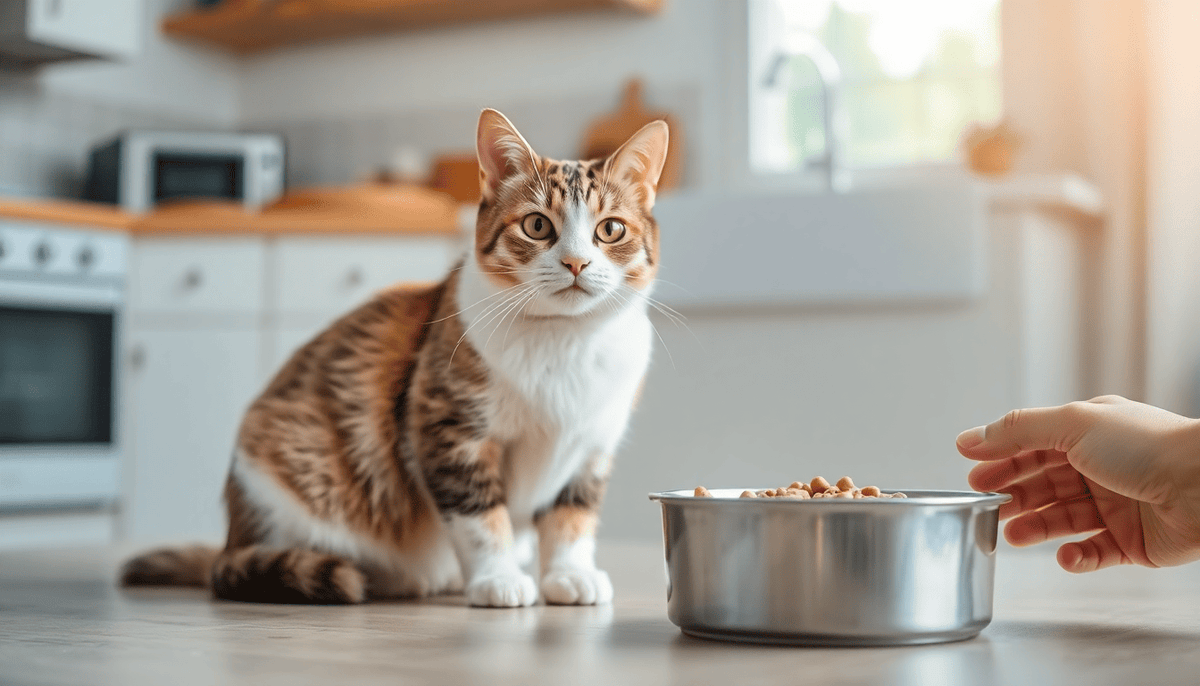
How to Transition Your Cat to a New Food Without Digestive Upset
So you've decided it's time to switch your cat's food. Maybe your vet recommended a new diet, or perhaps you found a brand that seems healthier and more nutritious. Whatever the reason, you're probably wondering how to make this transition without turning your cat into a furry fountain of digestive distress. Trust me, you're not alone in this concern, and the good news is that with the right approach, you can successfully switch your cat's food while keeping their stomach happy and their mood even happier.
Cats are notoriously finicky eaters, and their digestive systems are equally particular. Unlike dogs who'll eat pretty much anything you put in front of them, cats have sensitive stomachs and can be resistant to change. A sudden food switch can lead to vomiting, diarrhea, constipation, and a very unhappy kitty. But don't worry – this comprehensive guide will walk you through everything you need to know about transitioning your cat to new food the right way.
Understanding Why Cats Have Sensitive Digestive Systems
Before we dive into the how-to, let's talk about why cats are so prone to digestive upset in the first place. Understanding this will help you appreciate why the transition process is so important.
The Feline Digestive System
Cats are obligate carnivores, which means their bodies are designed to digest meat and meat-based proteins. Their digestive systems are relatively short compared to other mammals, and they have specific enzymes and bacteria in their gut that are optimized for processing animal proteins. When you suddenly introduce a new food with different ingredients, protein sources, or nutrient ratios, their digestive system needs time to adjust.
The bacteria in your cat's gut play a crucial role in digestion. These beneficial microorganisms help break down food and absorb nutrients. When you change your cat's food abruptly, you're essentially disrupting this carefully balanced ecosystem. The new food might contain ingredients that the current bacterial population isn't equipped to handle efficiently, leading to digestive upset.
Cats' Resistance to Change
Beyond just the physical digestive system, cats are creatures of habit. They like routine and familiarity. A sudden change in their food can be stressful, and stress itself can contribute to digestive issues. Cats may also simply refuse to eat food that's different from what they're used to, which can lead to other health problems.
Why You Might Need to Change Your Cat's Food
Understanding your reasons for the switch can help you stay motivated during the transition process, especially if your cat is being particularly difficult about the change.
Health Reasons
The most common reason to switch cat food is for health reasons. Your veterinarian might recommend a new diet if your cat has developed food allergies, digestive issues, kidney disease, diabetes, or other health conditions. In these cases, the new food is often therapeutic and essential for your cat's wellbeing, making the transition worth the effort.
Quality and Nutrition Improvements
You might be switching to a higher-quality food with better ingredients, more appropriate nutrient ratios, or fewer fillers and artificial additives. Premium pet supplies retailers like Talis US offer a wide variety of high-quality cat foods that can provide better nutrition than what your cat might currently be eating.
Cost Considerations
Sometimes you're switching to a different food because of budget constraints. Whether you're looking for a more affordable option or splurging on a premium brand, the transition process remains the same.
Availability Issues
Sometimes your cat's regular food becomes unavailable, or you find a better alternative that's easier to source. Whatever the reason, a proper transition is still necessary.
The Timeline for Transitioning Your Cat's Food
The key to a successful food transition is doing it gradually. Most veterinarians recommend a transition period of seven to ten days, though some cats might need longer. Here's a general timeline that works well for most cats.
Days 1-2: 75% Old Food, 25% New Food
Start by mixing a small amount of the new food with your cat's current food. During the first two days, aim for about 75% of the old food and 25% of the new food. This gentle introduction allows your cat's digestive system to start adapting to the new ingredients without being overwhelmed.
At this stage, your cat might not even notice the change, especially if you mix the foods well. Some cats are more perceptive than others, so don't be surprised if your kitty gives you a suspicious look. Just keep the portions consistent and monitor for any signs of digestive upset.
Days 3-4: 50% Old Food, 50% New Food
By day three, you can increase the proportion of new food to 50% while reducing the old food to 50%. At this point, your cat's digestive system is getting more accustomed to the new ingredients, and the bacterial population in their gut is beginning to shift.
This is often the stage where you might notice some subtle changes in your cat's behavior or litter box habits. Some cats might eat a bit less, or their stool might be slightly softer. These minor changes are usually normal and nothing to worry about, but keep monitoring.
Days 5-6: 25% Old Food, 75% New Food
Now you're mostly feeding the new food, with just a quarter of the old food mixed in. Your cat's digestive system should be well on its way to adapting. If you haven't noticed any significant digestive upset by this point, you're likely in the clear.
Continue to monitor your cat's eating habits and litter box output. Most cats adjust well by this stage, though some might still be a bit hesitant about the taste.
Days 7-10: 100% New Food
Finally, you can transition to feeding your cat entirely the new food. Some people like to do this gradually over a couple of days, while others make the switch all at once once they've reached day seven. If your cat has been doing well with the 75% new food mixture, you can usually go ahead and make the full switch.
However, if your cat has shown any signs of digestive upset during the transition, you might want to extend the process a bit longer. There's no harm in taking an extra few days to make the switch, and it's better to be cautious than to end up with a sick cat.
Monitoring Your Cat During the Transition
Throughout the transition process, it's important to keep a close eye on your cat's health and behavior. Knowing what to look for will help you catch any problems early.
What to Watch For
Pay attention to your cat's eating habits. Are they eating normally, or are they picking at their food? Some cats are naturally picky eaters, but a significant decrease in appetite could indicate a problem.
Monitor your cat's litter box habits closely. Normal cat stool should be firm and well-formed. If you notice that your cat's stool is consistently soft, loose, or if they're having diarrhea, this could indicate that their digestive system is struggling with the new food.
Watch for vomiting or regurgitation. While some cats might vomit occasionally for various reasons, frequent vomiting during a food transition is a sign that something isn't working.
Pay attention to your cat's energy levels and overall behavior. A cat that's feeling unwell might be less playful, more lethargic, or might hide more than usual.
When to Slow Down or Stop the Transition
If you notice significant digestive upset, it's time to slow down the transition process. Go back to the previous ratio and stay there for a few extra days before moving forward. For example, if your cat is having diarrhea at the 50/50 mix, go back to 75% old food and 25% new food for a few more days.
If the digestive upset continues or gets worse, you might need to reconsider whether this new food is right for your cat. Some cats genuinely can't tolerate certain ingredients or brands, and that's okay. Talk to your veterinarian about alternative options.
Choosing the Right New Food for Your Cat
Before you even start the transition process, you need to make sure you're switching to a food that's actually appropriate for your cat.
Consult Your Veterinarian
If you're switching foods for health reasons, your vet will likely recommend a specific food or type of food. Follow their guidance, as they know your cat's specific health needs. Even if you're switching for other reasons, it's a good idea to run the new food choice by your vet to make sure it's nutritionally appropriate for your cat.
Read the Labels
Look at the ingredient list and nutritional information. The first ingredient should be a specific meat or meat meal, not a vague term like "meat by-products" or "animal by-products." Look for foods that have appropriate levels of protein, fat, and other essential nutrients for your cat's age and health status.
Consider Your Cat's Age and Health Status
Kittens, adult cats, and senior cats have different nutritional needs. If your cat has specific health conditions, you might need a therapeutic diet. Talis US offers a wide variety of cat foods formulated for different life stages and health conditions, making it easier to find something appropriate for your specific cat.
Wet Food vs. Dry Food
Some cats do better with wet food, while others prefer dry kibble. If you're switching from one type to another, the transition might be a bit more challenging. Wet food and dry food have very different textures and moisture content, which can affect digestion. If possible, try to switch to a food that's the same type as what your cat is currently eating, at least initially.
Tips and Tricks for a Smoother Transition
Beyond just following the gradual mixing schedule, there are several things you can do to make the transition easier for your cat.
Warm the New Food
Cold food straight from the can or bag might be less appealing to your cat. Try warming wet food slightly by running the can under warm water or microwaving it for a few seconds. This can make the food more aromatic and appealing, and it's also closer to the temperature of freshly killed prey, which is what cats would eat in nature.
Mix Foods Thoroughly
Make sure you're mixing the old and new food well so that your cat can't pick out just the old food and leave the new food behind. This is especially important with dry kibble, where it's easy to see the different pieces.
Use Wet Food to Mask the New Taste
If your cat is being particularly resistant to the new food, try mixing a small amount of wet food into the dry kibble, or mixing the new food with a bit of their favorite wet food. The stronger flavor and aroma of wet food can help mask the taste of the new food.
Feed at Consistent Times
Stick to your regular feeding schedule during the transition. Cats like routine, and feeding at the same times each day can help them feel more secure and comfortable with the changes.
Keep Stress Levels Low
Try to minimize other sources of stress during the transition period. Avoid making other major changes to your cat's environment or routine. A stressed cat is more likely to have digestive issues, so keeping things calm and consistent can help.
Offer Multiple Feeding Locations
If you have multiple cats, make sure each one has their own feeding area. This prevents competition and stress during meals, which can contribute to digestive upset.
Dealing with a Picky Eater
Some cats are just naturally more resistant to food changes than others. If your cat is being particularly difficult, here are some strategies that might help.
Don't Give In to Demands for the Old Food
I know it's tempting to just go back to the old food if your cat is refusing to eat, but this will only teach them that if they hold out long enough, they'll get what they want. Cats can be surprisingly stubborn, but they won't starve themselves. If your cat refuses to eat, remove the food after 20-30 minutes and try again at the next scheduled feeding time.
Try Different Feeding Methods
Some cats respond better to different feeding methods. Try feeding your cat from a different bowl, in a different location, or at different times. Sometimes a simple change in presentation can make all the difference.
Gradually Increase the Proportion of New Food
If your cat is being particularly resistant, you can slow down the transition even more. Instead of moving to the next ratio every two days, try staying at each ratio for three or four days. This gives your cat more time to adjust to the taste and smell of the new food.
Consider Appetite Stimulants
In rare cases where a cat is refusing to eat during the transition, your veterinarian might recommend appetite stimulants. These medications can help encourage your cat to eat while their digestive system adjusts to the new food.
Special Considerations for Cats with Sensitive Stomachs
If your cat has a history of digestive issues, you might need to take extra precautions during the transition.
Extend the Transition Period
Cats with sensitive stomachs might need a longer transition period. Instead of seven to ten days, consider taking two to three weeks to make the switch. This gives their digestive system more time to gradually adapt to the new ingredients.
Use Digestive Supplements
Your veterinarian might recommend probiotics or digestive enzymes to help support your cat's digestive system during the transition. These supplements can help maintain the balance of beneficial bacteria in your cat's gut and improve digestion.
Choose Limited Ingredient Foods
If your cat has a sensitive stomach, look for foods with limited ingredients and no artificial additives. These foods are often easier to digest and less likely to cause upset.
Keep a Food Diary
During the transition, keep track of what you're feeding your cat and how they're responding. Note any changes in appetite, stool consistency, energy levels, or behavior. This information can be valuable if you need to discuss the transition with your veterinarian.
Common Mistakes to Avoid
Learning from others' mistakes can help you avoid problems during your cat's food transition.
Switching Too Quickly
The most common mistake is trying to transition too quickly. Patience is key. Even if your cat seems to be doing fine, stick to the recommended timeline. It's better to take a bit longer than to rush and end up with a sick cat.
Not Mixing the Foods Properly
If you're just putting the new food next to the old food or not mixing them well, your cat might eat only the old food and avoid the new food entirely. Make sure you're mixing them thoroughly so your cat gets both foods in each meal.
Ignoring Signs of Digestive Upset
If your cat is showing signs of digestive problems, don't just hope it will go away. Address the issue by slowing down the transition or consulting your veterinarian.
Switching Multiple Things at Once
Don't change your cat's food at the same time you're making other major changes, like moving to a new house or introducing a new pet. Multiple changes at once can be overwhelming and stressful for your cat.
Not Consulting Your Veterinarian
If you're switching foods for health reasons, always consult your veterinarian first. Even if you're switching for other reasons, it's a good idea to get your vet's input to make sure the new food is appropriate for your cat.
Transitioning Between Different Types of Food
Different types of food transitions might require slightly different approaches.
Switching Between Dry Foods
Switching between two dry foods is usually the easiest transition. Since both foods have similar moisture content and texture, your cat's digestive system doesn't have to adjust as much. Follow the standard seven to ten day transition timeline.
Switching from Dry to Wet Food
This transition can be a bit more challenging because wet food has much higher moisture content. Your cat's digestive system needs to adjust to processing more moisture. You might want to extend the transition period to ten to fourteen days. Start by mixing a small amount of wet food into the dry kibble, gradually increasing the proportion of wet food over time.
Switching from Wet to Dry Food
Going from wet to dry food can also be challenging. Dry food is more concentrated, so your cat might need to eat more of it to get the same calories. Make sure your cat is drinking enough water to compensate for the lower moisture content in dry food. Extend the transition period if needed, and monitor your cat's hydration and litter box habits closely.
Switching Between Different Wet Food Brands
If you're switching between two wet foods, the transition might be easier than switching between dry and wet. However, different brands might have different ingredient profiles, so still follow the gradual transition timeline.
What to Do If the Transition Isn't Working
Sometimes, despite your best efforts, a particular food just doesn't work for your cat. Here's what to do if the transition isn't going smoothly.
Consult Your Veterinarian
If your cat is experiencing persistent digestive upset, vomiting, or other health issues during the transition, contact your veterinarian. They can rule out other health problems and might recommend a different food or a slower transition process.
Try a Different Brand or Formula
If one brand or formula isn't working, try a different one. There are many high-quality cat foods available, and what doesn't work for one cat might work perfectly for another. Talis US offers a wide variety of options, so you have plenty of choices to explore.
Consider a Prescription Diet
If your cat has specific health issues, your veterinarian might recommend a prescription diet. These foods are formulated to address specific health conditions and might be easier for your cat to tolerate than over-the-counter options.
Go Back to the Original Food
If nothing else is working, it's okay to go back to your cat's original food.

Written by Talis Us


Leave a comment
This site is protected by hCaptcha and the hCaptcha Privacy Policy and Terms of Service apply.