


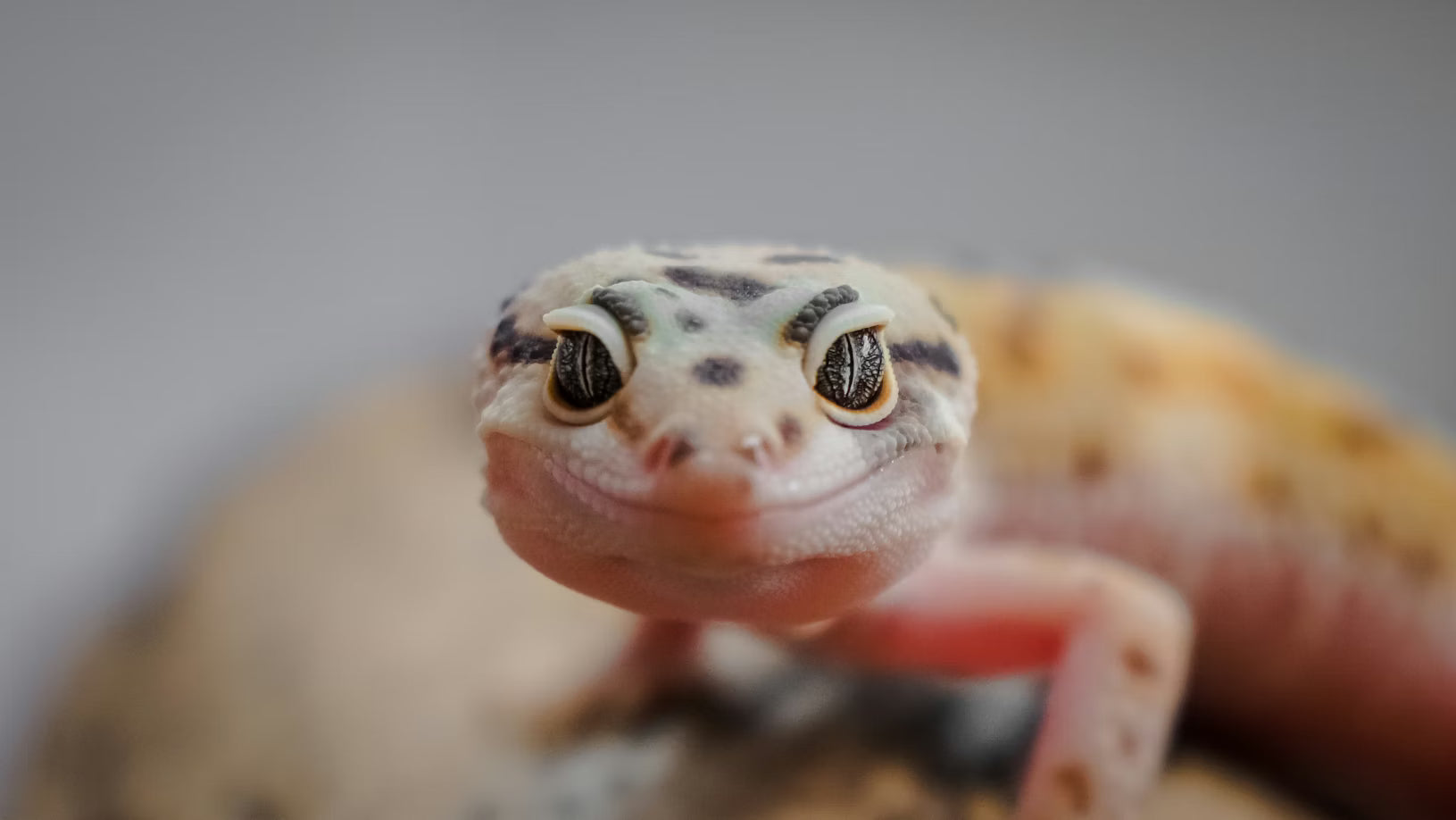
Creating the Perfect Species-Specific Environment
Creating the Perfect Species-Specific Environment: Essential Guide to Species Habitat Design and Animal Enclosure Setup
Creating a species-specific environment is crucial for the health and well-being of animals in captivity. This guide delves into the essential parameters and design principles necessary for crafting habitats that cater to the unique needs of various species. Readers will learn about the key environmental factors, enclosure design strategies, and effective enrichment techniques that enhance animal welfare. Many animal caretakers struggle with providing optimal living conditions, which can lead to stress and health issues in animals. By understanding the intricacies of habitat design, one can create environments that not only meet biological needs but also promote natural behaviors. This article will cover the key environmental parameters, design considerations, enrichment techniques, maintenance practices, and species profiles that illustrate successful habitat setups.
What Are the Key Environmental Parameters for Species-Specific Habitats?
The design of species-specific habitats hinges on several critical environmental parameters that influence animal health and behavior. These parameters include temperature, humidity, and lighting, which must be tailored to the specific needs of each species. Proper management of these factors ensures that animals thrive in their enclosures, mimicking their natural habitats as closely as possible. Understanding these environmental parameters is essential for anyone involved in animal care, as they directly impact the well-being of the animals .
How Does Temperature Influence Species Habitat Design?
Temperature plays a vital role in habitat suitability, as different species have varying thermal requirements. For instance, tropical species typically thrive in warmer environments, with optimal temperature ranges between 75°F to 85°F (24°C to 29°C), while desert species may require higher temperatures, often exceeding 90°F (32°C) during the day. Fluctuations in temperature can lead to stress and health issues, making it essential to implement effective temperature regulation methods, such as heating pads or thermostats , to maintain stable conditions.
What Is the Role of Humidity and Lighting in Animal Enclosure Setup?
Humidity and lighting are equally important in creating a conducive environment for animals. Many species require specific humidity levels to maintain hydration and support physiological functions. For example, reptiles often need humidity levels between 40% to 70%, depending on their natural habitat. Additionally, proper lighting, including UVB lighting for reptiles , is crucial for metabolic processes and overall health. Understanding the specific needs of each species regarding humidity and lighting can significantly enhance their quality of life.
Specifically, understanding the precise UV lighting requirements for reptiles and amphibians is critical for their health and well-being in captivity. UV lighting requirements
Reptile & Amphibian UV Lighting: Species-Specific Habitat Design Guidance is almost non-existent as to suitable levels of UV lighting for reptiles and amphibians, or how to achieve satisfactory UV gradients using artificial lighting. The UV-Tool is a working document that seeks to address this problem, by considering the range of UV experienced by each species in the wild. The UV-Tool contains an editable and expanding database of the microhabitat requirements and basking behaviour of reptile and amphibian species, as derived from field studies, or inferred from observed behaviour in captivity. Since an animal’s UV-B exposure is determined by its behaviour within its native microhabitat, estimation of its natural range of daily UV-B exposure is then possible. The current version of the UV-Tool assigns 254 species to each of four ‘zones’ of UV-B exposure (Ferguson zones) based upon UV-index measurements. Once the likely UV requirement of any species of reptile or amphibian is ascertained, the next step is to plan safe but effective UV How much UVB does my reptile need? The UV-Tool, a guide to the selection of UV lighting for reptiles and amphibians in captivity., 2016
How to Design Enclosures That Meet Species-Specific Biological and Behavioral Needs?
Designing enclosures that cater to the biological and behavioral needs of animals involves careful consideration of size, materials, and naturalistic elements. A well-designed enclosure not only provides adequate space but also incorporates features that encourage natural behaviors, such as climbing, hiding, and foraging. This section will explore the best practices for creating such environments.
Which Materials and Sizes Are Ideal for Naturalistic Terrariums and Aquariums?
The choice of materials and enclosure size is critical in habitat design. Naturalistic terrariums often utilize glass or acrylic for visibility and insulation, while aquariums may require specialized materials to withstand water pressure. Enclosure sizes should be based on the species' natural range; for instance, larger species like iguanas require spacious enclosures of at least 6 feet (1.83 meters) in length. Selecting appropriate materials and sizes ensures that the habitat is both functional and aesthetically pleasing. green iguana lighting
How to Select Appropriate Substrate and Plant Species for Different Animals?
Choosing the right substrate and plant species is essential for creating a healthy environment. Substrates can vary from soil and sand to gravel, depending on the species' needs. For example, bioactive substrates that support beneficial microorganisms can enhance the health of reptiles and amphibians. Additionally, incorporating live plants not only beautifies the enclosure but also provides hiding spots and enrichment opportunities for the animals. Understanding the specific requirements of each species will guide the selection of suitable substrate and plants.
What Are Effective Enrichment and Welfare Techniques for Species-Specific Environments?
Environmental enrichment is a key component in promoting animal welfare within captive settings. It involves providing stimuli that encourage natural behaviors and reduce stress. This section will discuss various enrichment techniques and their impact on animal well-being.
How Does Environmental Enrichment Reduce Stress in Captive Animals?
Environmental enrichment has been shown to significantly reduce stress levels in captive animals. By offering a variety of stimuli, such as climbing structures, hiding spots, and interactive toys, animals can engage in natural behaviors that promote mental and physical health. Research indicates that enriched environments lead to lower cortisol levels and improved overall well-being, making it a vital aspect of habitat design .
Further research emphasizes the importance of objective analysis in evaluating enclosure design and its impact on animal welfare and behavior.
Zoo Enclosure Design & Animal Welfare: Best Practices Post Occupancy Evaluation is a powerful assessment tool for zoo enclosure design, which incorporates animal enclosure use as a key component. Many authors suggest that naturalistic enclosures are valuable for animals, but objective analysis is required to support this statement. Studies of zoo animal enclosure use have become increasingly popular in published literature, and best practice enclosure design has now been investigated for many taxa. Several techniques are available to test animal enclosure use, including Spread of Participation Index (SPI), Electivity index, behavioural diversity and stereotypy prevalence. Given the variety of methods accessible to researchers, there is a need to evaluate which indices would best suit the research goals for a range of taxa. This review revealed a bias in favour of enclosure research for large carnivores and primates, though studies have also been initiated for birds and fish. Original SPI is well represented in published stu Directions in animal enclosure use studies, JE Brereton, 2020
Which Behavioral Attributes Should Guide Enclosure Enrichment?
Understanding the behavioral attributes of different species is crucial for effective enrichment. For instance, social animals may benefit from group housing and interactive play, while solitary species might require more private spaces. Tailoring enrichment strategies to the specific behaviors and needs of each species ensures that the enclosure supports their natural instincts and reduces stress.
How to Maintain and Monitor Species-Specific Habitats for Optimal Animal Health?
Maintaining and monitoring habitats is essential for ensuring the long-term health of animals. Regular checks on environmental parameters, along with sustainable maintenance practices, contribute to a stable and healthy living environment. This section will outline best practices for habitat upkeep .
What Are Best Practices for Monitoring Temperature, Humidity, and Lighting?
Effective monitoring of temperature, humidity, and lighting is crucial for maintaining optimal conditions in animal enclosures. Utilizing digital thermometers and hygrometers can provide accurate readings, while timers can help regulate lighting schedules. Regular monitoring allows caretakers to make necessary adjustments, ensuring that the habitat remains within the ideal ranges for the species housed. For more information on this, see how to set up lights .
How to Implement Sustainable and Climate-Controlled Habitat Maintenance?
Sustainable practices in habitat maintenance not only benefit the environment but also enhance the quality of life for animals. Using eco-friendly materials and energy-efficient lighting can reduce the ecological footprint of animal care facilities. Additionally, implementing climate control systems that mimic natural conditions can create a more stable environment for the animals, promoting their health and well-being. lighting
Which Species Profiles Illustrate Successful Species-Specific Environment Setups?
Examining successful species profiles provides valuable insights into effective habitat design. This section will highlight specific species and their unique habitat requirements , showcasing best practices in enclosure setup.
What Are Key Habitat Requirements for Reptile and Amphibian Species?
Reptiles and amphibians have distinct habitat needs that must be met for their health. For example, many reptiles require specific temperature gradients, humidity levels, and UVB exposure to thrive. Enclosures should be designed to accommodate these needs, with features such as basking spots, water sources, and appropriate substrates. Understanding these requirements is essential for creating successful habitats for these species.
How Do Tropical and Desert Species Differ in Habitat Needs?
Tropical and desert species exhibit significant differences in their habitat requirements. Tropical species often thrive in humid, warm environments with ample vegetation, while desert species are adapted to arid conditions with extreme temperature fluctuations. Enclosure designs must reflect these differences, incorporating elements that cater to the specific needs of each type of species. This understanding is crucial for effective habitat design and animal welfare .

Written by Talis Us



Leave a comment
This site is protected by hCaptcha and the hCaptcha Privacy Policy and Terms of Service apply.