


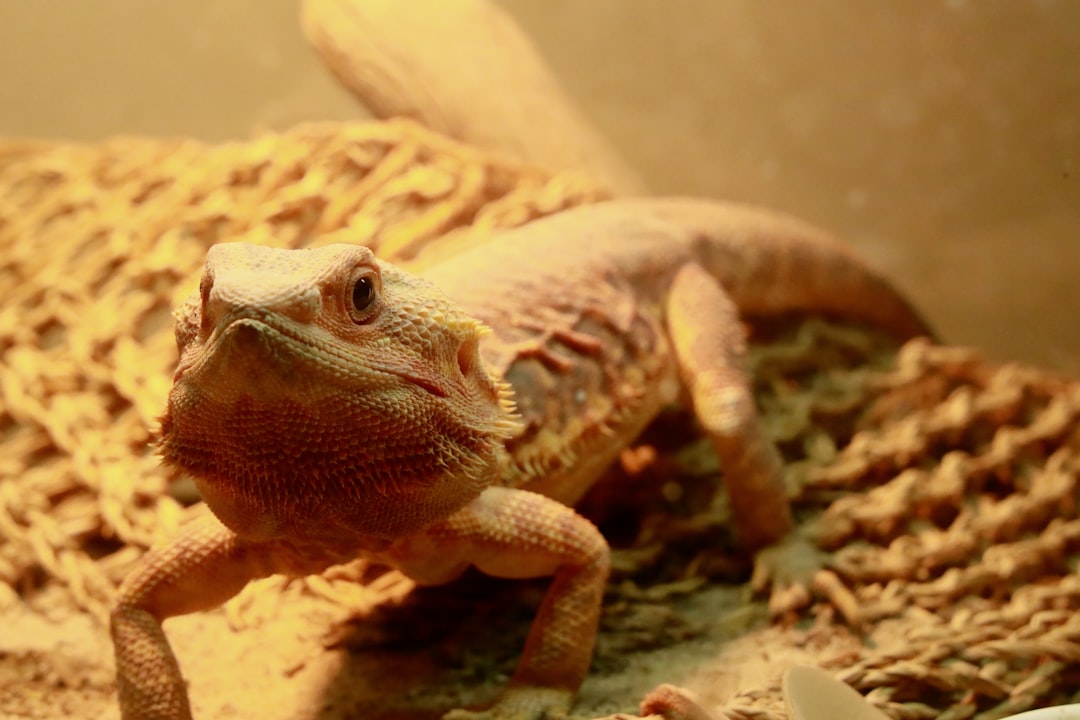
Creating the Perfect Bearded Dragon Vivarium
Creating the Perfect Bearded Dragon Vivarium
Welcoming a bearded dragon into your home is an exciting adventure. These charming reptiles are known for their friendly nature and unique personalities.
Creating the perfect beardie vivarium is essential for their well-being. A well-designed habitat mimics their natural environment, ensuring they thrive.
Bearded dragons hail from the arid regions of Australia. Their vivarium should reflect this desert-like habitat.
The right setup involves more than just a tank. It requires careful consideration of size, lighting, and temperature.
Proper bearded dragon care starts with understanding their needs. This includes providing a suitable environment and a balanced diet.
A beardie vivarium should be a safe, enriching space. It should encourage natural behaviors like basking and climbing.
With the right setup, your bearded dragon will be healthy and happy. This guide will walk you through creating the ideal habitat.

Understanding Bearded Dragons: Natural Habitat and Behavior
Bearded dragons are fascinating creatures, native to Australia's dry deserts. Their natural habitat is hot and arid, with plenty of sun.
To replicate their environment at home, focus on creating a warm and dry vivarium. This supports their behavioral instincts and physical health.
These reptiles are known for their docile nature and enjoy basking. They're diurnal, meaning they're most active during daylight hours.
In their natural habitat, bearded dragons exhibit a variety of behaviors:
- Basking in the sun to regulate temperature
- Climbing rocks and branches
- Displaying unique social gestures, like head bobbing and arm waving
Understanding these behaviors helps pet owners meet their beardie's needs effectively. By creating a vivarium that encourages natural activities, you promote a comfortable and stimulating life for your dragon.

Choosing the Right Vivarium: Size, Material, and Placement
Selecting the perfect vivarium for your bearded dragon is crucial. The size of the enclosure determines your pet's comfort and ability to move freely.
An adult bearded dragon requires a vivarium that's at least 75 gallons. This size allows room for basking, exploring, and exercising.
Material choice impacts durability and temperature control. Glass and melamine are popular options due to their ability to maintain heat and provide a clear view of your beardie.
Placement also plays a significant role in creating an ideal habitat. Avoid areas with direct sunlight, drafts, or loud noises.
Here's a quick checklist for choosing the right vivarium:
- Minimum 75 gallons for adults
- Glass or melamine construction
- Away from direct sunlight and drafts
- Avoid areas with high traffic and noise
Placing the vivarium in a quiet, stable environment ensures a stress-free setting. This helps your bearded dragon thrive, increasing its overall health and happiness.

Essential Equipment for a Beardie Vivarium
Creating a comfortable beardie vivarium requires more than just the enclosure. Essential equipment ensures your bearded dragon's habitat meets its needs.
Start with proper lighting and heating. These are vital for maintaining your beardie's health and mimicking its natural environment.
A quality UVB light is crucial for calcium absorption and preventing metabolic bone disease. Alongside this, a reliable basking lamp is needed to create a warm spot within the tank.
Thermometers and hygrometers help you keep a close eye on temperature and humidity levels. They ensure the conditions within the enclosure remain optimal.
Here's a checklist of essential equipment for your beardie vivarium:
- UVB lighting
- Basking lamp
- Thermometers
- Hygrometers
- Substrate liner or mat
Finally, don't forget a good substrate liner or mat. This provides a safe and clean walking surface for your dragon. Prioritizing high-quality equipment ensures your bearded dragon's vivarium is a haven that supports its well-being.

Lighting and Heating: Creating the Ideal Environment
Lighting and heating are critical in a bearded dragon habitat. They simulate the sun's effects and support essential biological processes.
Your dragon relies on UVB lighting for its well-being. UVB rays aid in vitamin D synthesis, necessary for calcium absorption. Lack of this can lead to serious health issues.
A basking lamp is also essential. It provides the heat needed for thermoregulation. Your bearded dragon will naturally gravitate to the warmest spot to regulate its body temperature.
Temperature gradients are important. They allow your dragon to move between cooler and warmer areas as needed.
Maintain a basking area temperature of 95-110°F and a cooler end at 75-85°F. This range is ideal for your dragon's health.
Here's a quick summary of lighting and heating needs:
- UVB lighting
- Basking lamp
- Temperature gradient
Positioning of lights matters. UVB lights should mimic the sun's position—overhead, not at an angle. This setup ensures your dragon receives the full benefits of the light and heat.

UVB Lighting: Why It Matters
UVB lighting is indispensable for bearded dragons. It enables them to process calcium effectively. Without it, they risk metabolic bone disease, a severe condition that weakens bones.
Ensure your beardie vivarium has a high-quality UVB bulb. It's crucial for maintaining your dragon's health and longevity.
Replacement of UVB bulbs should occur every six months. They lose effectiveness, even if they still emit light.
When setting up UVB lighting, remember:
- Position the light directly overhead.
- Use a 10-12% UVB bulb.
- Replace bulbs every six months.
Proper UVB exposure is vital for your dragon's active lifestyle and well-being. It's a non-negotiable element of your beardie's enclosure.
Temperature Gradients and Thermoregulation
Bearded dragons thrive with temperature gradients. They enable your dragon to thermoregulate, moving from warm to cooler areas as needed.
A basking area should maintain temperatures between 95-110°F. The cooler side should be around 75-85°F. This range mimics their natural habitat.
Thermometers at both ends of the tank are necessary. They ensure accurate measurement of temperatures in each gradient zone.
Consider these points for a proper temperature setup:
- Basking area: 95-110°F
- Cooler area: 75-85°F
- Use digital thermometers for accuracy
Thermoregulation supports your dragon's digestion and activity levels, contributing to its overall health.

Substrate Choices: Safe and Practical Options
Choosing the right substrate for your beardie vivarium is crucial. It impacts both cleanliness and your dragon's health. A poor substrate can lead to impaction, a potentially life-threatening condition.
Avoid loose substrates like sand or wood chips, as they pose an ingestion risk. Instead, opt for safer alternatives. Newspaper is cost-effective and easy to replace, making cleaning a breeze.
Reptile carpets are also a great choice. They provide a stable surface, enhancing grip and comfort for your dragon. This type of substrate is washable and reusable.
Consider these substrate options for your bearded dragon habitat:
- Newspaper
- Reptile carpet
- Tile
Tiles offer a natural look, mimicking a rocky desert floor. They are durable and easy to clean. Plus, they help trim your dragon's nails, promoting proper foot health.
Make substrate safety a priority. Your dragon's comfort and safety depend on your choice.

Furnishing the Vivarium: Hides, Climbing, and Enrichment
Creating a stimulating environment is vital for your beardie's happiness. Adding hides and climbing structures in the vivarium encourages exploration and natural behaviors.
Start with the basics: a few good hides. These provide security and a place to relax, mimicking natural burrows. Place them in both warm and cool areas to give your beardie temperature options.
Climbing structures are another must-have. They offer exercise opportunities and keep your dragon entertained. Using sturdy branches or rocks can simulate a natural habitat environment.
Make sure all items are stable and secure. Loose decorations can fall, causing injury. Adding features like ramps and platforms can enhance the interactive nature of your pet's habitat.
Consider adding the following furnishings:
- Hides for comfort and security
- Branches for climbing
- Rocks for basking
Enrichment transforms the vivarium into a dynamic habitat. A thoughtfully furnished home keeps your beardie healthy and content.

Maintaining Proper Humidity and Ventilation
Bearded dragons hail from arid regions and require specific humidity levels to stay healthy. Keeping the humidity between 30-40% helps prevent respiratory issues and promotes proper shedding.
Ventilation is equally vital. Proper airflow in the vivarium reduces the risk of mold and bacterial growth. Use enclosures with mesh tops or built-in vents to support air circulation.
Monitoring is essential. A hygrometer can help track humidity accurately. Small adjustments, like using a water dish or misting occasionally, can correct humidity levels.
To ensure proper humidity and ventilation, consider:
- Using a hygrometer to monitor humidity
- Ensuring the vivarium has adequate ventilation
- Making small adjustments as needed
Maintaining these conditions helps create a healthy environment for your beardie, fostering their well-being and longevity.
Feeding and Water: Diet Essentials for Bearded Dragon Care
Feeding your bearded dragon a balanced diet is essential for their health. They are omnivores and require a mix of insects and vegetables. Young dragons need more protein from insects, while adults thrive on a higher ratio of greens.
Offer a variety of safe vegetables such as collard greens, but avoid feeding them lettuce. Insect choices like crickets or Dubia roaches should be gut-loaded and dusted with calcium powder. Frequency depends on age; juveniles require daily meals, while adults can be fed every other day.
Fresh water should always be available. While bearded dragons may not drink often, a shallow dish ensures hydration. Additionally, misting leafy greens can provide extra moisture intake.
Important feeding tips include:
- Offering a mix of insects and veggies
- Gut-loading and dusting insects with calcium
- Providing fresh water in a shallow dish

Balanced nutrition supports your dragon's well-being, helping them maintain vitality and a happy demeanor.
Cleaning and Maintenance: Keeping the Vivarium Healthy
A clean vivarium is vital for your bearded dragon's health. Regular maintenance prevents disease and keeps your beardie comfortable. Establish a routine to maintain high hygiene standards.
Start with spot cleaning daily. Remove uneaten food, waste, and shed skin promptly. Weekly, perform a deeper clean by washing all surfaces and decorations.
Sterilize using a reptile-safe disinfectant to eliminate germs. Rinse thoroughly to remove any residue. Regular checks ensure the vivarium remains secure and escape-proof.
Key cleaning tasks include:
- Daily spot cleaning
- Weekly full cleaning
- Regular safety checks

Maintaining a clean habitat reduces health risks and promotes longevity, contributing to a happy, thriving bearded dragon.
Monitoring Your Beardie: Health, Behavior, and Bonding
Observing your bearded dragon is key to maintaining its health. Watch for changes in appetite, energy levels, and droppings. Promptly address any signs of stress or illness.
Engage with your beardie to build trust. Handle it gently and often to strengthen your bond. This interaction boosts their mood and aids in their socialization.
Training your bearded dragon to recognize simple commands can be rewarding. Use positive reinforcement to encourage desirable behaviors.
Monitor for:
- Changes in appetite
- Signs of stress or illness
- Interaction and responsiveness

Regular observation ensures a healthy, happy reptile and enriches your experience as a pet owner.
Common Mistakes and How to Avoid Them
Creating a proper beardie vivarium involves knowing common pitfalls. Many new owners struggle with incorrect temperatures or poor lighting.
To help your pet thrive, avoid these errors:
- Using loose substrates like sand
- Inadequate UVB lighting
- Improper temperature gradients
Awareness is key to circumventing these issues. Regularly check your setup and adapt as needed to ensure your bearded dragon's environment meets all its needs. With attentive care, your bearded dragon will flourish in its perfectly tailored habitat.
Frequently Asked Questions About Bearded Dragon Habitats
Bearded dragon habitats can raise many questions for new owners. It's normal to seek guidance to ensure your dragon feels right at home.
Here are common inquiries:
- What size should the vivarium be for an adult dragon?
- How often should I clean the vivarium?
- Is it necessary to provide UVB lighting daily?
By addressing these questions, you can be more confident in your pet care approach. Remember, a well-maintained habitat significantly contributes to a happy and healthy bearded dragon.
Conclusion: Enjoying Life with Your Happy, Healthy Beardie
Creating an ideal beardie vivarium is your first step to a rewarding pet experience. Your efforts will help your dragon thrive and grow.

Witnessing your bearded dragon explore and flourish in its habitat is incredibly fulfilling. With your dedicated care, you'll form a strong bond and enjoy countless joyful moments together.

Written by Talis Us


Leave a comment
This site is protected by hCaptcha and the hCaptcha Privacy Policy and Terms of Service apply.