


Article: Choosing the Right UVB Reptile Lamp
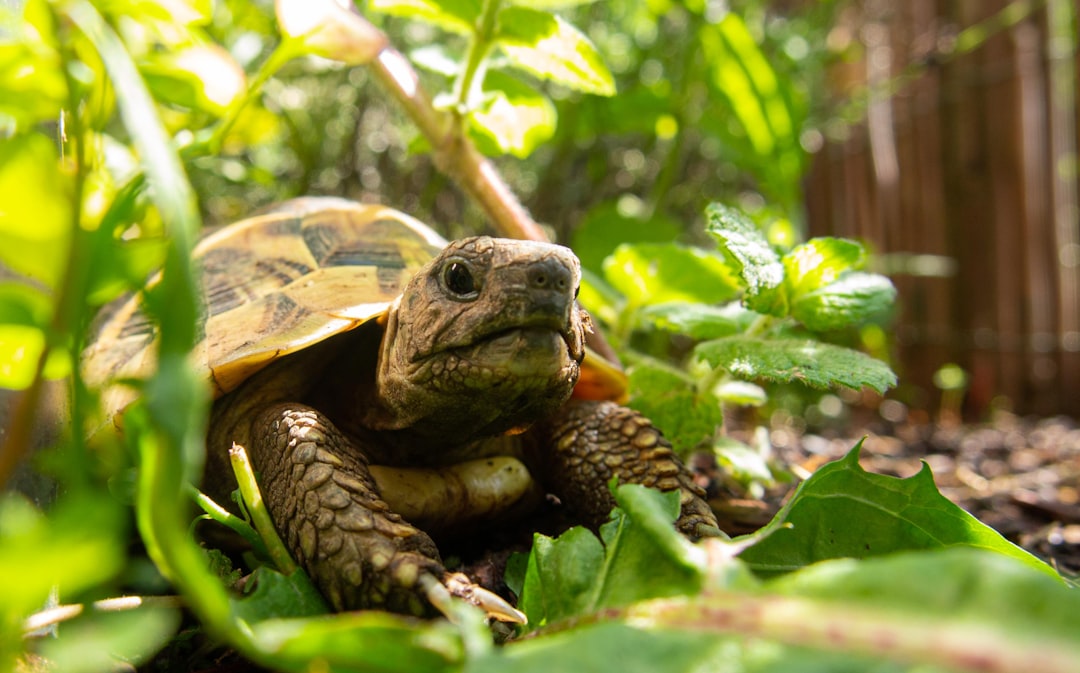
Choosing the Right UVB Reptile Lamp
Choosing the Right UVB Reptile Lamp
A UVB setup is one of the most important parts of a healthy reptile enclosure, especially for species that bask in daylight. The right UVB reptile lamp helps your animal use calcium properly, supports normal behavior, and reduces the risk of serious husbandry-related health problems. The best choice depends on species, enclosure size, basking height, shade access, and how reliably you maintain the bulb over time.
Why does UVB matter for reptiles?
UVB matters because many reptiles use ultraviolet B exposure to synthesize vitamin D3, which helps the body absorb and use calcium. Without the right balance of UVB, heat, diet, and supplements, reptiles can develop metabolic bone disease or related calcium disorders, particularly when husbandry is also missing proper temperatures or nutrition. Veterinary resources consistently link inadequate UVB provision with vitamin D deficiency and calcium absorption problems in captive reptiles. (merckvetmanual.com)
That does not mean every reptile needs the same lamp. A bearded dragon basking in a bright, open habitat has very different lighting needs from a crested gecko resting under foliage or a snake that only occasionally seeks filtered sunlight. Good reptile lighting is not just about buying a stronger bulb; it is about creating a usable environment.
Think of a uvb reptile light as part of a system. Heat lets reptiles thermoregulate, UVB supports vitamin D3 production, visible light helps reinforce day-night rhythm, and hides or shaded zones let the animal choose when to retreat. When these pieces work together, the enclosure feels less like a box with a bulb and more like a managed habitat.

UVB needs vary by species and behavior
A useful starting point is the Ferguson Zone concept, which groups reptiles by the kind of UV exposure they voluntarily use in the wild. In the original field-based research, species were sorted into four UVB exposure zones, from lower-exposure animals to reptiles that regularly bask in stronger sunlight. (pubmed.ncbi.nlm.nih.gov)
For keepers, the practical lesson is simple: match the lamp to the animal’s natural behavior, not just its popularity in pet stores. Diurnal desert and grassland baskers usually need higher UV exposure at the basking area. Forest-edge, crepuscular, nocturnal, or shade-dwelling reptiles may still benefit from low-level UVB, but they often need gentler access with plenty of cover.
Use this broad guide before checking species-specific care information:
- High-UV baskers: Bearded dragons, many uromastyx, some tortoises, and other sun-loving species usually need a strong linear reptile UVB bulb positioned over a defined basking zone.
- Moderate-UV species: Many day-active lizards and semi-open habitat reptiles often do well with moderate UVB and a clear gradient from bright to shaded areas.
- Low-UV or shade-dwelling species: Crested geckos, some amphibians, and forest species may need lower-output lighting, more foliage, and reduced exposure intensity.
- Species with special needs: Albino, scaleless, recovering, elderly, or medically fragile reptiles may require customized lighting advice from an experienced reptile veterinarian.
The goal is not to force a reptile to sit under UVB. The goal is to provide a safe opportunity for exposure so the animal can regulate its own behavior.
The main types of reptile UVB bulbs
Different bulb styles produce different coverage patterns. Choosing between them is often easier when you start with enclosure size, basking distance, and the animal’s daily habits.
Linear fluorescent UVB bulbs
Linear tubes are often the most flexible option for modern enclosures. T5 high-output fixtures are especially useful for larger terrariums because they spread UVB across a wider area and can create a more natural basking zone. T8 tubes are older and generally lower output, but they may still be suitable in some setups when used at the correct distance.
A linear uvb reptile lamp is usually the best choice when you want consistent coverage over part of the enclosure rather than a tiny spotlight. It also makes it easier to build a gradient, because one side can be bright and UV-rich while the other side remains shaded.
Compact and coil UVB bulbs
Compact fluorescent bulbs are small and easy to install, but they cover a narrower area. They may be useful for small enclosures or low-UV species when positioned carefully, but they are easier to misuse in larger habitats. A reptile sitting a few inches outside the effective zone may receive very little useful UVB.
If you use a compact bulb, pay close attention to the manufacturer’s distance guidance and the animal’s basking behavior. Avoid placing it where the reptile has no way to move away from exposure.
Mercury vapor and combination lamps
Mercury vapor lamps and similar combination bulbs can provide heat, visible light, UVA, and UVB from one source. That sounds convenient, but it also means heat and UVB are tied together. If the lamp is at the right temperature but too strong in UVB, or right for UVB but too hot, adjustment becomes difficult.
These lamps can work well in spacious enclosures for appropriate basking species, but they need careful mounting, distance control, and temperature checks. They are usually not the best first choice for small tanks or shade-loving reptiles.
How do you choose the right UVB reptile lamp?
Choose the lamp by working backward from the reptile’s species, the distance from bulb to basking surface, the amount of mesh or glass between the bulb and animal, and the size of the UVB zone you want to create. A strong bulb mounted too close can be unsafe, while a weak bulb mounted too far away may offer little benefit. The right reptile UVB bulb is the one that produces the correct exposure where the animal actually basks.
A good decision process looks like this:
- Identify your reptile’s UV category. Decide whether the species is a high-UV basker, moderate basker, or shade-dweller. Use reputable species-specific care resources and veterinary guidance rather than guessing from the animal’s size.
- Measure the enclosure. Note the length, height, basking platform height, and whether the bulb sits above screen mesh. UVB intensity changes with distance, and barriers can reduce usable output.
- Choose the coverage style. Use a linear tube for broad basking areas, a compact bulb for small or low-exposure setups, and a combination lamp only when the enclosure has enough space to manage heat and UV safely.
- Pair UVB with heat correctly. The best basking area usually offers warmth and UVB together, because many reptiles seek both at the same time.
- Leave an escape route. The enclosure should always include shaded hides, plants, cork, rocks, or layout features that create lower-light areas.
Avoid choosing only by percentage labels such as 5.0, 10.0, 12%, or 14%. Those numbers can be useful, but they do not tell the whole story. Fixture quality, reflector design, lamp age, screen obstruction, and distance all change what reaches the reptile.
Placement turns a good bulb into a good setup
Even a high-quality uvb reptile lamp can fail if it is installed poorly. In most enclosures, UVB should be placed above the basking area, not off to the side. This lets the reptile receive warmth and UVB while using normal basking posture.
Never assume glass or plastic is harmless between the lamp and the reptile. Many clear materials block UVB, so a bulb shining through a glass lid may create visible brightness without delivering the ultraviolet exposure you intended. Mesh screens can also reduce output, though the amount depends on mesh density and distance.
Build the enclosure around a photo gradient. That means one area has the strongest light and UVB, nearby areas offer moderate exposure, and other zones provide deep shade. A gradient lets the reptile choose, which is far safer than exposing the whole habitat evenly.
A practical lighting layout might include:
- A UVB tube running over roughly part of the enclosure, not the entire ceiling.
- A heat lamp positioned near the UVB basking zone.
- A basking branch, rock, or platform at the measured target distance.
- Dense plants, hides, cork bark, or ledges that create shade.
- A cooler side with little or no direct UVB.

Heat, UVA, UVB, and day-night rhythm work together
UVB gets the attention, but reptiles do not experience light in separate categories. A healthy enclosure usually needs appropriate heat, bright visible light, UVA from suitable reptile lamps, and a predictable day-night cycle. UVB without correct basking temperatures may not solve husbandry problems, because digestion, activity, and metabolism also depend on heat.
Daytime lighting should generally feel like daytime: bright, warm in the basking area, and easy to navigate. Night should generally be dark unless a species-specific reason calls for very low-level observation lighting. Constant light can interfere with normal rest patterns, so avoid leaving bright lamps on overnight.
Timers are one of the simplest upgrades you can make. They keep the photoperiod consistent, reduce forgotten shutoffs, and make seasonal adjustments easier if your species benefits from them. Use thermostats or dimmers where appropriate for heat sources, but do not dim fluorescent UVB bulbs unless the fixture and bulb are specifically designed for that use.
Maintenance is where many UVB setups fail
A UVB bulb can still glow while producing less useful UVB than it did when new. This is one of the most common reasons keepers unintentionally under-light an enclosure. Several care resources and manufacturers recommend replacing UVB bulbs on a schedule, often within a 6- to 12-month range depending on bulb type and model, because visible light is not a reliable indicator of UVB output. (petco.com)
The most accurate way to manage output is to use a UV meter, such as a UV Index meter, and measure the basking zone directly. Solarmeter-style devices are often referenced in reptile lighting guidance because they help keepers check whether the animal’s basking surface is receiving the intended exposure rather than relying on packaging claims alone. (reptifiles.com)
If you do not have a meter, stay disciplined with replacement dates. Write the installation date on the bulb base with a marker, put a reminder in your phone, and keep the packaging so you know the model and manufacturer guidance. Dust the fixture and reflector regularly, because dirt and mineral residue can reduce light reaching the enclosure.
A simple maintenance checklist:
- Record the bulb brand, model, strength, and installation date.
- Confirm the basking distance after any décor change.
- Check that the reptile cannot touch the lamp or fixture.
- Replace bulbs according to manufacturer guidance or meter readings.
- Clean reflectors and guards gently when the fixture is cool and unplugged.
- Reassess lighting after changing mesh lids, platforms, branches, or enclosure size.
Common mistakes to avoid
Many UVB problems come from small assumptions rather than obvious neglect. A keeper buys a good lamp, installs it over glass, and wonders why the reptile is still struggling. Another chooses the strongest bulb available, places it too close, and removes all shade. Both setups miss the point of controlled, species-appropriate exposure.
Watch for these common errors:
- Using no UVB for a species that needs it. Dietary supplements alone may not be enough for many basking reptiles.
- Relying on visible light. If the bulb glows, that only tells you it emits visible light, not that UVB output remains effective.
- Covering the entire enclosure with strong UVB. Reptiles need choice, including areas with little or no direct exposure.
- Ignoring distance. A few inches can make a meaningful difference in exposure, especially with compact bulbs.
- Separating heat and UVB too far apart. Many basking reptiles expect warmth and sunlight together.
- Buying by wattage alone. Wattage describes energy use, not the exact UVB level at the basking surface.
- Skipping veterinary help. Weakness, tremors, swelling, deformities, appetite loss, or abnormal movement should be assessed by a qualified reptile veterinarian.
A confident setup starts with observation
Once the lamp is installed, watch how your reptile uses the enclosure. Healthy basking behavior often includes moving between warm, bright, shaded, and cooler areas throughout the day. If the animal constantly hides, gapes, avoids the basking zone, presses against the screen, or never leaves the hot spot, the setup may need adjustment.
Observation does not replace measurement, but it helps you notice whether the habitat makes sense from the animal’s point of view. A well-designed uvb reptile light setup gives the reptile options instead of forcing one condition everywhere. That flexibility is what allows good equipment to become good husbandry.
Final takeaway
Choosing a reptile UVB bulb is not about finding the strongest product on the shelf. It is about matching UVB strength, coverage, placement, heat, shade, and maintenance to the species in front of you. Start with the reptile’s natural behavior, create a safe gradient, replace or measure bulbs consistently, and ask a reptile-savvy veterinarian for guidance when health concerns or unusual species needs are involved.

Written by Talis Us


Leave a comment
This site is protected by hCaptcha and the hCaptcha Privacy Policy and Terms of Service apply.