


Choosing the Right Sand for Bearded Dragons
Choosing the Right Sand for Bearded Dragons
When it comes to mastering bearded dragon care, few topics spark as much passionate debate as the choice of substrate. If you spend any time in reptile keeping communities, you will quickly find that opinions on the best sand for bearded dragons are strongly divided. Some owners swear by a naturalistic approach, while others avoid loose substrates entirely out of fear for their pet's health.
So, what is the truth? Can you recreate the arid environments of central Australia in your living room without putting your scaly friend at risk?
The short answer is yes—but it requires the right knowledge, the right materials, and the right husbandry practices. Choosing the best sand for bearded dragons is not as simple as picking up the first bag of gravel you see at the pet store. It is about understanding your dragon’s natural behaviors, their biological needs, and the specific properties of different enclosure beddings.
In this comprehensive guide, we will explore the science and practicalities of reptile substrates, debunk common myths, and help you design a safe, engaging, and beautiful habitat for your bearded dragon.

The Great Substrate Debate: Loose vs. Non-Loose Bedding
Before you can choose the ideal sand, it is essential to understand the broader conversation surrounding loose vs non-loose bearded dragon bedding. Both categories have their distinct advantages and drawbacks.
Non-Loose Substrates
Non-loose substrates are solid surfaces. They are generally considered the safest option regarding ingestion risks.
- Tile: Using tile flooring for lizard enclosures is incredibly popular. Slate or ceramic tiles with a textured surface provide excellent traction, naturally file down a dragon's nails, and retain basking heat beautifully.
- Paper Towels/Newspaper: Highly hygienic and easy to replace, though they lack visual appeal and offer zero enrichment.
- Reptile Carpet: When weighing reptile carpet vs loose substrate, many beginners initially lean toward carpet. However, reptile carpet can snag a dragon’s delicate claws, leading to sprains or lost toes. Furthermore, it is notoriously difficult to keep completely sanitary, often harboring unpleasant odors over time.
Loose Substrates
Loose substrates mimic the natural environment where bearded dragons dig, forage, and burrow.
- Pros: Outstanding mental and physical enrichment, natural joint support, and aesthetic appeal.
- Cons: Carries a potential risk of accidental ingestion, which can lead to impaction if the wrong materials are used or if the dragon's lighting and temperatures are incorrect.
For adult dragons with proper husbandry, a high-quality loose substrate provides a far more enriching life than a sterile, flat surface.
Understanding Impaction: The Elephant in the Room
To safely use bearded dragon sand, we must address the primary fear associated with it: impaction. Impaction occurs when a reptile swallows foreign objects (like sand, gravel, or large insect exoskeletons) that block their digestive tract. Preventing intestinal blockage in lizards is a top priority for any responsible keeper.

The Dangers of Calcium Sand
Walk into almost any big-box pet store, and you will see bags of brightly colored "calcium sand" marketed specifically for desert reptiles. Manufacturers often claim that because it is made of calcium carbonate, it is safe to digest.
We must firmly debunk the myth of digestible reptile sand safety. There is no sand that a bearded dragon can safely digest in large quantities. In fact, calcium sand impaction risks are exceptionally high. When calcium carbonate gets wet—such as when it mixes with stomach acids—it coagulates and turns into a hard, cement-like mass. Furthermore, because it is made of calcium, dragons that are slightly calcium-deficient may actively eat the sand, all but guaranteeing a fatal blockage.
Always avoid calcium sand, vitamin-fortified sand, and crushed walnut shells (which have razor-sharp edges if ingested).
Age Matters: Hatchlings, Juveniles, and Adults
Another critical factor in substrate selection is the age and size of your reptile. The rules for a four-year-old adult do not apply to a four-month-old baby.
Safe Substrates for Juvenile Bearded Dragons
Baby and juvenile dragons are notoriously clumsy hunters. When they lunge for a cricket or a dubia roach, they frequently miss, grabbing a mouthful of the ground instead. Because their digestive tracts are much narrower and weaker than those of adults, even small amounts of ingested sand can be life-threatening.
For dragons under 10–12 months of age, or under 12 inches in length, you should strictly use non-loose bedding. The most safe substrates for juvenile bearded dragons include paper towels, textured slate tile, or non-adhesive shelf liner. These options ensure zero risk of impaction while your young dragon perfects its hunting coordination and grows to a safe size.

Top Sand and Substrate Options for Adult Dragons
Once your dragon reaches adulthood, you can safely transition them to a naturalistic setup, provided your basking temperatures (100°F–105°F) and UVB lighting are optimal. Proper heat is what fuels a dragon's digestion, allowing them to pass small, accidentally ingested particles of dirt safely.
Here are the top choices when looking for the best sand for bearded dragons.
1. Children’s Play Sand
One of the most common questions in reptile husbandry is: can bearded dragons live on play sand? The answer is a resounding yes.
Washed children's play sand is an excellent, cost-effective option. Because it is regulated for children's sandboxes, it is generally sifted to remove large, dangerous debris and washed to minimize dust.
- Pro Tip: Even though it is pre-washed, it is highly recommended to rinse play sand in a bucket until the water runs clear, and then bake it in the oven at 250°F (120°C) for a few hours. This sterilizes the sand and removes any lingering moisture.
2. Quartz-Free and Fine Desert Sands
If you prefer commercial products, look for natural desert sands that are free of artificial dyes and chemicals. Quartz-free desert sand for reptiles is highly recommended because it lacks the sharp silica dust that can sometimes irritate a reptile's respiratory system or eyes. High-quality natural reptile sands have round, smooth grains that, if incidentally swallowed in tiny amounts during feeding, are much easier to pass through a healthy adult digestive tract.
3. Excavator Clay Mixes
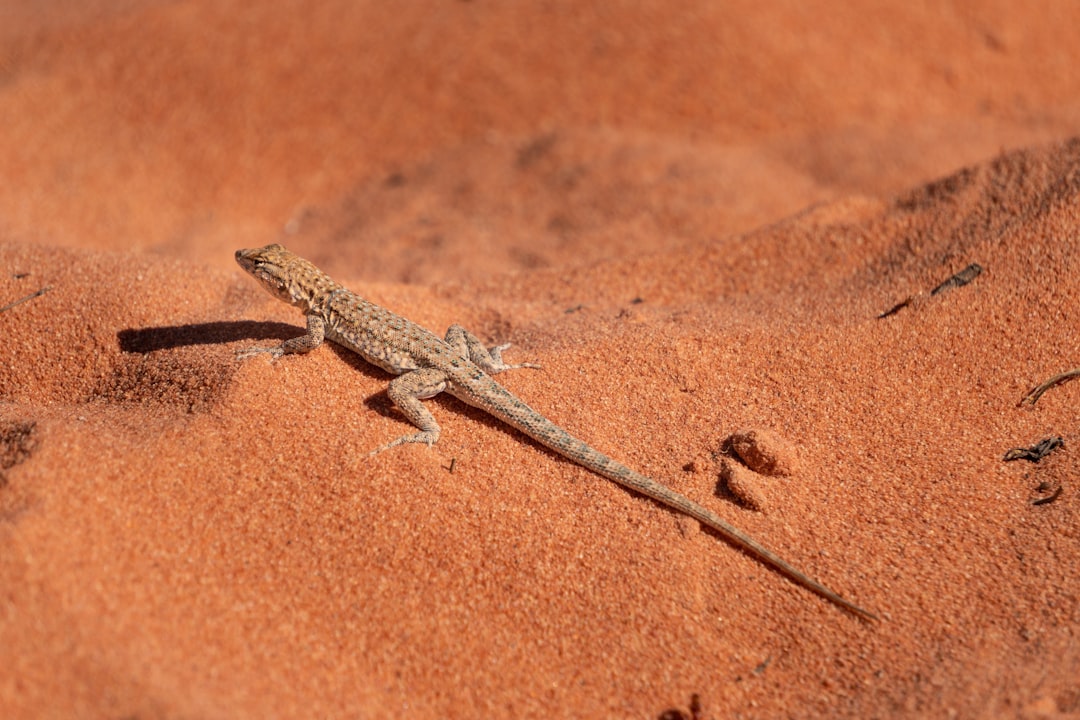
In the wild, bearded dragons do not live on loose, shifting sand dunes like the Sahara. They live in scrublands with hard-packed, sandy-clay soil. To replicate this, many keepers use an excavator clay burrowing substrate.
By wetting the clay and mixing it with play sand (usually a 1:1 or 2:1 ratio of sand to clay), you can mold hills, caves, and digging boxes. Once it dries, it creates a firm, textured surface that satisfies their urge to dig without acting like a loose powder. It is arguably the best way to enrich your pet's environment safely.
Creating a Naturalistic and Bioactive Enclosure
For the advanced keeper, a standard sand layer is just the beginning. The current gold standard in modern bearded dragon care is the naturalistic or bioactive enclosure.

Australian Outback Soil Replication
To achieve an authentic naturalistic desert habitat setup, you want to mimic the texture of the Australian outback. A very popular recipe among expert herpetoculturists is the "50/30/20 mix":
- 50% Organic Topsoil: Ensure it contains absolutely no fertilizers, perlite, or manure.
- 30% Play Sand: To provide drainage and a natural gritty texture.
- 20% Excavator Clay: To hold burrows and give the soil a firm structure.
This combination allows your dragon to dig natural burrows, which is incredibly beneficial for female dragons that need to lay unfertilized eggs.
Going Bioactive
If you want to take it a step further, you can create a non-toxic bioactive desert mix. A bioactive setup uses a specialized substrate combined with a "cleanup crew" of insects (like arid springtails and arid isopods, such as Porcellionides pruinosus).
These tiny bugs live in the substrate and break down the dragon's waste and shed skin, turning it into nutrients for live, dragon-safe plants (like Elephant Bush or Spineless Prickly Pear). While bioactive arid setups require more initial research and precise moisture management, they create a thriving, self-sustaining ecosystem that drastically reduces your cleaning workload.
Maintenance and Hygiene: Keeping the Tank Clean
No matter how high-quality your bearded dragon sand is, poor hygiene can quickly turn a beautiful enclosure into a health hazard. Knowing how to clean loose reptile bedding properly is essential.
Daily Spot Cleaning
Loose substrate makes spot cleaning quite easy, similar to a cat's litter box.
- Invest in a fine-mesh scoop: A sturdy reptile or cat litter scoop is your best friend.
- Remove waste daily: As soon as you see feces or uneaten greens, scoop them out along with a small margin of the surrounding sand.
- Sift carefully: Sift the clean sand back into the enclosure.
Managing Moisture
Bearded dragons originate from arid climates, and their substrate should reflect this. Avoid heavy misting directly onto the sand.
There is a significant risk of bacteria growth in damp sand, not to mention the potential for dangerous mold and fungi. If the sand gets wet from a spilled water bowl, scoop out the wet portion immediately and replace it with dry sand. In bioactive setups, only the very bottom layer of the soil (the drainage layer) should retain slight moisture for the cleanup crew, while the top surface must remain bone dry to prevent scale rot and respiratory infections in your dragon.
Total Substrate Replacement
Even with diligent spot cleaning, non-bioactive loose substrates will eventually harbor microscopic bacteria and odors. As a general rule of thumb, you should perform a complete substrate change every 3 to 4 months. During this deep clean, empty all the sand, sanitize the glass or PVC floor of the enclosure using a reptile-safe veterinary disinfectant (like chlorhexidine), let it dry completely, and pour in a fresh batch of sand.

Actionable Tips for Safely Using Loose Substrates
If you have decided to use the best sand for bearded dragons and create a beautiful, natural enclosure, follow these golden rules to ensure your pet remains 100% safe:
- Dial in your temperatures: We cannot stress this enough. A dragon needs a basking surface temperature of 100°F–105°F (38°C–40°C) to properly digest food. If they are too cold, even a single grain of sand can contribute to a blockage.
- Hydration is key: A well-hydrated dragon has a much healthier, better-lubricated digestive tract. Offer fresh greens daily, provide a shallow water dish, and consider weekly warm soaks.
- Change your feeding strategy: To eliminate the risk of accidental ingestion during feeding time, do not feed live insects directly on the sand. Instead, use a deep, escape-proof ceramic feeding bowl. Alternatively, you can feed your dragon its insects in a separate, empty plastic tub.
- Provide flat surfaces: Even in a naturalistic setup, place large, flat pieces of slate, flagstone, or cork bark under the basking lamp. This gives them a non-loose area to rest, eat, and absorb heat.
- Observe your dragon: If you notice your dragon actively licking or eating the sand by the mouthful, remove them immediately. This behavior (called geophagy) is almost always a sign of a severe dietary deficiency, usually a lack of calcium or vitamins in their diet. Consult an exotic veterinarian, fix their supplementation, and move them to tile until the issue is resolved.
Conclusion
Choosing the right substrate does not have to be a source of anxiety. By looking at the science of bearded dragon care, it becomes clear that loose substrate is not inherently "evil"—rather, it is a tool that must be used responsibly.
Avoid commercial gimmicks and severe calcium sand impaction risks at all costs. Instead, wait until your pet is an adult, ensure your husbandry (heat and UVB) is flawless, and opt for natural, safe materials. Whether you choose a simple, washed play sand, a hard-packed excavator clay burrowing substrate, or a lush, non-toxic bioactive desert mix, providing a natural environment will allow your bearded dragon to dig, forage, and display the fascinating wild behaviors that make them such incredible pets.

Written by Talis Us


Leave a comment
This site is protected by hCaptcha and the hCaptcha Privacy Policy and Terms of Service apply.