


Arcadia Heat Lamp Safety: Essential Tips for Reptile Enclosures
Creating a thriving, comfortable, and safe environment for your reptile is the most important responsibility you take on as a pet owner. Because reptiles are ectothermic—meaning they rely on external sources to regulate their body temperature—providing the right thermal gradient in their enclosure is strictly non-negotiable. However, introducing powerful heating elements into a confined space comes with inherent risks.
Whether you are setting up a cozy desert vivarium or a towering tropical terrarium, understanding how to safely implement heating and lighting is critical.

The Critical Role of Heating and Lighting in Reptile Enclosures
In the wild, reptiles use the sun to warm their bodies, digest their food, and synthesize essential vitamins. In captivity, we must replicate this complex solar energy using artificial means. A reliable heat lamp is the cornerstone of any proper terrarium setup. It provides the localized basking spot your reptile needs to warm up and become active.
However, heat alone is not enough for most diurnal (day-active) species. You must also provide a high-quality uvb light for reptiles. UVB exposure is what allows reptiles to synthesize Vitamin D3, which is essential for calcium absorption. Without reptile lights uvb paired with a proper heat source, reptiles can develop debilitating conditions like Metabolic Bone Disease (MBD).
While UVB tubes generally do not get hot enough to cause severe burns, any heat lights or dedicated bulb for heat absolutely will. These bulbs are designed to project intense infrared energy. If a reptile gets too close or directly touches a bare heat bulb, the results can be catastrophic.
Specific Heating Needs: The Leopard Gecko Example
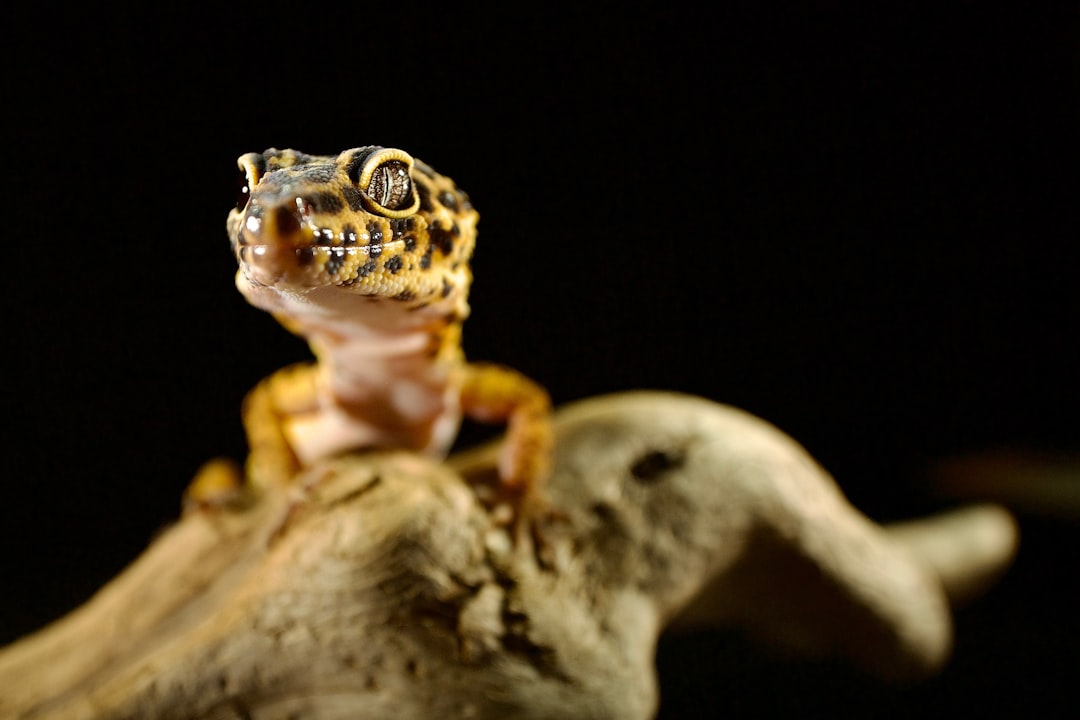
To understand how heating setups vary, let’s look at one of the most popular pet reptiles in the world. New keepers often ask: do leopard geckos need a heat lamp?
The short answer is yes. While traditional advice sometimes pointed strictly to under-tank heating pads, modern herpetoculture has proven that overhead heating is far superior. Overhead heating replicates the natural way the sun warms the earth, penetrating the reptile’s muscle tissues more effectively.

When considering leopard gecko lighting, it is important to remember that they are crepuscular (most active at dawn and dusk). While they don't bask in the blazing midday sun, they still routinely expose cryptic parts of their bodies to sunlight in the wild. Therefore, a specialized leopard gecko heat lamp paired with a low-level UVB source is ideal.
Using a halogen heat light bulb or a Deep Heat Projector creates the perfect warm zone for these geckos. Because leopard geckos are terrestrial but surprisingly good climbers, if your terrarium has a low ceiling or internal 3D backgrounds, ensuring that heat source is physically blocked from their reach is essential to their safety.
Understanding the Risks: Burns and Fire Hazards
Reptiles have a notoriously high pain tolerance and a delayed reflex to localized thermal pain. In the wild, heat comes from millions of miles away. Their evolutionary biology has not equipped them to understand that a small glass orb hanging in their enclosure is a localized burning hazard. If a snake wraps around a bare bulb, or a lizard jumps onto it, they may not pull away until severe, life-threatening third-degree burns have already occurred.
Learning how to prevent reptile heat lamp burns is a primary duty for any keeper. The simplest and most effective method is creating a physical barrier between the animal and the heating element. Furthermore, proper guarding plays a massive role in preventing terrarium fire hazards. If a climbing branch snaps or an animal knocks into an unguarded fixture, a hot bulb could easily contact dry substrate, artificial foliage, or wooden decor, sparking a fire.
Special Considerations for Different Species
Different types of reptiles interact with their environment in unique ways, making safety cages universally necessary, but for slightly different reasons:
- Arboreal Species: The benefits of heat lamp cages for arboreal reptiles (like crested geckos, chameleons, and tree monitors) cannot be overstated. These animals naturally climb to the highest points in their enclosure. Without a cage, they will inevitably try to perch on or jump toward the heating fixture.
- Snakes: Serpents are notorious for exploring every inch of their enclosures. Protecting snakes from ceramic heater contact is particularly vital because ceramic heat emitters (CHEs) do not emit light. A snake may not realize a CHE is blistering hot until it has already coiled around it to investigate.

Essential Reptile Enclosure Safety Accessories
To combat these risks, the reptile husbandry industry has developed incredibly reliable safety gear. At the top of the list of essential reptile enclosure safety accessories is the heat lamp cage.
Brands like Arcadia have set the gold standard in terrarium safety. A high-quality protective wire mesh for ceramic heaters and halogen bulbs ensures maximum heat and light transmission while keeping the surface temperature of the guard well below dangerous levels. When building your setup, investing in a heavy-duty, heat resistant lamp holder with cage prevents the socket itself from melting under continuous use, ensuring the longevity of both your bulb and your terrarium setup.
Deep Heat Projector & Ceramic Heater Safety
Modern reptile heating often utilizes non-light-emitting sources to provide 24/7 warmth without disrupting the animal’s circadian rhythm. Two of the most popular options are Ceramic Heat Emitters (CHEs) and Deep Heat Projectors (DHPs).
Because these elements are designed to push heavy infrared heat deep into the enclosure, they become dangerously hot to the touch. The Deep Heat Projector safety requirements clearly state that they must be operated with a proportionate thermostat and must always be enclosed in a safety cage if mounted inside the vivarium.
Selecting and Sizing Your Heat Lamp Cage
Not all heat fixtures are created equal, and choosing the wrong safety guard can be just as dangerous as having no guard at all.
When choosing the right heat lamp cage size, you must account for the length and wattage of the bulb. If the cage is too small, the bulb will rest directly against the metal mesh, transferring all of its heat and turning the cage itself into a severe burn hazard. There should always be a buffer of at least 1 to 2 inches between the bulb and the metal guard.
You must also decide between top-mount vs internal reptile lamp cages.
- Top-Mount: If you have a glass terrarium with a screen mesh top, the safest place for your lighting is resting on top of the outside screen. In this scenario, the screen itself acts as the guard.
- Internal Cages: If you have a PVC, wood, or custom-built solid-top enclosure, the heating element must be mounted inside. This makes an internal screw-in cage absolutely mandatory.

Installation and Setup Guidelines
Once you have selected the right gear, proper installation is the next critical step. A loose cage is a dangerous cage. Follow these best practices for Arcadia reptile heat lamp guard installation:
- Secure the Bracket First: Mount the ceramic lamp holder directly to the ceiling of the terrarium using the provided screws. Ensure it is firmly anchored into wood or thick PVC.
- Thread the Cables: Make sure the power cables are routed safely out of the enclosure, preferably through a dedicated cable grommet, so your reptile cannot hang on or pull the wires.
- Install the Bulb: Screw your heating element firmly into the ceramic socket.
- Attach the Cage: Place the mesh cage over the bulb and secure it to the ceiling. Most Arcadia guards feature a spring-loaded bottom or secure clasps that allow you to change the bulb without unscrewing the base from the ceiling.
- Test for Stability: Give the cage a firm tug. Safe mounting for terrarium heating elements means the cage should not shift, rattle, or gap under pressure.
Maintaining a Safe Distance
Even with a cage installed, you must respect the reptile heating element safety distance. The cage protects against direct contact burns, but ambient heat directly beneath a high-wattage bulb can still be overwhelming. Ensure that the highest basking branch or rock is placed at a safe distance—usually 12 to 18 inches below the heat source, depending on the bulb’s wattage and the specific needs of your species. Always use an infrared temperature gun to measure the exact surface temperature of the basking spot.
Impact on Basking Temperatures
Many keepers worry that adding a thick metal mesh between the bulb and the basking spot will block the heat. Fortunately, the impact of heat guards on basking temperature is minimal when using high-quality cages.
Standard wide-mesh cages typically only reduce the total heat output by about 5% to 10%. However, because the cage absorbs and radiates a small amount of heat itself, you should always double-check your temperatures after the cage is installed. You may need to slightly increase your thermostat setting to compensate for the mesh barrier.

Thermostat Compatibility and Control
No heating element should ever be plugged directly into a wall outlet without regulation. Thermostat compatibility with heat lamp guards is an essential piece of the safety puzzle.
- Dimming Thermostats: These are required for light-emitting bulbs (like halogen lamps). They smoothly lower the power to the bulb as the target temperature is reached, extending bulb life and preventing flashing.
- Pulse Proportional Thermostats: These are ideal for CHEs and DHPs. They pulse electricity to the heating element to maintain a perfectly stable temperature.
When placing your thermostat probe, never attach it directly to the heat lamp cage. The metal cage gets significantly hotter than the ambient air, which will cause the thermostat to shut off the heat prematurely. Instead, secure the probe securely at the actual basking site (the rock or branch where the reptile sits) directly under the beam of the heat.
Sourcing Quality Equipment: Arcadia Heat Lamp Cage Heater Light Safety - Talis Us
When outfitting your reptile enclosure, it pays to source your equipment from reputable brands and reliable retailers. Flimsy, generic cages can rust, warp under high heat, or feature latches that fail over time.
If you are looking for top-tier protection, exploring the Arcadia Heat Lamp Cage Heater Light Safety - Talis Us product line is an excellent choice. Talis US offers a wide selection of Arcadia’s highly respected safety accessories, ensuring that American keepers have access to the heavy-duty, professionally engineered guards necessary to keep their cold-blooded companions safe. Investing in trusted brands gives you the peace of mind that the metal won't off-gas toxic fumes when heated and that the mesh is strictly quality-controlled.
Conclusion
Building a reptile habitat is a delicate balance of replicating natural extremes while mitigating unnatural risks. Whether you are providing a gentle gradient for a leopard gecko or a blazing basking spot for a tropical monitor, the rules of safety remain the same.
Never underestimate a reptile's ability to reach seemingly inaccessible areas, and never rely on their instincts to prevent thermal burns. By utilizing high-quality ceramic fixtures, selecting the appropriately sized safety cages, and pairing every heating element with a reliable thermostat, you eliminate the risk of severe burns and fire hazards. Take the time to install your gear correctly, respect safety distances, and invest in proven products. Your reptile’s health, comfort, and safety depend on it!

Written by Talis Us



Leave a comment
This site is protected by hCaptcha and the hCaptcha Privacy Policy and Terms of Service apply.