



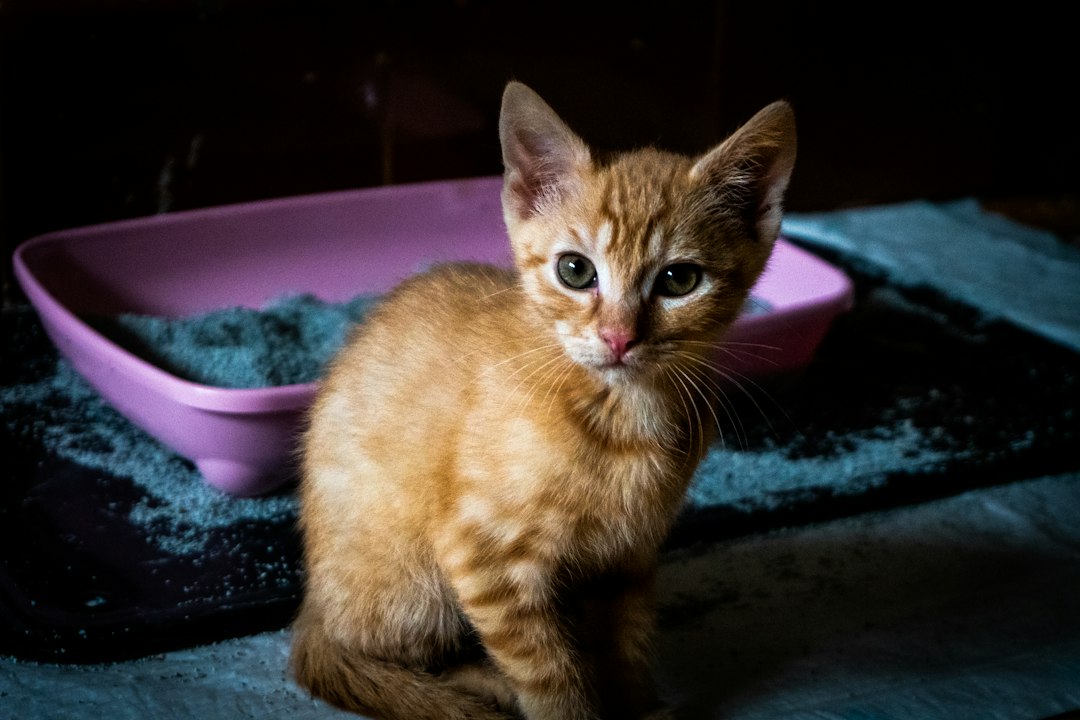
What s the difference between clumping and non-clumping cat litter and which one is better
If you are setting up a litter box for the first time, the choice between clumping and non-clumping litter can feel surprisingly consequential. The practical difference is simple: clumping litter forms removable masses around urine and feces, while non-clumping litter absorbs moisture without binding it into a scoopable shape. For many homes, clumping cat litter is the more convenient everyday option, but the best cat litter is ultimately the one your cat uses reliably, comfortably, and without avoidable mess.
What is the difference between clumping and non-clumping cat litter?
The difference between clumping and non-clumping cat litter is how each type manages liquid waste. Clumping litter contains materials that swell and bind when wet, allowing you to remove urine-soaked sections with a scoop. Non-clumping litter absorbs urine throughout the litter bed, so you remove solid waste daily and replace the full tray more often.
That single functional distinction affects nearly everything else: odor control, cleaning frequency, tracking, cost over time, and even how readily you can monitor your cat’s bathroom habits. A tidy litter routine is not merely a housekeeping preference; it supports feline comfort, reduces household odor, and helps you notice changes that may deserve veterinary attention.

How clumping cat litter works
Clumping litter is commonly made from bentonite clay or other absorbent materials that form firm clusters when they contact urine. After your cat uses the box, you scoop out the clump and any feces, then top up the tray with fresh litter. When the clumps hold together well, the remaining litter stays cleaner for longer.
This is why clumping vs non-clumping cat litter often comes down to maintenance style. Clumping products reward frequent scooping: a few minutes once or twice a day can keep the box fresher and delay full litter changes. For busy new pet owners, that predictability can be a relief, especially in apartments or smaller homes where odor announces itself quickly.
However, clumping quality varies. Some litters create hard, compact clumps that lift out neatly, while others crumble into damp fragments that settle at the bottom of the box. Those fragments can undermine the main advantage of clumping litter because they leave moisture and odor behind.
Main advantages of clumping litter
- Efficient daily cleaning: Urine and feces can be removed without discarding most of the litter.
- Better odor management for many households: Removing wet clumps promptly reduces the amount of waste sitting in the tray.
- Easier monitoring: You can often see changes in urine volume, frequency, or consistency more clearly.
- Less frequent full replacement: With diligent scooping, the entire box may not need to be emptied as often as a non-clumping tray.
- Convenience in multi-cat homes: More cats generally mean more waste, so scoopable litter can simplify upkeep.
Possible drawbacks of clumping litter
Clumping litter is not automatically perfect. Some formulas create dust, track through the home, or contain fragrances that humans enjoy but cats may dislike. A cat’s nose is exquisitely sensitive, and a heavily perfumed box can become less inviting than the laundry basket, which is not the lifestyle upgrade anyone requested.
There is also the question of texture. Some cats prefer fine, sand-like granules, while others tolerate larger particles. If the litter feels unpleasant under the paws, your cat may avoid the box even if the product looks excellent on paper.
How non-clumping cat litter works
Non-clumping litter absorbs liquid rather than forming removable clumps. Traditional versions are often clay-based, although modern options may use materials such as paper, wood, silica, corn, or other plant-derived substrates. With this type, feces should still be removed daily, but urine remains distributed in the litter until the whole tray is changed.
This approach can be straightforward, particularly for people who prefer to empty and refresh the box on a set schedule. It can also suit certain cats or special circumstances, such as recovery periods when a veterinarian recommends a specific low-dust or non-clumping material. For kittens, some caregivers prefer non-clumping options during early exploration because very young cats may taste or play with litter before they understand its purpose.
The trade-off is that odor and saturation can build if the tray is not changed frequently enough. Once non-clumping litter has absorbed its limit, it may feel damp, smell stronger, and become less acceptable to a fastidious cat.
Main advantages of non-clumping litter
- Simple full-tray maintenance: Instead of hunting for urine clumps, you refresh the entire box at intervals.
- Variety of materials: Paper, wood, silica, and other non-clumping options may be useful for cats with particular preferences.
- Potentially lower dust in some formulas: Certain pellet or paper-based products are designed to reduce airborne particles.
- Useful in specific life stages or medical situations: A veterinarian may recommend a particular substrate after surgery, injury, or for very young kittens.
Possible drawbacks of non-clumping litter
The main disadvantage is that urine is not removed as cleanly each day. Even when the surface looks acceptable, saturated material can remain beneath it. This makes odor control more dependent on frequent complete changes, good box depth, and careful washing.
Non-clumping litter may also make it harder to identify urinary changes. If your cat is urinating more, less, or in smaller repeated amounts, clumping litter often makes those patterns easier to see. Because urinary issues can become serious quickly in cats, especially if a cat strains or cannot pass urine, any concerning change should be treated as a reason to contact a veterinarian promptly.
Which one is better for most cats?
For most healthy adult cats in typical households, clumping litter is usually the better starting point because it is easier to keep clean day by day. A box that is scooped often, smells neutral, and feels comfortable under the paws is more likely to meet a cat’s standards. Still, “better” is not universal; the superior litter is the one that supports your cat’s consistent use, your household’s cleaning habits, and any medical or behavioral guidance from your veterinarian.
Cats are not abstract consumers weighing product features. They are tactile, scent-driven creatures with strong opinions about territory and hygiene. If a litter box feels unstable, smells artificial, or contains waste for too long, some cats will communicate their dissatisfaction in ways that are memorable, absorbent, and usually located on something you hoped to keep pristine.
A useful rule is to evaluate the litter from both perspectives: yours and your cat’s. You may want convenience, odor control, and reasonable cost. Your cat wants a clean, safe, predictable place that permits normal digging, turning, and covering.
Comparison of clumping and non-clumping litter
|
Feature |
Clumping litter |
Non-clumping litter |
|---|---|---|
|
Urine removal |
Wet areas form scoopable clumps |
Urine is absorbed into the litter bed |
|
Daily cleaning |
Scoop urine clumps and feces |
Remove feces; stir or manage litter as directed |
|
Full tray changes |
Usually less frequent with diligent scooping |
Usually more frequent because urine remains in the tray |
|
Odor control |
Often strong when clumps are removed promptly |
Depends heavily on absorbency and replacement schedule |
|
Waste monitoring |
Easier to observe urine volume and frequency |
May be less precise because liquid disperses |
|
Cat preference |
Often accepted, especially fine textures |
May suit cats that prefer pellets, paper, or certain substrates |
|
Household mess |
Can track, depending on granule size |
Pellets may track less, but performance varies |
This table is a starting framework, not a decree from the royal court of cats. Product quality, box placement, scooping discipline, and your cat’s temperament can change the real-world result. Two litters in the same category can perform very differently.
Factors that matter more than the label
Choosing between clumping and non-clumping litter is important, but the label alone does not determine success. Many litter box problems arise because of scent, box size, cleaning frequency, or abrupt changes rather than the clumping mechanism itself.
Odor control without overwhelming fragrance
Odor control should come from cleanliness and absorbency first, fragrance second, if at all. Strong perfumes may mask smells for humans while making the box unpleasant for cats. Unscented litter is often a prudent starting choice, especially for new cats whose preferences you do not yet know.
If odor persists, look beyond the litter. The box may need more frequent scooping, a deeper litter layer, a full wash, or a better-ventilated location. Covered boxes can trap smells inside, which may please human noses briefly while offending the cat who must enter the scented chamber.
Dust, tracking, and household cleanliness
Dust matters because both people and cats breathe near the litter box. Low-dust formulas may be worth considering in homes with respiratory sensitivities, although “low dust” can vary by product and handling. Pouring slowly and keeping the box in a well-ventilated area can also help.
Tracking is the migration of litter from box to floor to every mysterious corner of the home. Fine clumping litter may track more than larger pellets, but mats, high-sided boxes, and regular sweeping reduce the problem. The cleanest solution is often a combination of appropriate litter texture and practical box setup.
Texture and paw comfort
Cats often prefer a substrate that is easy to dig and gentle underfoot. Declawed cats, senior cats, or cats with paw sensitivity may be particularly selective. If your cat steps into the box, hesitates, shakes a paw, or exits quickly without eliminating, the texture may be part of the problem.
Texture changes should be introduced gradually whenever possible. Cats appreciate routine, and a sudden transformation of the litter box can feel like someone replaced their private bathroom with a construction site.
How to switch litter without upsetting your cat
A careful transition protects both your floors and your cat’s confidence. If your cat is already using the box reliably, avoid dramatic changes unless there is a clear reason.
- Start with a small blend. Mix a modest amount of the new litter into the old litter while keeping the overall depth familiar.
- Increase gradually. Over several days or longer, add more of the new product if your cat continues using the box normally.
- Keep the box location stable. Do not change litter type, box style, and location all at once unless unavoidable.
- Watch behavior closely. Hesitation, accidents, excessive digging, or avoiding the box may signal that the change is too abrupt.
- Offer a choice if possible. Place a second box with the new litter near the old one and let your cat vote with their paws.

Checklist for choosing the best cat litter
Use this checklist when you are comparing products in the aisle or online. It keeps the decision grounded in feline welfare rather than packaging promises.
- Your cat’s age: Kittens, adults, and seniors may need different textures or materials.
- Health considerations: Ask your veterinarian if your cat has respiratory issues, wounds, urinary concerns, or mobility challenges.
- Odor expectations: Prioritize absorbency and scooping habits over heavy scent.
- Dust level: Choose a lower-dust option if airborne particles are a concern.
- Tracking tolerance: Consider granule size, litter mats, and box design.
- Cleaning routine: Choose clumping if daily scooping suits you; choose non-clumping if scheduled full changes feel more manageable.
- Cat acceptance: The best product fails if your cat refuses to use it.
- Household logistics: Storage space, weight, disposal method, and budget all matter over time.
Common mistakes new cat owners make
New pet owners are often diligent, loving, and slightly overwhelmed, which is a perfectly normal combination. Litter mistakes usually come from trying to solve human problems without considering feline preferences.
One common mistake is buying a highly scented litter to “freshen” the home. A cleaner box, not a stronger perfume, is usually the more cat-friendly solution. Another is using too little litter, which can cause urine to pool at the bottom and make scooping less effective.
Some owners also place the box in a noisy or inconvenient location. A laundry room may seem discreet, but a sudden spin cycle can make the area feel unsafe. Cats prefer accessible, low-stress locations where they are not cornered or startled.
Finally, many people do not provide enough boxes. In multi-cat households, extra boxes reduce competition and give each cat more acceptable options. Even a single cat may appreciate a second box in a larger home.
The practical recommendation
If you are starting from scratch with a healthy adult cat, begin with an unscented, low-dust clumping litter in a roomy, easy-to-enter box. Scoop at least once daily, keep the litter depth consistent, and wash the box regularly with mild soap. This setup gives most new owners a manageable routine while offering cats the clean environment they instinctively prefer.
Choose non-clumping litter if your cat clearly prefers it, if you want a particular pellet or paper texture, or if your veterinarian recommends it for a specific reason. Do not feel defeated if the first product is not perfect. Litter selection is part science, part observation, and part negotiation with a small, whiskered landlord.
Conclusion
So, what's the difference between clumping and non-clumping cat litter and which one is better? Clumping litter forms scoopable masses that make daily cleaning and odor control easier for many households, while non-clumping litter absorbs moisture and usually requires more frequent full replacement. For most new cat owners, clumping cat litter is the most practical first choice, but your cat’s comfort and consistent box use should make the final decision.
Pay attention to the basics: keep the box clean, avoid overpowering scents, introduce changes gradually, and respond quickly to changes in bathroom behavior. When the litter box works well, life becomes calmer for both of you—and your cat can return to more important duties, such as supervising your home with regal intensity.

Written by Talis Us


Leave a comment
This site is protected by hCaptcha and the hCaptcha Privacy Policy and Terms of Service apply.