


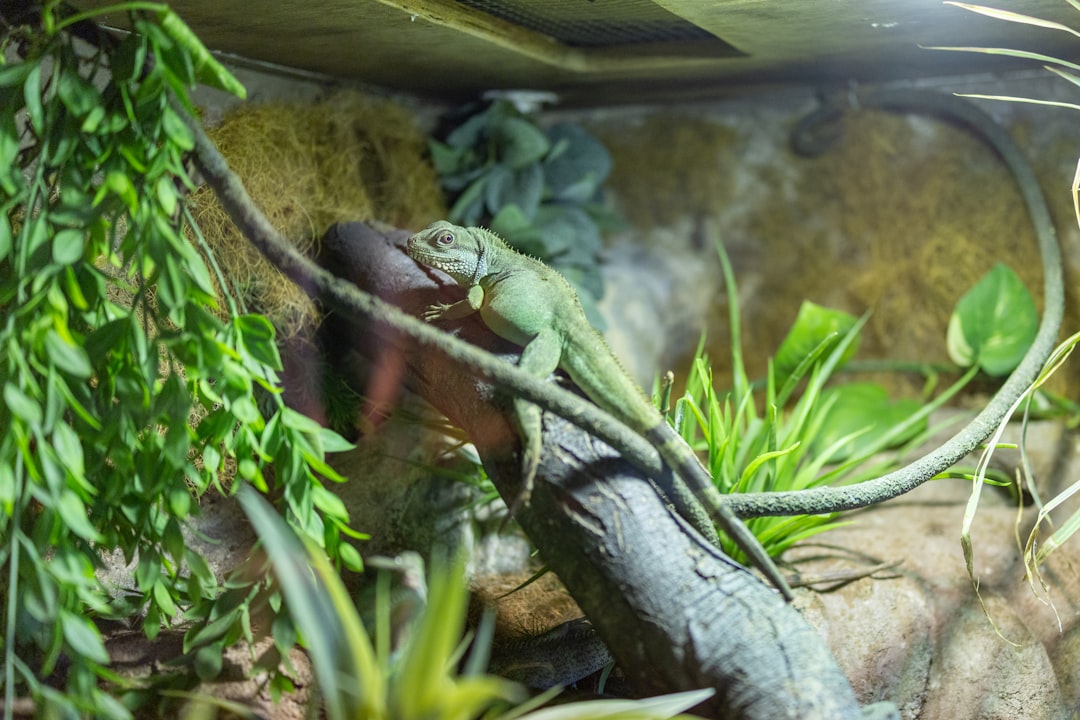
Vivarium Tank Setup: Build a Self-Sustaining Ecosystem
Creating the Perfect Vivarium Tank Setup
Imagine a slice of a tropical rainforest sitting right on your coffee table. We all love regular houseplants, but keeping them alive often feels like a constant struggle against dry indoor air. A well-designed vivarium tank completely changes this dynamic. Instead of a needy potted fern, you get a piece of living art that actively takes care of itself.
Glass walls act just like a clear window that traps the weather inside. This enclosed space holds onto moisture to create the trapped humidity that picky tropical plants desperately crave. According to indoor gardening experts, this closed loop keeps vital water from escaping into your living room. The setup actually waters itself through natural condensation.
Think of this space as a tiny, fully furnished apartment for nature. It operates as a self-sustaining miniature ecosystem where every living part works together. Tiny bugs act as a natural cleanup crew—often called a bioactive system—to eat decaying leaves and refresh the soil. True ecosystem balance means the environment stays healthy without you constantly scrubbing glass.
Building this self-regulating habitat requires a little planning upfront, but the long-term payoff is incredible. Watching spongy moss spread over soil provides real daily stress relief. Following a straightforward naturalistic enclosure setup guide will help you lay the physical foundation right the first time. You are about to assemble a vibrant jungle that thrives on autopilot.
Terrarium vs. Vivarium: Choosing the Right Living World for Your Space
Deciding on the perfect glass enclosure often starts with a simple question: who will live inside? When exploring the differences, think of a terrarium as a lush, low-maintenance greenhouse built solely for plants. A vivarium transforms that exact same space into a fully furnished apartment for small animals like frogs or geckos.
- Terrarium: Plant-only inhabitants, naturally traps basic humidity, and requires a minimal weekly time commitment.
- Vivarium: Mixes plants with animals, demands strictly monitored humidity, and requires daily feeding.
- Paludarium: Integrates a miniature pond; a vital distinction if you want to add fish or aquatic life.
Your final choice depends entirely on how much daily upkeep fits into your schedule. Fortunately, whether you plant a simple moss garden or build a bustling animal habitat, every thriving enclosure begins exactly the same way. Before adding life, you must create a reliable drainage system to prevent root rot.
The Invisible Safety Valve: How a Layered Drainage System Prevents Root Rot
Every thriving indoor ecosystem needs a basement to catch extra water. Since glass boxes lack standard drainage holes, excess moisture quickly turns healthy dirt into a suffocating swamp. To fix this, you must build a hollow gap at the base, called a false bottom, which acts as an invisible safety valve to keep plant roots dry.
Creating this essential drainage layer uses specific, lightweight materials rather than heavy driveway gravel. Think of the dividing screen as a security guard that stops dirt from muddying your clean water trap below. Follow this step-by-step layering sequence from bottom to top:
- Drainage Level: A two-inch base of baked, lightweight clay balls (often called LECA).
- Barrier: A thin plastic drainage mesh cut to fit exactly over the clay.
- Growth Layer: The actual topsoil where your plants and animals live.
With your sturdy foundation securely in place, your layered drainage system is complete. You have successfully stopped future roots from drowning, meaning it is time to focus on the earth resting directly above the mesh.
More Than Just Dirt: Picking the Best Substrate for High Humidity Success
Resting right on top of your new drainage mesh is the earth where your plants will grow. While tempting to use regular garden dirt, everyday potting soil quickly turns into heavy, suffocating mud inside a damp glass habitat. The best substrate for high humidity species must act like a sponge, holding moisture without clumping and choking delicate roots.
To achieve this airy texture, hobbyists use a special recipe known as an ABG mix, originally created by botanical gardens. This fluffy blend combines crushed leaves, charcoal, spongy moss, and bark to create tiny oxygen pockets underground. Because these rugged materials break down very slowly, this specialized foundation typically lasts three to five years before needing renewal, keeping your environment perfectly stable.
An amazing soil blend is just the beginning of a self-sustaining ecosystem. By transforming this special dirt into a living, self-cleaning floor—a bioactive setup—you unlock nature's ultimate maintenance trick through the addition of a microscopic cleanup crew.
Meet Your Tiny Janitors: How to Build a Bioactive Terrarium with Microfauna
What if you never had to scoop waste or scrub mold off the glass of your new habitat? A self-cleaning system solves the biggest hassle of enclosed environments. Instead of cleaning constantly, you add tiny, beneficial bugs known as microfauna directly into the soil. Think of them as a microscopic janitorial staff that works around the clock to keep your miniature rainforest spotless.
This invisible workforce thrives on the exact things that usually ruin regular enclosures. When leaves die, wood decays, or a pet leaves waste, your cleanup crew immediately eats the debris. They digest this trash and turn it into rich, natural plant fertilizer. By introducing microfauna, you create a beautiful loop where waste becomes food, completely eliminating bad smells.
Building this effortless cycle relies on two incredibly hardy helpers:
- Springtails (The Mold Eaters): These tiny, white specks are your ultimate fungal defense. They specifically target and consume mold in damp environments before it can ever spread.
- Isopods (The Master Janitors): Often known as "roly-polys" or pillbugs, these larger workers bulldoze through heavy debris, easily breaking down fallen leaves and animal droppings.
With your tiny janitors settled into the damp earth, the foundation of your living world is fully prepped and hungry for growth. The next step is furnishing this healthy soil with beautiful roots and climbing branches.
Nature’s Architecture: Safe Vegetation and Hardscapes for Exotic Environments
Every miniature rainforest needs sturdy bones to support life. These foundational elements—like branches and rocks—are known as hardscape. Always ensure any wood or stone is completely free of chemical pesticides and sharp edges before placing it inside your glass. Most beginners choose pre-cleaned cork bark or smooth river stones from a pet store to guarantee a safe base that won't easily rot in damp conditions.
Stacking these clean materials creates essential real estate for your future inhabitants. By angling wood across the glass enclosure, you design distinct levels that mimic a wild forest canopy. This elevated architecture provides crucial hiding spots, creating an ideal home for suitable amphibian species, like tree frogs, who feel most secure resting high above the soil.
Once the framing is finished, bring the scenery to life using hardy vivarium plants capable of surviving an 80-percent humidity range without drowning. You can also introduce epiphytic plants—unique greenery like air plants or mosses that grow directly on bare wood rather than in dirt. Tucking these roots directly into your branches creates a beautifully overgrown, natural aesthetic.
True peace of mind comes from verifying you have safe vegetation for exotic pet environments, ensuring the habitat remains a completely non-toxic haven. Now that the lush canopy is securely anchored onto your clean hardscape, the miniature ecosystem needs artificial rainfall to thrive.
Automated Misting vs. Manual Spraying: Maintaining Optimal Tropical Humidity Levels
Keeping the "weather" consistent inside your glass box is the secret to a thriving ecosystem. When deciding between automated misting systems and manual spraying, consider your daily routine. A simple hand-pump spray bottle works perfectly if you enjoy checking on your plants every morning. However, if you travel often, a plug-in machine acts as a reliable robotic raincloud while you are away. Maintaining optimal tropical humidity levels usually means aiming for these recommended daily ranges:
- Tree Frogs: 60-80%
- Crested Geckos: 50-70%
- Tropical Ferns: 60-90%
Because this frequent artificial rain adds constant moisture to the dirt, you need a quick way to ensure the ground isn't getting too soggy. The easiest method is the "Squeeze Test." Grab a pinch of topsoil and press it between your fingers. It should feel damp like a wrung-out sponge, but liquid shouldn't drip out. If it does, pause your spraying schedule to let the habitat breathe.
Tap water contains invisible minerals that leave crusty, white water spots on your glass over time. To prevent this stubborn buildup, always use pure distilled water. Once you have mastered your watering routine, your rainforest needs energy to grow.
Sunlight in a Box: Selecting Full Spectrum Lighting for Live Plants
We know plants need light, but standard living room ceiling bulbs do not provide the right energy. Human eyes simply need brightness to see the room, while plants require specific color wavelengths to actually create their food. To fuel this enclosed garden, you need specialized bulbs that mimic natural sunshine, commonly known as full spectrum lighting.
Bringing this sunlight indoors shouldn't mean accidentally baking your tiny ecosystem. Old-fashioned bulbs produce heavy heat, which can quickly turn a humid glass box into a dangerous oven for your greenery and small pets. Modern LED vivarium lighting solves this problem perfectly. These efficient lights stay cool to the touch while still delivering bright, plant-boosting rays, keeping the internal temperature safe and comfortable.
Nature operates on a reliable daily clock, and your habitat needs that same routine to thrive. Plugging your light into a basic timer set for twelve hours on and twelve hours off creates a perfect artificial day, often called a photoperiod. This consistent schedule tells everything inside when to grow and when to rest. However, combining this bright light with constant moisture creates an environment where mold can thrive, which requires natural prevention methods.
How to Prevent Mold in Humid Enclosures Without Harsh Chemicals
Seeing white fuzz creeping across your decorative wood can quickly spark panic. However, this fluffy growth in new setups is completely normal, often called cycling mold. It simply means your enclosed environment is waking up. Preventing mold in humid enclosures naturally relies directly on your tiny bug janitors. Springtails and isopods will eagerly eat those fuzzy spots until the ecosystem balances itself out.
Airflow acts as your second invisible defense against stale smells and dangerous fungal growth. Pushing fresh air across the habitat, known as cross-ventilation, prevents constant, blurry fog on your front viewing glass. When selecting proper ventilation, look for built-in mesh strips below the doors and on the roof. This steady breeze, combined with your cleanup crew, makes maintenance effortless.
Your 10-Minute Weekly Checklist for a Thriving Miniature Ecosystem
You no longer look at a vivarium tank as just a simple glass box; you understand it as a breathing, self-sustaining world. Once your mini-rainforest achieves that perfect balance, it requires far less effort than walking a dog or weeding a flower garden. You can confidently keep your living art thriving long-term with a manageable routine that takes less than ten minutes a week.
Try this simple maintenance checklist to build your confidence and see immediate results:
- Wipe: Clean the front glass to keep your view crystal clear.
- Prune: Snip back fast-growing leaves exactly when they touch the walls to prevent them from taking over.
- Mist: Spray the soil lightly to sustain the perfect humidity for your cleanup crew.
By sticking to this basic routine, you ensure your carefully crafted ecosystem will flourish beautifully for years to come.

Written by Talis Us


Leave a comment
This site is protected by hCaptcha and the hCaptcha Privacy Policy and Terms of Service apply.