



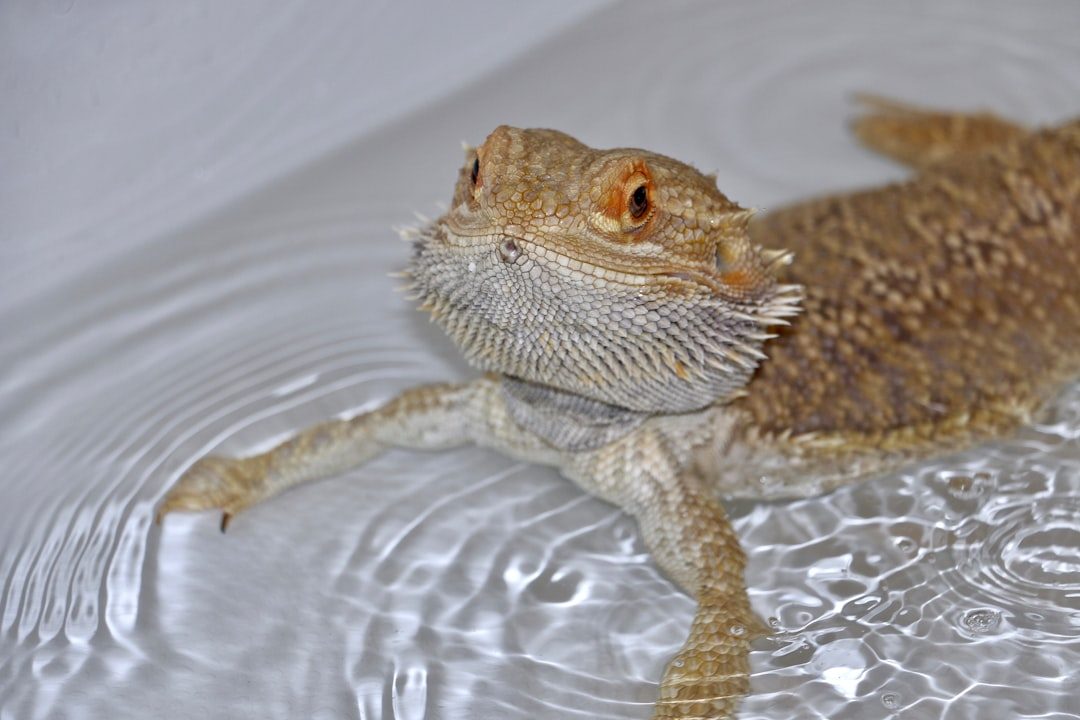
Understanding Water Needs for Bearded Dragons
Understanding Water Needs for Bearded Dragons
Bearded dragons are hardy reptiles, but they still need reliable hydration every day. Good bearded dragon care includes fresh water, moisture-rich foods, safe bathing habits, and an enclosure setup that does not dry them out too quickly. This guide explains how water fits into a healthy bearded dragon diet and how to spot when your dragon may need extra support.
Do bearded dragons need water?
Yes, bearded dragons need water, even though they come from dry environments and may not drink as visibly as a dog, cat, or small mammal. In captivity, they should have access to fresh water in a shallow dish, and many also get hydration from leafy greens, vegetables, and live feeder insects. Veterinary care guides commonly recommend a water dish that is shallow, easy to enter, and large enough for soaking or stepping into if needed. (healthtopics.vetmed.ucdavis.edu)
The confusion often comes from how bearded dragons behave. Some drink from bowls readily, while others ignore standing water for days and appear more interested in droplets on greens or movement in the dish. That does not mean water is optional. It means hydration should be offered in several practical ways, especially if your dragon is young, shedding, eating less, or recovering from stress.
A healthy hydration routine is not complicated. Offer clean water, feed a varied diet with fresh plant matter, keep temperatures within the appropriate range, and watch your dragon’s normal habits. If those habits change suddenly, hydration may be one clue, but it should be considered alongside appetite, stool, activity, weight, and overall husbandry.

Water supports digestion, shedding, and everyday health
Water helps a bearded dragon process food, pass waste, and maintain normal body function. When hydration is low, digestion may slow, stools can become drier, and shedding may be less smooth. These issues are not always caused by dehydration alone, but water is one of the basic care pieces that should be checked early.
Hydration is also tied to temperature. Bearded dragons rely on external heat to digest properly, so a dragon kept too cool may eat poorly, bask excessively, or appear sluggish. A dragon kept too hot, especially without a good temperature gradient, may lose moisture faster and become stressed. Water care works best when lighting, basking, diet, and enclosure management are all in balance.
Think of water as part of the whole care system rather than a separate chore. A bowl in the enclosure matters, but so does the quality of the salad, the safety of baths, and whether the dragon has a cooler area to retreat to. Strong bearded dragon care is built from these small, consistent habits.
How bearded dragons get hydration
Bearded dragons can take in moisture through several everyday sources. Some are obvious, like a water bowl. Others are easy to overlook, such as fresh greens or properly fed insects.
Common hydration sources include:
- A shallow water dish: Fresh water should be available regularly, and many veterinary sources recommend a dish shallow enough for safe access. (hospital.vetmed.wsu.edu)
- Leafy greens and vegetables: Fresh plant matter contributes moisture while supporting the bearded dragon diet. Adults often eat a higher proportion of plant foods than juveniles, so fresh salads become especially important over time. (petmd.com)
- Live feeder insects: Properly gut-loaded insects offer nutrition and some moisture. Gut-loading means feeding insects a nutritious diet before offering them to your dragon. (healthtopics.vetmed.ucdavis.edu)
- Occasional supervised soaks: A shallow warm bath can encourage drinking for some dragons and may help during shedding, but it should never replace access to drinking water.
- Light misting of food: Spraying greens lightly before serving can add moisture without forcing your dragon to drink.
Not every bearded dragon will use every source in the same way. One may drink from the bowl after basking, another may only lick droplets from greens, and another may drink during a bath. Your job is to provide safe options and learn what is normal for your individual reptile.
A simple daily water routine
A good routine keeps hydration available without making the enclosure damp or dirty. Bearded dragons are desert-adapted animals, but that does not mean their habitat should be neglected or overly dry. The goal is clean water, fresh food, and stable conditions.
Use this daily checklist:
- Refresh the water dish. Empty, rinse, and refill it with clean water. If your dragon walks through it or soils it, clean it immediately.
- Choose the right dish. Use a stable, shallow bowl that is easy to climb into and out of. Avoid deep dishes that could trap a small or weak dragon.
- Place it wisely. Keep the dish where it is accessible but not directly under the hottest basking spot, which can warm and evaporate water quickly.
- Serve fresh greens. Rinse greens well and offer them slightly damp. This adds moisture and can make salad more appealing.
- Remove old food. Wilted greens and uneaten insects can make the enclosure dirty and may affect your dragon’s health.
- Observe behavior. Notice whether your dragon drinks, soaks, ignores water, or changes bathroom habits.
This routine takes only a few minutes, but it prevents many common problems. Dirty water can discourage drinking. An awkward dish may be ignored. Old food can create hygiene issues. Small improvements make daily care easier for both you and your dragon.
What should their water dish look like?
The best water dish for a bearded dragon is shallow, sturdy, easy to clean, and large enough for safe access. It should not tip easily, and the sides should be low enough that the dragon can step in and out without struggling. Several veterinary care resources recommend shallow fresh water access, and some note that the dish may be large enough for the dragon to soak if needed. (healthtopics.vetmed.ucdavis.edu)
For baby or juvenile dragons, safety is especially important. A dish that seems shallow for an adult may be too deep for a small dragon. Use a low-profile dish and monitor it closely. If the dragon tracks substrate into the water, consider adjusting the dish placement or using easier-to-clean flooring.
Cleaning matters as much as size. Reptiles may defecate in water, drag food through it, or walk through it after exploring the enclosure. Wash the dish regularly with reptile-safe cleaning practices, rinse thoroughly, and refill with fresh water.
Food is a major part of hydration
A balanced bearded dragon diet does more than provide calories. It also helps maintain hydration through fresh greens, vegetables, and live foods. Veterinary nutrition guidance commonly emphasizes variety, with adults usually eating more plant matter and younger dragons needing more insects as they grow. (petmd.com)
Fresh greens such as collards, mustard greens, turnip greens, dandelion greens, and other appropriate leafy options can carry useful moisture. Vegetables such as squash or bell pepper may also add variety when prepared correctly. Fruit should generally be limited rather than treated as a hydration shortcut, because sweet foods can crowd out better staples.
Live insects should be appropriately sized and gut-loaded. A good rule from veterinary feeding guidance is to avoid insects wider than the space between the dragon’s eyes or wider than the head, depending on the specific recommendation used, because oversized prey can create feeding risks. (hospital.cvm.ncsu.edu)
Hydration and nutrition work together. A dragon that refuses greens may miss an important water source. A dragon fed mostly dry or poorly varied foods may need husbandry adjustments. If appetite changes persist, an exotic veterinarian can help determine whether diet, environment, parasites, mouth pain, or another health issue is involved.
Bathing can help, but it is not a cure-all
Bathing is often discussed in bearded dragon care, and it can be useful when done safely. Some dragons drink during a shallow warm soak, and baths may help loosen shed or clean minor messes. However, bathing should support hydration rather than replace a fresh water dish and moisture-rich diet.
Keep baths shallow enough that your dragon can stand comfortably with the head above water. Use warm, not hot, water and supervise the entire time. Never leave a bearded dragon unattended in a sink, tub, or container. After the bath, dry the dragon gently before returning it to the enclosure, especially if the room is cool.
Avoid forcing water into the mouth. This can cause stress and may risk aspiration if done improperly. If your dragon will not drink and appears weak, lethargic, or unwell, the safer answer is veterinary care rather than aggressive home hydration.
Signs your bearded dragon may be dehydrated
Possible signs of dehydration include sunken eyes, wrinkled or less elastic skin, unusual lethargy, reduced appetite, and changes in droppings or urates. These signs are not a diagnosis by themselves, because illness, weight loss, poor temperatures, parasites, shedding, and stress can look similar. Veterinary sources advise contacting a reptile or exotic animal veterinarian when signs of illness appear or when dehydration seems significant. (petco.com)
Watch for patterns rather than one isolated clue. A dragon with slightly wrinkled skin while basking may not be dehydrated. A dragon with sunken eyes, low energy, poor appetite, and very dry waste deserves prompt attention. Babies, newly acquired dragons, rescues, and older reptiles may need closer observation because they can decline quickly when husbandry is off.
Call a veterinarian if you notice:
- Refusal to eat for longer than expected for your dragon’s age and season
- Marked lethargy, weakness, or inability to support the body normally
- Sunken eyes combined with weight loss or poor appetite
- Very dry, abnormal, or absent droppings
- Repeated dehydration despite fresh water and proper food
- Signs of mouth problems, respiratory issues, swelling, tremors, or injury
Home care can support a mildly under-hydrated dragon, but it should not delay medical help when the dragon looks sick. Reptiles often hide illness until problems are advanced, so early professional guidance is valuable.
Common water mistakes to avoid
Many hydration problems come from small misunderstandings. Bearded dragons are desert reptiles, so keepers sometimes assume they barely need water. Others overcorrect by misting constantly, soaking too often, or keeping the enclosure too damp. Both extremes can create problems.
Avoid these common mistakes:
- Skipping the water dish because the dragon “never drinks.” Some dragons drink when no one is watching, and access still matters.
- Using a deep bowl. A dish should be safe, shallow, and easy to exit.
- Letting water get dirty. Soiled water can discourage drinking and create hygiene issues.
- Relying only on baths. Baths may help some dragons drink, but daily hydration should come from water access and diet.
- Feeding mostly dry foods. Fresh greens and properly gut-loaded insects support both nutrition and moisture.
- Ignoring enclosure temperatures. Poor heating can affect digestion, appetite, activity, and water balance.
- Assuming all wrinkled skin means dehydration. Skin appearance can vary with posture, age, shedding, and body condition.
The practical takeaway is simple: offer water in a safe way, support hydration through food, and look at the whole animal before jumping to conclusions.
Hydration changes with age and appetite
Young bearded dragons are growing quickly and usually eat more insects than adults. Because they are smaller, they can also be more vulnerable when eating, drinking, or basking conditions are not right. Their water dish should be especially shallow, and their feeders should be appropriately sized.
Adults often rely more heavily on salads, so hydration through greens becomes more important. If an adult refuses vegetables, try improving presentation before assuming stubbornness is the only issue. Finely chop greens, mix several appropriate options, lightly rinse them before serving, and offer salad earlier in the day when the dragon is warm and active.
Seasonal behavior may also affect water and food intake. Some healthy adult bearded dragons slow down during brumation-like periods, but appetite loss can also signal illness. If you are unsure whether your dragon is resting normally or becoming unwell, especially if weight is dropping, ask an exotic veterinarian.
Practical ways to encourage drinking
If your bearded dragon ignores the bowl, try gentle, low-stress strategies. The goal is to make water easier to recognize, not to overwhelm the animal.
Helpful options include:
- Swirl the water slightly with a clean finger to create movement.
- Offer damp greens after rinsing.
- Try a wider, lower dish that feels easier to access.
- Place the water dish where the dragon regularly walks.
- Offer supervised shallow soaks if your dragon tolerates them calmly.
- Keep the enclosure clean so the water remains appealing.
Do not make sudden extreme changes all at once. Adjust one or two things, observe the response, and keep notes if you are troubleshooting appetite, waste, or hydration. Consistent observation is one of the most underrated parts of reptile care.
The balanced approach to water and bearded dragon care
So, do bearded dragons need water? Absolutely. They may not drink in obvious ways, but fresh water, moisture-rich foods, and safe husbandry all support their health.
A strong routine is simple: provide a shallow clean dish, serve a varied bearded dragon diet, use safe baths when helpful, maintain proper temperatures, and watch for changes in behavior or waste. If your dragon shows ongoing signs of dehydration or illness, contact an exotic animal veterinarian rather than relying on guesswork. With steady care and close observation, hydration becomes a natural part of keeping your bearded dragon comfortable and healthy.

Written by Talis Us


Leave a comment
This site is protected by hCaptcha and the hCaptcha Privacy Policy and Terms of Service apply.