


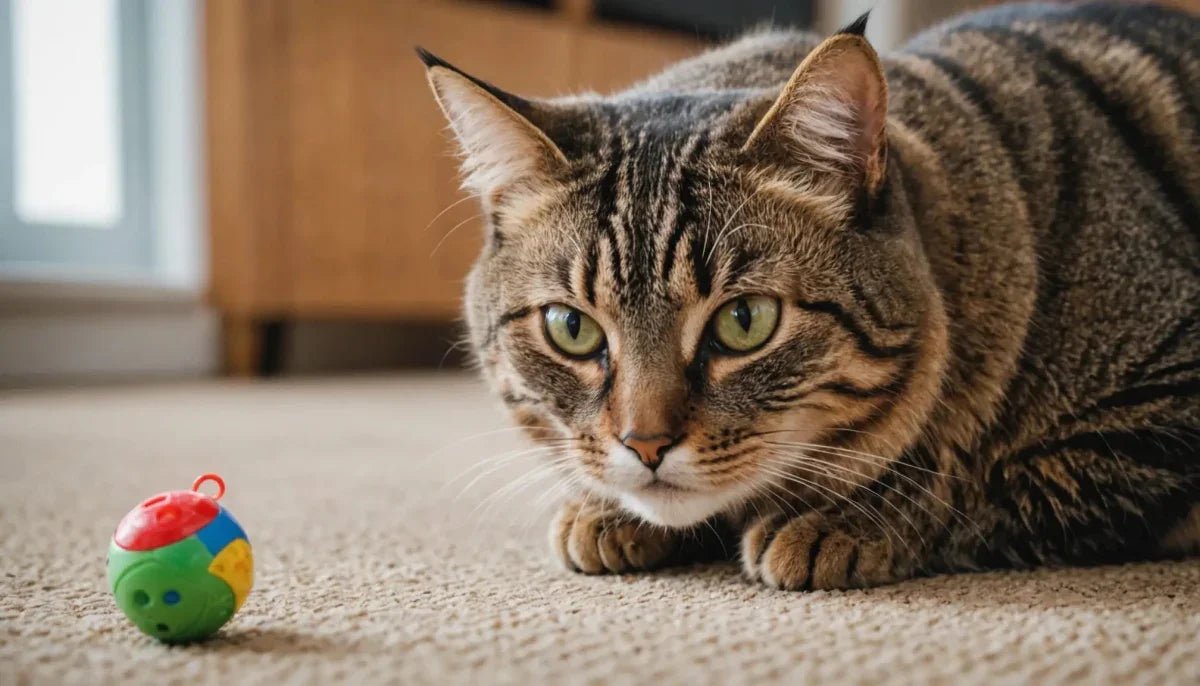
The Ultimate Guide to Cat Toys for Cats with Repellent Sensitivities
Discover a World of Specialized Cat Toys

Discover a world of specialized toys designed to provide joy and comfort to your feline companion with unique sensitivities. From interactive playthings to soothing options, this guide offers a curated selection tailored to ensure your cat's well-being during playtime. Whether your cat is sensitive to fabrics, scents, or simply has discerning tastes, these toys are crafted to delight without causing any discomfort. Join us on a journey to explore a variety of engaging and safe toys that will keep your furry friend entertained and content. Let's make playtime a delightful experience for your beloved cat, free from any triggers or irritants.
Factors to Consider
When choosing the perfect toy for your child, there are several important factors to consider to ensure it is not only fun but also safe and beneficial for their development. Let's delve into the key points to keep in mind when selecting toys for your little one.
- Material of the Toy
The material of the toy plays a crucial role in its safety and durability. Opt for toys made from high-quality, non-toxic materials that are sturdy and free from harmful chemicals. Wooden toys, for example, are a great eco-friendly option that is both safe and sustainable. Additionally, consider factors like washability and resistance to wear and tear to ensure longevity.
- Interactive vs. Solo Play Toys
Consider the type of play experience the toy offers. Interactive toys that encourage social engagement and cooperative play can help develop your child's social skills and creativity. On the other hand, solo play toys can promote independent play and foster imagination and problem-solving skills. It's beneficial to provide a mix of both types to cater to different developmental needs and interests.
- Safety Features to Look For
Prioritize safety when selecting toys for your child. Look for toys that are age-appropriate and free from small parts that could pose a choking hazard. Check for any sharp edges or points that could cause injury. Additionally, ensure that the toy meets safety standards set by reputable organizations such as ASTM International or the Consumer Product Safety Commission to guarantee its quality and safety. Consider factors like ease of cleaning to maintain hygiene.
- Educational Value
In addition to being fun, toys can also serve as valuable educational tools. Choose toys that stimulate various aspects of your child's development, such as cognitive skills, fine and gross motor skills, and creativity. Educational toys like puzzles, building blocks, and art supplies can enhance learning in a playful manner.
- Longevity and Versatility
Opt for toys that can grow with your child and adapt to different stages of their development. Selecting toys with multiple uses or that offer room for creativity and open-ended play can prolong their engagement and enjoyment. Consider toys that encourage exploration and experimentation.
By taking these factors into consideration, you can make informed decisions when choosing toys that not only entertain but also support your child's growth, learning, and well-being. Remember, the best toys are not just playthings but tools for shaping a child's world.
Types of Cat Toys
When it comes to keeping your feline friend entertained and engaged, the variety of cat toys available can be overwhelming. Each cat has its own preferences and playing style, so it's essential to have a diverse selection of toys to keep them happy. Let's explore some popular types of cat toys that you can consider for your furry companion:.
-
Soft and Plush Toys : Providing your cat with soft and plush toys can offer them comfort and entertainment. These toys are perfect for cuddling and kneading, satisfying your cat's natural instincts. Look for plush toys that are the right size for your cat to carry around and kick with their hind legs.
-
Catnip-Free Options : While catnip is a hit with some cats, not all felines are responsive to it. Ensure you have cat toys that are catnip-free but still engaging. Choose toys with different textures, shapes, and scents to appeal to your cat's senses. Rotating toys can also help maintain their interest.
-
Noiseless Toys : Cats have varying preferences when it comes to toy sounds. If your cat is sensitive to loud noises, opt for noiseless toys like plush balls, felt mice, or crinkle balls. These toys provide mental stimulation without causing any discomfort to noise-sensitive cats.
-
Alternative Materials : Experiment with toys made from alternative materials such as wood, sisal, or feathers. These toys can mimic natural prey and engage your cat's hunting instincts. Feathers attached to a wand or a sisal scratching post can offer both play and exercise.
-
DIY Toy Ideas : Get creative and engage in some DIY projects to create personalized toys for your cat. Simple materials like cardboard boxes, paper bags, and yarn can be used to make interactive and stimulating toys. DIY toys are not only cost-effective but also allow you to customize toys based on your cat's preferences.
Remember, observing your cat's reactions to different toys is crucial. Rotate their toys regularly to keep them mentally stimulated and prevent boredom. By providing a mix of toy types, you can ensure your cat remains physically active, mentally engaged, and entertained for hours on end.
DIY Toy Making
Simple and Creative DIY Toy Recipes
Are you seeking inventive ways to entertain your children while fostering their creativity and dexterity? Why not delve into the world of DIY toy making! Crafting homemade toys not only ensures endless fun but also promotes cognitive development and imaginative play. Here are some delightful and straightforward DIY toy recipes using common household items.
Whimsical Homemade Playdough.
Ingredients: - 1 cup flour - 1/2 cup salt - 1 cup water - Food coloring.
Instructions: 1. Combine all the dry ingredients and gradually add water until reaching the desired consistency. 2. Introduce vibrant food coloring to concoct an array of hues. 3. Store the playdough in an airtight container for prolonged use.
Magical Cardboard Box Dollhouse.
Materials: - Large cardboard box - Scissors - Paint/markers - Dollhouse furniture (optional).
Instructions: 1. Cut out windows and doors in the box and embellish with colorful paint or markers. 2. Enhance the setup with miniature dollhouse furniture for an enchanting touch.
Adorable Sock Puppets.
Materials: - Old socks - Googly eyes - Yarn - Glue - Buttons.
Instructions: 1. Transform ordinary socks into whimsical characters with googly eyes, yarn for hair, and button noses. 2. Encourage imaginative play with these charming and easy-to-create puppets.
Step-by-Step Guide to Crafting DIY Toys
- Select a DIY toy recipe that captivates your interest.
- Gather all essential materials and ingredients before embarking on the crafting journey.
- Prepare a dedicated crafting space that allows for creativity to flow freely.
- Follow the detailed instructions provided for each toy-making process.
- Infuse your unique flair by personalizing the toy with distinctive touches.
- Revel in the joy of either playing with your handmade creation or presenting it as a heartfelt gift to a loved one.
Embarking on the adventure of DIY toy making not only guarantees entertainment but also nurtures a profound bond with your children, fostering cherished memories. So, gear up for an exciting crafting escapade by assembling your supplies and unleashing your creative spirit! Let the crafting extravaganza commence!.
Are you ready to embark on a journey of creativity and fun through DIY toy making? Dive into the realm of imaginative play and watch as ordinary household items transform into extraordinary creations that captivate young hearts and minds.
Training Tips
Training your pet is a rewarding experience that strengthens the bond between you and your furry friend. Here are some essential tips to help you train your pet effectively:.
Gradual Introduction of New Toys
Introducing new toys to your pet can be a fun and enriching experience for both of you. However, it's crucial to introduce new toys gradually to ensure your pet feels comfortable and safe. Start by placing the toy in your pet's environment without any pressure for them to engage with it. Allow your pet to investigate the toy at their own pace, encouraging curiosity and exploration. As your pet becomes more familiar with the toy, incorporate it into playtime to make the experience positive and rewarding.
Positive Reinforcement Techniques
Positive reinforcement is a powerful training technique that focuses on rewarding your pet for good behavior. By using treats, toys, or verbal praise, you can encourage your pet to repeat desired behaviors. Consistency is key when using positive reinforcement, so be sure to reward your pet immediately after they exhibit the desired behavior. Remember to keep training sessions short and engaging to maintain your pet's interest and motivation.
Setting Clear Expectations
Setting clear expectations is essential for successful training. Clearly communicate the behaviors you expect from your pet and establish consistent rules. Use positive reinforcement to reward good behavior and redirect or ignore unwanted behaviors. Consistency and patience are key to reinforcing these expectations and helping your pet understand what is expected of them.
Bonding Through Training
Training sessions provide valuable opportunities to bond with your pet. Use training sessions as a bonding experience by incorporating play, praise, and rewards. Building a strong bond with your pet through training will not only enhance obedience but also deepen your relationship and trust.
Seeking Professional Help
If you encounter challenges during training or have specific goals in mind, consider seeking professional help. A certified animal trainer or behaviorist can provide guidance, support, and personalized training plans to address your pet's unique needs.
Training your pet requires patience, consistency, and positive reinforcement. By following these training tips and techniques, you can create a harmonious and fulfilling relationship with your furry companion.
Conclusion
Understanding and catering to the unique needs of cats with repellent sensitivities is crucial in providing a safe and enjoyable playtime experience for our feline friends. By choosing the right toys and observing their behavior closely, we can ensure that our cats remain happy, healthy, and engaged in play without any negative reactions. Remember, a little extra care and attention can go a long way in creating a harmonious environment for our beloved furry companions.




Leave a comment
This site is protected by hCaptcha and the hCaptcha Privacy Policy and Terms of Service apply.