



The Complete Guide to Vitamins and Supplements for Reptiles: Keep Your Scaly Friends Healthy and Happy
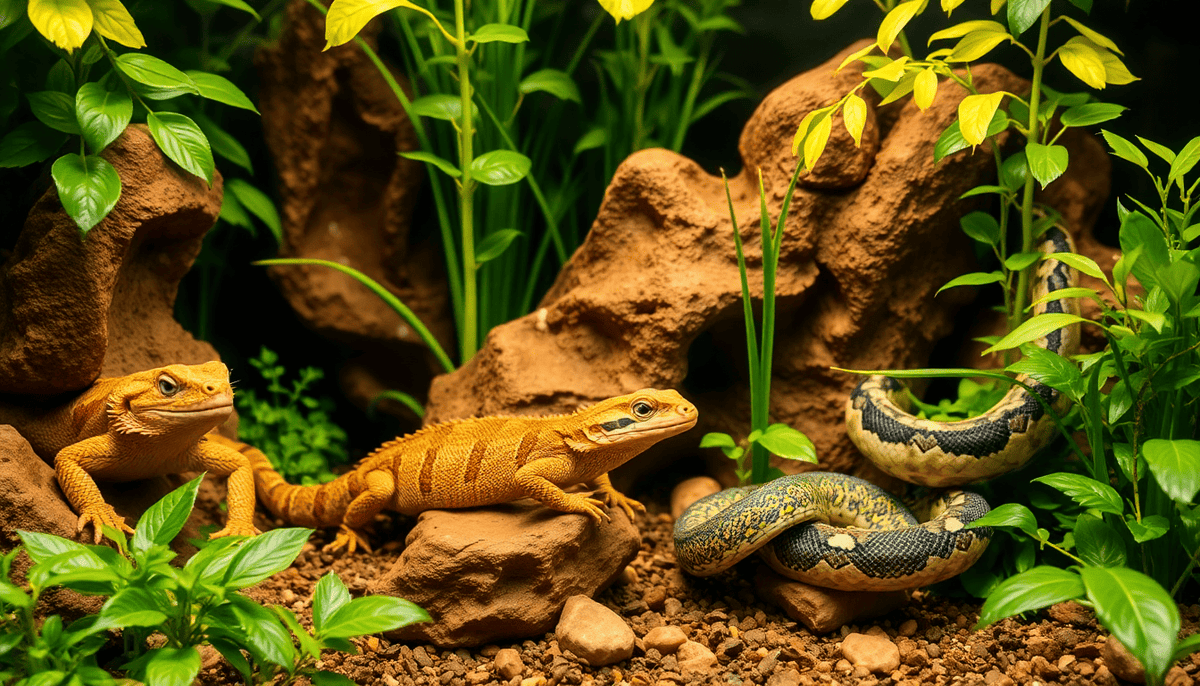
So you've got a reptile at home – maybe a bearded dragon chilling in your living room, a ball python coiled up in its enclosure, or perhaps a colorful gecko hanging out on a branch. Whatever scaly friend you're caring for, there's one thing that separates the casual pet owner from the truly dedicated reptile enthusiast: understanding the importance of proper nutrition, specifically vitamins and supplements.
Let's be real – keeping a reptile healthy isn't just about feeding them the right food and maintaining the right temperature. There's a whole world of nutritional science behind those little creatures, and if you want your reptile to thrive rather than just survive, you need to understand vitamins and supplements. This guide is going to walk you through everything you need to know about keeping your reptile in peak condition.
Why Vitamins and Supplements Matter for Reptiles
Here's the thing that a lot of new reptile owners don't realize: reptiles in captivity don't have access to the same diverse diet they'd find in the wild. In nature, a bearded dragon might eat dozens of different insects, plants, and small animals throughout the week. A ball python might hunt prey that contains various nutrients. But in captivity? They're eating what we give them, and that's usually a pretty limited menu.
This is where vitamins and supplements come in. They're not just some optional add-on – they're essential for preventing serious health problems. Without proper supplementation, your reptile could develop metabolic bone disease, vitamin A deficiency, or other nutritional disorders that can be painful, expensive to treat, and sometimes even fatal.
The reality is that most commercial reptile foods, while decent, don't contain all the nutrients your pet needs in the right proportions. That's why supplementation is so crucial. It's like the difference between eating fast food every day versus eating a balanced diet with vitamins – your body just works better when it's getting what it needs.
Understanding the Main Vitamins Your Reptile Needs
Calcium: The Foundation of Reptile Health
Calcium is probably the most important mineral for reptiles, and it's also the one that causes the most problems when it's deficient. Your reptile's bones, teeth, and muscles all depend on calcium to function properly. Without enough calcium, you're looking at metabolic bone disease, which is basically the reptile equivalent of osteoporosis on steroids – and it's absolutely devastating.
The tricky part about calcium is that it doesn't work alone. Your reptile needs the right ratio of calcium to phosphorus, and they also need vitamin D3 to properly absorb and utilize that calcium. It's like a nutritional triangle – you need all three components working together.
Most reptile owners should be using a calcium supplement without vitamin D3 several times a week, and then a calcium supplement with vitamin D3 once or twice a week. The exact schedule depends on your specific reptile species and whether they're getting UVB lighting (which helps them produce their own vitamin D3).
Vitamin D3: The Sunshine Vitamin
Vitamin D3 is absolutely critical for reptile health. It helps regulate calcium absorption and metabolism, which means without it, all that calcium you're supplementing might as well be going nowhere. Your reptile's body can't properly use calcium without adequate vitamin D3.
Now, here's where it gets interesting. Many reptiles can produce their own vitamin D3 when exposed to proper UVB lighting. A good UVB light (typically 10.0 UVB output) can actually reduce the need for vitamin D3 supplementation. However, not all reptiles are the same – some species are more dependent on dietary vitamin D3 than others, and some reptiles kept indoors without proper UVB lighting absolutely need supplemental vitamin D3.
The key is finding the right balance. Too much vitamin D3 can actually be toxic, so you don't want to go overboard. This is why it's important to understand your specific reptile's needs and adjust accordingly.
Vitamin A: Vision and Immune Function
Vitamin A is essential for your reptile's vision, immune system, and skin health. Deficiency can lead to swollen eyes, poor vision, and increased susceptibility to infections. On the flip side, too much vitamin A can be toxic, so you need to be careful about supplementation.
The good news is that if you're feeding your reptile a varied diet with plenty of colorful vegetables and quality prey items, you might be getting enough vitamin A naturally. However, some reptiles benefit from occasional vitamin A supplementation, especially if they're not eating a diverse diet.
B Vitamins: Energy and Metabolism
The B vitamin complex – including thiamine, riboflavin, niacin, and others – plays a crucial role in energy metabolism and nervous system function. While deficiencies are less common than calcium or vitamin D3 deficiencies, they can still occur, especially in reptiles eating a limited diet.
A good multivitamin supplement will typically include the B vitamins you need, so you don't usually have to worry about supplementing them separately.
Other Important Vitamins and Minerals
Beyond the big players, there are other vitamins and minerals that matter for reptile health. Vitamin E acts as an antioxidant and supports immune function. Iodine is crucial for thyroid function. Magnesium, zinc, copper, and other trace minerals all play important roles in various bodily functions.
The good news is that a quality multivitamin supplement will include most of these, so you don't have to become a nutritionist to keep your reptile healthy.
Different Types of Supplements and How to Use Them
Calcium Supplements Without Vitamin D3
These are your workhorse supplements. You'll use these several times a week (typically 3-4 times for most species). They provide the calcium your reptile needs without adding extra vitamin D3, which is important because you don't want to overdose on vitamin D3.
Calcium supplements come in powder form, and you typically dust your reptile's food with them. For insects, you just put the insects in a bag or container with some powder and shake them around until they're coated. For vegetables, you sprinkle the powder on top.
Calcium Supplements With Vitamin D3
These are used less frequently – typically once or twice a week, depending on your reptile's UVB exposure and species. They combine calcium with vitamin D3 to ensure your reptile is getting both nutrients in the right proportion.
The frequency really matters here. Using a calcium with D3 supplement too often can lead to vitamin D3 toxicity, which is why you want to alternate between calcium without D3 and calcium with D3.
Multivitamin Supplements
A good multivitamin supplement provides a broad spectrum of vitamins and minerals in one convenient package. These typically include vitamin A, B vitamins, vitamin E, and various minerals. You'll usually use these once a week or every other week, depending on the product.
Multivitamins are great for filling in nutritional gaps and ensuring your reptile is getting a complete spectrum of nutrients. However, they shouldn't replace your calcium supplementation – calcium is too important to rely solely on a multivitamin.
Vitamin A Supplements
Some reptiles benefit from occasional vitamin A supplementation, especially if they're not eating a varied diet. However, vitamin A toxicity is a real concern, so you need to be careful. Most reptile owners should use a vitamin A supplement only occasionally – maybe once a month or less – rather than regularly.
Specialized Supplements
Depending on your reptile's specific needs, there might be other supplements worth considering. Some reptiles benefit from supplements containing beneficial bacteria (probiotics) for digestive health. Others might benefit from supplements designed to support shedding or immune function.
Choosing the Right Supplements for Your Reptile
The first step in choosing supplements is understanding what your specific reptile needs. Different species have different requirements, and what works for a bearded dragon might not be ideal for a corn snake.
Bearded Dragons
Bearded dragons are omnivores and relatively heavy eaters, which means they need robust supplementation. A typical schedule might look like:
- Calcium without D3: 4-5 times per week
- Calcium with D3: 1-2 times per week
- Multivitamin: Once per week
Since bearded dragons spend a lot of time basking, they benefit from UVB exposure, but supplemental vitamin D3 is still important.
Ball Pythons and Other Snakes
Snakes are carnivores, and they typically get most of their nutrition from whole prey. However, the nutritional quality of their prey depends on what that prey was eating. Feeding your snake properly-fed, nutritious prey is actually more important than supplementing the snake directly.
That said, occasional supplementation can be beneficial. Many snake owners use a multivitamin supplement once every couple of weeks to ensure their snakes are getting all necessary nutrients.
Geckos
Geckos vary widely in their dietary needs depending on the species. Leopard geckos are primarily insectivores and need similar supplementation to bearded dragons. Day geckos, on the other hand, are more omnivorous and need a different approach.
For most geckos, a schedule similar to bearded dragons works well, though you might adjust the frequency based on the specific species and individual needs.
Turtles and Tortoises
Turtles and tortoises have unique nutritional needs that vary by species. Aquatic turtles often get some nutrition from the plants and organisms in their environment, but supplementation is still important. Tortoises, being herbivorous, need different supplementation than carnivorous or omnivorous reptiles.
A typical schedule for turtles and tortoises might include:
- Calcium without D3: 3-4 times per week
- Calcium with D3: 1-2 times per week
- Multivitamin: Once per week
Chameleons
Chameleons are insectivores with specific dietary needs. They typically require frequent supplementation due to their high metabolism and the difficulty of providing a truly varied diet in captivity.
A typical schedule might include:
- Calcium without D3: 4-5 times per week
- Calcium with D3: 1-2 times per week
- Multivitamin: Once per week
The Importance of UVB Lighting
Here's something that a lot of people don't realize: UVB lighting and supplementation work together. You can't just rely on one or the other – you need both.
UVB lighting allows your reptile to produce their own vitamin D3 when exposed to the light. This is why proper UVB lighting is so important. However, not all UVB lights are created equal. You need a light that produces the right spectrum (typically 10.0 UVB output for most species) and you need to replace it regularly because UVB output decreases over time.
Even with proper UVB lighting, supplementation is still important because:
- Not all reptiles can produce enough vitamin D3 from light alone
- UVB lighting doesn't provide calcium or other nutrients
- Some species are more dependent on dietary vitamin D3 than others
The relationship between UVB lighting and supplementation is one of the most important concepts in reptile care. Get this right, and you're well on your way to having a healthy reptile.
Common Supplementation Mistakes to Avoid
Over-Supplementing
This is probably the most common mistake. People think that if some supplementation is good, more must be better. Wrong. Over-supplementation, especially with vitamin D3 and vitamin A, can be toxic and cause serious health problems.
Follow the recommended guidelines for your specific reptile species and resist the urge to supplement more frequently than recommended.
Under-Supplementing
On the flip side, some people don't supplement enough, thinking that their reptile's diet is sufficient. This often leads to nutritional deficiencies and health problems down the road.
Make supplementation a regular part of your routine. Set a schedule and stick to it.
Using Low-Quality Supplements
Not all supplements are created equal. Some brands use fillers or have inconsistent nutrient levels. Invest in quality supplements from reputable manufacturers. Your reptile's health is worth it.
Not Adjusting for UVB Lighting
If you have proper UVB lighting, you might need to adjust your supplementation schedule slightly. Conversely, if you don't have UVB lighting, you'll need to supplement more heavily with vitamin D3.
Ignoring Species-Specific Needs
What works for a bearded dragon might not work for a corn snake or a leopard gecko. Take the time to research your specific reptile's nutritional needs and adjust accordingly.
Forgetting to Replace UVB Bulbs
UVB bulbs lose their effectiveness over time. Most need to be replaced every 6-12 months, depending on the type. If you're relying on UVB lighting for vitamin D3 production, make sure you're replacing your bulbs on schedule.
Recognizing Signs of Nutritional Deficiency
Even with the best supplementation routine, problems can sometimes occur. Knowing the signs of nutritional deficiency can help you catch problems early.
Metabolic Bone Disease
This is the most common nutritional disorder in captive reptiles. Signs include:
- Soft, rubbery jaw
- Swollen limbs
- Difficulty moving or climbing
- Lethargy
- Deformities in the spine or limbs
If you notice any of these signs, get your reptile to a vet immediately. MBD is serious, but it can be managed if caught early.
Vitamin A Deficiency
Signs include:
- Swollen eyes
- Difficulty seeing
- Respiratory infections
- Poor skin shedding
Vitamin D3 Deficiency
This often manifests as metabolic bone disease, but can also cause:
- Muscle weakness
- Poor appetite
- Lethargy
General Malnutrition
Signs of general nutritional deficiency include:
- Poor growth
- Dull coloration
- Lethargy
- Poor appetite
- Frequent illness
If you notice any of these signs, review your supplementation routine and consider consulting with a reptile veterinarian.
The Role of Diet in Supplementation
Here's something that's really important to understand: supplements are meant to supplement a good diet, not replace one. You can't just feed your reptile junk food and expect supplements to fix everything.
Feeding a Varied Diet
The more varied your reptile's diet, the less supplementation they might need. A bearded dragon eating a variety of insects, greens, and vegetables will be in better nutritional shape than one eating only crickets and iceberg lettuce.
For insectivorous reptiles, try to offer a variety of insects: crickets, dubia roaches, mealworms, hornworms, and others. Different insects have different nutritional profiles, so variety is key.
For omnivorous reptiles like bearded dragons, offer a variety of vegetables and greens. Dark leafy greens like collard greens and mustard greens are particularly nutritious.
Gut-Loading Prey
If you're feeding live insects, gut-loading them (feeding them nutritious food before giving them to your reptile) can significantly improve the nutritional value of the prey. Feed your insects quality food, and your reptile will benefit.
Feeding Properly-Nourished Prey
If you're feeding frozen-thawed prey, make sure it came from a reputable source that feeds their animals well. The nutritional quality of the prey directly affects the nutrition your reptile receives.
Creating a Supplementation Schedule
Let's put this all together and create a practical supplementation schedule. Remember, this is a general guideline – your specific reptile's needs might vary.
Sample Schedule for a Bearded Dragon
Monday: Calcium without D3 Tuesday: Insects dusted with calcium without D3 Wednesday: Vegetables with calcium without D3 Thursday: Insects dusted with calcium with D3 Friday: Insects dusted with multivitamin Saturday: Vegetables with calcium without D3 Sunday: Rest day or light feeding
This schedule ensures your bearded dragon is getting calcium several times a week, vitamin D3 twice a week, and a multivitamin once a week.
Sample Schedule for a Ball Python
Week 1: Feed with regular prey Week 2: Feed with prey dusted with multivitamin Week 3: Feed with regular prey Week 4: Feed with prey dusted with multivitamin
This less frequent supplementation works for snakes because they're getting most of their nutrition from whole prey.
Sample Schedule for a Leopard Gecko
Monday: Insects dusted with calcium without D3 Tuesday: Insects dusted with calcium without D3 Wednesday: Insects dusted with calcium with D3 Thursday: Insects dusted with calcium without D3 Friday: Insects dusted with multivitamin Saturday: Insects dusted with calcium without D3 Sunday: Rest day
This schedule is similar to bearded dragons because leopard geckos have similar nutritional needs.
Storing and Handling Supplements
Proper storage of supplements is important for maintaining their effectiveness.
Storage Conditions
Keep supplements in

Written by Talis Us



Leave a comment
This site is protected by hCaptcha and the hCaptcha Privacy Policy and Terms of Service apply.