


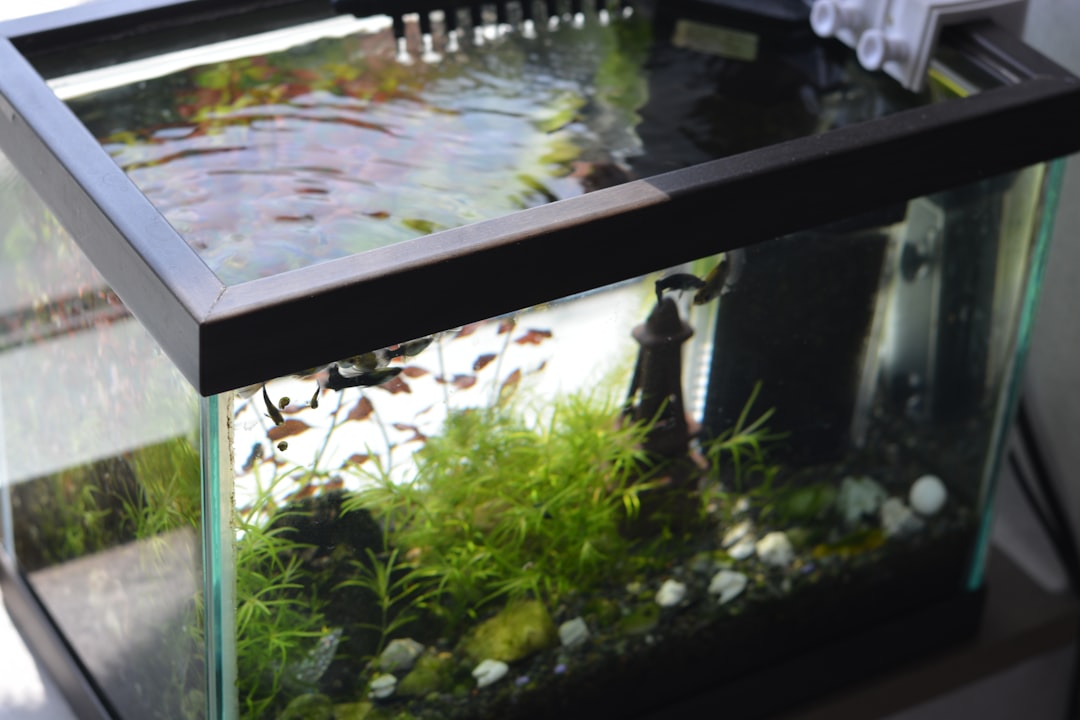
Master 10 Gallon Tank Dimensions & Setup Guide
Understanding 10 Gallon Tank Dimensions and Setup
Whether you are a seasoned aquarist looking for a compact aquascaping project or a beginner setting up your very first aquatic ecosystem, the 10-gallon tank is widely considered the perfect starting point. It offers a "goldilocks" balance: it is large enough to maintain stable water parameters, yet small enough to fit comfortably in a bedroom, office, or living room without requiring a massive structural overhaul of your home.
However, successfully establishing a thriving aquatic environment requires much more than just buying a glass box and filling it with tap water. To truly set yourself up for success, you must master the fundamental 10 gallon tank dimensions. Understanding these measurements dictates everything from the type of fish you can responsibly keep to the filter you buy, the stand you choose, and where you place the tank in your home.
In this comprehensive guide, we will break down exactly what you need to know about the physical sizing of a 10-gallon tank, spatial planning, weight considerations, and equipment setup.

The Standard Measurements: What Are the Exact 10 Gallon Tank Dimensions?
When you walk into a pet store and pick up a standard 10-gallon rectangular aquarium, the industry-standard aquarium dimensions are incredibly consistent across major manufacturers.
- Length: 20 inches (50.8 cm)
- Width (Depth): 10 inches (25.4 cm)
- Height: 12 inches (30.5 cm)
These specific 10 gallon fish tank dimensions have been standard for decades. They offer an aesthetically pleasing, panoramic view of your aquatic pets while remaining compact.
Internal Volume Versus External Dimensions
One common mistake beginners make is assuming that the outside measurements exactly reflect the living space for the fish. In reality, you must account for internal volume versus external dimensions. The dimensions listed on the box are measured from the outermost edges of the glass or plastic trim.
Standard 10-gallon glass aquariums are typically made with 1/8-inch or 3/16-inch thick glass. Additionally, the silicone seams and bottom plastic rim slightly reduce the actual internal space. While the difference is minimal in larger tanks, in nano aquariums, every fraction of an inch counts when determining swimming room and total water volume.
Understanding Shapes: 10 Gallon Tall vs 10 Gallon Long
While the 20" x 10" x 12" size is the default, the aquarium hobby has evolved to offer different shapes that hold the same volume of water. The most common debate among nano-tank enthusiasts is the 10 gallon tall vs 10 gallon long (also referred to as standard vs. portrait).
- Standard (Long/Rectangular): As mentioned, this measures 20" x 10" x 12". It is universally preferred for most setups because it provides a longer horizontal swimming space, which the vast majority of fish prefer.
- Tall (Portrait/Column): A tall 10-gallon tank often measures closer to 12" L x 12" W x 18" H. While these look sleek and modern, their vertical orientation restricts lateral swimming space.
Pro Tip: Unless you are specifically keeping species that do not require lateral swimming room (like dwarf shrimp or certain snails), the standard rectangular dimensions are vastly superior for fish health.

Footprint and Gas Exchange: Why Shape Matters
When discussing dimensions, we must talk about the tank's "footprint." Your fish tank footprint measurements are simply the length multiplied by the width. For a standard 10-gallon tank, the footprint is 20 inches by 10 inches, yielding 200 square inches.
The Importance of Surface Area
Why does the footprint matter? It directly impacts the surface area for gas exchange. Aquariums breathe at the surface. Oxygen enters the water, and carbon dioxide escapes through the top layer where the water meets the air.
A standard 10-gallon tank with 200 square inches of surface area provides excellent gas exchange, keeping the water highly oxygenated. Conversely, a 10-gallon tall tank might only have a 144-square-inch footprint (12" x 12"). Less surface area means poorer gas exchange, which can limit the amount of livestock your tank can safely support, even though it holds the same amount of water.
The Gravity of the Situation: Weight Calculations
Water is incredibly heavy, and understanding the physical weight of your tank is just as vital as knowing its dimensions. A tank that is improperly supported can leak, crack, or completely shatter.
Full Aquarium Weight Calculation
To ensure your furniture can handle your new setup, you must perform a full aquarium weight calculation. Here is the standard breakdown for a 10-gallon tank:
- Empty Tank Weight: ~11 lbs (5 kg)
- Water Weight: Water weighs 8.34 lbs per gallon. 10 gallons = 83.4 lbs (37.8 kg)
- Substrate/Gravel: A typical 10-gallon setup uses 10 to 15 lbs of gravel or sand.
- Equipment & Decor: Filters, heaters, rocks, and driftwood add another 5 to 10 lbs.
Total Estimated Filled Weight: Approximately 110 to 120 lbs (50 - 54 kg).
Glass Versus Acrylic Aquarium Weight
The material of your tank will slightly alter your math. When comparing glass versus acrylic aquarium weight, glass is noticeably heavier. An empty standard glass 10-gallon tank weighs about 11 pounds, whereas an acrylic equivalent might weigh only 4 to 5 pounds.
While acrylic saves you a few pounds and is shatter-resistant, it scratches easily. Glass remains the industry standard for its scratch resistance and clarity over time. Ultimately, once filled with over 80 pounds of water, the 6-pound difference between empty glass and acrylic becomes negligible regarding structural support.
Aquarium Stand Weight Limits
Because a fully scaped 10-gallon tank weighs around 115 lbs, you cannot put it on just any piece of furniture. You must strictly adhere to aquarium stand weight limits.
Many modern flat-pack bookshelves, thin end tables, or cheap particleboard desks are not rated for a continuous, localized load of 115 lbs. If the surface bows even a fraction of an inch under the weight, it creates pressure points on the glass, inevitably leading to a cracked tank. Always place your tank on a dedicated aquarium stand, a solid wood piece of furniture, or a desk with a reinforced steel frame.

Planning Your Space: Location and Placement
Now that you know the 10 gallon tank dimensions and weight, you need to find the perfect spot in your home. Because they are relatively small, 10-gallon tanks are incredibly popular for home offices and bedrooms.
Desktop Fish Tank Placement Tips
If you are planning a desktop setup, follow these essential desktop fish tank placement tips:
- Avoid Direct Sunlight: Placing the 20" x 10" footprint near a window guarantees massive temperature fluctuations and uncontrollable algae blooms.
- Keep Away from Drafts: Avoid placing the tank directly under an air conditioning vent or next to an exterior door.
- Ensure Level Ground: Use a spirit level to check the desk. An unlevel surface puts immense stress on the tank's silicone seams.
- Cable Management Space: Leave enough room behind and below the desk to safely route power cables for lights, heaters, and filters, ensuring you incorporate "drip loops" to prevent water from running into your electrical outlets.
Equipment Fitting and Clearances
A bare glass box isn't a functional aquarium. You will need to attach life-support equipment, and this is where knowing your exact measurements is incredibly practical.
Hang on Back Filter Clearance
The most popular filtration method for a 10-gallon setup is a Hang-On-Back (HOB) filter. However, HOB filters require space behind the tank. If you push your aquarium flush against a wall, you won't be able to install your filter.
Always factor in hang on back filter clearance when planning your tank's location. Most standard HOB filters designed for 10 to 20-gallon tanks require an absolute minimum of 3 to 4 inches of clearance between the back glass of the tank and the wall.
Measuring for Aquarium Hood Fit
A tight-fitting lid or hood is essential. It prevents fish from jumping out, significantly reduces water evaporation, and keeps household dust (or curious cats) out of the water.
When measuring for aquarium hood fit, you must measure the internal lip of the plastic rim at the top of the tank, not the absolute external dimensions. Most off-the-shelf hoods are specifically pre-cut to fit the standard 20" x 10" rim. If you have an older, custom, or rimless tank, you may need to purchase an adjustable glass canopy or have a custom acrylic lid cut to your exact inner dimensions.
Nano Aquarium Heater Placement
Temperature stability in a small body of water is critical. Standard 10-gallon tanks require a 50-watt heater. Proper nano aquarium heater placement is vital for even heat distribution.
Never bury a heater in the gravel, and avoid placing it in a stagnant corner. The ideal placement is vertically or horizontally near the filter intake or output. This ensures that as the water is heated, the filter's flow rapidly distributes the warmth throughout the entire 20-inch length of the tank, preventing dangerous hot and cold zones.

The Reality of Water Volume: It’s Less Than You Think
Here is a secret that surprises many beginners: your 10-gallon tank does not actually hold 10 gallons of water.
Once you understand the aquarium water displacement guide, it makes perfect sense. Every rock, piece of driftwood, and handful of gravel you place inside the tank displaces water. If you add 15 pounds of dense gravel, a large piece of spider wood, and several dragon stones for aquascaping, you are eating up valuable water volume.
In a typical scaped 10-gallon tank, you might only have 7 to 8 gallons of actual, swimmable water. You must keep this reduced volume in mind when dosing water conditioners, fertilizers, or medications. Overdosing based on a 10-gallon assumption in a heavily hardscaped tank can harm your fish.
Stocking Density for 10 Gallon Tanks
With your dimensions, volume, and equipment sorted, it is time for the fun part: adding livestock. But because of the limited water volume and the 20" footprint, you must be incredibly mindful of the stocking density for 10 gallon tanks.
In the past, the "one inch of fish per gallon of water" rule was widely taught. Today, modern aquarists know this rule is deeply flawed. A 10-inch Oscar fish cannot live in a 10-gallon tank! Instead, stocking density should be based on the biological load (bioload) of the specific species, their territorial needs, and their swimming habits.
Best Livestock for Small Aquariums
Because a 10-gallon tank is classified as a nano aquarium, you need to choose species that remain small and do not require massive amounts of open swimming space. Here is a curated list of the best livestock for small aquariums:
- The Betta Fish: A 10-gallon is a luxurious palace for a single Betta. The 20-inch length gives them plenty of room to patrol, and the 12-inch depth is shallow enough for them to easily reach the surface to breathe.
- Nano Schooling Fish: Small species like Neon Tetras, Ember Tetras, or Chili Rasboras thrive in 10-gallon setups. A school of 6 to 8 of these tiny, colorful fish adds brilliant movement.
- Livebearers: A trio (one male, two females) of Guppies or Endler's Livebearers will do wonderfully, though be prepared for babies!
- Invertebrates: Neocaridina shrimp (Cherry Shrimp) and small snails (like Nerite snails) have incredibly low bioloads. You can safely keep dozens of dwarf shrimp in a 10-gallon tank, making it an excellent dedicated shrimp breeding setup.
Note: Avoid common pet store pitfalls like Goldfish, Plecostomus (sucker fish), or Angelfish. These grow entirely too large for a 10-gallon tank's dimensions and footprint.

How It Compares: Contextualizing Your Tank
To fully appreciate the versatility of a 10-gallon setup, it helps to see how it stacks up against other popular starter sizes. If you are ever unsure which tank to buy, referencing a standard aquarium sizes chart is incredibly helpful.
- 5 Gallon (16" L x 8" W x 10" H): Great for a single Betta or shrimp, but water parameters can fluctuate rapidly due to the low volume.
- 10 Gallon (20" L x 10" W x 12" H): The gold standard starter tank. Easier to heat and filter uniformly than a 5-gallon, with enough footprint for nano schooling fish.
- 20 Gallon Long (30" L x 12" W x 12" H): The next logical step up. Offers an extra 10 inches of horizontal swimming space, opening the door to small bottom dwellers like Corydoras catfish.
By comparing these sizes, it becomes clear why the 10-gallon remains the champion of accessibility. It fits neatly on standard furniture while providing just enough physical space and water volume to create a stable, healthy, and visually stunning biological ecosystem.
Final Thoughts on Setting Up Your 10 Gallon Aquarium
Ultimately, success in the aquarium hobby comes down to preparation. By thoroughly understanding your 10 gallon tank dimensions, you elevate yourself from a casual fish buyer to a responsible fish keeper.
Remember that the 20" x 10" x 12" standard size provides an excellent canvas, but it also establishes your boundaries. It dictates the stand you must use to support its 115-pound filled weight, it determines the hood and filters you can purchase, and most importantly, its footprint dictates the type of aquatic life that will truly thrive in your care.
Take the time to measure your intended space, map out your filter clearances, and choose your livestock thoughtfully based on their adult size and bioload. Whether you decide to create a lush, planted paradise for a single magnificent Betta or a bustling colony of brightly colored Cherry Shrimp, a properly planned 10-gallon tank will bring a beautiful slice of nature into your home for years to come.

Written by Talis Us


Leave a comment
This site is protected by hCaptcha and the hCaptcha Privacy Policy and Terms of Service apply.