



Hydration and Cats: Why Wet Food May Be the Better Choice
Let's talk about something that doesn't get nearly enough attention in the pet care world: how much water your cat is actually drinking. If you're like most cat owners, you probably put down a bowl of kibble and fresh water, call it a day, and hope for the best. But here's the thing – cats are notoriously bad at drinking water, and this can lead to some serious health issues down the line. The good news? Wet food might just be the game-changer your feline friend needs.
Understanding Your Cat's Natural Hydration Needs
Before we dive into the wet food debate, let's understand why hydration matters so much for cats in the first place. Cats are descendants of desert-dwelling animals, which means their bodies are naturally adapted to extract moisture from their food rather than from standing water. In the wild, cats would get most of their hydration from the prey they hunted – think mice, birds, and other small creatures that are about 70-80% water.
This evolutionary background is crucial because it explains a lot about modern cat behavior. Your indoor cat still has those same instincts and biological needs, even though they're living in your climate-controlled home eating processed food. When cats don't get enough water, they're essentially going against their natural design, and their bodies have to work harder to compensate.
The average cat needs about 3.5 to 4.5 ounces of water per pound of body weight daily. For a typical 10-pound cat, that translates to roughly 35-45 ounces of water per day. That's a significant amount, and most cats simply aren't getting it through drinking alone. This chronic mild dehydration can contribute to kidney disease, urinary tract infections, and other health complications that become more prevalent as cats age.
The Problem with Dry Kibble
Now, let's talk about dry kibble, because this is where a lot of the hydration problem starts. Dry food is convenient for us humans – it's easy to store, doesn't spoil quickly, and often costs less than wet alternatives. But from a nutritional and hydration standpoint, it's far from ideal for cats.
Dry kibble typically contains only about 10% moisture content. Compare that to wet food, which contains around 70-80% moisture, and you can see why there's such a dramatic difference in how these foods affect your cat's hydration levels. When your cat eats dry kibble, they're consuming food that's been stripped of most of its natural moisture, which means they have to drink significantly more water to compensate.
Here's where the problem compounds: cats have a relatively weak thirst drive compared to other animals. They evolved to get their water from food, not from drinking, so they're not naturally inclined to seek out water bowls and drink large quantities. This means that even though your cat needs to drink more water to compensate for the dryness of kibble, they often don't. The result is chronic mild dehydration that can persist for years without you even realizing it.
This chronic dehydration puts extra stress on your cat's kidneys and urinary system. Over time, this can lead to conditions like chronic kidney disease, which is one of the most common health issues in senior cats. Studies have shown that cats fed primarily dry food have higher rates of kidney disease and urinary tract problems compared to cats fed wet food diets.
The Benefits of Wet Food for Hydration
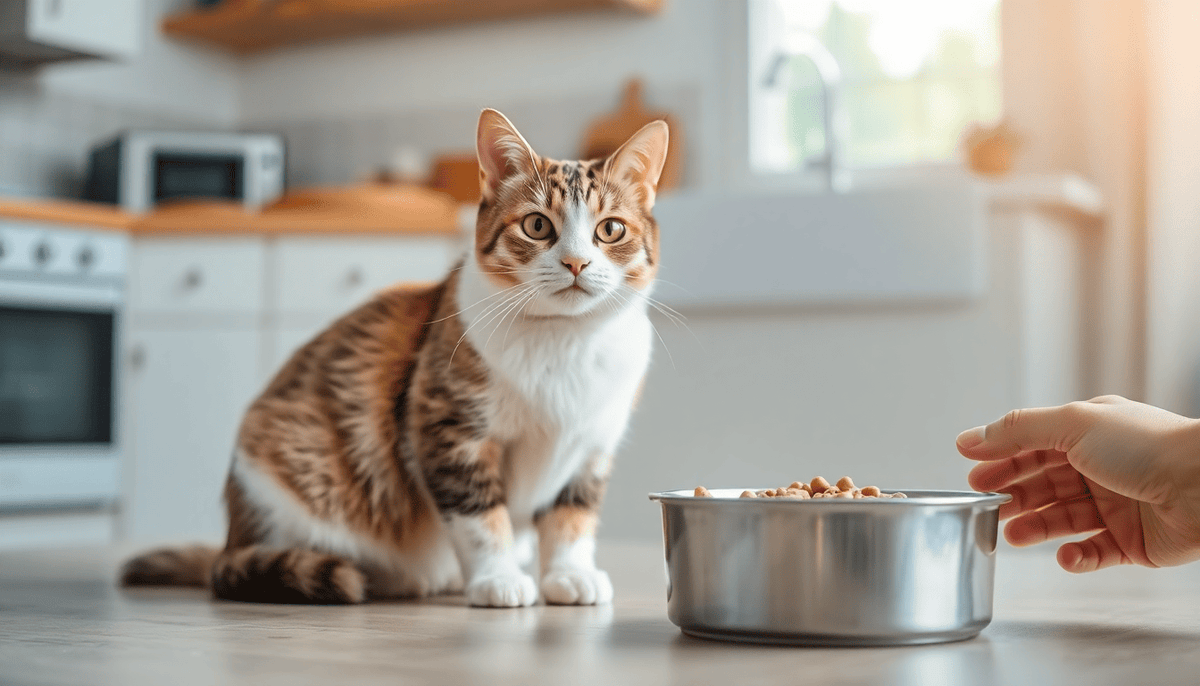
So what makes wet food such a better choice? The answer is simple: moisture content. When you feed your cat wet food, you're essentially giving them the hydration they need in the form of food, which aligns perfectly with their evolutionary biology.
Wet food comes in several forms – canned, pouches, and fresh options – and all of them contain significantly more water than dry kibble. This means that every time your cat eats, they're getting a substantial amount of hydration. For a cat that doesn't naturally drink enough water, this is a game-changer.
The benefits go beyond just hydration, though. Wet food is also typically higher in protein and lower in carbohydrates compared to dry kibble. This is important because cats are obligate carnivores, meaning they're designed to eat meat and derive their nutrition primarily from animal proteins. Many dry kibbles rely heavily on grains and plant-based fillers to achieve their texture and shelf stability, which isn't ideal for feline nutrition.
When you switch to wet food, you're often getting a diet that's more aligned with what your cat would naturally eat in the wild. This can lead to better overall health, improved digestion, healthier weight management, and reduced risk of diet-related diseases.
Addressing Common Concerns About Wet Food
I know what you're thinking – wet food is expensive, it spoils quickly, and it's messy. These are all valid concerns, and I'm not going to pretend they don't exist. But let's break them down and see if they're really deal-breakers.
Cost is probably the biggest concern for most cat owners. Yes, wet food is generally more expensive per serving than dry kibble. But here's something to consider: if wet food helps prevent expensive health issues down the line, is it really more expensive? A single urinary tract infection or kidney disease treatment can cost hundreds or even thousands of dollars. Preventative nutrition through wet food might actually save you money in the long run.
Plus, you don't necessarily have to feed wet food exclusively. Many cat owners find success with a mixed diet – some wet food and some dry kibble. This approach gives you the hydration benefits of wet food while keeping costs more manageable. Even adding wet food as a supplement to a primarily dry kibble diet can make a significant difference in your cat's hydration levels.
As for spoilage, modern wet food is designed to stay fresh for quite a while once opened. Most canned foods will last 24-48 hours in the refrigerator, and pouches often have similar shelf lives. If you're concerned about waste, you can portion out smaller amounts and store the rest properly. Some people even freeze portions to extend shelf life.
The mess factor is real, but it's manageable. Wet food does require a bit more cleanup than kibble, but it's not a deal-breaker. Using a designated feeding mat or tray can contain spills and make cleanup easier. Plus, many cats are actually neater eaters than you might expect – they often lick their bowls clean.
Choosing the Right Wet Food
Not all wet foods are created equal, so it's important to know what to look for when you're shopping. At Talis US, we carry a wide selection of premium wet food options for cats, and understanding what makes a quality product can help you make the best choice for your feline friend.
When evaluating wet food, start by looking at the ingredient list. The first ingredient should be a named meat source – chicken, turkey, beef, fish, or similar. Avoid foods that list "meat by-products" or "animal by-products" as primary ingredients, as these are lower quality protein sources. You want real meat, not mystery meat products.
Next, check the guaranteed analysis on the label. Look for foods that are high in protein (ideally 10% or higher on an as-fed basis) and relatively low in carbohydrates. Remember, cats are carnivores, so they thrive on protein-rich diets. Some wet foods are formulated with added carbohydrates and fillers, which isn't ideal for feline nutrition.
Pay attention to the taurine content as well. Taurine is an essential amino acid for cats, and it's crucial for heart health, vision, and reproductive function. Quality wet foods will have adequate taurine levels, and many brands supplement additional taurine to ensure cats get enough.
Also consider your cat's specific needs. Some cats have sensitive stomachs and do better with limited ingredient diets. Others might have allergies or health conditions that require specialized nutrition. There are wet foods formulated for senior cats, kittens, weight management, and various health conditions. Finding the right fit for your individual cat is important.
Making the Transition to Wet Food
If your cat has been eating dry kibble their whole life, switching to wet food might require some patience and strategy. Cats can be particular about food changes, and a sudden switch might result in a hungry cat who refuses to eat the new food.
The best approach is a gradual transition. Start by mixing a small amount of wet food with your cat's regular kibble – maybe 10-20% wet food and 80-90% kibble. Over the course of a week or two, gradually increase the proportion of wet food while decreasing the kibble. This gives your cat's digestive system time to adjust and helps them get used to the new taste and texture.
Some cats take to wet food immediately and enthusiastically. Others might be more resistant, especially if they've been eating the same kibble for years. If your cat is being stubborn, try different brands or flavors. Some cats prefer chicken, while others like fish or beef. You might need to experiment a bit to find what your cat enjoys.
Temperature can also make a difference. Some cats prefer their wet food at room temperature, while others like it slightly warmed. Warming wet food can make it more aromatic and appealing to cats, which might help with the transition. Just make sure it's not too hot – test it with your finger to ensure it's comfortable for your cat.
Be patient during this transition period. It might take a few weeks for your cat to fully adjust to wet food, and that's okay. The long-term health benefits are worth the short-term effort.
Wet Food and Dental Health
One concern some people have about wet food is that it might be bad for dental health. The thinking goes that chewing dry kibble helps clean teeth, while soft wet food doesn't provide that benefit. There's some truth to this, but it's not the whole story.
While it's true that chewing kibble provides some mechanical cleaning action, the reality is that most cats don't chew kibble thoroughly anyway. Many cats swallow kibble whole or with minimal chewing, so the dental benefit is limited. Additionally, the high carbohydrate content in many kibbles can actually contribute to dental disease by feeding the bacteria that cause plaque and tartar buildup.
Wet food, being higher in protein and lower in carbohydrates, is actually less likely to contribute to dental problems. Plus, if dental health is a concern for your cat, you can always supplement with dental treats or regular tooth brushing – practices that are far more effective at maintaining dental health than relying on kibble texture.
The Role of Water Bowls and Hydration Stations
Even if you're feeding wet food, it's still important to ensure your cat has access to fresh water. Some cats will still drink water, especially if you make it appealing and accessible.
Consider investing in a cat water fountain. Many cats are attracted to moving water, and fountains can encourage drinking. The flowing water is more interesting to cats than a static bowl, and it also keeps the water fresher and more oxygenated. Some cats will drink significantly more water from a fountain than from a regular bowl.
Placement matters too. Cats often prefer water bowls that are separate from their food bowls. In the wild, cats don't typically drink from the same location where they eat, so providing water in a different area of your home might encourage more drinking. Try placing water bowls in multiple locations throughout your house – near their favorite resting spots, in different rooms, etc.
Some cats are particular about water temperature. Experiment with room temperature water, chilled water, and even slightly warm water to see what your cat prefers. You might be surprised at how much more your cat drinks when the water is at their preferred temperature.
Wet Food and Weight Management
Another benefit of wet food that often gets overlooked is its role in weight management. Obesity is a significant problem in domestic cats, affecting roughly 60% of cats in the United States. Overweight cats are at higher risk for diabetes, joint problems, heart disease, and other health issues.
Wet food can actually help with weight management in several ways. First, it's more satiating than dry food. The high moisture content means your cat feels fuller after eating less food, which can help prevent overeating. Second, wet food is typically higher in protein, which helps maintain lean muscle mass while promoting fat loss. Third, the lower carbohydrate content in quality wet foods means fewer empty calories.
Studies have shown that cats fed wet food diets tend to maintain healthier weights compared to cats fed primarily dry kibble. This is especially important for indoor cats, who have fewer opportunities for exercise and are more prone to weight gain.
If your cat is overweight, switching to wet food combined with increased playtime and exercise can be an effective strategy for helping them reach a healthier weight. Just be sure to monitor portions and adjust quantities based on your cat's individual needs and your veterinarian's recommendations.
Special Considerations for Senior Cats
Senior cats have unique nutritional needs, and wet food can be particularly beneficial for older felines. As cats age, their kidneys become less efficient at concentrating urine, which means they need more water to maintain proper hydration. Wet food helps meet this increased hydration need.
Additionally, senior cats often have dental issues that make chewing dry kibble uncomfortable or difficult. Wet food is much easier for senior cats to eat, and they can still get complete nutrition without the discomfort of chewing hard kibble.
Older cats also tend to have decreased appetite and may eat less overall. Wet food is more nutrient-dense and flavorful than dry kibble, which can help stimulate appetite and ensure senior cats are getting adequate nutrition despite eating smaller quantities.
If you have a senior cat, wet food should definitely be part of the conversation with your veterinarian. Many vets recommend transitioning senior cats to wet food diets to support kidney health and overall wellbeing in their golden years.
Wet Food for Cats with Health Conditions
Cats with certain health conditions can particularly benefit from wet food. For example, cats with kidney disease need to maintain excellent hydration to support their remaining kidney function. Wet food helps achieve this goal naturally through diet rather than relying on increased water intake.
Cats with diabetes can also benefit from wet food, particularly low-carbohydrate formulations. The higher protein and lower carbohydrate content of quality wet foods can help regulate blood sugar levels and may even help some cats achieve remission from diabetes.
Cats with urinary tract issues, including feline lower urinary tract disease (FLUTD), benefit significantly from increased hydration. Wet food helps dilute urine and reduce the concentration of minerals that can contribute to crystal formation and blockages.
If your cat has any health condition, it's worth discussing wet food options with your veterinarian. They can recommend specific products or formulations that are appropriate for your cat's particular situation.
Environmental and Ethical Considerations
While we're talking about wet food, it's worth mentioning the environmental impact of different food types. Canned wet food does generate more packaging waste than dry kibble, which is a legitimate environmental concern. However, many manufacturers are working to improve their packaging, and some offer more sustainable options.
If environmental impact is important to you, look for brands that use recyclable or minimally packaged options. Some companies offer wet food in pouches that use less material than cans, and others are exploring alternative packaging solutions.
It's also worth considering the sourcing of ingredients. Some premium wet food brands prioritize sustainable fishing practices and ethical sourcing of meat products. At Talis US, we carry products from manufacturers who are committed to quality and sustainability, so you can feel good about your choices.
Creating a Balanced Diet Strategy
The ideal approach for most cats is probably a balanced diet that includes both wet and dry food. This strategy gives you the hydration benefits of wet food while maintaining some of the convenience and cost-effectiveness of dry kibble.
A common approach is to feed wet food once or twice daily and supplement with dry kibble. This ensures your cat gets adequate hydration while keeping costs manageable. Some cat owners feed wet food in the morning and evening and leave dry kibble available throughout the day for grazing.
The key is finding a balance that works for your cat's individual needs, your budget, and your lifestyle. There's no one-size-fits-all answer, but incorporating wet food into your cat's diet in some form is almost certainly beneficial.
Monitoring Your Cat's Health
Once you've made changes to your cat's diet, it's important to monitor their health and adjust as needed. Look for positive changes like increased energy, healthier coat, better litter box habits, and improved overall appearance.
Pay attention to your cat's water intake as well. If you're feeding wet food, you might notice your cat drinks less water, which is normal and expected. They're getting their hydration from food instead of water bowls.
Keep an eye on litter box habits. Cats eating wet food often produce more dilute urine, which is actually a positive sign of good hydration. You might notice your cat using the litter box more frequently or producing larger volumes of urine – this is normal and healthy.
Regular veterinary checkups are important too. Your vet can monitor your cat's kidney function, urinary health, and overall wellbeing. If you've made significant dietary changes, let your vet know so they can provide appropriate guidance and monitoring.
The Bottom Line
The evidence is pretty clear: wet food is beneficial for most cats, particularly when it comes to hydration and overall health. While it requires a bit more effort and expense than dry kibble, the potential health benefits make it a worthwhile investment in your cat's wellbeing.
Your cat's evolutionary biology designed them to get hydration from food, not from drinking water. By feeding wet food, you're aligning your cat's diet with their natural needs and supporting better long-term health outcomes. Whether you switch to an entirely wet food

Written by Talis Us


Leave a comment
This site is protected by hCaptcha and the hCaptcha Privacy Policy and Terms of Service apply.