



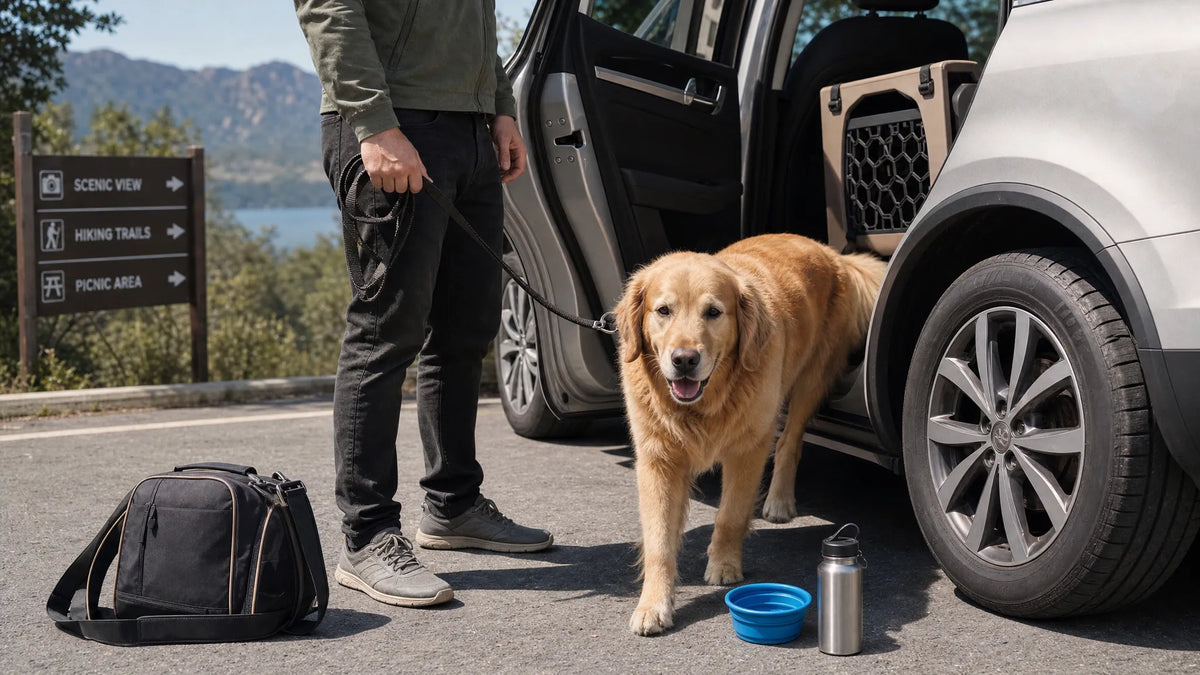
How to Travel With a Dog Without Stress
Traveling with your dog can be one of the best parts of pet ownership. It can also become chaotic fast if you discover, halfway to your destination, that you forgot vaccination records, your dog gets carsick, or the hotel does not allow pets over a certain weight.
The good news is that most dog travel stress is preventable. A calm trip starts long before you leave the driveway, with the right planning, realistic expectations, and a setup that helps your dog feel secure in unfamiliar places.
This guide walks you through how to travel with a dog without stress, whether you are planning a road trip, a hotel stay, a flight, or a weekend away.
Start With Your Dog’s Travel Readiness
Before you book anything, ask one honest question: is this trip actually good for your dog?
Some dogs love adventure. Others are anxious in cars, sensitive to noise, reactive around strangers, or medically fragile. Puppies, senior dogs, flat-faced breeds, and dogs with chronic health issues may need extra precautions. If your dog has never traveled before, start with short practice trips rather than making their first experience a long journey.
A pre-travel vet check is especially important if you are flying, crossing state or country borders, traveling with a senior dog, or using any calming supplement or medication. The American Veterinary Medical Association recommends talking with your veterinarian before travel to confirm health requirements and reduce risk.
During that visit, ask about:
- Whether your dog is healthy enough for the trip
- Vaccination and parasite prevention needs
- Motion sickness or anxiety options
- Health certificates, if required
- Microchip registration and ID tag updates
If your dog becomes extremely distressed during short car rides or in busy places, boarding with a trusted sitter may be kinder than forcing them through a stressful trip.
Make a Dog Travel Checklist Before You Pack
A simple checklist is one of the easiest ways to make dog travel feel manageable. Pack your dog’s items separately from your own so you can grab them quickly at rest stops, hotels, or security checkpoints.
Here is a practical dog travel packing list:
| Category | What to Pack | Why It Matters |
|---|---|---|
| Identification | Collar ID tag, microchip info, recent photo | Helps reunite you quickly if your dog gets lost |
| Documents | Vaccination records, health certificate if needed, medication list | Required for some hotels, airlines, borders, and emergencies |
| Food and water | Usual food, treats, collapsible bowls, bottled water | Prevents stomach upset and keeps routines consistent |
| Comfort | Familiar blanket, bed, toy, chew | Reduces anxiety in new environments |
| Safety | Leash, harness, carrier or crate, seat restraint | Keeps your dog secure while moving |
| Cleanup | Waste bags, wipes, towel, stain remover | Helps you handle accidents politely and quickly |
| Health | Medications, flea and tick prevention, first aid basics | Keeps minor issues from becoming major problems |
Do not wait until the night before to buy essentials. If you are still building your travel kit, Talis Us has a helpful Dog Shopping Guide that covers everyday items like collars, leashes, beds, bowls, toys, treats, and grooming supplies.
Keep Your Dog’s Routine as Normal as Possible
Dogs feel safer when they can predict what happens next. Travel disrupts their usual schedule, so keep the most important parts consistent.
Feed your dog the same food they eat at home, ideally at roughly the same times. Avoid introducing rich treats, new chews, or unfamiliar wet food right before travel, since digestive upset is the last thing you want on the road or in a hotel room.
Exercise is also key. A dog who has had a calm walk, sniff time, or play session before departure is more likely to rest during the trip. Avoid exhausting your dog to the point of overheating or overstimulation. The goal is relaxed, not frantic.
If your dog uses a crate, travel carrier, blanket, or bed at home, bring it along. Familiar smells can be more comforting than any new travel gadget.
How to Travel With a Dog by Car
Car travel is usually the easiest option because you control the schedule. It also allows you to stop when your dog needs a break, which can make the trip much less stressful.
The most important rule is safety. Your dog should not ride loose in the car. A loose dog can distract the driver, jump out when a door opens, or be injured during sudden braking. Use a crash-tested crate, carrier, or dog seat belt harness that fits your dog properly.
Plan breaks every two to four hours, depending on your dog’s age, bladder control, and comfort level. Puppies, seniors, and dogs with medical conditions may need more frequent stops. At each break, offer water, allow a potty break, and give your dog a few minutes to sniff and decompress.
Avoid feeding a large meal right before departure if your dog gets carsick. Many dogs do better with a light meal several hours before travel, but ask your veterinarian for guidance if nausea is a recurring problem.
Never leave your dog alone in a parked car in warm or cold weather. Temperatures inside vehicles can become dangerous quickly, even when outside conditions seem mild. If you are planning summer or winter travel, review seasonal risks like heat, paw protection, hydration, and cold-weather comfort in these seasonal care tips for pets.

How to Travel With a Dog by Plane
Flying with a dog requires more planning than driving, and the rules vary widely by airline, destination, dog size, and carrier type. Always check your airline’s current pet policy before booking, not after.
Most airlines separate dog air travel into two categories: in-cabin travel for small dogs in approved carriers and cargo or checked transport for dogs that cannot fit under the seat. Some airlines restrict certain breeds, temperatures, destinations, or aircraft types.
If you plan to fly, confirm these details early:
- Carrier size and material requirements
- Weight limits for in-cabin pets
- Pet reservation fees and limits per flight
- Health certificate requirements
- Breed or age restrictions
- Layover and temperature rules
For international travel or travel into the United States, rules can be more complex. The CDC’s dog import guidance explains current requirements for dogs entering the U.S., including documentation and rabies-related rules. Requirements can change, so verify them close to your travel date.
For anxious dogs, flights can be overwhelming. Sedation is not always recommended and can be risky, especially during air travel. Speak with your veterinarian before giving any medication or calming product.
Book Dog-Friendly Stays the Smart Way
A hotel or rental that says “pet-friendly” may still have restrictions. Before booking, read the pet policy carefully and contact the property if anything is unclear.
Ask about weight limits, breed restrictions, pet fees, the number of dogs allowed, whether dogs can be left alone in the room, and where potty areas are located. Some hotels provide dog amenities, while others simply allow pets with strict rules.
Once you arrive, help your dog settle before leaving them alone, if the property allows it. Let them sniff the room, set up their bed or crate, offer water, and keep the first hour calm. A white noise app or familiar blanket may help reduce hallway noise stress.
Be courteous to other guests. Keep your dog leashed in common areas, clean up immediately, and prevent barking when possible. A well-managed stay makes pet travel easier for everyone.
Prevent Anxiety Before It Starts
Stress-free dog travel is not about expecting your dog to behave perfectly in every new situation. It is about reducing pressure before your dog reaches their limit.
Watch for early stress signals such as lip licking, yawning, pacing, whining, panting when not hot, trembling, refusal of treats, or trying to hide. If you notice these signs, pause and lower the intensity of the moment.
A few simple habits can prevent many travel meltdowns:
- Practice with the carrier, crate, or harness before the trip
- Bring familiar bedding and a favorite toy
- Use calm praise instead of constant excitement
- Avoid crowded rest stops when possible
- Give your dog sniff breaks, not just potty breaks
- Keep departures and arrivals low-key
Mental enrichment can also help, especially during downtime at hotels or rentals. A compact puzzle toy or treat-dispensing toy gives your dog something productive to do. If your dog enjoys problem-solving, explore ideas from Talis Us on puzzle games for dogs before choosing a travel-friendly option.
Food, Treats, and Hydration on the Go
Digestive problems are one of the most common travel frustrations for dog owners. To reduce the risk, keep food simple and familiar.
Pre-portion your dog’s meals into sealed bags or containers so you do not have to measure food in a moving car or cramped hotel room. Bring extra food in case of delays. If your dog eats refrigerated or raw food, plan safe storage in advance and ask your vet about travel alternatives if needed.
Treats are useful for rewarding calm behavior, but choose small, familiar options that will not upset your dog’s stomach. Save rich chews or long-lasting snacks for times when your dog is settled, supervised, and relaxed.
Hydration matters, especially during warm-weather travel, hikes, beach days, or long car rides. Bring a travel bowl and offer water regularly. Some dogs refuse unfamiliar tap water, so carrying water from home or using bottled water can help during short trips.
Plan for Emergencies Without Overthinking
You do not need to pack like you are moving across the country for a weekend trip, but you should be ready for common problems.
Save your veterinarian’s phone number, your dog’s microchip number, and the contact information for an emergency vet near your destination. Keep a recent photo of your dog on your phone. If your dog slips out of a collar or gets lost in an unfamiliar area, that photo can be invaluable.
A basic dog travel first aid kit may include gauze, pet-safe antiseptic wipes, tweezers, a digital thermometer, any prescribed medications, and copies of medical records. Do not give human medications unless your veterinarian specifically instructs you to do so.
It is also smart to check local hazards before you go. Different regions may have ticks, foxtails, toxic plants, extreme heat, icy sidewalks, or wildlife risks your dog does not encounter at home.
A Simple Timeline for Stress-Free Dog Travel
Planning becomes easier when you spread tasks out instead of trying to do everything at once.
| When | What to Do |
|---|---|
| 4 to 8 weeks before | Check destination rules, airline or hotel policies, and vet requirements |
| 2 to 4 weeks before | Practice carrier or car rides, update ID tags, confirm microchip details |
| 1 week before | Pack food, documents, medications, bowls, leash, harness, and comfort items |
| 24 hours before | Exercise your dog, charge devices, confirm bookings, prepare water and meals |
| Travel day | Keep the mood calm, allow extra time, offer breaks, and follow your dog’s cues |
The more predictable you make the process, the easier it is for your dog to stay calm.
Frequently Asked Questions
What is the best way to travel with a dog for the first time? Start small. Take short car rides to pleasant places, practice using a carrier or harness, and reward calm behavior. For a first major trip, choose a dog-friendly destination with a flexible schedule.
How often should I stop when driving with my dog? Many adult dogs do well with breaks every two to four hours, but puppies, seniors, and dogs with medical needs may need stops more often. Offer water and a potty break at each stop.
Can I give my dog calming medication before travel? Only give calming medication or supplements after speaking with your veterinarian. Some products may not be safe for every dog, and sedation can be risky in certain travel situations, especially flights.
What should I do if my dog gets carsick? Avoid large meals right before travel, keep the car well ventilated, drive smoothly, and take breaks. If carsickness happens often, ask your veterinarian about safe anti-nausea options.
Do dogs need health certificates to travel? It depends on your destination and mode of travel. Airlines, some states, and international destinations may require health certificates or vaccination records. Always check current rules before your trip.
Pack Smart, Travel Calm
Learning how to travel with a dog without stress comes down to preparation, patience, and choosing supplies that make your dog feel safe. Keep routines familiar, secure your dog properly, plan breaks, and avoid last-minute surprises.
If you are refreshing your dog’s travel setup, you can browse quality pet supplies, food, accessories, and comfort items at Talis Us. A little planning before you leave can turn your next trip into a calmer, happier adventure for both of you.

Written by Talis Us


Leave a comment
This site is protected by hCaptcha and the hCaptcha Privacy Policy and Terms of Service apply.