



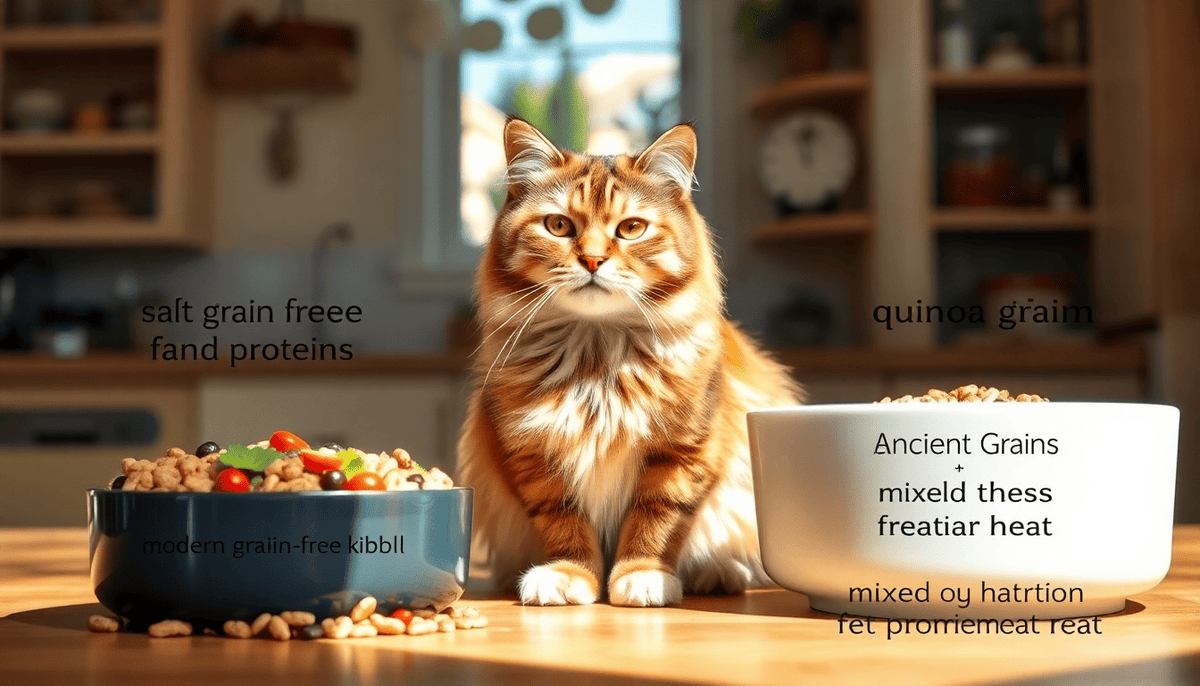
Grain-Free vs. Ancient Grains: Which Cat Food Is Right for Your Feline?
Hey there, cat parents! If you've ever stood in front of the pet food aisle at Talis US and felt completely overwhelmed by the options, you're not alone. The world of cat nutrition has become increasingly complex, with debates raging about grain-free diets versus ancient grain formulas. So what's a devoted cat owner to do? Let's dive deep into this meaty topic and figure out what's actually best for your furry little friend.
Understanding Your Cat's Nutritional Needs
Before we can even begin to compare grain-free and ancient grain cat foods, we need to understand what cats actually need to thrive. This is crucial because a lot of marketing hype in the pet food industry doesn't necessarily align with feline biology.
Cats are obligate carnivores, which means they're designed by nature to eat meat. Unlike dogs, who are omnivores and can thrive on a variety of foods, cats have specific nutritional requirements that are best met through animal proteins. Their digestive systems are optimized for processing meat, and they require certain amino acids like taurine that are primarily found in animal sources.
The key nutrients your cat needs include:
Protein
Cats need high-quality protein to maintain muscle mass, support their immune system, and keep their organs functioning properly. A good cat food should contain at least 26% protein for adult cats, though many experts recommend even higher percentages. The source of protein matters too – animal-based proteins are more bioavailable and complete than plant-based alternatives.
Taurine
This is non-negotiable. Taurine is an amino acid that cats cannot synthesize on their own, so they must get it from their diet. A deficiency in taurine can lead to serious health issues, including dilated cardiomyopathy, a heart condition that can be fatal. All quality cat foods, whether grain-free or grain-inclusive, should be supplemented with taurine.
Fat
Cats need fat for energy and to absorb fat-soluble vitamins. The ideal fat content in cat food is around 9-15% for adult cats. Fats also contribute to healthy skin and coat, which is something every cat owner wants to see.
Vitamins and Minerals
Cats need a balanced array of vitamins and minerals, including calcium, phosphorus, magnesium, and various B vitamins. The ratio of these nutrients is important, particularly the calcium to phosphorus ratio, which should be around 1.2:1.
Moisture
While not a nutrient per se, moisture content is incredibly important for cats. Cats have a relatively low thirst drive compared to other animals, so they rely on getting moisture from their food. This is one reason why wet food is often recommended for cats.
What Are Grain-Free Cat Foods?
Grain-free cat foods are formulated without any grains like wheat, corn, barley, or oats. Instead, they typically use alternative carbohydrate sources such as potatoes, sweet potatoes, peas, lentils, or chickpeas. The grain-free movement gained significant traction in the pet food industry over the past couple of decades, driven by marketing claims that grains are unnatural for cats and can cause allergies or digestive issues.
The Appeal of Grain-Free Diets
The marketing behind grain-free cat foods is pretty compelling. Companies argue that since cats are carnivores and wouldn't eat grains in the wild, they shouldn't eat them in captivity. This sounds logical on the surface, and it's resonated with many pet owners who want to feed their cats a diet that mimics what they'd eat in nature.
Additionally, grain-free formulas often promise benefits like improved digestion, shinier coats, smaller stools, and better weight management. Some manufacturers also claim that grain-free diets can help prevent or manage allergies and sensitivities.
The Controversy
However, grain-free cat foods have become increasingly controversial, particularly after the FDA began investigating a potential link between grain-free dog foods and dilated cardiomyopathy (DCM). While the research is still ongoing and the connection isn't entirely clear, it raised concerns about the safety of grain-free diets in general.
The theory is that grain-free foods often contain high levels of legumes and potatoes, which may interfere with the absorption of taurine or other essential nutrients. Some researchers suggest that the high carbohydrate content in many grain-free foods (which often rely heavily on peas and potatoes) might not be ideal for obligate carnivores.
What Are Ancient Grain Cat Foods?
Ancient grain cat foods include grains like quinoa, amaranth, millet, and sometimes brown rice or oats. These are considered "ancient" because they've been cultivated for thousands of years and are less processed than modern grains like corn and wheat.
The Appeal of Ancient Grains
Ancient grain formulas appeal to cat owners who want to avoid the potential risks associated with grain-free diets while still providing a more natural diet than foods containing corn or wheat. Ancient grains are often touted as being more digestible and nutritious than modern grains, with higher protein content and a better amino acid profile.
Proponents of ancient grain cat foods argue that these grains are less likely to cause allergies or sensitivities compared to corn or wheat. They also point out that ancient grains provide beneficial fiber, which can support digestive health.
The Reality Check
While ancient grains are generally considered a step up from corn and wheat, it's important to remember that cats are still obligate carnivores. Even the best ancient grain cat food should be primarily meat-based, with grains playing only a supporting role. The presence of ancient grains doesn't automatically make a food better for your cat – it's all about the overall formulation and nutritional balance.
Comparing Nutritional Profiles
When you're standing in front of those shelves at Talis US, trying to decide between grain-free and ancient grain options, the best approach is to look at the actual nutritional content rather than relying on marketing claims.
Protein Content
Both grain-free and ancient grain cat foods can have high protein content, but they achieve this in different ways. Grain-free foods often rely more heavily on meat and fish meals to reach their protein targets, while ancient grain foods might include a mix of meat and plant-based proteins. For your cat's health, you want to see high-quality animal proteins listed as the primary ingredients.
Carbohydrate Content
Here's where things get interesting. Many grain-free cat foods actually have higher carbohydrate content than grain-inclusive foods because they rely on potatoes, peas, and lentils as their primary carbohydrate sources. Ironically, some grain-free foods can be higher in carbs than foods containing traditional grains.
Ancient grain foods typically have moderate carbohydrate content, and the carbs come from whole grains rather than processed legumes. For a cat, moderate carbohydrate content is generally preferable to high carbohydrate content, regardless of the source.
Ingredient Quality
This is where you really need to pay attention. Look for foods where the first few ingredients are named meat sources (like chicken, turkey, fish, or beef) rather than meat by-products or meals. Both grain-free and ancient grain foods can have high-quality ingredients, but you need to read the labels carefully.
Digestibility
While some grain-free foods claim superior digestibility, the research doesn't necessarily support this. Many cats digest ancient grains just fine, and some cats actually do better with a small amount of grain in their diet. The key is finding what works for your individual cat.
Potential Health Concerns
Let's talk about the elephant in the room – health concerns associated with different types of cat food.
Grain-Free and Heart Health
The potential link between grain-free diets and dilated cardiomyopathy has been a major concern since the FDA began investigating in 2018. While the research is still ongoing and no definitive causal relationship has been established, the concern centers around the high legume and potato content in many grain-free foods.
Some researchers hypothesize that high levels of legumes and potatoes might interfere with taurine absorption or metabolism, potentially leading to taurine deficiency even if the food is supplemented with taurine. However, it's important to note that this is still a theory, and many cats eat grain-free foods without developing heart problems.
If you're concerned about this potential risk, you might want to consider foods that are grain-free but lower in legumes and potatoes, or you might opt for an ancient grain formula instead.
Allergies and Sensitivities
One of the biggest claims made by grain-free food manufacturers is that their products are better for cats with allergies or sensitivities. However, true grain allergies in cats are actually quite rare. Most feline allergies are triggered by protein sources like chicken or fish, not by grains.
That said, some cats do seem to have sensitivities to corn or wheat specifically. If your cat has a documented sensitivity to these grains, then choosing a food without them makes sense. However, this doesn't necessarily mean you need to go grain-free – you could simply choose a food with ancient grains or other grain options instead.
Digestive Issues
Some cats do seem to have better digestion on grain-free diets, while others do better with grains included. This is highly individual and depends on your cat's unique digestive system. If your cat has chronic digestive issues, it might be worth trying different formulations to see what works best, but there's no universal answer.
Reading Cat Food Labels Like a Pro
Now that you understand the basics, let's talk about how to actually evaluate cat food labels so you can make informed decisions at Talis US or anywhere else.
The Ingredient List
The ingredient list is listed by weight, so the first few ingredients are the most significant. Ideally, you want to see named meat sources like chicken, turkey, fish, or beef as the first ingredients. Avoid foods where the first ingredients are corn, wheat, or meat by-products.
Look for foods that list multiple meat sources, as this provides a more complete amino acid profile. For example, a food with chicken, fish, and beef will provide a broader range of nutrients than a food with just one meat source.
The Guaranteed Analysis
The guaranteed analysis tells you the minimum percentages of crude protein and crude fat, and the maximum percentages of crude fiber and moisture. For adult cats, look for:
- Protein: At least 26%, ideally 30% or higher
- Fat: 9-15%
- Fiber: Less than 5%
- Moisture: 10% or less for dry food, 70-80% for wet food
AAFCO Certification
Make sure the food is certified by the Association of American Feed Control Officials (AAFCO). This certification means the food meets minimum nutritional standards for cats. Look for a statement that says the food is "complete and balanced" for adult cats.
Named vs. Unnamed Ingredients
Avoid foods with vague ingredients like "meat meal" or "animal by-products." Instead, look for named sources like "chicken meal" or "fish meal." This tells you exactly what your cat is eating.
Special Considerations for Different Life Stages
Your cat's nutritional needs change throughout their life, so the best food for a kitten might not be the best food for a senior cat.
Kittens
Kittens need higher protein and fat content than adult cats to support their rapid growth and development. They also need higher levels of certain nutrients like calcium and phosphorus. Both grain-free and ancient grain foods can be appropriate for kittens, as long as they're formulated specifically for growth and contain adequate levels of all essential nutrients.
Adult Cats
Adult cats (typically ages 1-7) have the most flexibility in their diet. This is the stage where you can experiment to find what works best for your individual cat. Whether you choose grain-free or ancient grain, focus on high-quality ingredients and balanced nutrition.
Senior Cats
Senior cats (typically ages 7 and older) often benefit from foods with slightly lower calories but maintained protein levels to help preserve muscle mass. Some senior cats also benefit from added joint support nutrients like glucosamine. Both grain-free and ancient grain options can work for senior cats, depending on their individual needs.
Making the Transition
If you decide to switch your cat's food, whether from grain-free to ancient grain or vice versa, it's important to do it gradually. Cats have sensitive digestive systems, and abrupt food changes can cause vomiting, diarrhea, or other digestive upset.
A good transition plan typically takes 7-10 days:
- Days 1-2: Mix 75% old food with 25% new food
- Days 3-4: Mix 50% old food with 50% new food
- Days 5-6: Mix 25% old food with 75% new food
- Days 7-10: Transition to 100% new food
If your cat experiences digestive upset during the transition, slow it down. Some cats need a longer transition period than others.
Cost Considerations
Let's be real – premium cat food costs more than budget options. Both grain-free and ancient grain foods tend to be pricier than foods containing corn and wheat, but there are quality options at various price points.
When evaluating cost, consider the long-term health benefits. A higher-quality food might cost more upfront, but it could potentially save you money on veterinary bills down the road by preventing health issues. Additionally, higher-quality foods are often more nutrient-dense, so your cat might need to eat less to get the same nutrition.
At Talis US, you'll find a range of options at different price points, so you can find quality food that fits your budget.
Real-World Experiences from Cat Owners
While scientific research is important, it's also valuable to hear from other cat owners about their experiences with different types of food.
Many cat owners report that their cats thrive on grain-free diets with no issues whatsoever. These owners often notice improvements in coat quality, energy levels, and overall health. However, other cat owners have had the opposite experience, with their cats doing better on foods that include grains.
Some cat owners have noticed that their cats have more energy and better digestion on ancient grain foods compared to grain-free options. Others have found that their cats with sensitive stomachs do better on grain-free diets.
The bottom line is that individual cats respond differently to different foods, and what works for one cat might not work for another. This is why it's important to observe your own cat and adjust their diet based on their individual response.
Working with Your Veterinarian
Your veterinarian is an invaluable resource when it comes to choosing the right food for your cat. They know your cat's health history, any existing conditions, and can provide personalized recommendations based on your cat's specific needs.
If your cat has any health concerns, allergies, or sensitivities, definitely consult with your vet before making dietary changes. They might recommend a specific type of food or even a prescription diet formulated for your cat's particular condition.
Additionally, if you're concerned about the potential risks of grain-free diets, your vet can help you evaluate whether this is a concern for your specific cat and recommend alternatives if needed.
The Bottom Line: Which Should You Choose?
After all this information, you're probably wondering which option is actually better for your cat. The honest answer is: it depends on your individual cat.
If your cat is healthy, has no known allergies or sensitivities, and is thriving on their current diet, there's no compelling reason to change. Whether they're eating grain-free or ancient grain food, if they're doing well, stick with it.
If you're looking to switch foods or are concerned about the potential risks of grain-free diets, ancient grain options are a solid middle ground. They provide the benefits of whole grains without relying on processed legumes and potatoes, and they're generally considered a safe choice for most cats.
If your cat has specific health concerns, allergies, or sensitivities, work with your veterinarian to determine the best option. They might recommend grain-free if your cat has a documented grain sensitivity, or they might suggest ancient grains or other options depending on your cat's needs.
Tips for Finding the Right Food at Talis US
When you're shopping at Talis US for cat food, keep these tips in mind:
Read the Labels Carefully
Don't just look at the marketing on the front of the package. Turn it around and read the ingredient list and guaranteed analysis. This is where you'll find the real information about what you're feeding your cat.
Compare Multiple Options
Take time to compare several different foods. Look at the ingredient quality, nutritional content, and price. You might be surprised at how much variation there is between different brands and formulations.
Consider Your Cat's Individual Needs
Think about your cat's age, activity level, health status, and any known sensitivities or preferences. The best food for your cat is one that meets their specific needs and that they actually enjoy eating.
Don't Fall for Marketing Hype
Just because a food is labeled "grain-free" or "ancient grain" doesn't automatically make it better. Focus on the actual nutritional content and ingredient quality rather than marketing claims.
Start with a Small Bag
If you're trying a new food, start with a smaller bag rather than buying in bulk. This way, if your cat doesn't like it or has a negative reaction, you won't have wasted a lot of money.
Monitor Your Cat's Health
After switching to a new

Written by Talis Us


Leave a comment
This site is protected by hCaptcha and the hCaptcha Privacy Policy and Terms of Service apply.