


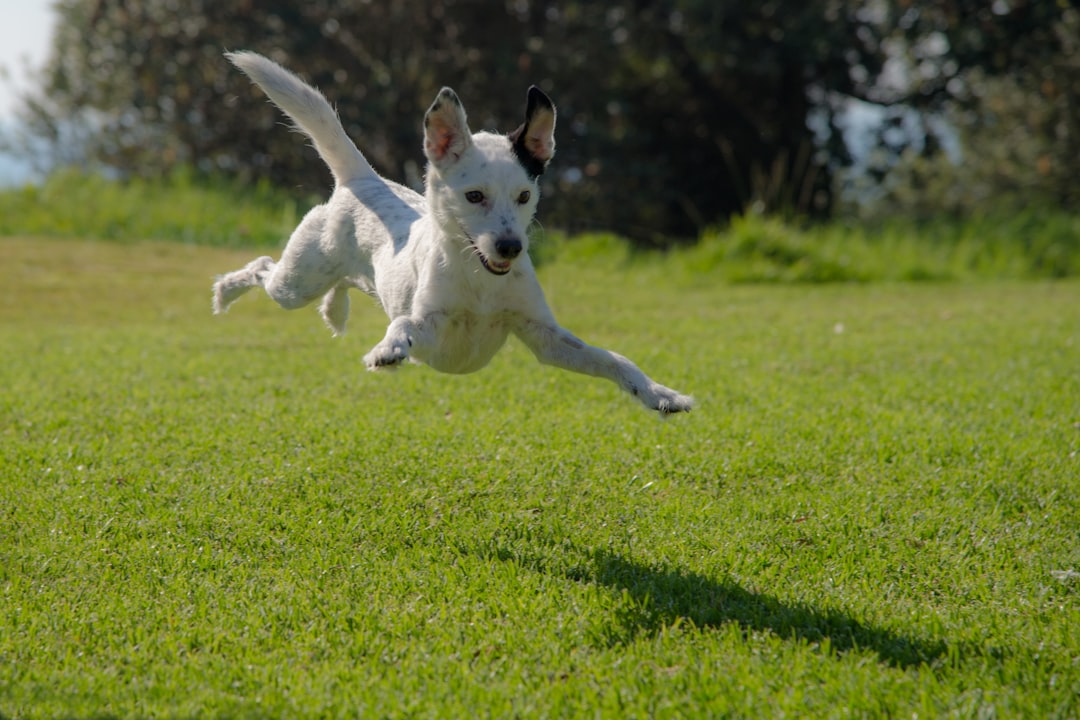
Delicious Soft Dog Treats: The Perfect Choice for Senior Pups
Key Takeaways:
- Introduction
- Understanding Senior Dogs' Nutritional Needs
- Benefits of Soft Dog Treats
- Key Ingredients to Look For
- Ingredients to Avoid
- Homemade Soft Dog Treat Recipes
- How to Choose Store-Bought Treats
- Integrating Treats into a Balanced Diet
- Monitoring Your Senior Dog's Response
- Conclusion
Delicious Soft Dog Treats: The Perfect Choice for Senior Pups
Understanding the Nutritional Needs of Senior Dogs
As our beloved pets age, their nutritional needs undergo significant changes. Senior dogs often require different levels of nutrients compared to their younger counterparts. Factors such as reduced activity, weight management, and the potential for health issues make it essential to focus on a diet that caters specifically to their needs. Providing healthy dog snacks becomes crucial during this phase to ensure their overall well-being and longevity.
The Importance of Proper Nutrition
Proper nutrition for senior dogs is not merely about fulfilling hunger; it plays a vital role in enhancing their quality of life. In fact, senior dog treats contribute to maintaining energy levels and supporting healthy digestion. Additionally, a balanced diet rich in essential nutrients helps to prevent common age-related ailments such as arthritis, heart disease, and obesity. By incorporating high-quality ingredients into their meals and treats, you can help keep your pup thriving well into their golden years.
Why Choose Soft Dog Treats?
One important factor to consider is the texture of the treats you offer. Soft dog treats are an excellent option for older dogs, especially those who may struggle with dental issues. These soft dog treats provide the necessary nutrition without the discomfort that hard, crunchy options might cause. They are also easier to chew and digest, making them an ideal choice for dogs with sensitive stomachs or those who are experiencing changes in their chewing abilities.
Creating Healthy Homemade Dog Treats
For pet parents who enjoy a hands-on approach to their dog's diet, homemade dog treats are a fantastic option. By preparing treats yourself, you can control the ingredients and ensure they are both nutritious and delicious. Incorporate wholesome ingredients like pumpkin, oats, or peanut butter to create soft treats that your senior dog will love. Not only does this allow you to cater to your dog's unique dietary needs, but it's also an enjoyable way to bond with your furry friend!
Conclusion
In conclusion, prioritizing proper nutrition for senior dogs is essential, and integrating soft treats into their diet can significantly enhance their quality of life. Whether you choose to buy dog treats for elderly dogs or make homemade dog treats, ensuring that your furry companion receives the right kind of nutrition will keep their tails wagging and spirits high. Embrace this wonderful phase of life by giving your elderly dog the best care possible!
Understanding Senior Dogs' Nutritional Needs
As dogs transition into their senior years, their nutritional needs evolve significantly. Understanding these changes is crucial for pet owners who want to ensure their furry companions remain happy and healthy. Just like humans, as dogs age, they face a reduced metabolism and various health considerations that necessitate a tailored approach to their diet.
Metabolism Changes in Senior Dogs
Older dogs often experience a decline in metabolism, which can lead them to gain weight more easily. It's essential for dog owners to recognize that their pets may no longer require the same caloric intake they did in their younger years. Instead, opt for specially formulated senior dog treats that are lower in calories yet still packed with essential nutrients. These treats can help manage their weight, ensuring they stay active without the risk of obesity.
Specific Health Considerations
With age comes an increased risk of health issues, such as joint problems, digestive problems, and decreased immune function. It’s vital to incorporate healthy dog snacks into their diet, which can aid in alleviating some of these concerns. For example, treats enriched with glucosamine can benefit joint health. Furthermore, senior dogs often have sensitive digestive systems, making homemade dog treats a fantastic option to ensure they are receiving high-quality, digestible ingredients.
“Nutrition plays an essential role in the health of senior dogs. Every bite counts towards maintaining their vitality in their golden years.”
The Importance of Hydration
Maintaining proper hydration is another crucial aspect for senior dogs. As pets age, they may not feel as thirsty as they once did, which can lead to dehydration. Be sure to complement their diet with soft dog treats that have high moisture content or provide treats alongside fresh water. This way, you help them stay hydrated, which is vital for overall health, especially for dogs experiencing kidney issues or urinary incontinence.
Choosing The Right Dog Treats for Elderly Dogs
When selecting dog treats for elderly dogs, owners should prioritize quality over quantity. Be on the lookout for treats specifically designed for seniors, featuring natural ingredients packed with essential vitamins and minerals. Avoid those that contain artificial additives, as seniors can be sensitive to these substances. Provide a variety of textures and flavors to keep their interest piqued and encourage them to stay active and engaged.
Benefits of Soft Dog Treats
Easier Digestion
As dogs age, their digestive systems can become more sensitive, making it crucial to offer senior dog treats that are gentle on the gut. Soft dog treats provide a significant advantage in this area. Their texture allows for easier chewing and swallowing, reducing the strain on older dogs' teeth and jaws. Additionally, many soft treats are formulated with high-quality ingredients that promote healthy digestion, such as homemade dog treats made from real meats, grains, and vegetables. These ingredients help ensure that your elderly pup receives the necessary nutrients without discomfort.
Enhanced Palatability
When it comes to maintaining a healthy diet for your senior dog, palatability is key. Older dogs may experience changes in taste or a decrease in appetite, making it essential to choose healthy dog snacks that are appealing. Soft dog treats are often more flavorful and aromatic than their hard counterparts, enticing your loved one to snack more often. Their pleasurable taste can encourage hesitant eaters to indulge, ensuring they maintain caloric intake and necessary nutrients critical for senior pet health.
Support for Dental Health
While some may assume that only crunchy treats contribute to dental health, soft treats can also play a role in maintaining your dog's oral hygiene. Many soft dog treats are devised with ingredients that aid in combating plaque buildup and freshening breath. By providing effective dental support, these treats can help prevent oral health issues that are common among senior dogs. Offering dog treats for elderly dogs that focus on dental wellness will ensure your pet enjoys their snack time while also caring for their teeth.
Key Ingredients to Look For
When selecting the perfect soft dog treats for your senior pup, it’s crucial to focus on the ingredients that can provide optimal health benefits. Senior dogs, much like older humans, require special nutritional considerations. Here we’ll explore the essential elements that should be included, emphasizing natural sources of protein, vitamins, and minerals.
Natural Protein Sources
The first step in choosing senior dog treats is to look for high-quality protein sources. Natural proteins, such as chicken, turkey, or fish, are easier for older dogs to digest. These proteins not only support muscle maintenance but also enhance overall energy levels. A treat rich in protein can help keep your elderly dog active and healthy. As expert veterinarian Dr. Sarah Johnson notes,
“Protein is the cornerstone of a balanced diet for senior dogs, contributing not only to their muscle health but also to their overall vitality.”
Essential Vitamins
In addition to natural protein, ensuring that soft dog treats are fortified with essential vitamins is vital. Vitamins A, C, and E are particularly beneficial for older dogs, as they help to bolster the immune system and improve skin and coat health. Ingredients such as carrots and spinach are excellent natural sources of these vitamins. Providing healthy dog snacks that are loaded with these nutrients can make a notable difference in your dog’s quality of life.
Minerals for Bone and Joint Health
Another key consideration in soft treats for elderly dogs is the inclusion of essential minerals, especially calcium and phosphorus. These minerals play a significant role in maintaining strong bones and healthy joints. Treats that use ingredients like sweet potatoes or meats enhanced with bone meal offer fantastic sources of these nutrients. As quoted from pet nutritionist Maria Gomez,
“A well-balanced mix of minerals is essential for senior dogs to prevent bone-related issues as they age.”
Homemade Options for Tailored Nutrition
If you prefer more control over what goes into your dog's treats, consider making homemade dog treats. This approach allows you to customize ingredients to meet your senior dog’s unique health needs. Using ingredients like oats, peanut butter, and even herbs such as ginger can enhance mobility and digestive health. Remember, the key is to maintain simplicity while ensuring that the treats are soft and enjoyable for your beloved pup.
In summary, when choosing dog treats for elderly dogs, always prioritize natural sources of protein, vital vitamins, and essential minerals. Armed with this knowledge, you'll be able to select treats that not only delight your furry friend but also contribute to their overall health and well-being.
Ingredients to Avoid for Senior Dog Treats
When selecting the best soft dog treats for your senior pup, it's essential to scrutinize the ingredients list carefully. Many commercially available treats contain harmful additives that can adversely affect your elderly dog's health. Here, we break down the key ingredients to avoid ensuring you choose only the healthiest and safest options for your furry friend.
Artificial Preservatives
Many dog treats contain artificial preservatives to extend their shelf life, but these can pose significant risks to senior dogs. Preservatives like BHA (butylated hydroxyanisole), BHT (butylated hydroxytoluene), and ethoxyquin may lead to various health issues, including:
- Allergic reactions
- Increased cancer risk
- Issues with liver function
Choosing homemade dog treats allows you to control the ingredients, eliminating the risk associated with these harmful additives.
High-Fat Content
Another crucial factor to consider when looking for senior dog treats is the fat content. Older dogs often require a diet lower in fat due to decreased metabolism and potential health concerns, such as obesity. Treats high in fat can lead to:
- Weight gain
- Pancreatitis
- Increased strain on vital organs
Opt for treats made with healthy oils, such as coconut oil or flaxseed oil, in moderation to support your dog's health without overwhelming their system.
Artificial Flavors and Colors
While they may make treats more palatable, artificial flavors and colors have no nutritional value and can be harmful. Expect to see ingredients like:
- Propylene glycol
- Food dyes (like Red 40 or Yellow 5)
- Flavor enhancers
These materials can trigger allergic responses and gastrointestinal issues, which are especially concerning for dog treats for elderly dogs that may already struggle with sensitive stomachs.
Grains and Fillers
While not all grains are harmful, many dog treats contain low-quality fillers that provide little to no nutritional value. Ingredients such as corn, wheat, and soy can lead to allergies and digestive problems in some dogs. Instead, focus on treats with high-quality proteins, fruits, and vegetables as primary ingredients to ensure your dog gets the best healthy dog snacks.
In summary, knowing which ingredients to avoid in senior dog treats can make a significant difference in your pet's health and well-being. Taking the time to read labels and choose wisely will help keep your beloved companion happy and healthy for years to come.
Homemade Soft Dog Treat Recipes
When it comes to pampering your furry friend, nothing beats the love of homemade dog treats. Not only can you ensure the healthiness of the ingredients, but crafting soft treats specifically for your senior dog is a rewarding experience that both you and your pup will cherish. Here, we share a few simple, healthy recipes for soft dog treats that cater to the unique needs of elderly dogs.
Peanut Butter and Banana Delights
This combination is not only delicious but also packed with nutrients. To make these soft dog treats, you will need:
- 1 cup mashed ripe bananas
- 1/2 cup natural peanut butter (ensure it does not contain xylitol)
- 1 1/4 cups whole wheat flour (or oat flour for gluten-sensitive dogs)
- 1/4 cup rolled oats
Instructions: Preheat your oven to 350°F (175°C). In a mixing bowl, combine the mashed bananas and peanut butter until smooth. Gradually add the flour and rolled oats, stirring until a dough forms. Roll the dough into small balls and place them on a baking sheet. Flatten each ball slightly and bake for 10-15 minutes or until golden brown. Allow to cool before serving.
Sweet Potato Chews
Rich in vitamins and fiber, sweet potatoes are an excellent ingredient for senior dog treats. Here’s how to prepare these chewy snacks:
- 2 medium sweet potatoes, peeled and sliced
Instructions: Preheat the oven to 250°F (120°C). Place the sweet potato slices on a parchment-lined baking sheet. Bake for about 3 hours, flipping halfway, until the slices are dry but still slightly flexible. Let them cool and store in an airtight container.
Carrot and Apple Treats
The crisp sweetness of apples paired with the crunchiness of carrots makes these treats both appealing and nutritious! Here's a simple recipe:
- 1 cup grated carrots
- 1 cup applesauce (unsweetened)
- 1/4 cup water
- 1 1/2 cups whole wheat flour
Instructions: In a bowl, mix together the grated carrots, applesauce, and water. Gradually incorporate the whole wheat flour until a dough forms. Roll out the dough to 1/4-inch thickness, cut into desired shapes, and bake at 350°F (175°C) for about 20 minutes until firm and lightly browned. Allow to cool before sharing with your pup!
Nutrient Overview of Ingredients
| Ingredient | Benefits for Senior Dogs |
|---|---|
| Bananas | Rich in potassium and fiber, aiding in digestion. |
| Peanut Butter | Good source of protein and healthy fats, enhancing overall wellness. |
| Sweet Potatoes | High in vitamin A, promoting healthy vision and immune function. |
| Carrots | Low calorie and packed with antioxidants, beneficial for heart health. |
| Apples | Rich in vitamins A and C, great for boosting general health. |
By creating these homemade soft dog treats, you're not only providing your beloved companion with tasty rewards but also focusing on their health and nutritional needs as they age. Experiment with different ingredients while keeping their dietary restrictions in mind, and you'll discover a whole world of delicious possibilities. Don’t forget to share your pup’s favorite recipes in the comments below!
How to Choose Store-Bought Treats
When searching for the best soft dog treats for your furry companion, particularly if they are a senior pup, the choices can be overwhelming. However, selecting the highest quality treats can significantly impact your dog's health and happiness. Here are some essential tips to help you navigate the aisles effectively.
Reading Labels
Understanding the ingredient list is paramount when choosing senior dog treats. You'll want to look for the following:
- Natural Ingredients: Opt for treats that are made with real meat, whole grains, and vegetables. Avoid artificial flavors, colors, and preservatives.
- Protein Source: Ensure that the first ingredient is a specific protein source like chicken, beef, or fish, which are essential for older dogs to maintain muscle mass.
- Grain-Free Options: If your senior dog has specific dietary needs, consider grain-free healthy dog snacks, which can be gentler on their digestive system.
Understanding FDA Standards
Familiarizing yourself with the FDA regulations concerning pet food can empower you as a shopper. Here are key points to keep in mind:
- Regulated Ingredients: Ensure that the ingredients used comply with FDA guidelines for pet food safety. Look for brands that take pride in transparency regarding their production practices.
- Quality Assurance: Choose brands that have undergone voluntary quality audits and testing, which can provide additional peace of mind about the safety of the treats.
- Recalls and Safety: Check if the brand has had any recalls and how they handle them. Trustworthy brands will communicate any issues transparently.
Portion Control and Caloric Content
As our beloved dogs age, managing their weight becomes increasingly important. When selecting homemade dog treats or store-bought options, look for the caloric content per treat:
- Portion Sizes: Choose treats that come in smaller sizes, which are easier for senior dogs to chew.
- Caloric Count: Aim for treats that do not exceed 10% of your dog's daily caloric intake to maintain a healthy weight.
By diligently reading labels, understanding FDA standards, and monitoring caloric content, you can ensure your senior dog enjoys delicious soft dog treats that support their overall health. Prioritizing quality now means more wagging tails in the future!
Integrating Treats into a Balanced Diet
For caregivers of senior dogs, finding the right balance in their diets can be a challenge, especially when considering soft dog treats as an option. These treats can be a delightful addition, but it’s essential to ensure they don’t compromise the overall nutrition of our beloved pups. Here’s how you can effectively incorporate soft treats into a senior dog's diet while maintaining their health and dietary needs.
Evaluating Nutritional Needs
The first step in integrating dog treats for elderly dogs is understanding their unique nutritional requirements. Older dogs typically need fewer calories, but they may require more specific nutrients like fiber and protein. Consulting with a veterinarian can provide insights tailored to your dog’s specific health conditions and dietary restrictions.
Portion Control is Key
When adding healthy dog snacks like soft treats into their diet, portion control is crucial. Ensure that the treats do not exceed 10% of their total daily caloric intake. For instance, if your senior dog requires 500 calories per day, then treats should account for no more than 50 calories.
| Daily Caloric Needs | Treats Allowed (10% Rule) |
|---|---|
| 400 calories | 40 calories |
| 500 calories | 50 calories |
| 600 calories | 60 calories |
Choosing the Right Soft Treats
Selecting senior dog treats made from high-quality, natural ingredients is essential. Look for options that are low in calories and rich in nutrients, avoiding those with excessive fillers or artificial additives. Homemade dog treats can be an excellent alternative, allowing you to control ingredients and customize flavors to suit your dog's preferences while ensuring a healthy balance.
Timing and Context for Treats
Consider incorporating treats as part of your senior dog's routine. Offering soft treats during training sessions or as a reward for good behavior can enhance their mental stimulation and reinforce positive habits. Additionally, using treats as a form of medication delivery can make administering pills easier and more pleasant for your dog.
Monitoring Health After Integration
Lastly, always monitor your dog's health after introducing new soft dog treats into their diet. Watch for any changes in behavior, weight, or digestive issues that may arise. Regular check-ups with your vet will help ensure that the incorporation of treats remains beneficial and aligned with your dog's overall health plan.
By carefully incorporating soft treats into a balanced diet, you can enrich your senior dog's life while maintaining their nutritional health. The joy that comes from giving them a tasty reward makes the effort worthwhile, forging a deeper bond between you and your furry companion.
Monitoring Your Senior Dog's Response
Understanding Your Dog's Preferences
When introducing soft dog treats to your senior pup, it’s essential to observe their preferences closely. Every dog is unique, and your elder canine may have specific tastes and texture preferences when it comes to dog treats for elderly dogs. Watch their body language closely; signs of enthusiasm include tail wagging and eager sniffing. If your dog hesitates or turns away, it may be best to try another flavor or brand. Engaging your dog in this way ensures they enjoy their healthy dog snacks, enhancing their overall wellness.
Assessing Digestion and Overall Well-Being
Once you have chosen suitable senior dog treats, it’s important to monitor your dog’s digestive reactions. After introducing a new treat, watch for signs of distress such as vomiting, diarrhea, or unusual lethargy. These symptoms may indicate that the treat does not agree with your dog’s digestive system. It's advisable to start with a small quantity of any new treat to see how your pup reacts. If you notice adverse reactions persist, consider opting for homemade dog treats, where you have full control over the ingredients.
Behavioral Changes to Note
Changes in your pet's behavior can be indicative of how the new treats are affecting them. A pup that seems less energetic or reluctant to engage in their usual activities may be experiencing discomfort. If you observe any shifts in their activity levels or mood after introducing soft dog treats, it could be a signal to investigate further. Regular monitoring not only ensures your dog’s happiness but also identifies potential health issues early on.
When to Consult Your Veterinarian
If you notice any persistent negative reactions, such as excessive drooling, unwillingness to eat, or prolonged gastrointestinal disturbances, it’s crucial to seek veterinary advice promptly. Your veterinarian is your best resource for making nutritional decisions for your senior dog. They can help you identify which ingredients in senior dog treats might be unsuitable and suggest alternative options that cater specifically to your dog’s dietary needs.
The Importance of Tailored Nutrition
As our beloved pets age, their nutritional needs evolve, making careful monitoring and selection of treats even more important. Being aware of what works best for your dog and consulting professionals when needed ensures they receive the healthiest food options. Explore various options for healthy dog snacks, focusing on those that enhance their well-being without compromising flavor. Ultimately, the right choice of treats can promote a happier, healthier life for your furry companion.
Conclusion: Elevating Senior Dogs' Lives with Soft Dog Treats
As we wrap up our exploration of soft dog treats, it’s clear that these delightful snacks play a crucial role in enhancing the well-being of our beloved senior pups. The right treats can not only satisfy their taste buds but also cater to their health requirements, making each moment a joyous experience.
Nutritional Benefits for Elders
One of the primary takeaways from our discussion is the importance of choosing healthy dog snacks that are specifically formulated for elderly dogs. Senior dogs often face health challenges that demand a thoughtful approach to their diet. Selecting treats that are rich in essential nutrients and low in artificial additives can contribute significantly to maintaining their vitality. Ingredients like oatmeal, sweet potatoes, and pumpkin are not only soft and digestible but also packed with vitamins that support their immune system and overall health.
Appropriate Chewing Texture
The texture of the treats is equally vital. Soft dog treats are a perfect solution for senior dogs that may struggle with harder snacks due to dental issues or age-related sensitivity. The ability to chew and digest these treats easily can make a significant difference in their enjoyment and willingness to engage during treat time.
Homemade Options for Added Care
For pet owners looking to take it a step farther, creating homemade dog treats is a wonderful way to ensure that your senior dog's dietary needs are met with love and care. By controlling the ingredients, you can customize treats to avoid allergens and incorporate health-boosting components. Simple recipes using healthy ingredients can provide both satisfaction and peace of mind regarding what your pup is munching on.
Enhancing Everyday Life
Ultimately, the right selection of dog treats for elderly dogs can significantly enhance their quality of life. By choosing wisely, pet owners can help create happy experiences that promote bonding and joy. Soft treats can be more than just snacks; they can be an integral part of a rewarding routine that encourages love, care, and a maintained sense of adventure for senior dogs.
In conclusion, investing time in selecting the right soft dog treats can lead to happier, healthier days for our furry companions. With informed choices, you can ensure that your senior pup enjoys the golden years of their life with the delicious, nutritious snacks they deserve.
FAQs
What are soft dog treats?Soft dog treats are chewable snacks designed for dogs that are easy on their teeth and gums. They are ideal for puppies and older dogs, providing a rewarding treat without the risk of dental complications.
Are senior dog treats different from regular dog treats?Yes, senior dog treats are specifically formulated to meet the nutritional needs of aging dogs. These treats are often lower in calories and tailored with added vitamins and minerals to support joint health and overall wellbeing.
How can I choose healthy dog snacks for my pet?When selecting healthy dog snacks, look for products with natural ingredients, minimal preservatives, and high protein content. Always check the nutritional information to ensure they align with your dog's dietary needs.
Can I make my own homemade dog treats?Absolutely! Making homemade dog treats can be a fun and healthy way to treat your dog. Simple recipes often include ingredients like oats, peanut butter, and pumpkin, ensuring that your furry friend receives quality nutrition.
What are the best dog treats for elderly dogs?The best dog treats for elderly dogs are those that are soft, easy to chew, and nutritionally balanced. Look for treats that support joint health, digestion, and overall vitality to enhance the quality of life for your senior pet.

Written by Talis Us


Leave a comment
This site is protected by hCaptcha and the hCaptcha Privacy Policy and Terms of Service apply.