


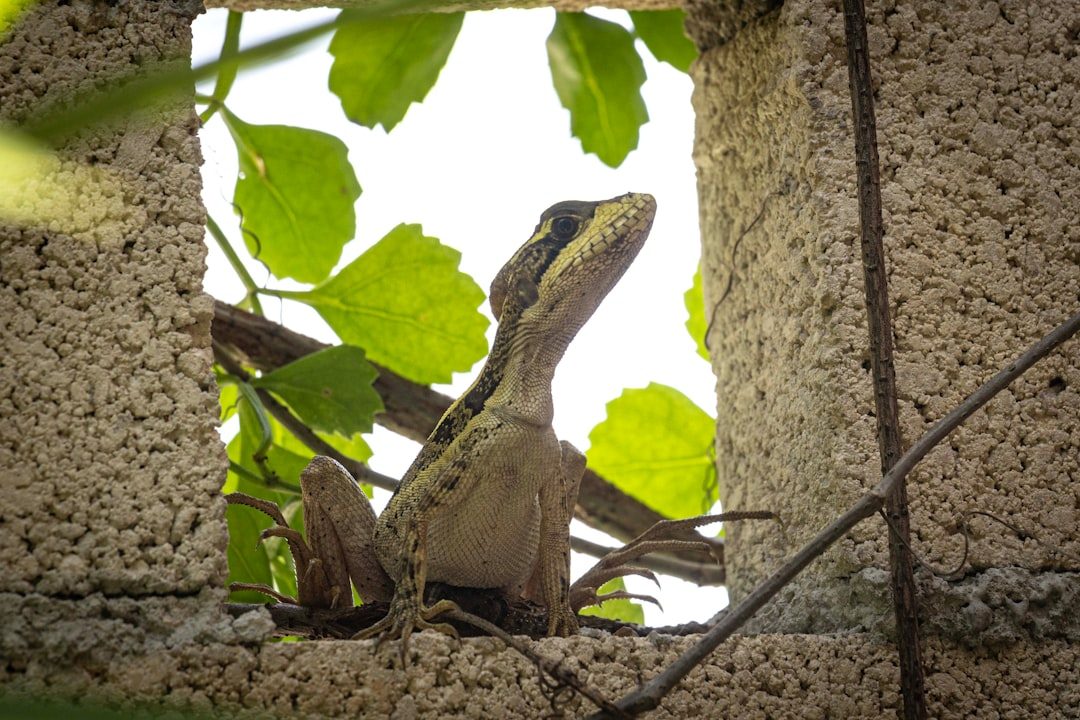
Creating the Perfect Enclosure for Lizards
Creating the Perfect Enclosure for Lizards
Creating the perfect enclosure for a pet lizard is an exciting journey. It requires careful planning and attention to detail. A well-designed habitat can significantly enhance your lizard's quality of life.
Understanding your lizard's specific needs is crucial. Different species have unique requirements. These include temperature, humidity, and space.
A terrarium for lizards should mimic their natural environment. This helps them feel secure and promotes natural behaviors. Choosing the right size and type of enclosure is essential.
Lizard tank accessories play a vital role in creating a stimulating environment. These can include hiding spots, climbing structures, and basking areas. Each accessory serves a purpose in your lizard's daily life.
Proper heating and lighting are critical for your lizard's health. They help regulate body temperature and support metabolic functions. UVB lighting is particularly important for vitamin D3 synthesis.
Maintaining the right humidity and ventilation is also important. It prevents mold growth and ensures good air quality. Regular monitoring is necessary to keep conditions optimal.
Designing an enclosure involves more than just aesthetics. It should be functional and safe. Regular cleaning and maintenance are key to preventing disease.
By following these guidelines, you can create a thriving habitat. Your lizard will enjoy a comfortable and enriching environment.
Understanding Your Lizard’s Needs
Every lizard species has unique needs that must be understood for proper care. Knowing these needs helps in creating a suitable enclosure for a pet lizard.
Researching your lizard species is the first step. This includes their natural habitat, diet, and behavioral traits. Understanding these elements is essential to meet their specific requirements.
Not all lizards need the same temperature and humidity levels. For example, a desert lizard will have different needs than a tropical species. It is crucial to adjust these environmental factors accordingly.
Aside from environmental conditions, the size of the enclosure matters. Lizards require space to move, explore, and exercise. The enclosure should accommodate their growth and specific behavior.
Here are key factors to consider:
- Temperature: Ensure proper heat for metabolism.
- Humidity: Control moisture levels to mimic natural habitat.
- Space: Provide room for movement and growth.
- Diet: Offer a variety of foods to meet nutritional needs.
Recognizing these needs will help prevent stress and illness in your lizard. A well-informed setup lays the foundation for a happy pet.

Keeping an eye on your lizard’s behavior will give you clues about its comfort. Adjust the enclosure to reflect any changes needed in its environment or diet.
Choosing the Right Terrarium for Lizards
Choosing the right terrarium is crucial for your lizard's wellbeing. The terrarium size should match the lizard's size and growth potential.
Glass terrariums are popular for their visibility and easy cleaning. They allow you to monitor your pet closely and ensure a clean environment.
Ventilation is vital in a terrarium for lizards. Proper airflow prevents mold and keeps the air fresh. Ensure the terrarium has adequate vents or mesh panels.
Different lizard species require varied environments. Consider materials that retain heat differently. Glass is excellent for visibility but may not hold heat as well as other materials.
A list of terrarium considerations:
- Size: Ensure the lizard has ample space.
- Material: Choose a material that suits the lizard's needs.
- Ventilation: Opt for designs that prevent humidity buildup.
- Location: Place in a stable environment, away from direct sunlight.
Selecting the proper terrarium helps reduce stress and mimics the lizard’s natural habitat. The location of the terrarium in your home should also be considered, keeping it away from high traffic areas or potential temperature swings.
Once you’ve chosen the right terrarium, start setting it up with your lizard’s comfort in mind. Monitoring the environment regularly helps ensure it remains conducive to the lizard's health.

Researching and investing in quality terrarium options leads to healthier and happier lizards. This initial effort results in long-term benefits for both you and your pet.
Essential Lizard Tank Accessories
After selecting the right terrarium, the next step is to equip it with essential accessories. These items not only enhance the enclosure's environment but also promote natural behaviors.
Begin with the basics like water dishes. These should be shallow and easy to clean. Regular cleaning helps prevent bacterial buildup and keeps your pet healthy.
Hiding spots are crucial for lizard comfort. Lizards feel secure when they have a place to retreat. Consider natural-looking hides or commercial options suitable for your lizard species.
Climbing structures are beneficial for arboreal species. These structures encourage exercise and activity, simulating natural environments. Use branches or rock formations to create interesting landscapes.
Here's a list of must-have lizard tank accessories:
- Water Dish: Shallow, cleaned regularly.
- Hides: For security and stress reduction.
- Climbing Structures: Rocks and branches for activity.
- Thermometers: Monitor temperatures accurately.
- Calcium Dish: For extra nutrition, if needed.
Adding thermometers and hygrometers is wise. They allow you to keep track of temperature and humidity. This ensures that the terrarium stays within a comfortable range for your lizard.
Lastly, enrich the enclosure further with non-toxic plants. Living plants can help maintain humidity levels and improve the tank's aesthetics.

Choosing the right accessories ensures a balanced environment. Not only does this aid in physical health, but it also supports mental stimulation for your lizard.
Substrate Selection: Creating a Safe and Comfortable Base
Selecting the right substrate is crucial for your lizard's well-being. It acts as the base of their habitat and affects hygiene and behavior.
The substrate must be safe. Avoid using sharp or indigestible materials. These can harm your lizard if ingested or cause injuries.
Different lizards have different substrate needs. Research your lizard species to understand what works best for them. For instance, desert lizards often thrive on sand, while rainforest species might require soil.
Consider the following substrate options:
- Sand: Suitable for desert-dwelling species.
- Soil: Preferred for rainforest species due to its moisture content.
- Reptile Carpet: Easy to clean and safe for most lizards.
- Bark: Provides a natural look and retains moisture.
- Paper Towels: Simplifies cleaning for young or small lizards.

Ensure the substrate is clean and changed regularly. This prevents bacteria buildup and reduces odors. Also, avoid substrates that your lizard can easily swallow, especially if it's known for aggressive feeding habits.
By choosing a comfortable and safe substrate, you contribute to a healthier and more natural environment for your lizard. This will ultimately help reduce stress and mimic their natural habitat effectively.
Heating and Lighting: Mimicking Natural Conditions
Creating the perfect environment for your lizard relies heavily on temperature and lighting. These elements are vital for physiological processes like digestion and metabolism.
Most lizards are ectothermic. This means they rely on external heat sources to regulate their body temperature. Therefore, providing a heat gradient in their enclosure is essential.
A heat gradient allows the lizard to move between warmer and cooler areas. This mimics conditions they would experience in the wild.
Use the following heating equipment:
- Heat Lamps: Create a warm basking area.
- Ceramic Heat Emitters: Offer consistent heat without light.
- Under-Tank Heating Pads: Supply warmth at the base of the terrarium.

Lighting is equally important, particularly UVB lighting. UVB rays help lizards synthesize vitamin D3, crucial for calcium metabolism and bone health. Without it, they can develop health issues.
Ensure lights mimic natural day and night cycles. Use timers to automate the lighting schedule. This reduces stress for the lizard by providing routine and stability.
Place basking lights on one side of the enclosure. This creates a gradient, with one warm end and a cooler end. Always monitor temperatures with thermometers to ensure proper conditions.
Incorporate ambient light to simulate daytime. Supplement this with nighttime bulbs if needed. Consult experts or research your lizard's specific heat and light needs for optimal setup.
Attention to these details will enhance your lizard's health and activity levels. Consequently, this also mirrors the natural environment, promoting overall well-being.
Humidity and Ventilation: Maintaining a Healthy Environment
Humidity plays a crucial role in keeping your lizard healthy. It needs to replicate the lizard's natural habitat. Each species requires different humidity levels to thrive.
To manage humidity, invest in a quality hygrometer. This device measures and monitors the moisture levels in the enclosure. Regular checks ensure the environment stays within the ideal range.
Here are tools to control humidity:
- Misting Systems: Automatically spray water to increase humidity.
- Humidity Trays: Evaporate water to humidify the air.
- Foggers: Create a more tropical, misty environment.

Ventilation is equally important. It prevents mold growth and maintains air quality. Proper airflow can be achieved by ensuring the enclosure has adequate openings.
Many glass terrariums come with built-in ventilation systems. These ensure a fresh exchange of air while retaining necessary heat and humidity levels. Remember, too much ventilation can reduce humidity, so balance is key.
Always tailor the humidity and ventilation needs to your specific lizard. Research is critical to avoid potential health risks. Proper management will create a stable and safe environment for your pet.
Designing the Enclosure: Layout and Enrichment
Creating a dynamic environment is vital for your lizard's well-being. The design should mimic its natural habitat closely. This promotes natural behaviors and reduces stress.
Begin by considering the layout. A diverse setup provides opportunities for exploration and activity. Divide the enclosure into distinct areas for basking, hiding, and feeding.
Enrichment goes beyond basic structure. It includes interactive elements to stimulate your pet. Incorporating various textures and elevations can be both functional and aesthetic.
Essential enrichment items can include:
- Hiding Spots: Caves or tunnels for security.
- Climbing Structures: Branches or ramps for exercise.
- Natural Elements: Rocks and live plants for a realistic feel.
- Decorative Items: Safe items that enhance the visual appeal.

Ensure each item is non-toxic and safe. Overcrowding should be avoided to prevent stress or injury. The goal is a balance between enrichment and open space.
Regularly observe your lizard's interaction with the environment. Make adjustments as necessary to cater to its preferences. An engaging and well-structured enclosure is key to your pet's happiness.
Cleaning and Maintenance Tips
Routine maintenance is crucial for a healthy lizard enclosure. A clean environment prevents disease and promotes well-being. Weekly checks and cleaning schedules are beneficial.
Start with spot cleaning, which should occur daily. Remove uneaten food and waste promptly. This minimizes the risk of bacterial growth and keeps the environment fresh.
Deeper cleaning should happen less frequently. Every four to six weeks, fully disinfect the enclosure. Replace substrates as needed, and wash all accessories thoroughly. Use a reptile-safe cleaner to avoid harmful chemicals.
Maintenance steps include:
- Daily Spot Cleaning: Remove waste and uneaten food.
- Regular Checks: Inspect for wear or hazards.
- Deep Cleaning: Disinfect and refresh the setup monthly.
- Monitor Equipment: Ensure all devices function properly.

Equipment should be checked regularly to ensure proper operation. This includes lighting, heating, and humidity controls. Keeping a maintenance log can help track tasks and ensure nothing is missed.
Consistency in care enhances your lizard's quality of life. A well-maintained enclosure supports overall health and happiness.
Common Mistakes to Avoid
Mistakes in setting up a lizard enclosure can affect your pet's health and happiness. Avoiding common pitfalls ensures a supportive environment.
New owners often overlook the importance of specific conditions. These include temperature gradients, lighting, and appropriate substrates. Neglecting these elements can lead to stress or illness.
Here are some common mistakes to watch out for:
- Inadequate Enclosure Size: Too small can limit movement.
- Improper Temperature or Lighting: Can affect metabolism.
- Lack of Enrichment: No stimuli can lead to boredom.
- Overcrowding with Accessories: Limits space for mobility.
Ensure you're informed about your lizard's specific needs. Taking the time to research and plan your setup will prevent many issues. A well-informed approach is key to creating an optimal habitat.
Frequently Asked Questions About Lizard Enclosures
Choosing the right enclosure involves many considerations. New lizard owners often have numerous questions. Addressing these questions can help in making informed decisions.
One common question is about enclosure size. The size should suit the lizard's species and growth potential. Larger species naturally require more space to thrive.
Lighting and heating also raise inquiries. Many owners want to know the importance of UVB lighting. It helps lizards synthesize vitamin D3, crucial for their bone health.
Here are a few frequently asked questions:
- What is the best substrate for my lizard?
- How often should I clean the enclosure?
- Do lizards need live plants in their tank?
- What are signs that my lizard is stressed?
Each species has unique needs, so understanding specifics is key. Regular research and consultation with experts ensure that lizard habitats meet all requirements. Ultimately, an informed approach leads to a healthier and happier pet.
Conclusion: Enhancing Your Pet Lizard’s Quality of Life
Creating the ideal enclosure for a pet lizard involves careful planning and understanding their specific needs. By considering aspects like size, lighting, temperature, and enrichment, you ensure your lizard thrives in a stimulating environment.
A well-maintained enclosure not only promotes physical health but also reduces stress and encourages natural behaviors. Regularly updating and tailoring the setup as your lizard grows will significantly enhance its quality of life. Dedicating time and effort into crafting the perfect habitat demonstrates commitment to responsible pet care and results in a happy and healthy lizard companion.

Written by Talis Us


Leave a comment
This site is protected by hCaptcha and the hCaptcha Privacy Policy and Terms of Service apply.