


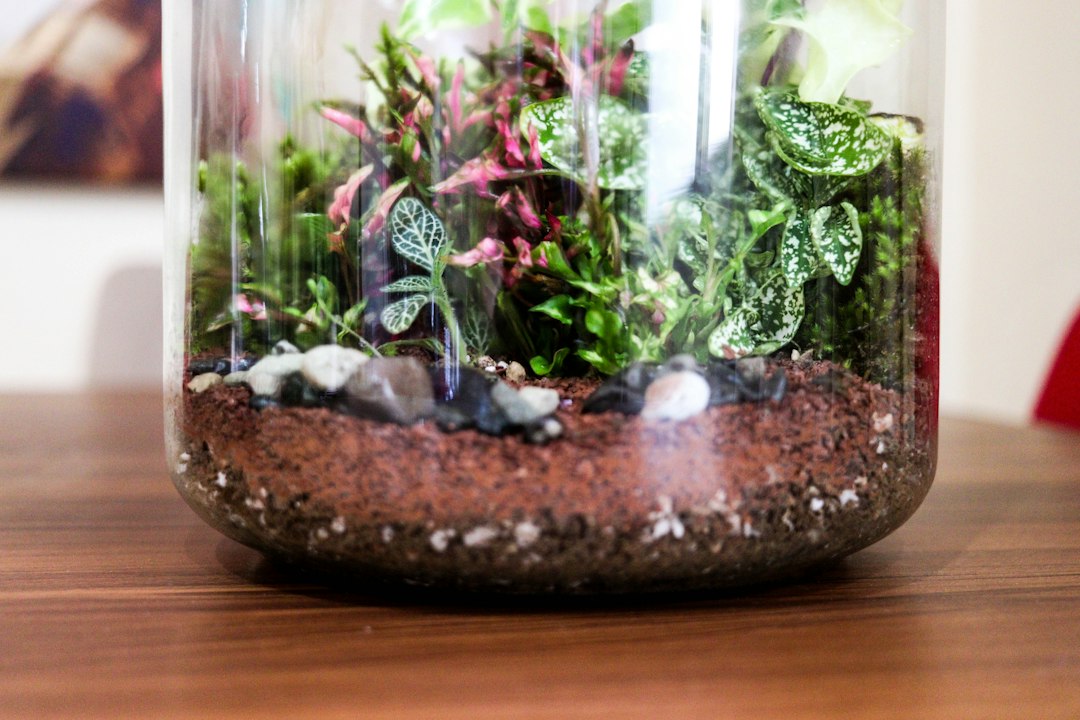
Creating a Stunning Glass Terrarium Display
Creating a Stunning Glass Terrarium Display
A glass terrarium is a compact way to bring living greenery, texture, and calm into an indoor space without needing a full garden. With the right container, plant mix, layering, and care routine, you can create a display that feels intentional rather than improvised. Whether you want a lush miniature forest for a desk or a sculptural succulent arrangement for a shelf, the best terrarium ideas begin with matching the design to the plants’ needs.
What makes a glass terrarium work indoors?
A glass terrarium works indoors because it creates a small, controlled growing environment while doubling as décor. The glass shows off the layers, plants, stones, moss, and decorative details, so the display becomes part garden and part living sculpture. The key is choosing indoor plants that suit the container style, then placing the terrarium where it receives the right light without overheating.
Unlike a standard potted plant, a terrarium depends on balance. The container shape affects airflow and humidity. The base layers help manage moisture. The plant choices determine whether the display stays healthy or quickly becomes crowded, wilted, or moldy. Once you understand those relationships, building a beautiful glass terrarium becomes far easier and more enjoyable.

Choosing the right terrarium style
The container sets the tone for the entire display. A tall geometric glass terrarium can feel modern and architectural, while a rounded bowl looks softer and more organic. A small dome can make a moss garden feel like a tiny preserved landscape, and a greenhouse-style case can turn a group of miniature plants into a statement piece.
Before choosing based on looks alone, decide whether you want an open or enclosed design. That choice affects plant selection, watering, and long-term maintenance.
Open glass terrariums
Open terrariums are best for plants that prefer airflow and do not like sitting in humid conditions. Succulents, cacti, and many air plants are popular choices because they thrive in drier environments. These displays often look clean, sculptural, and minimal, especially when styled with sand, gravel, pale stones, or pieces of driftwood.
An open terrarium is also a good option if you are new to terrarium care. Because moisture evaporates more easily, there is less risk of creating a constantly damp environment. You still need to water carefully, but the setup is more forgiving for plants that dislike excess humidity.
Enclosed glass terrariums
Enclosed terrariums hold humidity, making them better for moisture-loving plants. Moss, small ferns, fittonia, and other tropical indoor plants can thrive in this kind of mini greenhouse. When the balance is right, moisture circulates inside the container, so watering is needed less often than with an open display.
The tradeoff is that enclosed terrariums require more careful plant matching. Desert plants and succulents usually struggle in high humidity, while tropical plants may enjoy it. If condensation stays heavy all day, the terrarium may need more ventilation. If everything dries quickly, it may need a light misting or a better-fitting lid.
Shape, size, and placement
A wide, shallow container is ideal for layered scenes with visible stones, sand, and low-growing plants. A tall container gives you room for height and drama, but it can be harder to plant and prune. Narrow-necked vessels look elegant, though they require tools such as long tweezers or fine tongs to position plants neatly.
Think about where the terrarium will live. A desk may call for something compact and easy to view up close. A sideboard or console can handle a larger display. A shelf needs enough clearance for both the container and future plant growth. Avoid placing any glass terrarium in harsh direct sun, where the glass can trap heat and stress the plants.
Matching indoor plants to the environment
Plant selection is where many terrarium ideas either succeed beautifully or fall apart. The goal is not simply to choose plants you like. It is to group plants with similar light, moisture, humidity, and growth habits.
For an enclosed terrarium, consider small plants that enjoy humidity and stay relatively compact. Moss can create a lush carpet, while miniature ferns add delicate texture. Fittonia brings patterned leaves and color without needing strong direct light. Small peperomia varieties can also work well if the container has enough space and the soil is not kept soggy.
For an open terrarium, choose plants that prefer drier conditions. Succulents can create striking shapes and colors, especially when grouped with contrasting gravel or sand. Air plants can be arranged without traditional soil, which makes them useful for sculptural displays. Small cacti can work in open containers, but they need bright light and very careful watering.
A helpful rule is to avoid mixing tropical plants with succulents in the same terrarium. They may look attractive together at first, but they need different moisture levels. One group will usually suffer. Instead, create separate displays: a humid woodland scene in one container and a dry desert-inspired arrangement in another.
Good plant pairings for beginners
If you are building your first terrarium, start with a simple combination rather than trying to fit in too many varieties. A restrained plant palette often looks more polished and is easier to maintain.
Try these beginner-friendly pairings:
- Moss, fittonia, and a small fern for an enclosed, woodland-style glass terrarium with lush texture.
- Succulents, gravel, and one sculptural stone for an open, low-maintenance display with a modern look.
- Air plants, sand, and driftwood for an airy arrangement that works well in an open vessel.
- Peperomia, moss, and small decorative bark for a soft tropical arrangement with layered greens.
- One standout plant with minimal accents when you want a clean design that feels calm rather than crowded.
Keep scale in mind. Tiny plants look charming in a small container, but fast growers can quickly overwhelm the design. Choose compact varieties when possible, and leave open space around each plant so the display can breathe.
How do you build a terrarium from scratch?
To build a terrarium from scratch, start with a clean glass container, add drainage and filtration layers, place the right growing medium, then arrange plants and decorative elements in a balanced composition. Each layer has a purpose: stones help hold excess water away from roots, charcoal can help keep the environment fresher, and soil or specialized substrate supports the plant type you selected. After planting, water lightly and adjust the display based on how the plants respond over the next few days.
You do not need a complicated setup, but you do need patience. A terrarium is easiest to build when every material is ready before you begin.
Tools and materials to prepare
Gather your supplies in advance so you can work neatly:
- A clean glass terrarium container
- Small pebbles, gravel, or expanded clay for a drainage layer
- Activated charcoal, especially useful for enclosed displays
- Potting mix suited to your plants, such as cactus mix for succulents or moisture-retentive mix for tropical plants
- Indoor plants with similar care needs
- Moss, sand, stones, bark, or other decorative accents
- Long tweezers or fine tongs for precise placement
- A small spoon, funnel, or scoop for adding substrate
- A misting bottle for gentle watering
- Small pruning scissors for trimming leaves and roots
Clean glass matters because smudges, dust, and mineral marks become very visible once the display is finished. Wipe the inside before adding layers, and avoid using harsh residues that could affect plants.
The basic layering method
Start with a drainage layer at the bottom. Since most terrariums do not have drainage holes, this layer gives excess water somewhere to settle instead of saturating the roots. Add just enough depth to support the container size; a small tabletop terrarium needs less than a large atrium-style case.
Next, add a thin layer of activated charcoal if you are making an enclosed terrarium. Charcoal is not a substitute for proper watering, but it can help reduce stale conditions in a humid container. Then add the growing medium. Shape the soil slightly higher in the back or to one side if you want the design to feel more natural and dimensional.
Before planting, test your arrangement while the plants are still in their nursery pots. Place the tallest plant toward the back or off-center, then use lower plants and moss to create movement. Once you like the composition, remove each plant, loosen excess soil from the roots, make a small hole, and settle it into place.
Adding decorative details without overcrowding
Decorative accents turn a basic planting into a display. Stones can suggest a path or landscape. Bark can add a woodland feel. Sand can create clean lines in open desert-style terrariums. A single miniature object can be charming, but too many accessories can make the design feel busy.
Use negative space deliberately. Empty space gives the eye somewhere to rest and makes each plant look more intentional. If you are unsure, add fewer decorations at first. You can always refresh the display later with seasonal accents or new stones.

Design ideas that feel polished, not cluttered
The most attractive terrarium ideas usually have a clear mood. Instead of placing every pretty item into one container, choose a theme and repeat a few textures or colors. That creates unity, even in a small display.
A woodland terrarium works well in an enclosed vessel. Use moss as the base, then add small ferns, bark, and dark stones. This style feels calming and natural, making it a lovely choice for a desk, reading corner, or bedroom shelf.
A desert-inspired terrarium suits an open bowl or angular glass container. Combine succulents with pale gravel, sand, and one or two smooth stones. The result is bright, sculptural, and easy to pair with modern interiors.
A minimalist air plant display is ideal if you want greenery without soil layers. Place air plants on driftwood, stones, or a bed of sand in an open container. This style is especially useful for small apartments or office spaces because it stays visually light.
A greenhouse-style display can become a focal point on a console or dining room sideboard. Use a larger glass terrarium with a metal frame, then arrange several compact tropical plants at different heights. Keep the palette controlled so the piece feels curated rather than crowded.
A seasonal terrarium gives you flexibility without rebuilding the whole arrangement. In spring, add pale stones or small botanical accents. In autumn, use warm-toned bark, seed pods, or amber glass nearby. For winter, keep the planting simple and style the surrounding surface with candles, books, or natural textures rather than overloading the terrarium itself.
Keeping the display healthy
A beautiful terrarium is not a set-it-and-forget-it object, but it can be easy to maintain if you watch for small signals. The most important care factors are light, water, airflow, and plant growth.
Place most terrariums in bright, indirect light. Direct sun through glass can create too much heat, especially in enclosed containers. If the plants become pale, stretched, or weak, they may need more light. If leaves scorch or the inside gets hot, move the terrarium farther from the window.
Water lightly and slowly. It is easier to add more water later than to remove too much. For open succulent displays, let the soil dry well between watering. For enclosed tropical terrariums, mist sparingly and monitor condensation. A little condensation can be normal, but constant dripping or foggy glass may mean the container is too wet.
Pruning keeps the display in scale. Trim yellowing leaves, remove dead plant matter, and cut back growth that touches the glass for long periods. Crowded leaves can trap moisture and encourage mold, especially in enclosed designs.
A simple maintenance checklist
Use this quick routine to keep your terrarium looking fresh:
- Check the glass. Heavy condensation, mineral spots, or algae can signal excess moisture or too much light.
- Touch the soil only when needed. If it is still damp, wait before watering again.
- Remove dead leaves promptly. Decaying plant matter can create mold and make the display look neglected.
- Rotate the container occasionally. This helps plants grow more evenly toward the light.
- Trim overgrowth. Keep plants from pressing tightly against the glass.
- Watch for plant mismatch. If one plant needs frequent watering and another stays too wet, separate them into different displays.
These small checks take only a few minutes, but they prevent most common terrarium problems from becoming serious.
Common mistakes and simple fixes
Overwatering is the most common issue. Because a glass terrarium often has no drainage hole, extra water stays inside the system. If soil looks muddy, leaves turn yellow, or condensation never clears, stop watering and open the lid if the container is enclosed. Remove any damaged leaves and let the display dry gradually.
Mold can appear when humidity is high and organic matter is left to decay. A small patch can often be removed with tweezers, followed by better ventilation and less watering. If mold returns repeatedly, the terrarium may be too wet, too crowded, or filled with materials that hold more moisture than the plants need.
Plant choice can also cause problems. Succulents in enclosed terrariums often stretch, soften, or rot because the environment is too humid. Tropical plants in open, dry containers may crisp at the edges. The fix is not to fight the plant’s nature; it is to redesign the terrarium so the environment matches the plant.
Another mistake is building too densely. A full arrangement looks impressive on day one, but plants need room to settle and grow. Leave gaps, vary heights, and allow the hardscape materials to remain visible. The empty spaces are part of the design.
Styling your terrarium in a room
A terrarium looks best when it connects with the rest of the room. Consider the materials around it. A glass terrarium with brass or black framing may suit a modern shelf, while a rounded jar with moss and ferns may feel more at home near books, ceramics, or natural wood.
Use height to create impact. A small terrarium can sit on a stack of books, a tray, or a plant stand. A larger one can anchor a console table with a lamp and a few simple objects. In an office, a compact terrarium can soften hard surfaces and bring a small sense of nature to the workday.
Avoid hiding the display among too many competing items. Terrariums are detailed, so they need breathing room. If the container is intricate, keep nearby décor simple. If the plants are minimal, you can style the surrounding surface with more texture.

Small choices make the display feel intentional
The difference between an average terrarium and a stunning one often comes down to restraint. Choose the right container for the plant environment. Group indoor plants that want the same conditions. Build strong base layers, water lightly, and edit the design so every stone, stem, and open space has a purpose.
A glass terrarium does not need to be large or elaborate to feel special. It simply needs balance: between beauty and plant health, decoration and simplicity, structure and natural growth. Start with one clear idea, care for it consistently, and your terrarium can become a living detail that makes any indoor space feel calmer, greener, and more personal.

Written by Talis Us



Leave a comment
This site is protected by hCaptcha and the hCaptcha Privacy Policy and Terms of Service apply.